


Nā Pākuʻi Paʻa Māmā | Nā ʻĀpana Hoʻohuʻi Kiʻekiʻe no ka Kelepona Kelepona

NA PALAPALA HUA
wehewehe
Overview of Cement Polypropylene Reinforcing Concrete Fiber Additive Polypropylene Fiber Synthetic PP Fiber
No ke kū'ē kiʻekiʻe, hāʻawi mākou i nā Fiber Steel, kahi mea hoʻololi kūpono no ka uwea welded mesh ma nā papahele ʻoihana a me nā mea hoʻolei mua. Hāʻawi pū mākou i nā Structural Synthetic Fibers kūikawā e hāʻawi ana i ka ikaika tensile kiʻekiʻe no nā noi noi.. Hoʻopuehu like ʻia kēia mau fiber i loko o ka hui ʻana, ka hoʻokumu ʻana i kahi pūnaewele hoʻoikaika nui i hiki ʻole ke hoʻokō i nā ʻano kuʻuna. Hoʻomaʻamaʻa kēia ʻano hoʻohui i ke kūkulu ʻana, hoʻokē hoʻokomo, a hoʻonui i ka pono holoʻokoʻa a me ka lōʻihi o ka lāʻau, hāʻawi ʻana i kahi pane hou i nā pilikia o ka wā kahiko a me ka lōʻihi.
Features of Cement Polypropylene Reinforcing Concrete Fiber Additive Polypropylene Fiber Synthetic PP Fiber
1. ʻOi aku ka mana o ka māwae a me ka hoʻoikaika ʻana i ka lōʻihi:
ʻO ka hiʻohiʻona nui o kā mākou fibers ko lākou hiki ke hoʻopaʻa i nā micro-cracks ʻelua i hana ʻia i ka wā o ke kūlana plastik a me nā māwae nui aʻe i loko o ke koʻa paʻa.. Hoʻokumu kēia dispersion ʻekolu-dimensional i kahi matrix cohesive ʻoi aku ka pale ʻana i ka hoʻolaha ʻana. ʻO ka pōmaikaʻi pololei, he hōʻemi nui ia i ka ʻāʻī ʻana o ka plastic a me ka laula māwae lōʻihi. Ke alakaʻi nei kēia i ka ʻoi aku ka lōʻihi o ke koʻikoʻi me ka haʻahaʻa haʻahaʻa, ʻo ia ka mea e hoʻonui ai i ke kū'ē i ka wai komo, pōʻino hoʻoheheʻe, a me ka palahu o kekahi kila i hookomoia. ʻO ka hopena he hale me ka lōʻihi o ke ola lawelawe a hoʻemi ʻia nā kumukūʻai mālama.
2. Hoʻonui i ka hopena a me ka pale ʻana i ka abrasion:
Nā pulu, ʻoi aku ke kila a me nā fiber macro synthetic ikaika, hoʻomaikaʻi maikaʻi i ka paʻakikī o ke kaʻa a me ka hana ma hope o ka haki. Lawe lākou a puʻunaue i ka ikehu ma ka hopena a i ʻole ka hoʻouka ʻana. Hāʻawi kēia hiʻohiʻona i ka pōmaikaʻi o kahi ʻili kūpaʻa ʻoi aku ka liʻiliʻi o ka spalling, ʻokiʻoki, a me ka abrasion ma lalo o ke kaʻa nui a i ʻole ka lole mīkini. He waiwai koʻikoʻi kēia no nā papahele ʻoihana, hale kūʻai pavements, a me nā papahana hoʻolālā, e alakaʻi ana i kahi ʻili paʻakikī e mālama i kona kūpaʻa i ka manawa.
3. ʻO ka maikaʻi o ke kūkulu ʻana a me ka mālama kālā:
ʻO kahi hiʻohiʻona nui o ka hoʻohana ʻana i ka fiber reinforcement ʻo ka hoʻopau ʻana i ka uwea welded mesh (WWF) i nā noi he nui. Hāʻawi kēia i nā pōmaikaʻi nui ma ka pūnaewele: maʻalahi ka hoʻokomo, no ka mea, ʻaʻohe mesh e hoʻonohonoho ʻia a hiki ke hoʻoneʻe ʻia, a hoʻokēʻai i ke kaʻina hana holoʻokoʻa. Ma ka wehe ʻana i kahi hana koʻikoʻi, ʻike nā papahana i ka hōʻemi ʻana i nā kumukūʻai hana a me ka wikiwiki o ka manawa papahana. ʻO ka hāʻawi like ʻana o nā fibers e hōʻoiaʻiʻo i ka hoʻoikaika paʻa ʻana ma ka ʻāpana koneki holoʻokoʻa, like ole mesh, hiki ke waiho pono ole ia, alakaʻi i ka hana hilinaʻi a wānana.

Specification of Cement Polypropylene Reinforcing Concrete Fiber Additive Polypropylene Fiber Synthetic PP Fiber
Spec of Cement Polypropylene Reinforcing Concrete Fiber Ingredient
Hōʻuluʻulu 'ikamu
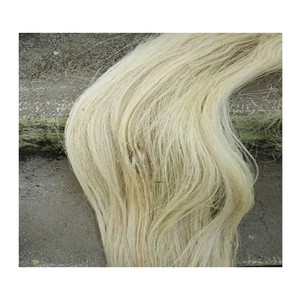
This product is an artificial polypropylene (PP) fiber made for use in concrete and cement-based products. It acts as a second reinforcement to boost the efficiency and sturdiness of the last structure. The fibers are evenly distributed throughout the mix to manage breaking and boost durability.
Nā hiʻohiʻona hoʻopunipuni
The fibers are 100% polypropylene puʻupaʻa. They resist antacids, pulu, and chemicals discovered in concrete. Each fiber has a smooth surface and constant size, usually in between 18– 48 microns. Standard sizes vary from 6 mm i 19 mm, yet custom-made dimensions are offered. The melting factor is around 165 ° C, that makes the fibers secure under typical construction conditions.
Pono i loko o ka Concrete
Including these fibers helps in reducing plastic contraction fractures that develop while concrete is still fresh. They additionally raise effect resistance and stop weak failing. Me ka manawa, the fibers support far better cohesion within the mix, which reduces surface dusting and spalling. ʻAʻole like me nā kaula kila, they do not corrode or discolor the ended up surface.
Nā Kūlana Hoʻohana
Common dosage is 0.6– 1.0 kg no ka mita kubiko o ke koki. Mix the fibers right into the set during the preliminary completely dry phase to ensure also dispersion. ʻAʻole pono nā mea hana kūikawā. The fibers work well with basic admixtures like water reducers or air-entraining representatives. Constantly adhere to local building codes and project specs when utilizing this additive.
Hoʻopili huahana a me kahi waiho ʻana
Fibers can be found in moisture-proof bags of 0.5 kg, 1 kg, a i ʻole 20 kg. Store them in a completely dry, awesome area away from straight sunshine. Maintain bags secured up until ready to use to stay clear of clumping. Life span goes to least 24 mahina ke mālama pono ʻia.

Applications of Cement Polypropylene Reinforcing Concrete Fiber Additive Polypropylene Fiber Synthetic PP Fiber
Noi o ka Polypropylene Fiber ma ka Paa
ʻOi aku ka mana, More Resilient Concrete with Synthetic PP Fibers
Me ka polypropylene (PP) fibers to concrete improves its performance in many means. These synthetic fibers blend quickly into wet concrete. They help manage cracking caused by shrinking as the concrete dries. This makes the final structure extra trusted and long-lasting.
Builders utilize PP fiber-reinforced concrete in floors, ʻāpana, a me na alanui alanui. The fibers decrease surface area cracks and improve influence resistance. This is specifically valuable in industrial settings where hefty equipment or continuous website traffic puts anxiety on the floor.
In household building, polypropylene fibers enhance basement walls, nā ala kaʻa, and pathways. They add sturdiness without changing exactly how the concrete appearances or really feels. Specialists appreciate that no added steps are needed– just mix the fibers in like any other additive.
Why Choose Polypropylene Over Various Other Choices?
Polypropylene fibers are light-weight and chemically inert. ʻAʻole lākou ʻeleʻele, unlike steel fibers. They additionally resist dampness, antacid, and a lot of chemicals found in concrete. This means they last much longer inside the mix without damaging down.
These fibers function well in shotcrete and splashed concrete applications also. They help hold the material with each other throughout application and minimize rebound– the amount of product that bounces off the surface area. This saves time and cuts waste at work site.
PP fibers likewise enhance fire resistance. When exposed to high heat, they produce little networks that allow heavy steam retreat. This reduces the danger of spalling, where pieces of concrete break off suddenly throughout a fire.
From industrial buildings to framework tasks like tunnels and bridges, polypropylene fiber additives use genuine advantages. ʻOi aku ka paʻakikī o ka lāʻau, palekana, and much easier to work with– without increasing prices or making complex the procedure. Ikaika , straightforward , and reliable , PP fibers are a clever option for modern-day concrete work.
ʻO ka moʻolelo o ka hui
ʻO mākou ke alakaʻi o ka honua i nā ʻenehana māmā a me nā hoʻonā ʻenehana i hana ʻia. ʻIke ʻia ma ka honua holoʻokoʻa no kāna kūpaʻa i ka noiʻi, mea hou, a me ka ʻike noiʻi, ke hāʻawi nei mākou i nā hoʻonā ʻenehana i hana ʻia mai ka makahiki 2012.
Hiki iā mākou ke hāʻawi aku i ka hoʻohui ʻana i nā mea hoʻohui kiʻekiʻe kiʻekiʻe a me nā huahana pili i ka foam concrete a puni ka honua.
He keʻena ʻenehana ʻoihana a me ka ʻoihana kiaʻi maikaʻi ka hui, he hale hana i hoolako pono ia, a hoʻolako ʻia me nā lako hoʻāʻo kiʻekiʻe a me ke kikowaena lawelawe mea kūʻai aku ma hope o ke kūʻai aku.
Inā hoihoi ʻoe, e ʻoluʻolu a e hoʻokaʻaʻike mai iā mākou.
Uku
T/T, Hui Komohana, Paypal, Kāleka ʻaiʻē etc.
Hoʻouna
Ma ka lewa, ma ke kai, ma ka hoike, e like me ke noi a nā mea kūʻai aku.

5 FAQs of Cement Polypropylene Reinforcing Concrete Fiber Additive Polypropylene Fiber Synthetic PP Fiber
Nīnau pinepine e pili ana i ka Polypropylene Concrete Fiber
What is polypropylene fiber used for in concrete?
Polypropylene fiber is added to concrete to reduce cracking. It helps control shrinkage cracks that happen when concrete dries. The fibers hold the concrete together better and improve its toughness.
Pehea e hoʻomaikaʻi ai kēia fiber i ka hana koneki?
The fiber boosts impact resistance and reduces surface wear. It also lowers water seepage by blocking tiny channels inside the concrete. This makes the final product more durable and longer lasting.
He mea maʻalahi ke hoʻohui ʻia i loko o ke kaʻa?
ʻAe. You can add the fiber directly during normal mixing. It spreads evenly without clumping. ʻAʻole pono nā mea hana kūikawā a me nā ʻanuʻu. E hahai wale i nā kaʻina hana hui maʻamau.
Hoʻololi ia i ka hoʻoikaika kila?
ʻAʻole. Polypropylene fiber is not a replacement for steel rebar or mesh. Hana ia ma ke ʻano he hoʻoikaika lua. ʻO kāna hana nui, ʻo ia ka hoʻopaʻa ʻana i nā māwae plastic shrinkage, ʻaʻole e lawe i nā ukana hoʻolālā.
What types of projects benefit most from this fiber?
It works well in slabs, alanui alanui, nā ala kaʻa, a me nā papahele o lalo. It’s also used in shotcrete, nā panela precast, a me ka stucco. Anywhere you want fewer surface cracks and better surface integrity, kōkua kēia fiber.
NOI I KA PALAPALA
NA HUAKAI PILI

Concrete Additive Wood Cellulose Concrete Fiber to Improve Crack Resistance
ʻO ka pulupulu polipropylene no ka pahū a me ka mea hoʻohui
100% Polypropylene Fiber PP Macro Fiber 12mm no ka Paʻa
TB keleawe i uhi ʻia i ka micro steel fiber concrete
Explosive Copper Steel Fiber Bridge Construction Project Fiber Concrete Construction Material Whole Ripple Steel Fiber
