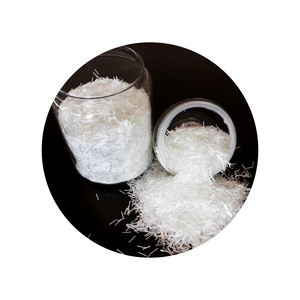
Nā Pākuʻi Paʻa Māmā | Nā ʻĀpana Hoʻohuʻi Kiʻekiʻe no ka Kelepona Kelepona


NA PALAPALA HUA
wehewehe
Overview of Concrete Additive Wood Cellulose Concrete Fiber to Improve Crack Resistance
No ke kū'ē kiʻekiʻe, hāʻawi mākou i nā Fiber Steel, kahi mea hoʻololi kūpono no ka uwea welded mesh ma nā papahele ʻoihana a me nā mea hoʻolei mua. Hāʻawi pū mākou i nā Structural Synthetic Fibers kūikawā e hāʻawi ana i ka ikaika tensile kiʻekiʻe no nā noi noi.. Hoʻopuehu like ʻia kēia mau fiber i loko o ka hui ʻana, ka hoʻokumu ʻana i kahi pūnaewele hoʻoikaika nui i hiki ʻole ke hoʻokō i nā ʻano kuʻuna. Hoʻomaʻamaʻa kēia ʻano hoʻohui i ke kūkulu ʻana, hoʻokē hoʻokomo, a hoʻonui i ka pono holoʻokoʻa a me ka lōʻihi o ka lāʻau, hāʻawi ʻana i kahi pane hou i nā pilikia o ka wā kahiko a me ka lōʻihi.
Features of Concrete Additive Wood Cellulose Concrete Fiber to Improve Crack Resistance
1. ʻOi aku ka mana o ka māwae a me ka hoʻoikaika ʻana i ka lōʻihi:
ʻO ka hiʻohiʻona nui o kā mākou fibers ko lākou hiki ke hoʻopaʻa i nā micro-cracks ʻelua i hana ʻia i ka wā o ke kūlana plastik a me nā māwae nui aʻe i loko o ke koʻa paʻa.. Hoʻokumu kēia dispersion ʻekolu-dimensional i kahi matrix cohesive ʻoi aku ka pale ʻana i ka hoʻolaha ʻana. ʻO ka pōmaikaʻi pololei, he hōʻemi nui ia i ka ʻāʻī ʻana o ka plastic a me ka laula māwae lōʻihi. Ke alakaʻi nei kēia i ka ʻoi aku ka lōʻihi o ke koʻikoʻi me ka haʻahaʻa haʻahaʻa, ʻo ia ka mea e hoʻonui ai i ke kū'ē i ka wai komo, pōʻino hoʻoheheʻe, a me ka palahu o kekahi kila i hookomoia. ʻO ka hopena he hale me ka lōʻihi o ke ola lawelawe a hoʻemi ʻia nā kumukūʻai mālama.
2. Hoʻonui i ka hopena a me ka pale ʻana i ka abrasion:
Nā pulu, ʻoi aku ke kila a me nā fiber macro synthetic ikaika, hoʻomaikaʻi maikaʻi i ka paʻakikī o ke kaʻa a me ka hana ma hope o ka haki. Lawe lākou a puʻunaue i ka ikehu ma ka hopena a i ʻole ka hoʻouka ʻana. Hāʻawi kēia hiʻohiʻona i ka pōmaikaʻi o kahi ʻili kūpaʻa ʻoi aku ka liʻiliʻi o ka spalling, ʻokiʻoki, a me ka abrasion ma lalo o ke kaʻa nui a i ʻole ka lole mīkini. He waiwai koʻikoʻi kēia no nā papahele ʻoihana, hale kūʻai pavements, a me nā papahana hoʻolālā, e alakaʻi ana i kahi ʻili paʻakikī e mālama i kona kūpaʻa i ka manawa.
3. ʻO ka maikaʻi o ke kūkulu ʻana a me ka mālama kālā:
ʻO kahi hiʻohiʻona nui o ka hoʻohana ʻana i ka fiber reinforcement ʻo ka hoʻopau ʻana i ka uwea welded mesh (WWF) i nā noi he nui. Hāʻawi kēia i nā pōmaikaʻi nui ma ka pūnaewele: maʻalahi ka hoʻokomo, no ka mea, ʻaʻohe mesh e hoʻonohonoho ʻia a hiki ke hoʻoneʻe ʻia, a hoʻokēʻai i ke kaʻina hana holoʻokoʻa. Ma ka wehe ʻana i kahi hana koʻikoʻi, ʻike nā papahana i ka hōʻemi ʻana i nā kumukūʻai hana a me ka wikiwiki o ka manawa papahana. ʻO ka hāʻawi like ʻana o nā fibers e hōʻoiaʻiʻo i ka hoʻoikaika paʻa ʻana ma ka ʻāpana koneki holoʻokoʻa, like ole mesh, hiki ke waiho pono ole ia, alakaʻi i ka hana hilinaʻi a wānana.

Specification of Concrete Additive Wood Cellulose Concrete Fiber to Improve Crack Resistance
Wood Cellulose Concrete Fiber– Improved Fracture Resistance for Long Lasting Frameworks
He aha ia
Timber cellulose concrete fiber is a natural additive made from improved timber pulp. It blends conveniently into wet concrete blends and helps in reducing breaking brought on by drying out shrinkage, hoʻololi wela, and early-age stress and anxiety. This fiber is biodegradable, palekana, and secure to handle on work sites.
Pololei ka hana ana
When blended right into concrete, the small wood cellulose fibers spread out equally throughout the material. They develop a fine internal network that holds the concrete together as it treatments. This network reduces water loss throughout drying, which reduces the opportunity of surface splits forming. The fibers also absorb some interior stress and anxiety, maintaining little fractures from growing larger in time.
Nā mea huna
Better fracture control: Reduces both plastic contraction fractures and lasting drying out splits.
Much easier positioning: Does not glob or round up like some synthetic fibers. Mixes smoothly with common devices.
Eco-friendly: Made from renewable wood resources and leaves no harmful residues.
Kūʻai-pono: Low dosage prices deliver solid efficiency without increasing worldly expenses substantially.
Kahi e hoʻohana ai
This fiber functions well in slabs-on-grade, nā ala hele wāwae, nā ala kaʻa, nā panela precast, stucco, a me ka panapana. It is specifically useful in thin-section applications where traditional steel support is tough to place or unneeded. Specialists use it to meet building ordinance demands for additional reinforcement while streamlining their process.
E hoʻohana i nā alakaʻi
Hoʻokomo 0.5 i 1.0 pound of wood cellulose fiber per cubic backyard of concrete. Mix for at the very least 3 mins after including in make certain full dispersion. No adjustments to water material or treating approaches are needed. Constantly comply with regional standards and job requirements when using this additive.

Applications of Concrete Additive Wood Cellulose Concrete Fiber to Improve Crack Resistance
Increase Crack Resistance with Wood Cellulose Concrete Fiber
He aha ia
Wood cellulose concrete fiber is an all-natural additive made from fine-tuned timber pulp. It blends quickly into wet concrete and spreads out evenly throughout the mix. This fiber is slim, māmā, and made to function well with typical construction materials.
Pehea e hana ai
Ke maloʻo ka lāʻau, it diminishes. This shrinkage often leads to little cracks. Wood cellulose fibers aid control this issue. They hold the concrete together at a microscopic degree. As the mix sets, the fibers produce a network that resists early-stage cracking. They also reduce water loss throughout healing, which further restricts split formation.
Trick Advantages on Website
Building contractors see fewer surface fractures in pieces, pā, and pavements when they use this fiber. It enhances the general toughness of the concrete without altering how staffs put or finish it. No additional devices or actions are required. The fiber mixes right in during regular blending.
It also minimizes plastic contraction fractures– those that show up while concrete is still soft. This implies less patching and repair work later on. Floors stay smoother. Wall surfaces look cleaner. Projects finish much faster with less callbacks.
Kahi e hoʻohana ai
This additive jobs well in residential and business projects. Common usages consist of driveways, alahele, basement wall surfaces, a me nā papahele ʻoihana. It’s specifically valuable in dry or windy conditions where concrete loses moisture rapidly.
The fiber meets industry standards for efficiency and security. ʻAʻole ʻoʻoleʻa, popopo, or weaken gradually. Ke hookumuia, it stays steady inside the concrete matrix.
Straightforward Combination
Include the advised amount straight to the mixer with other active ingredients. Mix for the typical time. The concrete circulations and surfaces similar to a regular set– but with much better crack resistance built in. Contractors appreciate how easy it is to adopt without retraining teams or adjusting schedules.
ʻO ka moʻolelo o ka hui
ʻO mākou ke alakaʻi o ka honua i nā ʻenehana māmā a me nā hoʻonā ʻenehana i hana ʻia. ʻIke ʻia ma ka honua holoʻokoʻa no kāna kūpaʻa i ka noiʻi, mea hou, a me ka ʻike noiʻi, ke hāʻawi nei mākou i nā hoʻonā ʻenehana i hana ʻia mai ka makahiki 2012.
Hiki iā mākou ke hāʻawi aku i ka hoʻohui ʻana i nā mea hoʻohui kiʻekiʻe kiʻekiʻe a me nā huahana pili i ka foam concrete a puni ka honua.
He keʻena ʻenehana ʻoihana a me ka ʻoihana kiaʻi maikaʻi ka hui, he hale hana i hoolako pono ia, a hoʻolako ʻia me nā lako hoʻāʻo kiʻekiʻe a me ke kikowaena lawelawe mea kūʻai aku ma hope o ke kūʻai aku.
Inā hoihoi ʻoe, e ʻoluʻolu a e hoʻokaʻaʻike mai iā mākou.
Uku
T/T, Hui Komohana, Paypal, Kāleka ʻaiʻē etc.
Hoʻouna
Ma ka lewa, ma ke kai, ma ka hoike, e like me ke noi a nā mea kūʻai aku.

5 FAQs of Concrete Additive Wood Cellulose Concrete Fiber to Improve Crack Resistance
FAQs: Wood Cellulose Concrete Fiber for Better Crack Resistance
What is wood cellulose concrete fiber?
Wood cellulose concrete fiber is a natural additive made from processed wood pulp. It mixes into concrete to help control cracking. The fibers are thin and evenly spread throughout the mix.
How does it improve crack resistance?
Ke maloʻo ka lāʻau, it shrinks and can form small cracks. The cellulose fibers hold the mix together during this stage. They create a network inside the concrete that blocks tiny cracks from growing bigger.
He palekana anei ka hoʻohana ʻana i ke kūkulu ʻana?
ʻAe. Wood cellulose fibers are non-toxic and eco-friendly. They do not harm workers or the environment. These fibers meet standard safety rules for building materials.
Can it replace steel or synthetic fibers?
Not fully. Wood cellulose fibers work best for early-stage crack control, especially plastic shrinkage cracks. For heavy-duty strength or long-term structural support, steel or synthetic fibers may still be needed. But cellulose fibers can reduce the amount of other fibers required.
How is it added to concrete?
Add the fibers during mixing. Put them in with the dry materials or early in the wet mixing stage. Mix for at least 3–5 minutes to spread them evenly. No special tools are needed—standard concrete mixers work fine. Follow the product’s dosage guide to get the best results.
NOI I KA PALAPALA
NA HUAKAI PILI
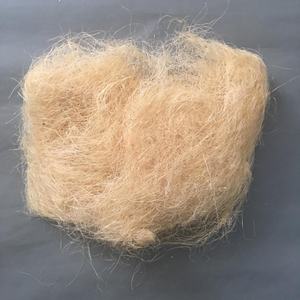
nā ʻano o nā kaula kila i hoʻohana ʻia i ke kaʻa
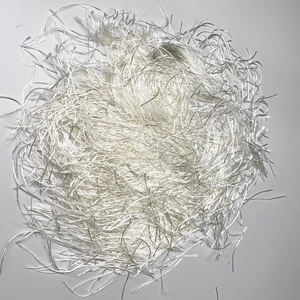
Nā huahana hoʻolaha holoʻokoʻa kiʻekiʻe kiʻekiʻe Polyethylene Synthetic Fibers No ka Paʻa
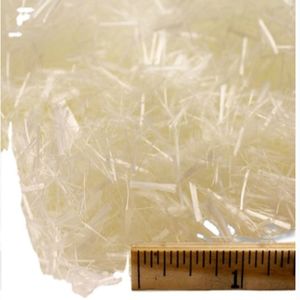
ʻO Polypropylene PP Fiber Paʻa no ka hoʻohana ʻana i ke kūkulu ʻana

ʻO ka lole lole lole Fiberglass i uhi ʻia i ka wela wela
PP Polypropylene Monofilament Rericular Fiber 3-9mm Polypropylene Staple Fiber For Concrete or Fiber Reinforced