Gaan nga Concrete Additives | High-Performance Foaming Agents para sa Cellular Concrete


MGA PARAMETER SA PRODUKTO
Deskripsyon
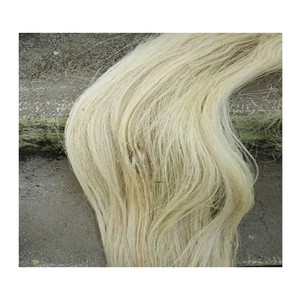
Overview of Concrete Additive Wood Cellulose Concrete Fiber to Improve Crack Resistance
Para sa high-impact resistance, kami nagtanyag sa Steel Fibers, usa ka sulundon nga kapuli sa welded wire mesh sa mga salog sa industriya ug mga elemento nga pre-cast. Naghatag usab kami og espesyal nga Structural Synthetic Fibers nga nagtanyag taas nga tensile nga kusog alang sa pagpangayo nga mga aplikasyon. Kini nga mga lanot parehas nga nagkatag sa tibuuk nga pagsagol sa konkreto, paghimo og multi-dimensional nga reinforcement network nga dili makab-ot sa tradisyonal nga mga pamaagi. Kini nga hiniusa nga pamaagi nagpasimple sa pagtukod, nagpadali sa pagbutang, ug nagpalambo sa kinatibuk-ang integridad ug taas nga kinabuhi sa kongkreto, paghatag og moderno nga tubag sa karaan na nga cracking ug durability challenges.
Features of Concrete Additive Wood Cellulose Concrete Fiber to Improve Crack Resistance
1. Superior Crack Control ug Gipauswag nga Kalig-on:
Ang nag-unang bahin sa among mga lanot mao ang ilang abilidad sa pagdugtong sa duha ka micro-cracks nga naporma sa panahon sa plastik nga kahimtang ug mas dagkong mga liki sa gahi nga kongkreto.. Kini nga tulo-ka-dimensional nga pagkatibulaag nagmugna sa usa ka mas nagkahiusa nga matrix nga mosukol sa pagpadaghan sa liki. Ang direkta nga benepisyo usa ka hinungdanon nga pagkunhod sa parehas nga pag-urong sa plastik nga pag-crack ug dugay nga gilapdon sa crack. Kini modala ngadto sa usa ka mas lig-on nga konkreto uban sa ubos nga permeability, nga sa baylo makapauswag sa resistensya sa pagsulod sa tubig, kadaot sa freeze-thaw, ug corrosion sa bisan unsa nga nasulod nga asero. Ang resulta mao ang usa ka istruktura nga adunay mas taas nga kinabuhi sa serbisyo ug pagkunhod sa gasto sa pagmentinar.
2. Dugang nga Epekto ug Abrasion Resistance:
Mga lanot, ilabi na ang steel ug lig-on nga sintetikong macro fibers, mahinuklugong nagpauswag sa katig-a sa konkreto ug sa post-crack nga performance. Sila mosuhop ug mo-apod-apod sa enerhiya sa epekto o loading. Kini nga bahin naghatag sa kaayohan sa usa ka labi ka lig-on nga nawong nga dili kaayo dali sa spalling, pag-chipping, ug abrasion ubos sa bug-at nga trapiko o mekanikal nga pagsul-ob. Kini usa ka kritikal nga bentaha alang sa mga salog sa industriya, mga simento sa bodega, ug mga proyekto sa imprastraktura, padulong ngadto sa mas gahi nga pagsul-ob nga nawong nga nagmintinar sa iyang integridad sa paglabay sa panahon.
3. Episyente sa Pagtukod ug Makadaginot sa Gasto:
Usa ka mahinungdanong bahin sa paggamit sa fiber reinforcement mao ang pagwagtang sa welded wire mesh (WWF) sa daghang mga aplikasyon. Naghatag kini daghang mga benepisyo sa site: gipasayon niini ang pagbutang, kay walay mata nga ibutang o posibleng mabalhin, ug kini nagpadali sa tibuok proseso sa pagtukod. Pinaagi sa pagtangtang sa usa ka labor-intensive nga lakang, makita sa mga proyekto ang pagkunhod sa gasto sa pagtrabaho ug mas paspas nga mga timeline sa proyekto. Ang uniporme nga pag-apod-apod sa mga lanot nagsiguro usab nga makanunayon nga pagpalig-on sa tibuuk nga seksyon sa konkreto, dili sama sa mesh, nga mahimong dili husto nga ibutang, padulong ngadto sa mas kasaligan ug matag-an nga performance.

Specification of Concrete Additive Wood Cellulose Concrete Fiber to Improve Crack Resistance
Wood Cellulose Concrete Fiber– Improved Fracture Resistance for Long Lasting Frameworks
Unsa Kini
Timber cellulose concrete fiber is a natural additive made from improved timber pulp. It blends conveniently into wet concrete blends and helps in reducing breaking brought on by drying out shrinkage, mga pagbag-o sa temperatura, and early-age stress and anxiety. This fiber is biodegradable, luwas, and secure to handle on work sites.
Eksakto kung giunsa Kini Naglihok
When blended right into concrete, the small wood cellulose fibers spread out equally throughout the material. They develop a fine internal network that holds the concrete together as it treatments. This network reduces water loss throughout drying, which reduces the opportunity of surface splits forming. The fibers also absorb some interior stress and anxiety, maintaining little fractures from growing larger in time.
Mga Sekreto nga Perks
Better fracture control: Reduces both plastic contraction fractures and lasting drying out splits.
Much easier positioning: Does not glob or round up like some synthetic fibers. Mixes smoothly with common devices.
Eco-friendly: Made from renewable wood resources and leaves no harmful residues.
Epektibo sa gasto: Low dosage prices deliver solid efficiency without increasing worldly expenses substantially.
Asa Kini Gamiton
This fiber functions well in slabs-on-grade, mga agianan, mga agianan sa agianan, precast panel, stucco, ug shotcrete. It is specifically useful in thin-section applications where traditional steel support is tough to place or unneeded. Specialists use it to meet building ordinance demands for additional reinforcement while streamlining their process.
Gamita ang mga Giya
Iapil 0.5 sa 1.0 pound of wood cellulose fiber per cubic backyard of concrete. Mix alang sa labing menos 3 mins after including in make certain full dispersion. No adjustments to water material or treating approaches are needed. Constantly comply with regional standards and job requirements when using this additive.

Applications of Concrete Additive Wood Cellulose Concrete Fiber to Improve Crack Resistance
Increase Crack Resistance with Wood Cellulose Concrete Fiber
Unsa Kini
Wood cellulose concrete fiber is an all-natural additive made from fine-tuned timber pulp. It blends quickly into wet concrete and spreads out evenly throughout the mix. This fiber is slim, gaan ang timbang, and made to function well with typical construction materials.
Giunsa Kini Naglihok
Sa diha nga ang kongkreto mamala, it diminishes. This shrinkage often leads to little cracks. Wood cellulose fibers aid control this issue. They hold the concrete together at a microscopic degree. As the mix sets, the fibers produce a network that resists early-stage cracking. They also reduce water loss throughout healing, which further restricts split formation.
Trick Advantages on Website
Building contractors see fewer surface fractures in pieces, mga bungbong, and pavements when they use this fiber. It enhances the general toughness of the concrete without altering how staffs put or finish it. No additional devices or actions are required. The fiber mixes right in during regular blending.
It also minimizes plastic contraction fractures– those that show up while concrete is still soft. This implies less patching and repair work later on. Floors stay smoother. Wall surfaces look cleaner. Projects finish much faster with less callbacks.
Asa Kini Gamiton
This additive jobs well in residential and business projects. Common usages consist of driveways, mga agianan, basement wall surfaces, ug industriyal nga mga salog. It’s specifically valuable in dry or windy conditions where concrete loses moisture rapidly.
The fiber meets industry standards for efficiency and security. Dili kini tayaon, madunot, or weaken gradually. Sa dihang natukod, it stays steady inside the concrete matrix.
Straightforward Combination
Include the advised amount straight to the mixer with other active ingredients. Mix for the typical time. The concrete circulations and surfaces similar to a regular set– but with much better crack resistance built in. Contractors appreciate how easy it is to adopt without retraining teams or adjusting schedules.
Profile sa Kompanya
Kami ang global nga lider sa lightweight nga kongkreto ug advanced engineered foam nga mga solusyon. Nailhan sa tibuok kalibutan tungod sa pasalig niini sa panukiduki, kabag-ohan, ug gigamit nga kahanas, Naghatag kami og engineered foam nga mga solusyon sukad sa sayong bahin sa 2012.
Makahatag kami og taas nga kalidad nga konkretong admixture ug foam concrete related nga mga produkto sa tibuok kalibutan.
Ang kompanya adunay usa ka propesyonal nga departamento sa teknikal ug departamento sa pagdumala sa kalidad, usa ka laboratoryo nga nasangkapan pag-ayo, ug nasangkapan sa advanced testing equipment ug after-sales customer service center.
Kung interesado ka, palihug mobati nga gawasnon ug kontaka kami.
Bayad
T/T, Western Union, Paypal, Credit Card ug uban pa.
Pagpadala
Pinaagi sa hangin, pinaagi sa dagat, pinaagi sa express, ingon sa gihangyo sa mga kustomer.

5 FAQs of Concrete Additive Wood Cellulose Concrete Fiber to Improve Crack Resistance
Mga FAQ: Wood Cellulose Concrete Fiber for Better Crack Resistance
What is wood cellulose concrete fiber?
Wood cellulose concrete fiber is a natural additive made from processed wood pulp. It mixes into concrete to help control cracking. The fibers are thin and evenly spread throughout the mix.
How does it improve crack resistance?
Sa diha nga ang kongkreto mamala, it shrinks and can form small cracks. The cellulose fibers hold the mix together during this stage. They create a network inside the concrete that blocks tiny cracks from growing bigger.
Is it safe to use in construction?
Oo. Wood cellulose fibers are non-toxic and eco-friendly. They do not harm workers or the environment. These fibers meet standard safety rules for building materials.
Can it replace steel or synthetic fibers?
Dili hingpit. Wood cellulose fibers work best for early-stage crack control, especially plastic shrinkage cracks. For heavy-duty strength or long-term structural support, steel or synthetic fibers may still be needed. But cellulose fibers can reduce the amount of other fibers required.
How is it added to concrete?
Add the fibers during mixing. Put them in with the dry materials or early in the wet mixing stage. Mix for at least 3–5 minutes to spread them evenly. No special tools are needed—standard concrete mixers work fine. Follow the product’s dosage guide to get the best results.
PANGAYO UG KUTIL
KAUGNAY NGA MGA PRODUKTO
Whole Fiberglass Roving for Glass Fiber Reinforced Concrete Panel AR Fiberglass Chopped Strands
Mainit nga Napasibo nga High Toughness Polypropylene Fiber Para sa Concrete Asphalt Concrete Mortar

Gipalig-on nga Concrete Sheet Texture Wood Pattern Fiber Cement
Pabrika sa China 4×4 160gsm Orange Blue Glass Fiber Mesh Fiberglass Mesh Wall Plaster Net

Cellulose Concrete Fiber para sa Concrete