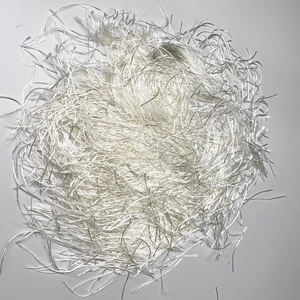
Mea Faaopoopo Sima Mama | Su'esu'e Foa'e maualuga mo le Sima Cellular


FA'AVAE FA'AVAE
Fa'amatalaga
Overview of Concrete Additive Wood Cellulose Concrete Fiber to Improve Crack Resistance
Mo tete'e maualuga-a'afiaga, matou te ofoina atu uamea Fibers, o se sui lelei mo mata uaea uelo i fola fale gaosimea ma elemene muamua lafo. Matou te tuʻuina atu foʻi faʻapitoa Structural Synthetic Fibers e ofoina atu le malosi maualuga mo le faʻaogaina o talosaga.. O alava ia o lo'o salalau solo i totonu o le paluga sima, faia o se feso'ota'iga fa'amalosia tele e le mafai ona ausia e auala masani. O lenei faiga tu'ufa'atasia e fa'afaigofie ai le fausiaina, faatelevaveina le tu'uina, ma fa'aleleia ai le fa'amaoni atoa ma le umi o le sima, tu'uina atu se tali fa'aonaponei i lu'itau ta'e tuai ma le tumau.
Features of Concrete Additive Wood Cellulose Concrete Fiber to Improve Crack Resistance
1. Pulea Ta'eta'e Sili ma Fa'aleleia le Maumau:
O le uiga autu o a tatou alava o lo latou gafatia e faʻafesoʻotaʻi uma micro-taʻetaʻe e faia i le taimi o le tulaga palasitika ma taʻe tetele i totonu o sima malo.. O lenei fa'ata'apeina e tolu-dimensional e fa'atupuina ai se matrix e sili atu ona tu'ufa'atasi e tete'e ai le fa'atupuina o ta. O le fa'amanuiaga tuusa'o o se fa'aitiitiga tele i le ta'e palasitika ma le lautele o le ta'e umi. O le mea lea e tau atu ai i se sima e sili atu ona umi ma maualalo le faʻaogaina, lea e fa'aleleia atili ai le tete'e atu i vai fa'aulu, fa'aleagaina fa'a'aisa, ma a'a o so'o se uamea fa'apipi'i. O le taunuuga o se fausaga e umi atu le ola tautua ma faʻaititia le tau o le tausiga.
2. Fa'ateleina A'afiaga ma Fa'asa'o:
Fibre, aemaise lava alava macro synthetic u'amea malosi, fa'aleleia atili le malosi o le sima ma le fa'atinoina o le ta'e. Latou te mitiia ma tufatufa atu le malosi i luga o le aʻafiaga poʻo le utaina. O lenei fa'aaliga e maua ai le fa'amanuiaga o se mea e sili atu ona maufetuuna'i e fa'aitiitia ai le fa'afefe, tipi, ma abrasion i lalo o le mamafa o taavale poʻo masini faʻainisinia. Ose tulaga taua tele lea mo fola fale gaosimea, fola faleteuoloa, ma galuega tetele, e taʻitaʻia atu i luga o se mea e sili atu ona faʻaofuofu e faʻatumauina lona faʻamaoni i le aluga o taimi.
3. Lelei Faufale ma Fa'asaoina Tau:
O se vaega autu o le faʻaaogaina o le fiber faʻamalosia o le faʻaumatiaina o le uaea faʻafefe (WWF) i le tele o talosaga. E maua ai le tele o fa'amanuiaga i luga ole laiga: e faafaigofie ai le tuu, ona e leai se mata e fa'atūina pe ono fa'ase'e, ma e faatelevaveina ai le faagasologa atoa o le fausiaina. E ala i le aveesea o se laasaga galue malosi, o poloketi e va'aia le fa'aitiitia o tau o tagata faigaluega ma fa'avave taimi fa'atulagaina o galuega. O le tufatufaina tutusa o alava e mautinoa ai foi le faʻamalosia faifaipea i le vaega sima atoa, e le pei o mata, lea e mafai ona le lelei ona tuu, e taʻitaʻia ai le faʻatuatuaina ma le faʻatinoina o galuega.

Specification of Concrete Additive Wood Cellulose Concrete Fiber to Improve Crack Resistance
Wood Cellulose Concrete Fiber– Improved Fracture Resistance for Long Lasting Frameworks
O Le a
Timber cellulose concrete fiber is a natural additive made from improved timber pulp. It blends conveniently into wet concrete blends and helps in reducing breaking brought on by drying out shrinkage, suiga o le vevela, and early-age stress and anxiety. This fiber is biodegradable, saogalemu, and secure to handle on work sites.
Le auala tonu e Fa'atino ai
A fa'afefiloi sa'o ile sima, the small wood cellulose fibers spread out equally throughout the material. They develop a fine internal network that holds the concrete together as it treatments. This network reduces water loss throughout drying, which reduces the opportunity of surface splits forming. The fibers also absorb some interior stress and anxiety, maintaining little fractures from growing larger in time.
Fa'amanuiaga Faalilo
Better fracture control: Reduces both plastic contraction fractures and lasting drying out splits.
Much easier positioning: Does not glob or round up like some synthetic fibers. Mixes smoothly with common devices.
Fa'alelei: Made from renewable wood resources and leaves no harmful residues.
Tau-lelei: Low dosage prices deliver solid efficiency without increasing worldly expenses substantially.
O Fea e Fa'aaogaina
O lenei alava e galue lelei i papa-i-grade, ala savali, auala taavale, laulau fa'atosina, stucco, ma le fana. It is specifically useful in thin-section applications where traditional steel support is tough to place or unneeded. Specialists use it to meet building ordinance demands for additional reinforcement while streamlining their process.
Fa'aaogā Ta'iala
Fa'aaofia 0.5 ia 1.0 pound of wood cellulose fiber per cubic backyard of concrete. Mix for at the very least 3 mins after including in make certain full dispersion. No adjustments to water material or treating approaches are needed. Constantly comply with regional standards and job requirements when using this additive.

Applications of Concrete Additive Wood Cellulose Concrete Fiber to Improve Crack Resistance
Increase Crack Resistance with Wood Cellulose Concrete Fiber
O Le a
Wood cellulose concrete fiber is an all-natural additive made from fine-tuned timber pulp. It blends quickly into wet concrete and spreads out evenly throughout the mix. This fiber is slim, māmā, and made to function well with typical construction materials.
Auala e Fa'atino ai
A mago sima, it diminishes. This shrinkage often leads to little cracks. Wood cellulose fibers aid control this issue. They hold the concrete together at a microscopic degree. As the mix sets, the fibers produce a network that resists early-stage cracking. They also reduce water loss throughout healing, which further restricts split formation.
Trick Advantages on Website
Building contractors see fewer surface fractures in pieces, puipui, and pavements when they use this fiber. It enhances the general toughness of the concrete without altering how staffs put or finish it. No additional devices or actions are required. The fiber mixes right in during regular blending.
It also minimizes plastic contraction fractures– those that show up while concrete is still soft. This implies less patching and repair work later on. E fa'alelei pea le fola. Wall surfaces look cleaner. Projects finish much faster with less callbacks.
O Fea e Fa'aaogaina
This additive jobs well in residential and business projects. Common usages consist of driveways, ala, basement wall surfaces, ma fale gaosimea. It’s specifically valuable in dry or windy conditions where concrete loses moisture rapidly.
The fiber meets industry standards for efficiency and security. E le elea, pala, or weaken gradually. Ina ua faavaeina, it stays steady inside the concrete matrix.
Straightforward Combination
Include the advised amount straight to the mixer with other active ingredients. Mix for the typical time. The concrete circulations and surfaces similar to a regular set– but with much better crack resistance built in. Contractors appreciate how easy it is to adopt without retraining teams or adjusting schedules.
Fa'amatalaga a le Kamupani
O matou o le ta'ita'i o le lalolagi i fofo mama mama ma fa'ainisinia foam fofo. Ua lauiloa i le lalolagi atoa mo lana tautinoga i suʻesuʻega, mea fou, ma fa'aoga tomai, ua matou tuʻuina atu fofo faʻainisinia foam talu mai le amataga o le 2012.
E mafai ona matou tu'uina atu mea fa'afefiloi sima maualuga ma oloa fa'atatau i sima foam i le lalolagi atoa.
O loʻo i ai i le kamupani se matagaluega faʻapitoa faʻapolofesa ma le mataʻituina lelei o le matagaluega, se falesuesue ua saunia lelei, ma faʻapipiʻiina i masini suʻesuʻe faʻapitoa ma le faʻatau atu o tagata faʻatau auaunaga.
Afai e te fiafia, faamolemole lagona le saoloto ma faafesootai matou.
Totogi
T/T, Western Union, Paypal, Credit Card etc.
utaina
E ala i le ea, i le sami, e ala i le faailoa atu, e pei ona talosagaina e tagata faatau.

5 FAQs of Concrete Additive Wood Cellulose Concrete Fiber to Improve Crack Resistance
FAQs: Wood Cellulose Concrete Fiber for Better Crack Resistance
What is wood cellulose concrete fiber?
Wood cellulose concrete fiber is a natural additive made from processed wood pulp. It mixes into concrete to help control cracking. The fibers are thin and evenly spread throughout the mix.
How does it improve crack resistance?
A mago sima, it shrinks and can form small cracks. The cellulose fibers hold the mix together during this stage. They create a network inside the concrete that blocks tiny cracks from growing bigger.
Pe saogalemu e fa'aoga ile faufale?
Ioe. Wood cellulose fibers are non-toxic and eco-friendly. They do not harm workers or the environment. These fibers meet standard safety rules for building materials.
Can it replace steel or synthetic fibers?
E le atoatoa. Wood cellulose fibers work best for early-stage crack control, especially plastic shrinkage cracks. For heavy-duty strength or long-term structural support, steel or synthetic fibers may still be needed. But cellulose fibers can reduce the amount of other fibers required.
How is it added to concrete?
Add the fibers during mixing. Put them in with the dry materials or early in the wet mixing stage. Fa'afefiloi mo le itiiti ifo i le 3-5 minute e fa'asalalau tutusa. No special tools are needed—standard concrete mixers work fine. Follow the product’s dosage guide to get the best results.
TALOSAGA O SE FAI
O MEA E FAI AI
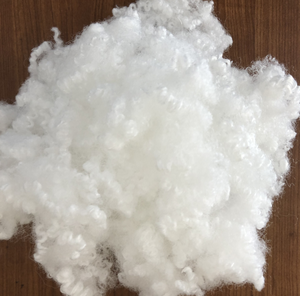
6mm 12mm 18mm Monofilament Fiber Sima Fa'amalosia PP
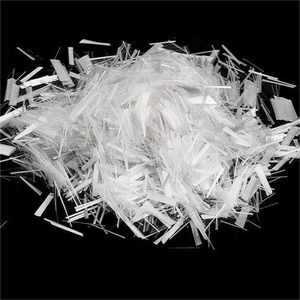
Saina Fa'atosina Sima Sandwich Panel HY-FRP Feso'ota'i Fiberglass Tie Frp Insulation Vaega

O le vevela maualuga o le carbon fiber sima castable sima refractory sima mo vaega ogaumu mua'i

0.3x13mm POM Fa'amalosia Sima POM Uamea Sima Fiber mo UHPC
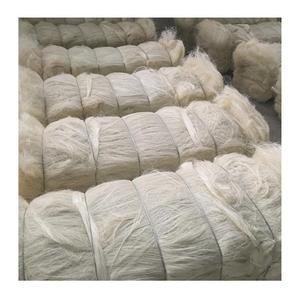
Factory Low Basalt Concrete Fiber for Concrete Board Reinforcement Mesh and Geogrid