Nā Pākuʻi Paʻa Māmā | Nā ʻĀpana Hoʻohuʻi Kiʻekiʻe no ka Kelepona Kelepona


NA PALAPALA HUA
wehewehe
Overview of Cement Polypropylene Reinforced Concrete Fiber Concrete Admixture Fiber
No ke kū'ē kiʻekiʻe, hāʻawi mākou i nā Fiber Steel, kahi mea hoʻololi kūpono no ka uwea welded mesh ma nā papahele ʻoihana a me nā mea hoʻolei mua. Hāʻawi pū mākou i nā Structural Synthetic Fibers kūikawā e hāʻawi ana i ka ikaika tensile kiʻekiʻe no nā noi noi.. Hoʻopuehu like ʻia kēia mau fiber i loko o ka hui ʻana, ka hoʻokumu ʻana i kahi pūnaewele hoʻoikaika nui i hiki ʻole ke hoʻokō i nā ʻano kuʻuna. Hoʻomaʻamaʻa kēia ʻano hoʻohui i ke kūkulu ʻana, hoʻokē hoʻokomo, a hoʻonui i ka pono holoʻokoʻa a me ka lōʻihi o ka lāʻau, hāʻawi ʻana i kahi pane hou i nā pilikia o ka wā kahiko a me ka lōʻihi.
Features of Cement Polypropylene Reinforced Concrete Fiber Concrete Admixture Fiber
1. ʻOi aku ka mana o ka māwae a me ka hoʻoikaika ʻana i ka lōʻihi:
ʻO ka hiʻohiʻona nui o kā mākou fibers ko lākou hiki ke hoʻopaʻa i nā micro-cracks ʻelua i hana ʻia i ka wā o ke kūlana plastik a me nā māwae nui aʻe i loko o ke koʻa paʻa.. Hoʻokumu kēia dispersion ʻekolu-dimensional i kahi matrix cohesive ʻoi aku ka pale ʻana i ka hoʻolaha ʻana. ʻO ka pōmaikaʻi pololei, he hōʻemi nui ia i ka ʻāʻī ʻana o ka plastic a me ka laula māwae lōʻihi. Ke alakaʻi nei kēia i ka ʻoi aku ka lōʻihi o ke koʻikoʻi me ka haʻahaʻa haʻahaʻa, ʻo ia ka mea e hoʻonui ai i ke kū'ē i ka wai komo, pōʻino hoʻoheheʻe, a me ka palahu o kekahi kila i hookomoia. ʻO ka hopena he hale me ka lōʻihi o ke ola lawelawe a hoʻemi ʻia nā kumukūʻai mālama.
2. Hoʻonui i ka hopena a me ka pale ʻana i ka abrasion:
Nā pulu, ʻoi aku ke kila a me nā fiber macro synthetic ikaika, hoʻomaikaʻi maikaʻi i ka paʻakikī o ke kaʻa a me ka hana ma hope o ka haki. Lawe lākou a puʻunaue i ka ikehu ma ka hopena a i ʻole ka hoʻouka ʻana. Hāʻawi kēia hiʻohiʻona i ka pōmaikaʻi o kahi ʻili kūpaʻa ʻoi aku ka liʻiliʻi o ka spalling, ʻokiʻoki, a me ka abrasion ma lalo o ke kaʻa nui a i ʻole ka lole mīkini. He waiwai koʻikoʻi kēia no nā papahele ʻoihana, hale kūʻai pavements, a me nā papahana hoʻolālā, e alakaʻi ana i kahi ʻili paʻakikī e mālama i kona kūpaʻa i ka manawa.
3. ʻO ka maikaʻi o ke kūkulu ʻana a me ka mālama kālā:
ʻO kahi hiʻohiʻona nui o ka hoʻohana ʻana i ka fiber reinforcement ʻo ka hoʻopau ʻana i ka uwea welded mesh (WWF) i nā noi he nui. Hāʻawi kēia i nā pōmaikaʻi nui ma ka pūnaewele: maʻalahi ka hoʻokomo, no ka mea, ʻaʻohe mesh e hoʻonohonoho ʻia a hiki ke hoʻoneʻe ʻia, a hoʻokēʻai i ke kaʻina hana holoʻokoʻa. Ma ka wehe ʻana i kahi hana koʻikoʻi, ʻike nā papahana i ka hōʻemi ʻana i nā kumukūʻai hana a me ka wikiwiki o ka manawa papahana. ʻO ka hāʻawi like ʻana o nā fibers e hōʻoiaʻiʻo i ka hoʻoikaika paʻa ʻana ma ka ʻāpana koneki holoʻokoʻa, like ole mesh, hiki ke waiho pono ole ia, alakaʻi i ka hana hilinaʻi a wānana.

Specification of Cement Polypropylene Reinforced Concrete Fiber Concrete Admixture Fiber
Cement Polypropylene Reinforced Concrete Fiber Admixture
He aha ia
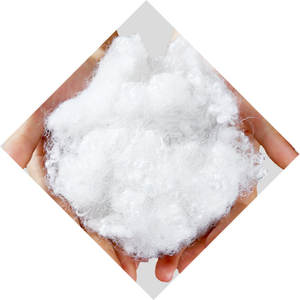
This item is a synthetic fiber made from polypropylene It mixes directly into concrete or mortar throughout batching. Nui nā fiber, evenly distributed, and created to enhance the efficiency of cement-based materials.
Nā Pōmaikaʻi Malu
Hoʻomalu haʻihaʻi: The fibers help in reducing plastic shrinkage cracks that form while concrete is still fresh. They act like small supports throughout the mix.
Ke kū'ē i ka hopena: Structures come to be tougher and better able to handle sudden tons or shocks.
Durability increase: Concrete lasts longer due to the fact that fibers limit crack development and water infiltration.
Reduce of usage: ʻAʻole pono nā mea hana kūikawā. Simply include the fibers throughout normal blending. They spread quickly and do not glob.
Pehea e hana ai
When mixed right into damp concrete, the polypropylene fibers spread out consistently. E like me nā hōʻiliʻili koneki, these fibers hold the material together at a mini degree. This stops small splits from turning into huge problems. The result is a more cohesive, resilient final product.
Nā noi maʻamau
Utilize this admixture in pieces, nā paepae, nā mea hana mua, pana pana, and commercial floors. It functions well in property, ʻoihana ʻoihana, and facilities projects. Anywhere you need more powerful, a lot more reliable concrete, this fiber assists.
Nā ʻike loea
– Huahana: 100% polypropylene.
– Nui: ʻO ka mea maʻamau 6 mm i 19 mm
– ʻAiʻai: 0.6– 1.0 kg no ka mita kubiko o ke koki (change based upon task requirements).
– kalakala: Normally white or off-white.
– Mea hoohehee: Around 160– 170 ° C.
– Alkali immune: ʻAe– stable in high-pH concrete settings.
Shop in a completely dry place far from straight sunlight. Keep bags sealed until ready to make use of. Mix extensively for a minimum of 3– 5 minutes to ensure also distribution.
Applications of Cement Polypropylene Reinforced Concrete Fiber Concrete Admixture Fiber
Applications of Cement Polypropylene Reinforced Concrete Fiber Admixture
More Powerful Concrete for Everyday Use
Including polypropylene fibers to concrete mixtures makes the final product much tougher. These small artificial fibers spread evenly via the concrete. They hold the concrete together even when little splits start to form. This implies less surface splits and less chance of larger damages with time.
Builders use this fiber-reinforced concrete in several typical tasks. It functions well in walkways, nā ala kaʻa, a me nā patio waho. The fibers aid these surface areas take care of foot traffic, climate adjustments, and ground movement without damaging apart easily. Parking great deals likewise benefit because the product resists wear from autos and heavy tons.
Great for Floors and Basements
Indoor concrete floors– like those in warehouses, hale kaʻa, a i ʻole nā haʻahaʻa haʻahaʻa– get stronger with polypropylene fibers. The fibers minimize contraction fractures that often take place as concrete dries. This brings about smoother, much more durable floorings that require less fixing. Contractors like using it due to the fact that it lowers extra steps like putting cable mesh.
Ideal for Wall Surfaces and Structures
Polypropylene fiber admixtures are additionally used in walls, kahua, a me nā paneli precast. They enhance influence resistance and help regulate fracturing throughout curing. In areas with freeze-thaw cycles, the fibers add added security against water damage and spalling. The outcome is a longer-lasting structure that holds up better under anxiety.
This admixture mixes easily with basic concrete components. ʻAʻole pono nā mea hana kūikawā a i ʻole ke aʻo ʻana. E hoʻohui wale i ka nui kūpono i loko o ka hui ʻana, and the concrete gains immediate benefits. Many building teams currently select fiber reinforcement as a basic, affordable means to increase efficiency without altering their usual process.
ʻO ka moʻolelo o ka hui
ʻO mākou ke alakaʻi o ka honua i nā ʻenehana māmā a me nā hoʻonā ʻenehana i hana ʻia. ʻIke ʻia ma ka honua holoʻokoʻa no kāna kūpaʻa i ka noiʻi, mea hou, a me ka ʻike noiʻi, ke hāʻawi nei mākou i nā hoʻonā ʻenehana i hana ʻia mai ka makahiki 2012.
Hiki iā mākou ke hāʻawi aku i ka hoʻohui ʻana i nā mea hoʻohui kiʻekiʻe kiʻekiʻe a me nā huahana pili i ka foam concrete a puni ka honua.
He keʻena ʻenehana ʻoihana a me ka ʻoihana kiaʻi maikaʻi ka hui, he hale hana i hoolako pono ia, a hoʻolako ʻia me nā lako hoʻāʻo kiʻekiʻe a me ke kikowaena lawelawe mea kūʻai aku ma hope o ke kūʻai aku.
Inā hoihoi ʻoe, e ʻoluʻolu a e hoʻokaʻaʻike mai iā mākou.
Uku
T/T, Hui Komohana, Paypal, Kāleka ʻaiʻē etc.
Hoʻouna
Ma ka lewa, ma ke kai, ma ka hoike, e like me ke noi a nā mea kūʻai aku.
5 FAQs of Cement Polypropylene Reinforced Concrete Fiber Concrete Admixture Fiber
Frequently Asked Questions About Cement Polypropylene Reinforced Concrete Fiber
No ke aha kēia fiber?
This fiber is mixed into concrete to make it stronger. It helps stop small cracks from forming as the concrete dries or shrinks. Hoʻohana nā mea kūkulu hale i nā papahele, pā, alanui, and other structures where durability matters.
Pehea e hoʻomaikaʻi ai i ke koʻo?
Hoʻolaha like ʻia nā pulupulu ma o ka hui ʻana. They hold the material together when stress happens. This reduces cracking, hoʻonui i ka pale ʻana i ka hopena, and makes the surface last longer. The concrete also handles wear and tear better over time.
He mea maʻalahi ke hui pū me ke kaʻa?
ʻAe. You can add the fibers during normal mixing. ʻAʻole pono nā mea hana kūikawā a me nā ʻanuʻu. E hahai wale i ka dosage i ʻōlelo ʻia. The fibers blend well and do not clump if mixed properly.
Hoʻololi ia i ka hoʻoikaika kila?
ʻAʻole. These fibers work alongside steel bars or mesh. They control tiny cracks but cannot carry heavy structural loads like steel. Use both for best results—fibers for micro-crack control, steel for major support.
He palekana ke mālama?
ʻAe. The polypropylene fibers are non-toxic and do not irritate skin or lungs. They are safe for workers and the environment. Aia nō, standard safety gear like gloves and masks is always a good idea on any job site.
NOI I KA PALAPALA
NA HUAKAI PILI
Factory Fiber High Temperature Silicone Coated Glass Fiberglass Fabric

ʻO Staple Fiber Mortar a me ka mea paʻa i ke kumu elastic ikaika PP mesh fiber
Factory Whole High quality cheap basalt fiber chopped strand for asphalt concrete pavement
ʻO ka mīkini paʻa paʻa paʻa paʻa mesh Unidirectional Carbon Fiber 12K Twill i ulana ʻia i ka lole ʻili kalapona.
Concrete Usage Macro Concrete Fiber Monofilament Polypropylene PP Fiber 19mm