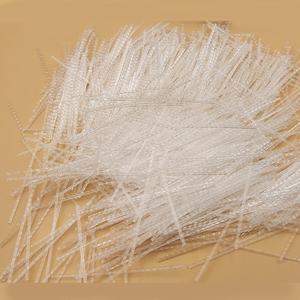
Li-additives tsa Konkreite tse bobebe | Li-Agents tse Foaming tse Phahameng ka ho Fetisisa bakeng sa Konkreite ea Cellular


LITLHAKISO TSA LITŠOANTŠISO
Tlhaloso
Overview of Cement Polypropylene Reinforced Concrete Fiber Concrete Admixture Fiber
Bakeng sa khanyetso e phahameng, re fana ka Steel Fibers, sebaka se loketseng bakeng sa letlooeng la terata le cheselitsoeng mekatong ea liindasteri le lintho tse entsoeng esale pele. Re boetse re fana ka li-Structural Synthetic Fibers tse khethehileng tse fanang ka matla a phahameng a ts'ebetso bakeng sa lits'ebetso tse batloang haholo. Likhoele tsena li hasane ka mokhoa o ts'oanang ho pholletsa le motsoako oa konkreite, ho theha marang-rang a matlafatso a mahlakore a mangata ao mekhoa ea setso e ke keng ea e finyella. Mokhoa ona o kopaneng o nolofatsa kaho, potlakisa ho beha, le ho matlafatsa botšepehi bo akaretsang le bophelo bo bolelele ba konkreite, ho fana ka karabo ea sejoale-joale ho mathata a khale a ho petsoha le ho tšoarella.
Features of Cement Polypropylene Reinforced Concrete Fiber Concrete Admixture Fiber
1. Taolo e Phahameng ea Crack le Matla a Matlafalitsoeng:
Ntho ea mantlha ea likhoele tsa rona ke bokhoni ba bona ba ho koala mapetso a manyane a hlahang nakong ea polasetiki le mapetsong a maholo a konkreite e thata.. Phatlalatso ena ea mahlakore a mararo e theha matrix e momahaneng haholoanyane e hananang le phatlalatso ea crack. Melemo e tobileng ke ho fokotseha ho hoholo ha ho phunyeha ha polasetiki ka bobeli le bophara ba nako e telele. Sena se lebisa ho konkreite e tšoarellang haholo e nang le matla a tlase, seo ka sona se matlafatsang kganetso ya metsi a kenang, tshenyo ya ho qhoqhoa, le ho bola ha tšepe efe kapa efe e kentsoeng. Sephetho ke sebopeho se nang le nako e telele ea tšebeletso le litšenyehelo tse fokolitsoeng tsa tlhokomelo.
2. Keketseho ea Tšusumetso le Khahlano ea Abrasion:
Likhoele, haholo-holo tšepe le li-macro fibers tse matla tsa maiketsetso, ntlafatsa haholo ho tiea ha konkreite le ts'ebetso ea kamora ho phatloha. Li monya le ho aba matla ha li ama kapa ha li laeloa. Tšobotsi ena e fana ka molemo oa sebaka se tsitsitseng haholoanyane se sa rateheng ho spalling, ho qhetsola, le abrasion tlas'a sephethephethe se seholo kapa moaparo oa mochini. Ena ke monyetla oa bohlokoa bakeng sa mekato ea indasteri, litselana tsa polokelo, le diporojeke tsa mafaratlhatlha, e lebisang sebakeng se apereng ka thata haholo se bolokang botshepehi ka nako.
3. Sebetsa sa Kaho le Poloko ea Litšenyehelo:
Tšobotsi ea bohlokoa ea ho sebelisa fiber reinforcement ke ho felisoa ha letlooeng le cheselitsoeng (WWF) lits'ebetsong tse ngata. Sena se fana ka melemo e mengata sebakeng sa marang-rang: e nolofatsa ho beha, kaha ha ho na mesh e lokelang ho hlongoa kapa e ka tlosoang, mme e akofisa tshebetso yohle ya kaho. Ka ho tlosa mohato o boima oa mosebetsi, merero e bona litšenyehelo tse fokotsehileng tsa basebetsi le linako tse potlakileng tsa merero. Kabo e tšoanang ea likhoele e boetse e tiisa matlafatso e tsitsitseng ho pholletsa le karolo eohle ea konkreite, ho fapana le letlooeng, e ka bewang ka tsela e sa lokang, se lebisang tshebetsong e tshepehang le e lebelloang.

Specification of Cement Polypropylene Reinforced Concrete Fiber Concrete Admixture Fiber
Cement Polypropylene Reinforced Concrete Fiber Admixture
Seo E leng sona
This item is a synthetic fiber made from polypropylene It mixes directly into concrete or mortar throughout batching. Li-fibers li kholo, ajoa ka ho lekana, and created to enhance the efficiency of cement-based materials.
Melemo ea Lekunutu
Fracture control: The fibers help in reducing plastic shrinkage cracks that form while concrete is still fresh. They act like small supports throughout the mix.
Impact resistance: Structures come to be tougher and better able to handle sudden tons or shocks.
Durability increase: Concrete lasts longer due to the fact that fibers limit crack development and water infiltration.
Ho fokotseha ha tšebeliso: Ha ho lisebelisoa tse khethehileng tse hlokahalang. Simply include the fibers throughout normal blending. They spread quickly and do not glob.
Hore na E Sebetsa Joang
When mixed right into damp concrete, the polypropylene fibers spread out consistently. As the concrete collections, these fibers hold the material together at a mini degree. This stops small splits from turning into huge problems. The result is a more cohesive, resilient final product.
Lisebelisoa tse Tloaelehileng
Utilize this admixture in pieces, litselana, likarolo tsa precast, shotcrete, le mekato ea khoebo. It functions well in property, indasteri, and facilities projects. Anywhere you need more powerful, konkreite e ngata e tšepahalang, this fiber assists.
Lintlha tsa Tekheniki
– Sehlahisoa: 100% polypropylene.
– Boholo: Ka tloaelo 6 mm ho 19 mm
– Tekanyetso: 0.6– 1.0 lik'hilograma ka mithara ea konkreite (change based upon task requirements).
– Mmala: Hangata bosweu kapa bosweu.
– Ntho e qhibilihisang: Around 160– 170 °C.
– Alkali immune: Ee– stable in high-pH concrete settings.
Shop in a completely dry place far from straight sunlight. Keep bags sealed until ready to make use of. Mix extensively for a minimum of 3– 5 minutes to ensure also distribution.
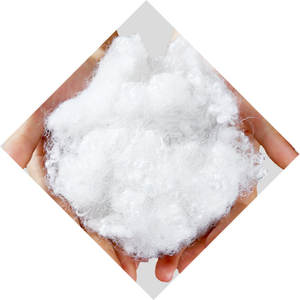
Applications of Cement Polypropylene Reinforced Concrete Fiber Concrete Admixture Fiber
Applications of Cement Polypropylene Reinforced Concrete Fiber Admixture
More Powerful Concrete for Everyday Use
Including polypropylene fibers to concrete mixtures makes the final product much tougher. These small artificial fibers spread evenly via the concrete. They hold the concrete together even when little splits start to form. This implies less surface splits and less chance of larger damages with time.
Builders use this fiber-reinforced concrete in several typical tasks. It functions well in walkways, litsela tsa ho khanna, le mapatlelo a ka ntle. The fibers aid these surface areas take care of foot traffic, climate adjustments, and ground movement without damaging apart easily. Parking great deals likewise benefit because the product resists wear from autos and heavy tons.
Great for Floors and Basements
Indoor concrete floors– like those in warehouses, likarache, or basements– get stronger with polypropylene fibers. The fibers minimize contraction fractures that often take place as concrete dries. This brings about smoother, much more durable floorings that require less fixing. Contractors like using it due to the fact that it lowers extra steps like putting cable mesh.
Ideal for Wall Surfaces and Structures
Polypropylene fiber admixtures are additionally used in walls, metheo, le liphanele tsa precast. They enhance influence resistance and help regulate fracturing throughout curing. In areas with freeze-thaw cycles, the fibers add added security against water damage and spalling. The outcome is a longer-lasting structure that holds up better under anxiety.
This admixture mixes easily with basic concrete components. Ha ho lisebelisoa tse ikhethang kapa koetliso e hlokahalang. Just add the correct amount throughout batching, 'me konkreite e fumana melemo hang-hang. Many building teams currently select fiber reinforcement as a basic, affordable means to increase efficiency without altering their usual process.
Boemo ba Khoebo
Re moetapele oa lefats'e oa konkreite e bobebe le tharollo ea foam e tsoetseng pele. E tsebahala lefatšeng ka bophara ka boitlamo ba eona ba ho etsa lipatlisiso, popontshwa, le botsebi bo sebelisitsoeng, esale re fana ka tharollo ea foam e entsoeng ka boenjiniere ho tloha qalong ea 2012.
Re ka fana ka motsoako oa boleng bo holimo oa konkreite le lihlahisoa tse amanang le konkreite ea foam lefatšeng ka bophara.
Khampani e na le lefapha la litsebi tsa theknoloji le lefapha la tlhokomelo ea boleng, laboratori e nang le lisebelisoa hantle, hape e na le lisebelisoa tse tsoetseng pele tsa tlhahlobo le setsi sa litšebeletso tsa bareki ka mor'a thekiso.
Haeba u thahasella, ka kopo ikutloe u lokolohile 'me u ikopanye le rona.
Tefo
T/T, phetiso ea chelete e bitsoang western union, Paypal, Credit Card etc.
Thomello
Ka moea, ka leoatle, ka Express, joalo ka ha bareki ba kopa.
5 FAQs of Cement Polypropylene Reinforced Concrete Fiber Concrete Admixture Fiber
Frequently Asked Questions About Cement Polypropylene Reinforced Concrete Fiber
Fiber ee e sebelisetsoa eng?
This fiber is mixed into concrete to make it stronger. It helps stop small cracks from forming as the concrete dries or shrinks. Lihahi li e sebelisa fatše, mabota, litsela, le meaho e meng moo ho tiya ho leng bohlokwa.
E ntlafatsa joang konkreite?
Likhoele li hasana ka ho lekana ka motsoako oa konkreite. Ba tšoara boitsebiso hammoho ha khatello ea kelello e hlaha. Sena se fokotsa ho ruruha, boosts impact resistance, and makes the surface last longer. The concrete also handles wear and tear better over time.
Na ho bonolo ho kopanya le konkreite?
Ee. U ka eketsa likhoele nakong ea ho kopanya ho tloaelehileng. Ha ho lisebelisoa tse khethehileng kapa mehato e hlokahalang. Latela feela tekanyo e khothalletsoang. The fibers blend well and do not clump if mixed properly.
E nka sebaka sa ho matlafatsa tšepe?
Che. These fibers work alongside steel bars or mesh. They control tiny cracks but cannot carry heavy structural loads like steel. Use both for best results—fibers for micro-crack control, steel for major support.
Na ho bolokehile ho tšoara?
Ee. The polypropylene fibers are non-toxic and do not irritate skin or lungs. They are safe for workers and the environment. Leha ho le joalo, standard safety gear like gloves and masks is always a good idea on any job site.
KOPO KHOPO
LIHLAHISO TSE HLAHANG
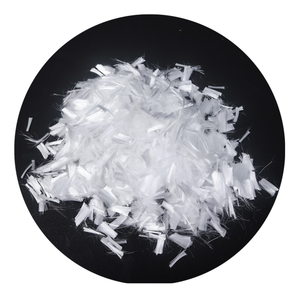
Tšepe Concrete Fiber bakeng sa Fiber Reinforced Concrete
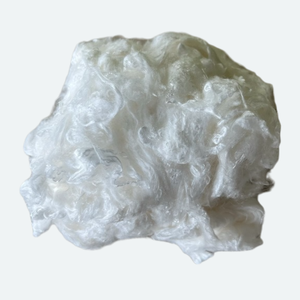
Polypropylene Macro Concrete Fiber Twisted Bundle for Concrete Reinforcement in Building Construction PP Fiber Model
Daye Whole Factory Directly Supply Stainless Steel Corrugated Concrete Fiber Materials
High modulus 12k UD konkreite e matlafatsang lesela la fiber fiber
Boleng bo Botle ba 50m 90m Length Self Adhesive Fiberglass Mesh Tape bakeng sa ho Lokisa Wall Crack