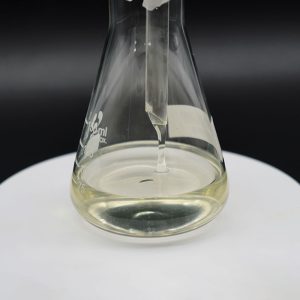
Nā Pākuʻi Paʻa Māmā | Nā ʻĀpana Hoʻohuʻi Kiʻekiʻe no ka Kelepona Kelepona

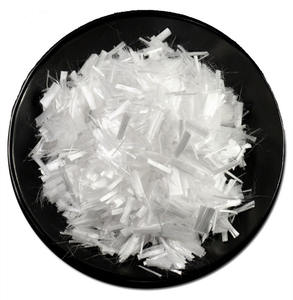
NA PALAPALA HUA
wehewehe
Overview of Concrete Additive Cellulose Concrete Fiber to Improve Crack Resistance of Concrete
No ke kū'ē kiʻekiʻe, hāʻawi mākou i nā Fiber Steel, kahi mea hoʻololi kūpono no ka uwea welded mesh ma nā papahele ʻoihana a me nā mea hoʻolei mua. Hāʻawi pū mākou i nā Structural Synthetic Fibers kūikawā e hāʻawi ana i ka ikaika tensile kiʻekiʻe no nā noi noi.. Hoʻopuehu like ʻia kēia mau fiber i loko o ka hui ʻana, ka hoʻokumu ʻana i kahi pūnaewele hoʻoikaika nui i hiki ʻole ke hoʻokō i nā ʻano kuʻuna. Hoʻomaʻamaʻa kēia ʻano hoʻohui i ke kūkulu ʻana, hoʻokē hoʻokomo, a hoʻonui i ka pono holoʻokoʻa a me ka lōʻihi o ka lāʻau, hāʻawi ʻana i kahi pane hou i nā pilikia o ka wā kahiko a me ka lōʻihi.
Features of Concrete Additive Cellulose Concrete Fiber to Improve Crack Resistance of Concrete
1. ʻOi aku ka mana o ka māwae a me ka hoʻoikaika ʻana i ka lōʻihi:
ʻO ka hiʻohiʻona nui o kā mākou fibers ko lākou hiki ke hoʻopaʻa i nā micro-cracks ʻelua i hana ʻia i ka wā o ke kūlana plastik a me nā māwae nui aʻe i loko o ke koʻa paʻa.. Hoʻokumu kēia dispersion ʻekolu-dimensional i kahi matrix cohesive ʻoi aku ka pale ʻana i ka hoʻolaha ʻana. ʻO ka pōmaikaʻi pololei, he hōʻemi nui ia i ka ʻāʻī ʻana o ka plastic a me ka laula māwae lōʻihi. Ke alakaʻi nei kēia i ka ʻoi aku ka lōʻihi o ke koʻikoʻi me ka haʻahaʻa haʻahaʻa, ʻo ia ka mea e hoʻonui ai i ke kū'ē i ka wai komo, pōʻino hoʻoheheʻe, a me ka palahu o kekahi kila i hookomoia. ʻO ka hopena he hale me ka lōʻihi o ke ola lawelawe a hoʻemi ʻia nā kumukūʻai mālama.
2. Hoʻonui i ka hopena a me ka pale ʻana i ka abrasion:
Nā pulu, ʻoi aku ke kila a me nā fiber macro synthetic ikaika, hoʻomaikaʻi maikaʻi i ka paʻakikī o ke kaʻa a me ka hana ma hope o ka haki. Lawe lākou a puʻunaue i ka ikehu ma ka hopena a i ʻole ka hoʻouka ʻana. Hāʻawi kēia hiʻohiʻona i ka pōmaikaʻi o kahi ʻili kūpaʻa ʻoi aku ka liʻiliʻi o ka spalling, ʻokiʻoki, a me ka abrasion ma lalo o ke kaʻa nui a i ʻole ka lole mīkini. He waiwai koʻikoʻi kēia no nā papahele ʻoihana, hale kūʻai pavements, a me nā papahana hoʻolālā, e alakaʻi ana i kahi ʻili paʻakikī e mālama i kona kūpaʻa i ka manawa.
3. ʻO ka maikaʻi o ke kūkulu ʻana a me ka mālama kālā:
ʻO kahi hiʻohiʻona nui o ka hoʻohana ʻana i ka fiber reinforcement ʻo ka hoʻopau ʻana i ka uwea welded mesh (WWF) i nā noi he nui. Hāʻawi kēia i nā pōmaikaʻi nui ma ka pūnaewele: maʻalahi ka hoʻokomo, no ka mea, ʻaʻohe mesh e hoʻonohonoho ʻia a hiki ke hoʻoneʻe ʻia, a hoʻokēʻai i ke kaʻina hana holoʻokoʻa. Ma ka wehe ʻana i kahi hana koʻikoʻi, ʻike nā papahana i ka hōʻemi ʻana i nā kumukūʻai hana a me ka wikiwiki o ka manawa papahana. ʻO ka hāʻawi like ʻana o nā fibers e hōʻoiaʻiʻo i ka hoʻoikaika paʻa ʻana ma ka ʻāpana koneki holoʻokoʻa, like ole mesh, hiki ke waiho pono ole ia, alakaʻi i ka hana hilinaʻi a wānana.

Specification of Concrete Additive Cellulose Concrete Fiber to Improve Crack Resistance of Concrete
Cellulose Concrete Fiber– Improve Split Resistance in Concrete
He aha ia
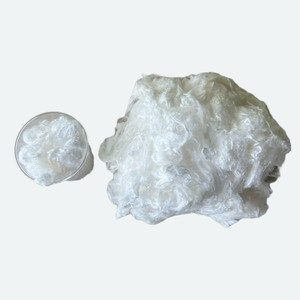
Cellulose concrete fiber is a natural additive made from refined timber pulp. It blends easily right into wet concrete and spreads out equally throughout the mix. This fiber helps reduce early-age fracturing triggered by drying and shrinking.
Pehea e hana ai
Ke hoʻohui ʻia i ke kaʻa, cellulose fibers hold water inside the mix much longer. This slows down drying and decreases the chance of splits developing while the concrete sets. The fibers additionally develop a network inside the product that stands up to small activities and stress and anxiety. This makes the final product much more secure and sturdy.
Nā mea huna
Better crack control: Minimizes plastic contraction fractures throughout curing.
Easier to make use of: ʻAʻole pono nā mea hana kūikawā– just add throughout mixing.
All-natural and secure: Made from eco-friendly resources and safe.
Enhanced surface quality: Aids generate smoother completed with fewer surface area problems.
Kahi e hoʻohana ai
This fiber functions well in several common applications. Use it in pieces, alahele, nā ala kaʻa, stucco, pana pana, a me nā ʻano precast. It is particularly helpful where thin areas or large surface areas are subjected to quick drying problems.
Exactly how to Apply
Hoʻokomo cellulose concrete fiber straight to the mixer with other dry components. Mix for at least 3– 5 minutes to make sure also circulation. Nā papa helu maʻamau mai 0.5 i 1.5 extra pounds per cubic lawn of concrete, depending upon the task needs. Constantly adhere to the manufacturer’s instructions for finest results.
Ka mālama ʻana a me ka mālama ʻana
Maintain the fiber in a dry, awesome place. Shop bags off the ground and far from dampness. Use tidy tools when handling to stay clear of contamination. The item has a long shelf life if kept sealed and dry.

Applications of Concrete Additive Cellulose Concrete Fiber to Improve Crack Resistance of Concrete
Increase Concrete Sturdiness with Cellulose Fibers
Why Cracks Happen in Concrete
Concrete is strong under pressure however weak when pulled or bent. As it dries, reduces, or faces temperature modifications, small splits frequently show up. These fractures let water and chemicals get inside, which can weaken the structure over time.
Exactly How Cellulose Fibers Help
Including cellulose concrete fibers to the mix assists quit these splits from creating. The fibers are little, natural hairs blended right into the damp concrete. They spread equally and hold the product with each other as it sets and solidifies. This makes the concrete more adaptable and much better able to deal with anxiety without breaking.
Trick advantages of using cellulose fibers include:
– Minimized early-age splitting during curing
– Better resistance to shrinkage forces
– Boosted surface strength and impact toughness
– Improved long-term longevity
Unlike artificial options, cellulose fibers originate from eco-friendly plant sources. They damage down securely gradually without hurting the setting. I ka manawa like, they do their task well during the crucial beginning of concrete solidifying– when most fractures start.
Where to Utilize Them
Cellulose fibers work well in many typical concrete applications. E ʻike ʻoe iā lākou ma nā ala, nā ala kaʻa, ʻāpana, stucco, a me ka panapana. They’re especially helpful where slim areas or huge area are revealed to drying out or thermal activity. Home builders and service providers choose them due to the fact that they’re easy to mix, require no unique tools, and expense less than several alternatives.
Simply add the advised amount to your set, mix as usual, and place the concrete usually. No extra actions are needed. The result is a smoother finish with less surface imperfections and more powerful performance from the first day.
ʻO ka moʻolelo o ka hui
ʻO mākou ke alakaʻi o ka honua i nā ʻenehana māmā a me nā hoʻonā ʻenehana i hana ʻia. ʻIke ʻia ma ka honua holoʻokoʻa no kāna kūpaʻa i ka noiʻi, mea hou, a me ka ʻike noiʻi, ke hāʻawi nei mākou i nā hoʻonā ʻenehana i hana ʻia mai ka makahiki 2012.
Hiki iā mākou ke hāʻawi aku i ka hoʻohui ʻana i nā mea hoʻohui kiʻekiʻe kiʻekiʻe a me nā huahana pili i ka foam concrete a puni ka honua.
He keʻena ʻenehana ʻoihana a me ka ʻoihana kiaʻi maikaʻi ka hui, he hale hana i hoolako pono ia, a hoʻolako ʻia me nā lako hoʻāʻo kiʻekiʻe a me ke kikowaena lawelawe mea kūʻai aku ma hope o ke kūʻai aku.
Inā hoihoi ʻoe, e ʻoluʻolu a e hoʻokaʻaʻike mai iā mākou.
Uku
T/T, Hui Komohana, Paypal, Kāleka ʻaiʻē etc.
Hoʻouna
Ma ka lewa, ma ke kai, ma ka hoike, e like me ke noi a nā mea kūʻai aku.
5 FAQs of Concrete Additive Cellulose Concrete Fiber to Improve Crack Resistance of Concrete
Frequently Asked Questions About Cellulose Concrete Fiber
What is cellulose concrete fiber?
Cellulose concrete fiber is a natural additive made from plant-based materials. It mixes into concrete to help reduce cracking. The fibers are fine and evenly spread throughout the mix.
How does it improve crack resistance?
Ke maloʻo ka lāʻau, emi a hiki ke pohā. Cellulose fibers hold the mix together during this process. They create a network inside the concrete that stops small cracks from growing bigger.
Is it easy to use in regular concrete mixes?
ʻAe. You can add cellulose fiber the same way you add other dry ingredients. ʻAʻole pono nā mea hana kūikawā a me nā ʻanuʻu. Just mix it well so the fibers spread evenly.
Does it affect the strength of concrete?
It does not lower concrete strength. I ka ʻoiaʻiʻo, it helps keep the surface more intact over time. While it won’t replace steel reinforcement, it boosts durability against early-age cracks.
Hiki ke hoʻohana i waho?
ʻAe. Cellulose concrete fiber works well in outdoor slabs, nā ala kaʻa, alanui alanui, and patios. It handles weather changes better because it reduces surface cracking caused by drying or temperature shifts. The fibers stay stable and do not break down quickly in normal conditions.
NOI I KA PALAPALA
NA HUAKAI PILI

High temperature carbon fiber concrete castable mortar refractory concrete for precast furnace parts
Factory Hot Ceramic Fiber Board for Industry Plant Cement Kiln and Fireplace Oven Insulation Panel
Modern Fire Resistant Concrete Fiber Board Light Weight Fire Resistant Board Fire Proof Waterproof Gypsum Board
ʻO ka hale hana ʻo Polypropylene Pp Fiber Cement Synthetic Polypropylene Fiber RDP HPMC PCE PVA Powder Concrete Additive for Concrete

ʻO ka hana maikaʻi loa Refractory Ceramic Fiber Board 1400C High Zirconium Type Fireproof Ceramic Fiber Wool Papa