Overview of Concrete Fiber Micro Synthetic Fiber Mesh Fibrillated
No ke kū'ē kiʻekiʻe, hāʻawi mākou i nā Fiber Steel, kahi mea hoʻololi kūpono no ka uwea welded mesh ma nā papahele ʻoihana a me nā mea hoʻolei mua. Hāʻawi pū mākou i nā Structural Synthetic Fibers kūikawā e hāʻawi ana i ka ikaika tensile kiʻekiʻe no nā noi noi.. Hoʻopuehu like ʻia kēia mau fiber i loko o ka hui ʻana, ka hoʻokumu ʻana i kahi pūnaewele hoʻoikaika nui i hiki ʻole ke hoʻokō i nā ʻano kuʻuna. Hoʻomaʻamaʻa kēia ʻano hoʻohui i ke kūkulu ʻana, hoʻokē hoʻokomo, a hoʻonui i ka pono holoʻokoʻa a me ka lōʻihi o ka lāʻau, hāʻawi ʻana i kahi pane hou i nā pilikia o ka wā kahiko a me ka lōʻihi.
Features of Concrete Fiber Micro Synthetic Fiber Mesh Fibrillated
1. ʻOi aku ka mana o ka māwae a me ka hoʻoikaika ʻana i ka lōʻihi:
ʻO ka hiʻohiʻona nui o kā mākou fibers ko lākou hiki ke hoʻopaʻa i nā micro-cracks ʻelua i hana ʻia i ka wā o ke kūlana plastik a me nā māwae nui aʻe i loko o ke koʻa paʻa.. Hoʻokumu kēia dispersion ʻekolu-dimensional i kahi matrix cohesive ʻoi aku ka pale ʻana i ka hoʻolaha ʻana. ʻO ka pōmaikaʻi pololei, he hōʻemi nui ia i ka ʻāʻī ʻana o ka plastic a me ka laula māwae lōʻihi. Ke alakaʻi nei kēia i ka ʻoi aku ka lōʻihi o ke koʻikoʻi me ka haʻahaʻa haʻahaʻa, ʻo ia ka mea e hoʻonui ai i ke kū'ē i ka wai komo, pōʻino hoʻoheheʻe, a me ka palahu o kekahi kila i hookomoia. ʻO ka hopena he hale me ka lōʻihi o ke ola lawelawe a hoʻemi ʻia nā kumukūʻai mālama.
2. Hoʻonui i ka hopena a me ka pale ʻana i ka abrasion:
Nā pulu, ʻoi aku ke kila a me nā fiber macro synthetic ikaika, hoʻomaikaʻi maikaʻi i ka paʻakikī o ke kaʻa a me ka hana ma hope o ka haki. Lawe lākou a puʻunaue i ka ikehu ma ka hopena a i ʻole ka hoʻouka ʻana. Hāʻawi kēia hiʻohiʻona i ka pōmaikaʻi o kahi ʻili kūpaʻa ʻoi aku ka liʻiliʻi o ka spalling, ʻokiʻoki, a me ka abrasion ma lalo o ke kaʻa nui a i ʻole ka lole mīkini. He waiwai koʻikoʻi kēia no nā papahele ʻoihana, hale kūʻai pavements, a me nā papahana hoʻolālā, e alakaʻi ana i kahi ʻili paʻakikī e mālama i kona kūpaʻa i ka manawa.
3. ʻO ka maikaʻi o ke kūkulu ʻana a me ka mālama kālā:
ʻO kahi hiʻohiʻona nui o ka hoʻohana ʻana i ka fiber reinforcement ʻo ka hoʻopau ʻana i ka uwea welded mesh (WWF) i nā noi he nui. Hāʻawi kēia i nā pōmaikaʻi nui ma ka pūnaewele: maʻalahi ka hoʻokomo, no ka mea, ʻaʻohe mesh e hoʻonohonoho ʻia a hiki ke hoʻoneʻe ʻia, a hoʻokēʻai i ke kaʻina hana holoʻokoʻa. Ma ka wehe ʻana i kahi hana koʻikoʻi, ʻike nā papahana i ka hōʻemi ʻana i nā kumukūʻai hana a me ka wikiwiki o ka manawa papahana. ʻO ka hāʻawi like ʻana o nā fibers e hōʻoiaʻiʻo i ka hoʻoikaika paʻa ʻana ma ka ʻāpana koneki holoʻokoʻa, like ole mesh, hiki ke waiho pono ole ia, alakaʻi i ka hana hilinaʻi a wānana.
Specification of Concrete Fiber Micro Synthetic Fiber Mesh Fibrillated
Uila Paʻa– Micro Synthetic Fibrillated Mesh
He aha ia
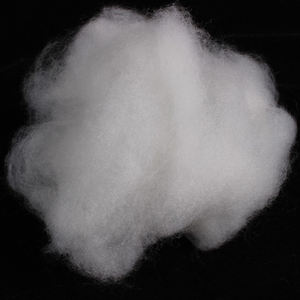
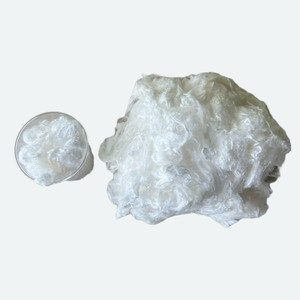
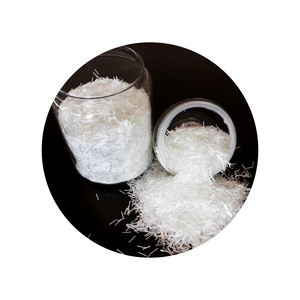
This item is a micro synthetic fiber made from 100% polypropylene It has a fibrillated framework, which suggests it splits right into several fine filaments when mixed into concrete. These little strands spread out uniformly through the mix and assistance hold the product with each other.
No ke aha e hoʻohana ai
Adding this fiber to concrete minimizes splitting triggered by shrinkage during drying out. It also enhances impact resistance and helps manage plastic shrinking splits that create prior to the concrete hardens. The fibers do not corrosion or rust, so they last as long as the concrete itself.
Pehea e hana ai
When you blend the fibers right into damp concrete, they spread promptly and evenly. Their fibrillated design produces a three-dimensional network inside the mix. This network holds the concrete fragments with each other, also under stress and anxiety. No laila, the end product reveals much better strength and longevity.
Key Inclues
Mea waiwai: 100% polypropylene. Nui: ʻO ka mea maʻamau 6 mm i 19 mm Kumukuai Dose: ʻO ka maʻamau 0.6 kg i 1.2 kg no ka mita kubiko o ke koki Malu:Light gray or beige Alkali Resistance:Fully immune to the high pH environment of concrete
Kahi e hoʻohana ai
This fiber functions well in slabs, nā paepae, nā mea hana mua, pana pana, a me nā noi stucco. It is suitable for jobs where fracture control and improved surface integrity issue the majority of. Specialists usually pick it for household floors, nā ala kaʻa, nā ala hele wāwae, and industrial stockroom pieces.
Taking care of and Mixing Add the fibers directly right into the concrete mixer throughout batching. ʻAʻole pono nā mea hana kūikawā. Mix for at least five mins to ensure full dispersion. The fibers will certainly not sphere up or clump if mixed correctly. Constantly comply with standard security techniques when managing dry products.
Concrete Fiber Micro Synthetic Fiber Mesh Fibrillated
Applications of Concrete Fiber Micro Synthetic Fiber Mesh Fibrillated
Applications of Concrete Fiber Micro Synthetic Fiber Mesh Fibrillated
Boosted Fracture Control in Concrete
Micro synthetic fiber mesh fibrillatedis commonly used to minimize early-age breaking in concrete. When blended into fresh concrete, these fibers spread out uniformly and develop a 3D network. This network holds the concrete with each other as it dries out and shrinks. The result is less surface fractures and far better overall integrity.
Improved Durability and Toughness
Concrete with fibrillated mini fibers reveals higher resistance to influence and abrasion. The fibers imitate little supports inside the product. They aid take in energy and decrease crack development. This makes the end product last much longer, particularly in high-traffic or harsh settings.
Usage in Industrial Flooring
Lots of storehouses, hale hana hana, and distribution centers use this fiber in their flooring slabs. It minimizes arbitrary breaking brought on by drying shrinking and thermal changes. Professionals likewise find it less complicated to put and end up due to the fact that the fibers do not interfere with troweling or screeding.
Ideal for Shotcrete and Precast Components
The fibers work well in shotcrete applications, such as tunnel cellular linings and slope stabilization. They improve cohesion and decrease rebound during spraying. In precast concrete products– like pipes, nā panela, a me nā poloka– the fibers add consistent reinforcement without additional labor or steel placement.
Residential and Commercial Projects
Builders use fibrillated mini artificial fibers in driveways, alanui alanui, patio areas, a me nā papa lalo. Home owners benefit from smoother surfaces and much less upkeep over time. For business buildings, the fibers support thinner slabs and faster building schedules.
Easy to Mix and Handle
These fibers mix conveniently right into common concrete mixes using routine batching equipment. No unique tools or procedures are needed. They do not glob when correctly dosed, and they do not influence the workability of the mix if included correctly.
ʻO ka moʻolelo o ka hui
ʻO mākou ke alakaʻi o ka honua i nā ʻenehana māmā a me nā hoʻonā ʻenehana i hana ʻia. ʻIke ʻia ma ka honua holoʻokoʻa no kāna kūpaʻa i ka noiʻi, mea hou, a me ka ʻike noiʻi, ke hāʻawi nei mākou i nā hoʻonā ʻenehana i hana ʻia mai ka makahiki 2012.
Hiki iā mākou ke hāʻawi aku i ka hoʻohui ʻana i nā mea hoʻohui kiʻekiʻe kiʻekiʻe a me nā huahana pili i ka foam concrete a puni ka honua.
He keʻena ʻenehana ʻoihana a me ka ʻoihana kiaʻi maikaʻi ka hui, he hale hana i hoolako pono ia, a hoʻolako ʻia me nā lako hoʻāʻo kiʻekiʻe a me ke kikowaena lawelawe mea kūʻai aku ma hope o ke kūʻai aku.
Inā hoihoi ʻoe, e ʻoluʻolu a e hoʻokaʻaʻike mai iā mākou.
Uku
T/T, Hui Komohana, Paypal, Kāleka ʻaiʻē etc.
Hoʻouna
Ma ka lewa, ma ke kai, ma ka hoike, e like me ke noi a nā mea kūʻai aku.
5 FAQs of Concrete Fiber Micro Synthetic Fiber Mesh Fibrillated
What is Concrete Fiber Micro Synthetic Fiber Mesh Fibrillated?
Concrete Fiber Micro Synthetic Fiber Mesh Fibrillated he ʻano hoʻoikaika paʻa i hoʻohana ʻia i loko o ke koneki. It is made from polypropylene or similar synthetic materials. The fibers are split into many fine strands during manufacturing. This creates a mesh-like structure that helps hold the concrete together.
No ke aha e hoʻohui ai i kēia fiber i ke kaʻa?
This fiber reduces cracking in fresh and hardened concrete. It controls plastic shrinkage cracks that form while the concrete dries. The fibers also improve impact resistance and durability. They help the concrete stay intact even under stress or sudden loads.
How is it mixed into concrete?
You add the fibers directly to the concrete mixer. Mix them with the other ingredients like cement, wai, one, a hui. Make sure the mixing time is long enough so the fibers spread evenly. Good dispersion prevents clumping and ensures full performance.
Hoʻololi ia i ka hoʻoikaika kila?
ʻAʻole.This fiber does not replace steel rebar or welded wire mesh in structural applications. Hana ia ma ke ʻano he hoʻoikaika lua. Its main job is to control small cracks and boost toughness. Always follow engineering guidelines for primary load-bearing support.
He palekana a maʻalahi hoʻi e hoʻohana?
ʻAe. The fibers are non-toxic and do not corrode. They are lightweight and simple to handle on site. ʻAʻole pono nā mea hana kūikawā a i ʻole ke aʻo ʻana. Just follow standard concrete safety practices like wearing gloves and eye protection. The fibers will not harm workers or the environment when used as directed.