Nā Pākuʻi Paʻa Māmā | Nā ʻĀpana Hoʻohuʻi Kiʻekiʻe no ka Kelepona Kelepona


NA PALAPALA HUA
wehewehe
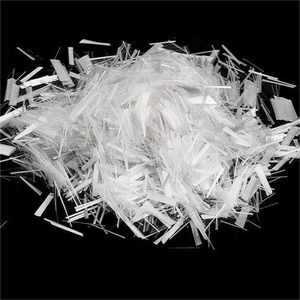
Overview of Glass Fiber Reinforced Concrete PP Polypropylene Fiber Reinforced Concrete
No ke kū'ē kiʻekiʻe, hāʻawi mākou i nā Fiber Steel, kahi mea hoʻololi kūpono no ka uwea welded mesh ma nā papahele ʻoihana a me nā mea hoʻolei mua. Hāʻawi pū mākou i nā Structural Synthetic Fibers kūikawā e hāʻawi ana i ka ikaika tensile kiʻekiʻe no nā noi noi.. Hoʻopuehu like ʻia kēia mau fiber i loko o ka hui ʻana, ka hoʻokumu ʻana i kahi pūnaewele hoʻoikaika nui i hiki ʻole ke hoʻokō i nā ʻano kuʻuna. Hoʻomaʻamaʻa kēia ʻano hoʻohui i ke kūkulu ʻana, hoʻokē hoʻokomo, a hoʻonui i ka pono holoʻokoʻa a me ka lōʻihi o ka lāʻau, hāʻawi ʻana i kahi pane hou i nā pilikia o ka wā kahiko a me ka lōʻihi.
Features of Glass Fiber Reinforced Concrete PP Polypropylene Fiber Reinforced Concrete
1. ʻOi aku ka mana o ka māwae a me ka hoʻoikaika ʻana i ka lōʻihi:
ʻO ka hiʻohiʻona nui o kā mākou fibers ko lākou hiki ke hoʻopaʻa i nā micro-cracks ʻelua i hana ʻia i ka wā o ke kūlana plastik a me nā māwae nui aʻe i loko o ke koʻa paʻa.. Hoʻokumu kēia dispersion ʻekolu-dimensional i kahi matrix cohesive ʻoi aku ka pale ʻana i ka hoʻolaha ʻana. ʻO ka pōmaikaʻi pololei, he hōʻemi nui ia i ka ʻāʻī ʻana o ka plastic a me ka laula māwae lōʻihi. Ke alakaʻi nei kēia i ka ʻoi aku ka lōʻihi o ke koʻikoʻi me ka haʻahaʻa haʻahaʻa, ʻo ia ka mea e hoʻonui ai i ke kū'ē i ka wai komo, pōʻino hoʻoheheʻe, a me ka palahu o kekahi kila i hookomoia. ʻO ka hopena he hale me ka lōʻihi o ke ola lawelawe a hoʻemi ʻia nā kumukūʻai mālama.
2. Hoʻonui i ka hopena a me ka pale ʻana i ka abrasion:
Nā pulu, ʻoi aku ke kila a me nā fiber macro synthetic ikaika, hoʻomaikaʻi maikaʻi i ka paʻakikī o ke kaʻa a me ka hana ma hope o ka haki. Lawe lākou a puʻunaue i ka ikehu ma ka hopena a i ʻole ka hoʻouka ʻana. Hāʻawi kēia hiʻohiʻona i ka pōmaikaʻi o kahi ʻili kūpaʻa ʻoi aku ka liʻiliʻi o ka spalling, ʻokiʻoki, a me ka abrasion ma lalo o ke kaʻa nui a i ʻole ka lole mīkini. He waiwai koʻikoʻi kēia no nā papahele ʻoihana, hale kūʻai pavements, a me nā papahana hoʻolālā, e alakaʻi ana i kahi ʻili paʻakikī e mālama i kona kūpaʻa i ka manawa.
3. ʻO ka maikaʻi o ke kūkulu ʻana a me ka mālama kālā:
ʻO kahi hiʻohiʻona nui o ka hoʻohana ʻana i ka fiber reinforcement ʻo ka hoʻopau ʻana i ka uwea welded mesh (WWF) i nā noi he nui. Hāʻawi kēia i nā pōmaikaʻi nui ma ka pūnaewele: maʻalahi ka hoʻokomo, no ka mea, ʻaʻohe mesh e hoʻonohonoho ʻia a hiki ke hoʻoneʻe ʻia, a hoʻokēʻai i ke kaʻina hana holoʻokoʻa. Ma ka wehe ʻana i kahi hana koʻikoʻi, ʻike nā papahana i ka hōʻemi ʻana i nā kumukūʻai hana a me ka wikiwiki o ka manawa papahana. ʻO ka hāʻawi like ʻana o nā fibers e hōʻoiaʻiʻo i ka hoʻoikaika paʻa ʻana ma ka ʻāpana koneki holoʻokoʻa, like ole mesh, hiki ke waiho pono ole ia, alakaʻi i ka hana hilinaʻi a wānana.

Specification of Glass Fiber Reinforced Concrete PP Polypropylene Fiber Reinforced Concrete
Specification of Glass Fiber Reinforced Concrete and PP Polypropylene Fiber Reinforced Concrete
Make-up Huahana
Paniki i hoʻoikaikaʻia i ka fiber Glass (GFRC) makes use of alkali-resistant glass fibers mixed right into a cement-based matrix. These fibers give the concrete much better tensile strength and help regulate fracturing. PP Polypropylene Fiber Reinforced Concrete includes artificial polypropylene fibers to typical concrete mix. These fibers are fine, puunaue like ole, and boost impact resistance and toughness.
Mechanical Qualities
Both types reveal boosted performance over ordinary concrete. GFRC offers high flexural stamina and is lighter in weight, making it excellent for architectural panels and thin-shell frameworks. PP fiber concrete does not dramatically increase strength yet minimizes plastic contraction fractures during early healing. It also improves sturdiness and resistance to sudden tons.
Nā noi
GFRC is often utilized for ornamental exteriors, cladding panels, kuʻekuʻe kiʻekiʻe, and complex precast elements where design flexibility issues. PP fiber strengthened concrete fits industrial floorings, alanui alanui, nā laina alahele, and domestic pieces– places where crack control and long-term longevity are vital.
Installation and Handling
GFRC needs competent handling as a result of its thin areas and unique mix style. It is normally cast in mold and mildews and healed under controlled problems. PP fiber concrete can be placed utilizing conventional techniques like pouring or pumping. No significant changes to normal concrete methods are needed. The fibers spread quickly and do not sphere up if mixed effectively.
Toughness and Maintenance
GFRC stands up to weathering well but needs defense in highly acidic or alkaline settings. PP fibers do not rust and remain stable in damp problems. Both products reduced maintenance costs by restricting crack development and reducing water infiltration. This assists expand life span in harsh climates or high-traffic areas.
Applications of Glass Fiber Reinforced Concrete PP Polypropylene Fiber Reinforced Concrete
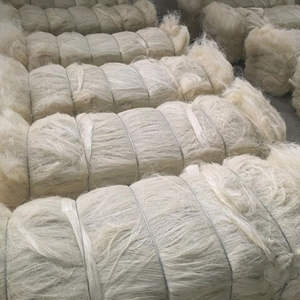
Applications of Glass Fiber Reinforced Concrete and PP Polypropylene Fiber Reinforced Concrete
Where Glass Fiber Reinforced Concrete Works Best
Glass fiber reinforced concrete (GFRC) is light yet solid. Contractors utilize it for wall surfaces, nā panela, and ornamental pieces. It handles stress and anxiety well without fracturing easily. Because it weighs much less than regular concrete, it reduces support needs. That makes it excellent for high buildings or places where weight issues. GFRC additionally withstands weather well, so it lasts long outdoors. You usually see it in constructing exteriors, home window frames, and decorative columns.
Where PP Polypropylene Fiber Reinforced Concrete Suits
PP polypropylene fiber reinforced concrete adds toughness to typical blends. The fibers stop little splits from growing. This type works well in floors, nā ala kaʻa, a me na alanui alanui. It additionally helps in commercial pieces that bring heavy loads. Given that the fibers mix uniformly right into the concrete, they enhance impact resistance. That indicates less repairs over time. Professionals like it because it’s simple to pour and complete like normal concrete.
Choosing In Between the Two
Choose GFRC when you require thin, comprehensive, or light-weight components. It matches tasks concentrated on appearances and form. Go with PP fiber concrete when stamina and fracture control issue most in flat surfaces. It prevails in roadways, hale lalo, and stockroom floorings. Both kinds reduced lasting expenses by lasting longer and needing less upkeep. They also help meet contemporary structure rules that request more secure, a lot more durable materials. Each fits– GFRC for design and type, PP for feature and durability.
Hoʻolauna Hui
Welina mai iā Concrete and More, he mea hoʻolako alakaʻi i nā mea hoʻohui ʻia i ka hana kiʻekiʻe, me kā mākou mea hoʻohaʻahaʻa wai koneki. Me nā makahiki o ka ʻike ma ka mākeke honua, hāʻawi mākou i nā hoʻonā holomua i hoʻolālā ʻia e hoʻomaikaʻi i ka maikaʻi a me ka pono o nā hana kūkulu honua. ʻO kā mākou mau hale hana hou e hōʻoia i nā huahana kiʻekiʻe e kū ana i nā kūlana honua. Haʻaheo mākou iā mākou iho i ka lawelawe kūʻai kūʻokoʻa, kākoʻo ʻenehana, a me nā hāʻina kūpono e hoʻokō i nā pono o ka papahana. E hui pū me mākou no ka hilinaʻi, mea hou, a me ke kumu kūʻai hoʻohui koʻikoʻi e alakaʻi i kāu mau papahana i mua. E ʻimi hou aku ma www.concreteandmore.de/. E kūkulu pū kākou i ka wā e hiki mai ana!
Inā he mau nīnau kāu, e ʻoluʻolu e hoʻokaʻaʻike mai iā mākou.
Uku Uku
T/T, Hui Komohana, Paypal, Kāleka ʻaiʻē etc.
Nā ʻano hoʻouna
Ma ka lewa, ma ke kai, ma ka hoike, e like me ke noi a nā mea kūʻai aku.
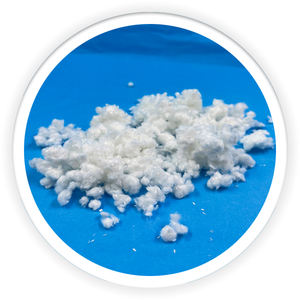
5 FAQs of Glass Fiber Reinforced Concrete PP Polypropylene Fiber Reinforced Concrete
Frequently Asked Questions About Fiber-Reinforced Concrete
What is glass fiber reinforced concrete (GFRC)?
GFRC is a type of concrete that includes fine sand, sima, wai, and alkali-resistant glass fibers. These fibers add strength and flexibility. GFRC is lighter than regular concrete and works well for thin panels, architectural details, and decorative elements.
He aha ka polypropylene (PP) puluniu i hooikaikaia?
PP fiber reinforced concrete uses tiny synthetic polypropylene fibers mixed into the concrete mix. These fibers help control cracking caused by shrinkage during drying. They also improve impact resistance and durability, especially in slabs and pavements.
How do glass fibers and PP fibers differ in performance?
Glass fibers offer higher tensile strength and are often used where appearance and thin sections matter. PP fibers are better at reducing early-age plastic shrinkage cracks and are more cost-effective for general use. Glass fibers can degrade in highly alkaline environments if not treated, while PP fibers resist chemicals well.
Can I use both types of fibers together?
ʻAe. Some projects combine both fibers to get the best of each. Glass fibers boost flexural strength, and PP fibers help with crack control. This mix works well in complex structures needing both surface quality and internal toughness.
Are fiber-reinforced concretes harder to work with?
ʻaʻole naʻe. Both GFRC and PP fiber mixes are placed and finished like normal concrete. You might notice slightly more surface fibers with PP, but proper mixing and finishing reduce this. Always follow manufacturer instructions for dosage and mixing time to avoid clumping or uneven distribution.
NOI I KA PALAPALA
NA HUAKAI PILI
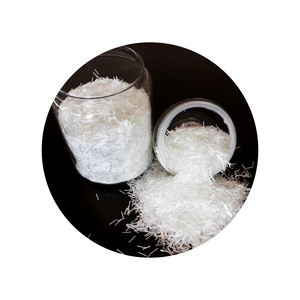
ʻO ka hōʻea hou ʻana maikaʻi maikaʻi ʻia ʻo ka mea hoʻoheheʻe sima maikaʻi i hoʻopaʻa ʻia ʻo Nonwoven Polypropylene Staple Fiber.

ʻO FRP Rebar Corrosion Resistant High Strength Fiberglass Rebar Support Customization
ʻO ka monofilament pulupulu PP no ka hoʻoikaika paʻa 12mm
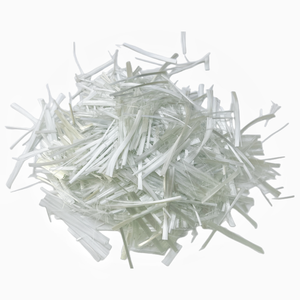
Premium Synthetic Fiber PSF Dual Density Polyester Concrete Fiber for Concrete Chemical Staple Virgin Polyester Fiber
ʻO Zirconia GFRC GRC Fiberglass no ka hoʻohui ʻia ʻana o ka fiber sima