Lightweight Nja Additives | Awọn aṣoju Fọmu Iṣe-giga fun Nja Cellular


Ọja parameters
Apejuwe
Overview of Glass Fiber Reinforced Concrete PP Polypropylene Fiber Reinforced Concrete
Fun ga-ipa resistance, ti a nse Irin Awọn okun, rirọpo pipe fun apapo okun waya welded ni awọn ilẹ ipakà ile-iṣẹ ati awọn eroja ti a ti sọ tẹlẹ. A tun pese awọn Fibers Sintetiki Igbekale pataki ti o funni ni agbara fifẹ giga fun awọn ohun elo ibeere. Awọn wọnyi ni awọn okun ti wa ni iṣọkan tuka jakejado nja illa, ṣiṣẹda nẹtiwọọki imuduro onisẹpo pupọ ti awọn ọna ibile ko le ṣaṣeyọri. Yi ese ona simplifies ikole, accelerates placement, ati ki o mu awọn ìwò iyege ati longevity ti awọn nja, pese idahun ode oni si jija ti ọjọ-ori ati awọn italaya agbara.
Features of Glass Fiber Reinforced Concrete PP Polypropylene Fiber Reinforced Concrete
1. Iṣakoso Crack ti o ga julọ ati Imudara Imudara:
Ẹya akọkọ ti awọn okun wa ni agbara wọn lati ṣe afara mejeeji awọn dojuijako micro-cracks ti o dagba lakoko ipo ṣiṣu ati awọn dojuijako nla ni kọnkiti lile.. Pipin onisẹpo onisẹpo mẹta yii ṣẹda matrix isokan diẹ sii ti o tako itankale kiraki. Anfaani taara jẹ idinku pataki ninu jija ṣiṣu isunki mejeeji ati iwọn kiraki igba pipẹ. Eleyi nyorisi kan Elo diẹ ti o tọ nja pẹlu kekere permeability, eyi ti o ni Tan mu resistance si omi ingress, di-thaw bibajẹ, ati ipata ti eyikeyi ifibọ irin. Abajade jẹ eto pẹlu igbesi aye iṣẹ to gun ati awọn idiyele itọju dinku.
2. Ikolu ti o pọ si ati Resistance Abrasion:
Awọn okun, paapa irin ati ki o logan sintetiki Makiro awọn okun, bosipo mu awọn nja ká toughness ati ranse si-crack iṣẹ. Wọn fa ati pinpin agbara lori ipa tabi ikojọpọ. Ẹya ara ẹrọ yii n pese anfani ti aaye ti o ni atunṣe diẹ sii ti o kere si itọpa, chipping, ati abrasion labẹ eru ijabọ tabi darí yiya. Eyi jẹ anfani pataki fun awọn ilẹ ipakà ile-iṣẹ, ile ise pavements, ati amayederun ise agbese, ti o yori si aaye ti o ni wiwọ lile ti o ṣetọju iduroṣinṣin rẹ ni akoko pupọ.
3. Ṣiṣe Ikole ati Awọn ifowopamọ iye owo:
Ẹya bọtini kan ti lilo imuduro okun ni imukuro ti apapo waya welded (WWF) ni ọpọlọpọ awọn ohun elo. Eyi pese awọn anfani nla lori aaye: o simplifies placement, bi ko si apapo lati wa ni ṣeto soke tabi oyi nipo, ati awọn ti o accelerates gbogbo ikole ilana. Nipa yiyọ igbese-lekoko kan laala, ise agbese wo dinku laala owo ati yiyara ise agbese timelines. Pipin iṣọkan ti awọn okun tun ṣe idaniloju imuduro ibamu jakejado gbogbo apakan nja, ko apapo, eyi ti o le wa ni aibojumu gbe, yori si siwaju sii gbẹkẹle ati ki o asọtẹlẹ išẹ.

Specification of Glass Fiber Reinforced Concrete PP Polypropylene Fiber Reinforced Concrete
Specification of Glass Fiber Reinforced Concrete and PP Polypropylene Fiber Reinforced Concrete
Ọja Ṣe-soke
Gilasi Okun Imudara Nja (GFRC) makes use of alkali-resistant glass fibers mixed right into a cement-based matrix. These fibers give the concrete much better tensile strength and help regulate fracturing. PP Polypropylene Fiber Reinforced Concrete includes artificial polypropylene fibers to typical concrete mix. Awọn okun wọnyi dara, uniformly distributed, and boost impact resistance and toughness.
Mechanical Qualities
Both types reveal boosted performance over ordinary concrete. GFRC offers high flexural stamina and is lighter in weight, making it excellent for architectural panels and thin-shell frameworks. PP fiber concrete does not dramatically increase strength yet minimizes plastic contraction fractures during early healing. It also improves sturdiness and resistance to sudden tons.
Awọn ohun elo
GFRC is often utilized for ornamental exteriors, cladding panels, counter gbepokini, and complex precast elements where design flexibility issues. PP fiber strengthened concrete fits industrial floorings, awọn ọna opopona, awọn ila ila, and domestic pieces– places where crack control and long-term longevity are vital.
Installation and Handling
GFRC needs competent handling as a result of its thin areas and unique mix style. It is normally cast in mold and mildews and healed under controlled problems. PP fiber concrete can be placed utilizing conventional techniques like pouring or pumping. No significant changes to normal concrete methods are needed. The fibers spread quickly and do not sphere up if mixed effectively.
Toughness ati Itọju
GFRC stands up to weathering well but needs defense in highly acidic or alkaline settings. PP fibers do not rust and remain stable in damp problems. Both products reduced maintenance costs by restricting crack development and reducing water infiltration. This assists expand life span in harsh climates or high-traffic areas.
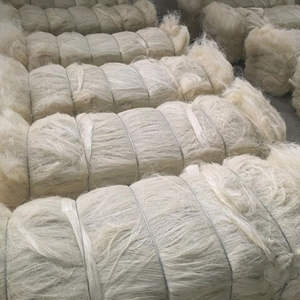
Applications of Glass Fiber Reinforced Concrete PP Polypropylene Fiber Reinforced Concrete
Applications of Glass Fiber Reinforced Concrete and PP Polypropylene Fiber Reinforced Concrete
Where Glass Fiber Reinforced Concrete Works Best
Glass fiber reinforced concrete (GFRC) is light yet solid. Awọn kontirakito lo o fun awọn dada ogiri, paneli, and ornamental pieces. It handles stress and anxiety well without fracturing easily. Because it weighs much less than regular concrete, it reduces support needs. That makes it excellent for high buildings or places where weight issues. GFRC additionally withstands weather well, so it lasts long outdoors. You usually see it in constructing exteriors, home window frames, and decorative columns.
Where PP Polypropylene Fiber Reinforced Concrete Suits
PP polypropylene fiber reinforced concrete adds toughness to typical blends. The fibers stop little splits from growing. This type works well in floors, awọn ọna opopona, ati awọn ọna opopona. It additionally helps in commercial pieces that bring heavy loads. Given that the fibers mix uniformly right into the concrete, they enhance impact resistance. That indicates less repairs over time. Professionals like it because it’s simple to pour and complete like normal concrete.
Choosing In Between the Two
Choose GFRC when you require thin, comprehensive, or light-weight components. It matches tasks concentrated on appearances and form. Go with PP fiber concrete when stamina and fracture control issue most in flat surfaces. It prevails in roadways, awọn ipilẹ ile, and stockroom floorings. Both kinds reduced lasting expenses by lasting longer and needing less upkeep. They also help meet contemporary structure rules that request more secure, a lot more durable materials. Each fits– GFRC for design and type, PP for feature and durability.
Ile-iṣẹ Ifihan
Kaabo si Nja ati Die e sii, a asiwaju olupese ti ga-išẹ nja admixtures, pẹlu wa Ere nja omi idinku. Pẹlu awọn ọdun ti iriri ni ọja agbaye, ti a nse to ti ni ilọsiwaju solusan še lati mu awọn didara ati ṣiṣe ti ikole ise agbese agbaye. Awọn ile-iṣẹ iṣelọpọ ipo-ti-aworan wa ni idaniloju awọn ọja ti o ga julọ ti o ni ibamu pẹlu awọn iṣedede agbaye. A igberaga ara wa lori exceptional onibara iṣẹ, oluranlowo lati tun nkan se, ati awọn solusan ti a ṣe deede lati pade awọn iwulo iṣẹ akanṣe. Ṣe alabaṣepọ pẹlu wa fun igbẹkẹle, aseyori, ati iye owo-doko nja admixtures ti o wakọ rẹ ise agbese siwaju. Ṣawari diẹ sii ni www.concreteandmore.de/. Jẹ ki a kọ ọjọ iwaju papọ!
Ti o ba ni ibeere eyikeyi, jọwọ lero free lati kan si wa.
Awọn ọna isanwo
T/T, Western Union, Paypal, Kaadi Kirẹditi ati bẹbẹ lọ.
Awọn ọna gbigbe
Nipa afẹfẹ, nipa okun, nipa kiakia, bi awọn onibara beere.
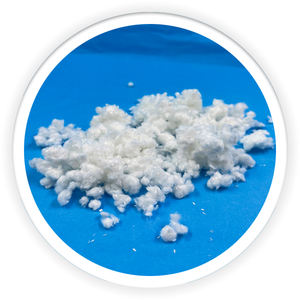
5 FAQs of Glass Fiber Reinforced Concrete PP Polypropylene Fiber Reinforced Concrete
Frequently Asked Questions About Fiber-Reinforced Concrete
What is glass fiber reinforced concrete (GFRC)?
GFRC is a type of concrete that includes fine sand, simenti, omi, ati alkali-sooro gilasi awọn okun. These fibers add strength and flexibility. GFRC is lighter than regular concrete and works well for thin panels, architectural details, ati ohun ọṣọ eroja.
Kini polypropylene (PP) fiber reinforced concrete?
PP fiber reinforced concrete uses tiny synthetic polypropylene fibers mixed into the concrete mix. These fibers help control cracking caused by shrinkage during drying. They also improve impact resistance and durability, especially in slabs and pavements.
How do glass fibers and PP fibers differ in performance?
Glass fibers offer higher tensile strength and are often used where appearance and thin sections matter. PP fibers are better at reducing early-age plastic shrinkage cracks and are more cost-effective for general use. Glass fibers can degrade in highly alkaline environments if not treated, while PP fibers resist chemicals well.
Can I use both types of fibers together?
Bẹẹni. Some projects combine both fibers to get the best of each. Glass fibers boost flexural strength, and PP fibers help with crack control. This mix works well in complex structures needing both surface quality and internal toughness.
Are fiber-reinforced concretes harder to work with?
Be ko. Both GFRC and PP fiber mixes are placed and finished like normal concrete. You might notice slightly more surface fibers with PP, but proper mixing and finishing reduce this. Always follow manufacturer instructions for dosage and mixing time to avoid clumping or uneven distribution.
BERE ORO
Awọn ọja ti o jọmọ
Fiberglass Rebar Machine Produce High Quality Glass Fiber Rebars

Best Performance Refractory Ceramic Fiber Board 1400C High Zirconium Type Fireproof Ceramic Fiber Wool Board
Hongshengyuan Didara to gaju Polypropylene Fiber Agbara giga-Agbodiyan-kikan Ilé Ohun elo Okun Awọn iṣẹ Iṣẹ iṣelọpọ Okun

Imudara Ikole Nja Erogba Nja Okun ati Epoxy Resini Erogba Fabric
Whole Fiberglass Roving for Glass Fiber Reinforced Concrete Panel AR Fiberglass Chopped Strands