


Nā Pākuʻi Paʻa Māmā | Nā ʻĀpana Hoʻohuʻi Kiʻekiʻe no ka Kelepona Kelepona


NA PALAPALA HUA
wehewehe
Overview of Concrete Fiberglass Mesh Concrete Fiber for Concrete Fiberglass Fabric
No ke kū'ē kiʻekiʻe, hāʻawi mākou i nā Fiber Steel, kahi mea hoʻololi kūpono no ka uwea welded mesh ma nā papahele ʻoihana a me nā mea hoʻolei mua. Hāʻawi pū mākou i nā Structural Synthetic Fibers kūikawā e hāʻawi ana i ka ikaika tensile kiʻekiʻe no nā noi noi.. Hoʻopuehu like ʻia kēia mau fiber i loko o ka hui ʻana, ka hoʻokumu ʻana i kahi pūnaewele hoʻoikaika nui i hiki ʻole ke hoʻokō i nā ʻano kuʻuna. Hoʻomaʻamaʻa kēia ʻano hoʻohui i ke kūkulu ʻana, hoʻokē hoʻokomo, a hoʻonui i ka pono holoʻokoʻa a me ka lōʻihi o ka lāʻau, hāʻawi ʻana i kahi pane hou i nā pilikia o ka wā kahiko a me ka lōʻihi.
Features of Concrete Fiberglass Mesh Concrete Fiber for Concrete Fiberglass Fabric
1. ʻOi aku ka mana o ka māwae a me ka hoʻoikaika ʻana i ka lōʻihi:
ʻO ka hiʻohiʻona nui o kā mākou fibers ko lākou hiki ke hoʻopaʻa i nā micro-cracks ʻelua i hana ʻia i ka wā o ke kūlana plastik a me nā māwae nui aʻe i loko o ke koʻa paʻa.. Hoʻokumu kēia dispersion ʻekolu-dimensional i kahi matrix cohesive ʻoi aku ka pale ʻana i ka hoʻolaha ʻana. ʻO ka pōmaikaʻi pololei, he hōʻemi nui ia i ka ʻāʻī ʻana o ka plastic a me ka laula māwae lōʻihi. Ke alakaʻi nei kēia i ka ʻoi aku ka lōʻihi o ke koʻikoʻi me ka haʻahaʻa haʻahaʻa, ʻo ia ka mea e hoʻonui ai i ke kū'ē i ka wai komo, pōʻino hoʻoheheʻe, a me ka palahu o kekahi kila i hookomoia. ʻO ka hopena he hale me ka lōʻihi o ke ola lawelawe a hoʻemi ʻia nā kumukūʻai mālama.
2. Hoʻonui i ka hopena a me ka pale ʻana i ka abrasion:
Nā pulu, ʻoi aku ke kila a me nā fiber macro synthetic ikaika, hoʻomaikaʻi maikaʻi i ka paʻakikī o ke kaʻa a me ka hana ma hope o ka haki. Lawe lākou a puʻunaue i ka ikehu ma ka hopena a i ʻole ka hoʻouka ʻana. Hāʻawi kēia hiʻohiʻona i ka pōmaikaʻi o kahi ʻili kūpaʻa ʻoi aku ka liʻiliʻi o ka spalling, ʻokiʻoki, a me ka abrasion ma lalo o ke kaʻa nui a i ʻole ka lole mīkini. He waiwai koʻikoʻi kēia no nā papahele ʻoihana, hale kūʻai pavements, a me nā papahana hoʻolālā, e alakaʻi ana i kahi ʻili paʻakikī e mālama i kona kūpaʻa i ka manawa.
3. ʻO ka maikaʻi o ke kūkulu ʻana a me ka mālama kālā:
ʻO kahi hiʻohiʻona nui o ka hoʻohana ʻana i ka fiber reinforcement ʻo ka hoʻopau ʻana i ka uwea welded mesh (WWF) i nā noi he nui. Hāʻawi kēia i nā pōmaikaʻi nui ma ka pūnaewele: maʻalahi ka hoʻokomo, no ka mea, ʻaʻohe mesh e hoʻonohonoho ʻia a hiki ke hoʻoneʻe ʻia, a hoʻokēʻai i ke kaʻina hana holoʻokoʻa. Ma ka wehe ʻana i kahi hana koʻikoʻi, ʻike nā papahana i ka hōʻemi ʻana i nā kumukūʻai hana a me ka wikiwiki o ka manawa papahana. ʻO ka hāʻawi like ʻana o nā fibers e hōʻoiaʻiʻo i ka hoʻoikaika paʻa ʻana ma ka ʻāpana koneki holoʻokoʻa, like ole mesh, hiki ke waiho pono ole ia, alakaʻi i ka hana hilinaʻi a wānana.

Specification of Concrete Fiberglass Mesh Concrete Fiber for Concrete Fiberglass Fabric
Concrete Fiberglass Mesh– High-Performance Reinforcement for Modern Building And Construction
Ikaika, Mau loa, and Easy to Use
Concrete fiberglass fit together is a trusted support material used in concrete and stucco applications. It helps protect against fractures, includes tensile strength, and improves total toughness. Made from woven alkali-resistant glass fibers and covered with a protective polymer, this mesh stands well versus dampness, kemika, and long-lasting wear.
The mesh is available in rolls or sheets and fits easily into wall surfaces, nā papahele, and exterior surfaces. Its open weave style lets mortar or concrete flow through uniformly, creating a solid bond. This makes installation quick and dependable– no unique devices are required.
Trick Attributes:
– Alkali-resistant fiberglass threads for lengthy life in cement-based settings
– Attire grid pattern makes sure constant performance
– Lightweight yet strong– adds assistance without additional weight
– Versatile sufficient to adhere to contours and corners
– Withstands rot, poʻo, and deterioration
Contractors utilize this mesh in numerous tasks: tile backing, EIFS (Exterior Insulation Finishing Solutions), plaster bases, and concrete overlays. It functions well both inside and outdoors. Since it does not corrosion like steel lath, it maintains its strength with time– even in wet or damp problems.
Nā kikoʻī ʻenehana
Common mesh weights vary from 110 g/m two to 165 g/m ². Common roll sizes consist of 1 meter by 50 mika, however custom-made cuts are available. The mesh fulfills international requirements for alkali resistance (such as EN 1354 and ASTM C1116). Its tensile stamina goes beyond 1,000 N/50mm in both warp and weft directions.
Constantly save the mesh in a dry, protected area prior to usage. Maintain it far from straight sunlight for long periods to keep finishing stability. Ke hoʻohana pono ʻia, concrete fiberglass harmonize provides long lasting performance with very little upkeep.
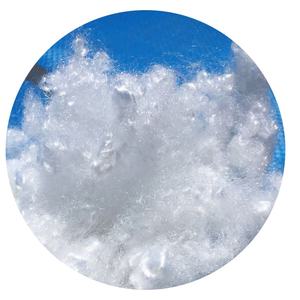
Applications of Concrete Fiberglass Mesh Concrete Fiber for Concrete Fiberglass Fabric
Applications of Concrete Fiberglass Mesh
Why Make Use Of Fiberglass Mesh in Concrete?
Concrete is strong yet can fracture under anxiety. Hoʻohui fiberglass harmonize assists stop cracks from developing and spreading out. This mesh holds the concrete together even when small fractures show up. It makes walls, nā papahele, and other surfaces last much longer.
Usual Makes Use Of in Construction
Building contractors utilize fiberglass mesh in numerous locations. It functions well in stucco systems on outdoors walls. The mesh gives stucco additional stamina so it stands up to weather damage. Individuals additionally utilize it in cement boards for ceramic tile support in shower rooms and kitchens. The mesh quits ceramic tiles from splitting when the structure moves a little.
In flooring projects, fiberglass harmonize goes under self-leveling compounds or thin-set mortars. It keeps the surface area level and quits hairline cracks. No ka mea repair work, workers installed the mesh into patching materials to fix broken concrete. This technique bonds well and mixes efficiently with old surface areas.
Advantages You Can Depend On
Fiberglass mesh does not corrosion like metal. It remains strong even when damp. That makes it perfect for moist locations like basements or showers. The product is likewise light and very easy to reduce. Workers can shape it fast without special tools.
This mesh sticks well to cement-based items. It spreads stress evenly across the surface area. So the ended up job looks clean and stands up gradually. Whether you are constructing brand-new or taking care of old concrete, fiberglass fit together adds actual worth.
Use it indoors or outdoors. It manages warm, chilly, a me ka wai me ka wawahi ole. That’s why experts pick it over and over for reputable outcomes.
ʻO ka moʻolelo o ka hui
ʻO mākou ke alakaʻi o ka honua i nā ʻenehana māmā a me nā hoʻonā ʻenehana i hana ʻia. ʻIke ʻia ma ka honua holoʻokoʻa no kāna kūpaʻa i ka noiʻi, mea hou, a me ka ʻike noiʻi, ke hāʻawi nei mākou i nā hoʻonā ʻenehana i hana ʻia mai ka makahiki 2012.
Hiki iā mākou ke hāʻawi aku i ka hoʻohui ʻana i nā mea hoʻohui kiʻekiʻe kiʻekiʻe a me nā huahana pili i ka foam concrete a puni ka honua.
He keʻena ʻenehana ʻoihana a me ka ʻoihana kiaʻi maikaʻi ka hui, he hale hana i hoolako pono ia, a hoʻolako ʻia me nā lako hoʻāʻo kiʻekiʻe a me ke kikowaena lawelawe mea kūʻai aku ma hope o ke kūʻai aku.
Inā hoihoi ʻoe, e ʻoluʻolu a e hoʻokaʻaʻike mai iā mākou.
Uku
T/T, Hui Komohana, Paypal, Kāleka ʻaiʻē etc.
Hoʻouna
Ma ka lewa, ma ke kai, ma ka hoike, e like me ke noi a nā mea kūʻai aku.
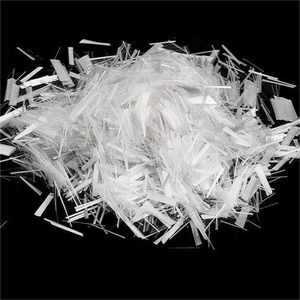
5 FAQs of Concrete Fiberglass Mesh Concrete Fiber for Concrete Fiberglass Fabric
Frequently Asked Questions About Concrete Fiberglass Mesh
What is concrete fiberglass mesh?
Concrete fiberglass mesh is a woven fabric made from alkali-resistant glass fibers. Builders embed it into cement, stucco, or plaster to add strength and prevent cracks. It works like reinforcement inside the material.
Why use fiberglass mesh in concrete?
Fiberglass mesh helps stop small cracks from getting bigger. It holds the concrete together when it shrinks or moves slightly. Hana kēia i nā pā, papahele, and surfaces last longer and look smoother.
Is this mesh strong enough for outdoor use?
ʻAe. The mesh uses special glass fibers that resist damage from moisture, wela, and chemicals in cement. That means it stays strong even outside or in wet areas like bathrooms and basements.
How do you install fiberglass mesh?
Ka mua, apply a layer of base coat like thinset or plaster. Then press the mesh firmly into the wet layer so it sticks well. Make sure pieces overlap by at least 2 iniha. After it dries, add another coat on top to fully cover the mesh.
Can I cut the mesh easily?
ʻAe. You can cut it with regular scissors or a utility knife. It does not fray much, so edges stay neat. Just measure your area first and cut to size before applying.
NOI I KA PALAPALA
NA HUAKAI PILI

Hot Whole Fiberglass Roving Yarn for Concrete Plaster Reinforcement
PP Fiber Kiʻekiʻe polypropylene fiber cellulose ikaika Monofilament PP 12mm no ka hoʻoikaika paʻa ʻana.

Customized Industrial Macro Concrete Fiber Steel Concrete Cracking Toughness with Customized Application
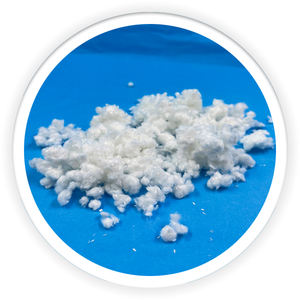
HCS Hollow Conjugated Fibers 100 Pākēneka Polyester Recycled Synthetic Concrete Fiber no ka hoʻohana ʻana

puluniu aniani no ka mea i hooikaikaia,nā kaula i ʻoki ʻia i ka arglass no ke kaʻa,ʻokiʻoki i nā kaula fiberglass no ke kaʻa
