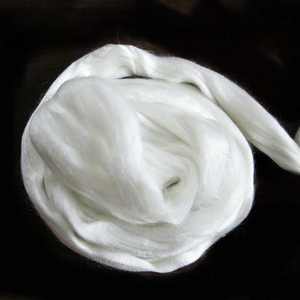
Nā Pākuʻi Paʻa Māmā | Nā ʻĀpana Hoʻohuʻi Kiʻekiʻe no ka Kelepona Kelepona


NA PALAPALA HUA
wehewehe
Overview of Hot Whole Fiberglass Roving Yarn for Concrete Plaster Reinforcement
No ke kū'ē kiʻekiʻe, hāʻawi mākou i nā Fiber Steel, kahi mea hoʻololi kūpono no ka uwea welded mesh ma nā papahele ʻoihana a me nā mea hoʻolei mua. Hāʻawi pū mākou i nā Structural Synthetic Fibers kūikawā e hāʻawi ana i ka ikaika tensile kiʻekiʻe no nā noi noi.. Hoʻopuehu like ʻia kēia mau fiber i loko o ka hui ʻana, ka hoʻokumu ʻana i kahi pūnaewele hoʻoikaika nui i hiki ʻole ke hoʻokō i nā ʻano kuʻuna. Hoʻomaʻamaʻa kēia ʻano hoʻohui i ke kūkulu ʻana, hoʻokē hoʻokomo, a hoʻonui i ka pono holoʻokoʻa a me ka lōʻihi o ka lāʻau, hāʻawi ʻana i kahi pane hou i nā pilikia o ka wā kahiko a me ka lōʻihi.
Features of Hot Whole Fiberglass Roving Yarn for Concrete Plaster Reinforcement
1. ʻOi aku ka mana o ka māwae a me ka hoʻoikaika ʻana i ka lōʻihi:
ʻO ka hiʻohiʻona nui o kā mākou fibers ko lākou hiki ke hoʻopaʻa i nā micro-cracks ʻelua i hana ʻia i ka wā o ke kūlana plastik a me nā māwae nui aʻe i loko o ke koʻa paʻa.. Hoʻokumu kēia dispersion ʻekolu-dimensional i kahi matrix cohesive ʻoi aku ka pale ʻana i ka hoʻolaha ʻana. ʻO ka pōmaikaʻi pololei, he hōʻemi nui ia i ka ʻāʻī ʻana o ka plastic a me ka laula māwae lōʻihi. Ke alakaʻi nei kēia i ka ʻoi aku ka lōʻihi o ke koʻikoʻi me ka haʻahaʻa haʻahaʻa, ʻo ia ka mea e hoʻonui ai i ke kū'ē i ka wai komo, pōʻino hoʻoheheʻe, a me ka palahu o kekahi kila i hookomoia. ʻO ka hopena he hale me ka lōʻihi o ke ola lawelawe a hoʻemi ʻia nā kumukūʻai mālama.
2. Hoʻonui i ka hopena a me ka pale ʻana i ka abrasion:
Nā pulu, ʻoi aku ke kila a me nā fiber macro synthetic ikaika, hoʻomaikaʻi maikaʻi i ka paʻakikī o ke kaʻa a me ka hana ma hope o ka haki. Lawe lākou a puʻunaue i ka ikehu ma ka hopena a i ʻole ka hoʻouka ʻana. Hāʻawi kēia hiʻohiʻona i ka pōmaikaʻi o kahi ʻili kūpaʻa ʻoi aku ka liʻiliʻi o ka spalling, ʻokiʻoki, a me ka abrasion ma lalo o ke kaʻa nui a i ʻole ka lole mīkini. He waiwai koʻikoʻi kēia no nā papahele ʻoihana, hale kūʻai pavements, a me nā papahana hoʻolālā, e alakaʻi ana i kahi ʻili paʻakikī e mālama i kona kūpaʻa i ka manawa.
3. ʻO ka maikaʻi o ke kūkulu ʻana a me ka mālama kālā:
ʻO kahi hiʻohiʻona nui o ka hoʻohana ʻana i ka fiber reinforcement ʻo ka hoʻopau ʻana i ka uwea welded mesh (WWF) i nā noi he nui. Hāʻawi kēia i nā pōmaikaʻi nui ma ka pūnaewele: maʻalahi ka hoʻokomo, no ka mea, ʻaʻohe mesh e hoʻonohonoho ʻia a hiki ke hoʻoneʻe ʻia, a hoʻokēʻai i ke kaʻina hana holoʻokoʻa. Ma ka wehe ʻana i kahi hana koʻikoʻi, ʻike nā papahana i ka hōʻemi ʻana i nā kumukūʻai hana a me ka wikiwiki o ka manawa papahana. ʻO ka hāʻawi like ʻana o nā fibers e hōʻoiaʻiʻo i ka hoʻoikaika paʻa ʻana ma ka ʻāpana koneki holoʻokoʻa, like ole mesh, hiki ke waiho pono ole ia, alakaʻi i ka hana hilinaʻi a wānana.

Specification of Hot Whole Fiberglass Roving Yarn for Concrete Plaster Reinforcement
Warm Whole Fiberglass Roving Thread for Concrete Plaster Support
Nānā Mea
This fiberglass roving yarn is created reinforcing concrete and plaster. It adds toughness and helps quit fractures from forming. The yarn utilizes E-glass fibers, which stand up to alkali well. This makes it safe to use in cement-based mixes.
Hoʻokomo ʻia ka hoʻopunipuni
Kiʻekiʻe tensile stamina: The yarn holds up under tension and keeps the product together.
Alkali resistance: It remains solid also when mixed with damp cement or plaster.
Consistent filament structure: Every hair is consistent, so performance stays steady throughout sets.
Great bonding: It sticks well to seal and plaster, which improves total resilience.
Maʻalahi e hui pū: The yarn spreads evenly in the mix without clumping.
ʻIke ʻenehana
– ʻAno fiber: E-aniani (alkali-resistant).
– Linear density: 2400– 4800 tex.
– Filament diameter: 13– 17 microns.
– Sizing type: Compatible with cementitious systems.
– Mea pulu: emi iho 0.2%.
– Breaking stamina: liʻiliʻi 0.65 N/tex.
Pehea e hoʻohana pono ai
Add the restless yarn during the blending phase. Use a standard mixer to mix it right into the wet plaster or concrete. The advised dose is 0.6– 1.5 kg no ka mika cubic, depending on the work. See to it the mix runs long enough so the fibers expanded fully. Do not add extra water even if fibers are made use of.
Wahi mālama a me ka lawelawe ʻana
Maintain the thread in a completely dry, wahi ʻano. Store it off the floor and far from dampness. Use secured packaging up until you prepare to utilize it. When opened, use the entire bundle not long after to avoid moisture damages. Take care of with gloves to maintain hands tidy and risk-free.

Applications of Hot Whole Fiberglass Roving Yarn for Concrete Plaster Reinforcement
Applications of Hot Whole Fiberglass Roving Yarn in Concrete and Plaster Reinforcement
ʻOi aku ka mana, Māmā I ke Kaumaha, A Lot More Resilient
Warm whole fiberglass roaming yarn is commonly utilized to strengthen concrete and plaster. It includes toughness without including much weight. Builders and designers select it because it aids protect against fractures and enhances long-term performance.
This unique yarn functions well in thin-layer applications like stucco, EIFS (Exterior Insulation and Finish Equipments), a me ka hooponopono ana i na morta. When mixed into plaster or splashed onto surface areas, the fibers bond firmly with the cement matrix. This produces a much more adaptable and impact-resistant coating.
Unlike metal mesh or steel fibers, fiberglass does not rust. That makes it suitable for wet or humid environments. It additionally resists alkali discovered in concrete, so it lasts longer inside concrete frameworks.
Easy to Make Use Of on Site
Specialists locate warm whole fiberglass roaming thread simple to take care of. It blends smoothly into damp mixes without clumping. No added tools are needed– just add it throughout normal blending. The outcome is consistent support throughout the product.
It’s commonly used in precast panels, fiber-reinforced concrete boards, and attractive building aspects. Due to the fact that it’s lightweight, it reduces total structural lots. This can decrease transport and installation costs.
The yarn also boosts fire resistance. Fiberglass does not burn, so it helps meet security standards in industrial and property tasks.
Hoʻomohala ʻia i hope
Products made with this roving yarn reveal far better resistance to shrinking and thermal anxiety. They hold up well over time, even under duplicated weather exposure. That means less fixings and longer service life.
From wall surfaces and ceilings to floors and exteriors, warm entire fiberglass roving thread delivers trusted reinforcement where typical methods fail. It supports modern construction requires with straightforward, reliable efficiency.
ʻO ka moʻolelo o ka hui
ʻO mākou ke alakaʻi o ka honua i nā ʻenehana māmā a me nā hoʻonā ʻenehana i hana ʻia. ʻIke ʻia ma ka honua holoʻokoʻa no kāna kūpaʻa i ka noiʻi, mea hou, a me ka ʻike noiʻi, ke hāʻawi nei mākou i nā hoʻonā ʻenehana i hana ʻia mai ka makahiki 2012.
Hiki iā mākou ke hāʻawi aku i ka hoʻohui ʻana i nā mea hoʻohui kiʻekiʻe kiʻekiʻe a me nā huahana pili i ka foam concrete a puni ka honua.
He keʻena ʻenehana ʻoihana a me ka ʻoihana kiaʻi maikaʻi ka hui, he hale hana i hoolako pono ia, a hoʻolako ʻia me nā lako hoʻāʻo kiʻekiʻe a me ke kikowaena lawelawe mea kūʻai aku ma hope o ke kūʻai aku.
Inā hoihoi ʻoe, e ʻoluʻolu a e hoʻokaʻaʻike mai iā mākou.
Uku
T/T, Hui Komohana, Paypal, Kāleka ʻaiʻē etc.
Hoʻouna
Ma ka lewa, ma ke kai, ma ka hoike, e like me ke noi a nā mea kūʻai aku.

5 FAQs of Hot Whole Fiberglass Roving Yarn for Concrete Plaster Reinforcement
Frequently Asked Questions About Hot Whole Fiberglass Roving Yarn for Concrete Plaster Reinforcement
What is hot whole fiberglass roving yarn used for?
This yarn strengthens concrete and plaster. Builders mix it into wet plaster or concrete before it sets. Kōkua ia i ka pale ʻana i nā māwae. The material works well in walls, papahele, and repair jobs.
Why choose fiberglass over other fibers?
Fiberglass does not rust. It also resists moisture and chemicals. Unlike steel or natural fibers, it stays strong over time. This makes the final surface last longer with less maintenance.
How much yarn should I add to my mix?
Hoʻohana 0.6 i 1.2 kilograms per cubic meter of concrete or plaster. ʻO ka nui pololei e pili ana i nā pono o kāu papahana. ʻAʻole hiki ke kōkua i ka liʻiliʻi. Hiki ke paʻakikī ka hui ʻana i ka nui. Always follow the product guide or ask a technician.
Is it easy to mix into concrete or plaster?
ʻAe. Add the yarn while mixing dry materials. A laila hoʻohui i ka wai e like me ka mea maʻamau. The fibers spread evenly if you mix long enough. Use a standard mixer—no special tools are needed. Make sure all clumps break apart during mixing.
Does it affect the look or finish of the surface?
ʻAʻole. The fibers are fine and blend in well. After the mix dries, the surface looks smooth. You can paint, tile, or coat it like normal. The reinforcement stays hidden but keeps the structure stronger underneath.
NOI I KA PALAPALA
NA HUAKAI PILI
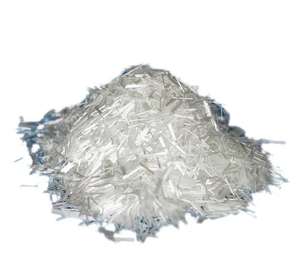
Shine Universe High Quality Fiberglass Rebar High Strength FRP Rebar for Environmentally Friendly Building
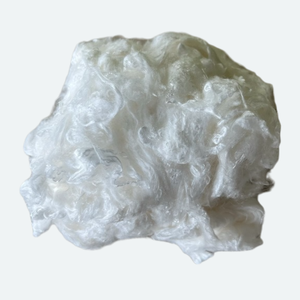
Hoʻohuihui ʻia i ka moka 100% Polyester Micro Fiber
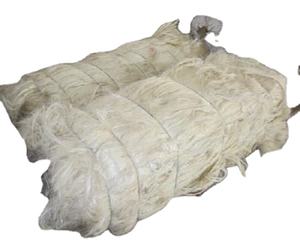
ʻO ka PP Fiber Cement Polypropylene Reinforcing Fiber Concrete Additive Polypropylene Fiber
Polypropylene Fiber PP pulu no ke kaʻa

High Strength Polypropylene Macro Concrete Fiber for Construction and Mortar Reinforcement Concrete Enhancement