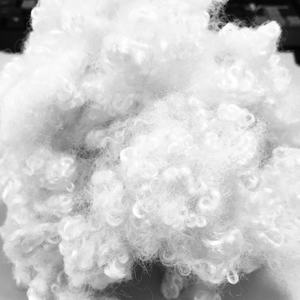
Te mau tao'a tahi mâmâ | Te mau rave'a haaparareraa parau teitei no te cellular concrete


TE MAU PARAMETERS
Tuʻaroʻa
Overview of Hot Whole Fiberglass Roving Yarn for Concrete Plaster Reinforcement
No te pato'iraa rahi, te horo'a nei matou i te mau hu'ahu'a Steel, te hoê monoraa maitai roa no te mau uira arapoa i ni'a i te tahua fare hamaniraa tauihaa e te mau hu'ahu'a. Te horoa atoa nei matou i te mau hu'ahu'a Synthetic taa ê o te horoa i te puai rahi no te mau faaohiparaa fifi. E parare hoê â teie mau hu'ahu'a i roto i te amuiraa sima, te haamauraa i te hoê faanahoraa haapuairaa rahi o te ore e nehenehe e ravehia e te mau rave'a anamua. Na teie faanahoraa taa ê e faaohie i te paturaa, haavitiviti te tuuraa, e te haamaitai i te taiva ore e te oraraa roa o te raima, Te horo'araa i te hoê pahonoraa apî i te mau fifi o te mau fifi tahito e te mau fifi.
Features of Hot Whole Fiberglass Roving Yarn for Concrete Plaster Reinforcement
1. Te faatereraa hau a'e e te vai - maitai - raa:
Te huru matamua o to tatou mau hu'ahu'a, o to ratou ïa aravihi no te faatumu i ni'a i te mau hu'ahu'a iti e tupu mai i roto i te huru hu'ahu'a e te mau hu'ahu'a rahi a'e i roto i te raima. E faatupu teie purara e toru ahu i te hoê matrix taa ê a'e o te pato'i i te parareraa o te mau hu'ahu'a. Te maitai ti'a'tu, o te hoê ïa faaitiraa rahi i te mau hu'ahu'a hu'ahu'a e te rahi o te hu'ahu'a. E faatupu te reira i te hoê raima papû a'e e te iti a'e o te permeability, o te faarahi ïa i te aravihi no te patoi i te pape, Te faainoraa, e te vavahiraa o te mau fetia atoa. Te faahopearaa, o te hoê ïa haamauraa e oraraa taviniraa roa a'e e te haamau'araa iti a'e.
2. Te faarahiraa o te mau faahopearaa e te patoiraa i te abrasion:
Te mau hu'ahu'a, i te pae iho â râ o te mau hu'ahu'a macro e te mau hu'ahu'a macro, ia haamaitai rahi i te etaeta o te raima e te ha'utiraa i muri mai i te reira. E huti ratou e e opere ratou i te ito i muri a'e i te mau faahopearaa aore ra te mau hopoia. E horoa teie huru i te maitai o te hoê mata etaeta a'e o te ore e nehenehe e vavahi, chipping, e te vavahiraa i raro a'e i te pereoo uira rahi aore ra i te mau ahu matini. E tuhaa faufaa roa teie no te mau tahua hamaniraa tauihaa, Te mau purumu no te fare vairaa tauihaa, e te mau opuaraa paturaa, e arata'i atu i ni'a i te hoê vahi etaeta a'e o te tape'a i to'na haapa'o maitai i te roaraa o te taime.
3. Te aravihi no te paturaa i te fare e te haaputuputuraa moni:
Te hoê tuhaa rahi o te faaohiparaa i te mau hu'ahu'a, o te faaoreraa ïa i te mau arapoa (WWF) i roto i te mau faaohiparaa e rave rahi. E horo'a te reira i te mau maitai rahi i ni'a i te tahua itenati: te faaohie nei te reira i te tuuraa, no te mea ho'i e, aita e upe'a no te haamau e aore râ, no te faaru'e, e te haavitiviti te reira i te taatoaraa o te ohipa paturaa. Na roto i te iritiraa i te hoê taahiraa ohipa rahi, Te ite nei te mau opuaraa i te mau haamâu'araa no te ohipa e te mau taime vitiviti a'e. Te haapapu atoa ra te tufaraa hoê â o te mau hu'ahu'a i te hoê haapuairaa tamau i roto i te tuhaa raima taatoa, taa ê atu i te mesh, o te nehenehe e tuuhia i nia i te vahi tano ore, e arata'i atu i te hoê ha'utiraa e ti'aturihia a'e e e nehenehe e tohuhia.

Specification of Hot Whole Fiberglass Roving Yarn for Concrete Plaster Reinforcement
Warm Whole Fiberglass Roving Thread for Concrete Plaster Support
Hi'opo'a i te tumu parau
This fiberglass roving yarn is created reinforcing concrete and plaster. It adds toughness and helps quit fractures from forming. The yarn utilizes E-glass fibers, which stand up to alkali well. This makes it safe to use in cement-based mixes.
Te vai ra i roto i te Trick
Te itoito rahi: The yarn holds up under tension and keeps the product together.
Te patoiraa i te alkali: It remains solid also when mixed with damp cement or plaster.
Consistent filament structure: Every hair is consistent, so performance stays steady throughout sets.
Great bonding: It sticks well to seal and plaster, which improves total resilience.
Mea ohie roa ia ano'i: The yarn spreads evenly in the mix without clumping.
Te mau haamaramaramaraa no ni'a i te rave'a aravihi
– Te huru o te fiber: E-ti'o (te pato'i i te alkali).
– Linear density: 2400– 4800 tex.
– Filament diameter: 13– 17 microns.
– Sizing type: Compatible with cementitious systems.
– Te mau tao'a: Hau atu i te 0.2%.
– Breaking stamina: Te iti roa 0.65 N/tex.
Nahea mau ia faaohipa i te
Add the restless yarn during the blending phase. Use a standard mixer to mix it right into the wet plaster or concrete. The advised dose is 0.6– 1.5 kg i te metera, depending on the work. See to it the mix runs long enough so the fibers expanded fully. Do not add extra water even if fibers are made use of.
Te vahi tape'araa e te faatereraa
Maintain the thread in a completely dry, trendy place. Store it off the floor and far from dampness. Use secured packaging up until you prepare to utilize it. I te taime a matara ai, use the entire bundle not long after to avoid moisture damages. Take care of with gloves to maintain hands tidy and risk-free.

Applications of Hot Whole Fiberglass Roving Yarn for Concrete Plaster Reinforcement
Applications of Hot Whole Fiberglass Roving Yarn in Concrete and Plaster Reinforcement
Puai a'e, Mama a'e te poihâ, A Lot More Resilient
Warm whole fiberglass roaming yarn is commonly utilized to strengthen concrete and plaster. It includes toughness without including much weight. Builders and designers select it because it aids protect against fractures and enhances long-term performance.
This unique yarn functions well in thin-layer applications like stucco, EIFS (Exterior Insulation and Finish Equipments), e te tata'uraa i te mau mori. When mixed into plaster or splashed onto surface areas, the fibers bond firmly with the cement matrix. This produces a much more adaptable and impact-resistant coating.
Unlike metal mesh or steel fibers, fiberglass does not rust. That makes it suitable for wet or humid environments. It additionally resists alkali discovered in concrete, so it lasts longer inside concrete frameworks.
Easy to Make Use Of on Site
Specialists locate warm whole fiberglass roaming thread simple to take care of. It blends smoothly into damp mixes without clumping. No added tools are needed– just add it throughout normal blending. The outcome is consistent support throughout the product.
It’s commonly used in precast panels, fiber-reinforced concrete boards, and attractive building aspects. Due to the fact that it’s lightweight, it reduces total structural lots. This can decrease transport and installation costs.
The yarn also boosts fire resistance. Fiberglass does not burn, so it helps meet security standards in industrial and property tasks.
Ua faatupuhia no te hope
Products made with this roving yarn reveal far better resistance to shrinking and thermal anxiety. They hold up well over time, even under duplicated weather exposure. That means less fixings and longer service life.
From wall surfaces and ceilings to floors and exteriors, warm entire fiberglass roving thread delivers trusted reinforcement where typical methods fail. It supports modern construction requires with straightforward, reliable efficiency.
Hoho'a o te Taiete
O tatou te ti'a faatere o te ao nei i roto i te mau rave'a no te faatitiaifaro i te mau rave'a hamaniraa tauihaa. Ua matau - maitai - hia oia na te ao nei no to ' na fafauraa i te maimiraa, Fa'aterehia, e te ite aravihi, mai te omuaraa mai â o te mau matahiti 2012 mai â, ua horo'a matou i te mau rave'a no te faatitiaifaro i te mau fifi.
Na te ao taatoa nei, e nehenehe ta tatou e horo'a i te mau tao'a faaineineraa ti'a teitei e te mau tao'a hu'ahu'a.
E tuhaa ohipa aravihi to te taiete e te hoê tuhaa fenua no te hi'opo'araa i te maitai, te hoê piha maimiraa tei faaineine-maitai-hia, e te mau rave'a hi'opo'araa aravihi e te hoê pû taviniraa i muri a'e i te hooraa.
Mai te mea e, te anaanatae ra outou, A faaite mai ia matou.
Aufau
T/T, Tooa o te râ, Paypal, Tareta tarahu etc.
Te tonoraa
Na roto i te reva, na te moana, na roto i te faaiteraa, mai ta te feia hoo tao'a e ani ra.

5 FAQs of Hot Whole Fiberglass Roving Yarn for Concrete Plaster Reinforcement
Frequently Asked Questions About Hot Whole Fiberglass Roving Yarn for Concrete Plaster Reinforcement
What is hot whole fiberglass roving yarn used for?
This yarn strengthens concrete and plaster. Builders mix it into wet plaster or concrete before it sets. E tauturu te reira ia tapea i te mau vahi tata'uraa. The material works well in walls, mau tahua, e te mau ohipa haamaitai.
Why choose fiberglass over other fibers?
Eita te mau hu'ahu'a hi'o e ino. It also resists moisture and chemicals. Unlike steel or natural fibers, it stays strong over time. This makes the final surface last longer with less maintenance.
How much yarn should I add to my mix?
Tāʻiri 0.6 a 1.2 kilograms per cubic meter of concrete or plaster. E faataahia te faito mau i nia i te mau hinaaro o ta outou opuaraa. Eita paha te iti roa e tauturu i navai. E nehenehe te rahiraa e haafifi i te anoiraa. Always follow the product guide or ask a technician.
Is it easy to mix into concrete or plaster?
ae. Add the yarn while mixing dry materials. Then add water as usual. The fibers spread evenly if you mix long enough. Use a standard mixer—no special tools are needed. Make sure all clumps break apart during mixing.
Does it affect the look or finish of the surface?
aita. The fibers are fine and blend in well. After the mix dries, the surface looks smooth. You can paint, tile, or coat it like normal. The reinforcement stays hidden but keeps the structure stronger underneath.
A TINIRAA I TE HOÊ PARAU
TE MAU HOPO'A FAATAA

Hot wood cellulose recycled lignin fiber for asphalt concrete reinforcement
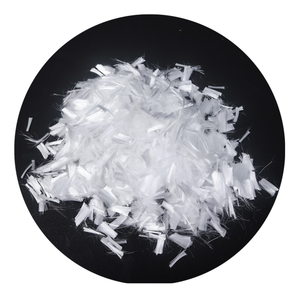
Low Red Texture 0.8mm 32oz Silicone Coated Fiberglass Fabric
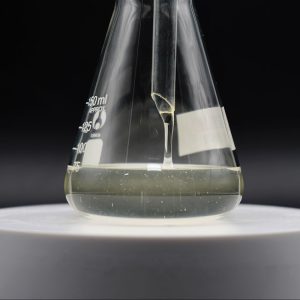
Te hoê hu'ahu'a Polypropylene tei î i te mau hu'ahu'a teitei e te puai rahi

Te mau rave'a hamaniraa tauihaa no te mau rave'a hamaniraa tauihaa no te mau rave'a hamaniraa tauihaa no te mau rave'a hamaniraa tauihaa
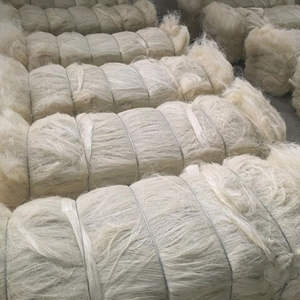
Te mau hu'ahu'a ti'a teitei tei î i te mau hu'ahu'a ti'a no te ti'a