


Li-additives tsa Konkreite tse bobebe | Li-Agents tse Foaming tse Phahameng ka ho Fetisisa bakeng sa Konkreite ea Cellular


LITLHAKISO TSA LITŠOANTŠISO
Tlhaloso
Overview of Hot Whole Fiberglass Roving Yarn for Concrete Plaster Reinforcement
Bakeng sa khanyetso e phahameng, re fana ka Steel Fibers, sebaka se loketseng bakeng sa letlooeng la terata le cheselitsoeng mekatong ea liindasteri le lintho tse entsoeng esale pele. Re boetse re fana ka li-Structural Synthetic Fibers tse khethehileng tse fanang ka matla a phahameng a ts'ebetso bakeng sa lits'ebetso tse batloang haholo. Likhoele tsena li hasane ka mokhoa o ts'oanang ho pholletsa le motsoako oa konkreite, ho theha marang-rang a matlafatso a mahlakore a mangata ao mekhoa ea setso e ke keng ea e finyella. Mokhoa ona o kopaneng o nolofatsa kaho, potlakisa ho beha, le ho matlafatsa botšepehi bo akaretsang le bophelo bo bolelele ba konkreite, ho fana ka karabo ea sejoale-joale ho mathata a khale a ho petsoha le ho tšoarella.
Features of Hot Whole Fiberglass Roving Yarn for Concrete Plaster Reinforcement
1. Taolo e Phahameng ea Crack le Matla a Matlafalitsoeng:
Ntho ea mantlha ea likhoele tsa rona ke bokhoni ba bona ba ho koala mapetso a manyane a hlahang nakong ea polasetiki le mapetsong a maholo a konkreite e thata.. Phatlalatso ena ea mahlakore a mararo e theha matrix e momahaneng haholoanyane e hananang le phatlalatso ea crack. Melemo e tobileng ke ho fokotseha ho hoholo ha ho phunyeha ha polasetiki ka bobeli le bophara ba nako e telele. Sena se lebisa ho konkreite e tšoarellang haholo e nang le matla a tlase, seo ka sona se matlafatsang kganetso ya metsi a kenang, tshenyo ya ho qhoqhoa, le ho bola ha tšepe efe kapa efe e kentsoeng. Sephetho ke sebopeho se nang le nako e telele ea tšebeletso le litšenyehelo tse fokolitsoeng tsa tlhokomelo.
2. Keketseho ea Tšusumetso le Khahlano ea Abrasion:
Likhoele, haholo-holo tšepe le li-macro fibers tse matla tsa maiketsetso, ntlafatsa haholo ho tiea ha konkreite le ts'ebetso ea kamora ho phatloha. Li monya le ho aba matla ha li ama kapa ha li laeloa. Tšobotsi ena e fana ka molemo oa sebaka se tsitsitseng haholoanyane se sa rateheng ho spalling, ho qhetsola, le abrasion tlas'a sephethephethe se seholo kapa moaparo oa mochini. Ena ke monyetla oa bohlokoa bakeng sa mekato ea indasteri, litselana tsa polokelo, le diporojeke tsa mafaratlhatlha, e lebisang sebakeng se apereng ka thata haholo se bolokang botshepehi ka nako.
3. Sebetsa sa Kaho le Poloko ea Litšenyehelo:
Tšobotsi ea bohlokoa ea ho sebelisa fiber reinforcement ke ho felisoa ha letlooeng le cheselitsoeng (WWF) lits'ebetsong tse ngata. Sena se fana ka melemo e mengata sebakeng sa marang-rang: e nolofatsa ho beha, kaha ha ho na mesh e lokelang ho hlongoa kapa e ka tlosoang, mme e akofisa tshebetso yohle ya kaho. Ka ho tlosa mohato o boima oa mosebetsi, merero e bona litšenyehelo tse fokotsehileng tsa basebetsi le linako tse potlakileng tsa merero. Kabo e tšoanang ea likhoele e boetse e tiisa matlafatso e tsitsitseng ho pholletsa le karolo eohle ea konkreite, ho fapana le letlooeng, e ka bewang ka tsela e sa lokang, se lebisang tshebetsong e tshepehang le e lebelloang.

Specification of Hot Whole Fiberglass Roving Yarn for Concrete Plaster Reinforcement
Warm Whole Fiberglass Roving Thread for Concrete Plaster Support
Tlhahlobo ea Ntho
This fiberglass roving yarn is created reinforcing concrete and plaster. It adds toughness and helps quit fractures from forming. The yarn utilizes E-glass fibers, which stand up to alkali well. This makes it safe to use in cement-based mixes.
Leqheka le Akarelletsa
Matla a phahameng a tensile: The yarn holds up under tension and keeps the product together.
Ho hanyetsa alkali: It remains solid also when mixed with damp cement or plaster.
Consistent filament structure: Every hair is consistent, so performance stays steady throughout sets.
Great bonding: It sticks well to seal and plaster, which improves total resilience.
Ho bonolo ho kopanya: The yarn spreads evenly in the mix without clumping.
Boitsebiso ba Theknoloji
– Mofuta oa fiber: E-glass (e hanyetsanang le alkali).
– Linear density: 2400– 4800 tex.
– Filament diameter: 13– 17 microns.
– Sizing type: Compatible with cementitious systems.
– Lintho tse metsi: Ka tlase ho 0.2%.
– Breaking stamina: Bonyane 0.65 N/tex.
Hantle-ntle mokhoa oa ho Sebelisa
Add the restless yarn during the blending phase. Use a standard mixer to mix it right into the wet plaster or concrete. The advised dose is 0.6– 1.5 kg ka dikubiki mithara, depending on the work. See to it the mix runs long enough so the fibers expanded fully. Do not add extra water even if fibers are made use of.
Sebaka sa polokelo le Ho tšoara
Maintain the thread in a completely dry, sebaka se setle. Store it off the floor and far from dampness. Use secured packaging up until you prepare to utilize it. When opened, use the entire bundle not long after to avoid moisture damages. Take care of with gloves to maintain hands tidy and risk-free.

Applications of Hot Whole Fiberglass Roving Yarn for Concrete Plaster Reinforcement
Applications of Hot Whole Fiberglass Roving Yarn in Concrete and Plaster Reinforcement
E matla ho feta, Lighter In Weight, A Lot More Resilient
Warm whole fiberglass roaming yarn is commonly utilized to strengthen concrete and plaster. It includes toughness without including much weight. Builders and designers select it because it aids protect against fractures and enhances long-term performance.
This unique yarn functions well in thin-layer applications like stucco, EIFS (Exterior Insulation and Finish Equipments), le ho lokisa seretse. When mixed into plaster or splashed onto surface areas, the fibers bond firmly with the cement matrix. This produces a much more adaptable and impact-resistant coating.
Unlike metal mesh or steel fibers, fiberglass does not rust. That makes it suitable for wet or humid environments. It additionally resists alkali discovered in concrete, so it lasts longer inside concrete frameworks.
Easy to Make Use Of on Site
Specialists locate warm whole fiberglass roaming thread simple to take care of. It blends smoothly into damp mixes without clumping. No added tools are needed– just add it throughout normal blending. The outcome is consistent support throughout the product.
It’s commonly used in precast panels, fiber-reinforced concrete boards, and attractive building aspects. Due to the fact that it’s lightweight, it reduces total structural lots. This can decrease transport and installation costs.
The yarn also boosts fire resistance. Fiberglass does not burn, so it helps meet security standards in industrial and property tasks.
E Hlahisitsoe ho Qetela
Products made with this roving yarn reveal far better resistance to shrinking and thermal anxiety. They hold up well over time, even under duplicated weather exposure. That means less fixings and longer service life.
From wall surfaces and ceilings to floors and exteriors, warm entire fiberglass roving thread delivers trusted reinforcement where typical methods fail. It supports modern construction requires with straightforward, reliable efficiency.
Boemo ba Khoebo
Re moetapele oa lefats'e oa konkreite e bobebe le tharollo ea foam e tsoetseng pele. E tsebahala lefatšeng ka bophara ka boitlamo ba eona ba ho etsa lipatlisiso, popontshwa, le botsebi bo sebelisitsoeng, esale re fana ka tharollo ea foam e entsoeng ka boenjiniere ho tloha qalong ea 2012.
Re ka fana ka motsoako oa boleng bo holimo oa konkreite le lihlahisoa tse amanang le konkreite ea foam lefatšeng ka bophara.
Khampani e na le lefapha la litsebi tsa theknoloji le lefapha la tlhokomelo ea boleng, laboratori e nang le lisebelisoa hantle, hape e na le lisebelisoa tse tsoetseng pele tsa tlhahlobo le setsi sa litšebeletso tsa bareki ka mor'a thekiso.
Haeba u thahasella, ka kopo ikutloe u lokolohile 'me u ikopanye le rona.
Tefo
T/T, phetiso ea chelete e bitsoang western union, Paypal, Credit Card etc.
Thomello
Ka moea, ka leoatle, ka Express, joalo ka ha bareki ba kopa.

5 FAQs of Hot Whole Fiberglass Roving Yarn for Concrete Plaster Reinforcement
Frequently Asked Questions About Hot Whole Fiberglass Roving Yarn for Concrete Plaster Reinforcement
What is hot whole fiberglass roving yarn used for?
This yarn strengthens concrete and plaster. Builders mix it into wet plaster or concrete before it sets. E thusa ho emisa mapetsong ho theha. The material works well in walls, fuluru, and repair jobs.
Why choose fiberglass over other fibers?
Fiberglass ha e ruse. It also resists moisture and chemicals. Unlike steel or natural fibers, it stays strong over time. This makes the final surface last longer with less maintenance.
How much yarn should I add to my mix?
Sebelisa 0.6 ho 1.2 kilograms per cubic meter of concrete or plaster. The exact amount depends on your project’s needs. Ho honyenyane haholo ho ka 'na ha se ke ha thusa ka ho lekaneng. Ho ja haholo ho ka etsa hore ho kopanya ho be thata. Always follow the product guide or ask a technician.
Is it easy to mix into concrete or plaster?
Ee. Add the yarn while mixing dry materials. Ebe u eketsa metsi joalo ka kamehla. The fibers spread evenly if you mix long enough. Use a standard mixer—no special tools are needed. Make sure all clumps break apart during mixing.
Does it affect the look or finish of the surface?
Che. The fibers are fine and blend in well. After the mix dries, the surface looks smooth. You can paint, tile, or coat it like normal. The reinforcement stays hidden but keeps the structure stronger underneath.
KOPO KHOPO
LIHLAHISO TSE HLAHANG
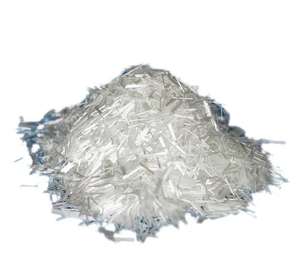
Ho Khanyetso ho Matlafalitse 6mm PP Cement Concrete Fiber bakeng sa Lerako la Concrete

Glass Fiber Reinforced Concrete PP Polypropylene Fiber Reinforced Concrete

Fiber ea konkreite e batang bakeng sa konkreite e matlafalitsoeng
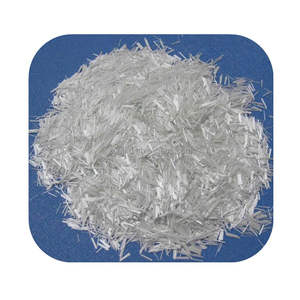
12mm 19mm 24mm pp polypropylene mesh Fibrillated fiber fiber fiber

PP Fiber bakeng sa Konkreite, PP Staple Fiber, le PP Fiber Machine: Comprehensive Solutions pp staple fiber pp macro fiber
