


Ihe mgbakwunye ihe dị fechaa | Ndị na-ahụ maka ụfụfụ na-arụ ọrụ dị elu maka ihe nhịahụ cellular


PRAMETERS ngwaahịa
Nkọwa
Overview of Hot Whole Fiberglass Roving Yarn for Concrete Plaster Reinforcement
Maka nguzogide mmetụta dị elu, anyị na-enye Steel Fibers, ezigbo ndochi maka welded waya ntupu na ulo oru ala na tupu nkedo ihe. Anyị na-enyekwa eriri sịntetịtịk Structural pụrụ iche nke na-enye ike tensile dị elu maka ngwa na-achọsi ike. A na-agbasasị eriri ndị a n'otu n'otu n'ime ngwakọta kọmpụta, ịmepụta netwọk nkwado ọtụtụ akụkụ nke usoro ọdịnala na-enweghị ike imezu. Usoro a jikọtara ọnụ na-eme ka owuwu dị mfe, na-eme ka ntinye ngwa ngwa, na enhances n'ozuzu iguzosi ike n'ezi ihe na ogologo ndụ nke ihe, na-enye azịza ọgbara ọhụrụ maka mgbawa mgbawa na ogologo oge.
Features of Hot Whole Fiberglass Roving Yarn for Concrete Plaster Reinforcement
1. Njikwa mgbapeka dị elu yana ịdịte aka emelitere:
Akụkụ bụ isi nke eriri anyị bụ ikike ha nwere ijikọ ma micro-cracks nke na-etolite n'oge steeti plastik yana mgbawa buru ibu na kọmpụta siri ike.. Mgbasa nke akụkụ atọ a na-emepụta matriks na-ejikọta ọnụ nke na-egbochi mgbasa mgbape. Uru a na-enweta kpọmkwem bụ mbelata dị ukwuu na mgbawa plastic shrinkage na obosara ogologo oge. Nke a na-eduga na a ukwuu ọzọ inogide ihe na ala permeability, nke na-eme ka iguzogide mmiri na-abanye, ifriizi-mebie mmebi, na corrosion nke ígwè ọ bụla agbakwunyere. Ihe si na ya pụta bụ nhazi nke nwere ogologo ndụ ọrụ yana belata ụgwọ ọrụ nlekọta.
2. Mmụba Mmetụta yana Mgbochi Abrasion:
eriri, karịsịa ígwè na siri ike sịntetik nnukwu eriri, na-emeziwanye ike nke ihe siri ike na ịrụ ọrụ mgbe mgbawa gasịrị. Ha na-amịkọrọ ma kesaa ike n'elu mmetụta ma ọ bụ ibu. Njirimara a na-enye abamuru nke elu na-agbanwe agbanwe nke na-adịchaghị mfe spalling, chipping, na abrasion n'okpuru oké okporo ụzọ ma ọ bụ n'ibu eyi. Nke a bụ uru dị oke egwu maka ala ụlọ ọrụ mmepụta ihe, pavement ụlọ nkwakọba ihe, na akụrụngwa akụrụngwa, na-eduga n'elu elu na-eyi ihe siri ike nke na-edobe iguzosi ike n'ezi ihe ya ka oge na-aga.
3. Ịrụ ọrụ nke ọma na ego ego:
Otu akụkụ dị mkpa nke iji nkwado eriri bụ mkpochapụ ntupu eriri welded (WWF) n'ọtụtụ ngwa. Nke a na-enye nnukwu uru na saịtị: ọ na-eme ka ntinye dị mfe, n'ihi na enweghị ntupu a ga-edozi ma ọ bụ nwee ike ịkwapụ, na ọ na-eme ka usoro ihe owuwu ahụ dum dịkwuo elu. Site n'iwepụ nzọụkwụ na-akpa ike, oru ngo na-ahụ mbelata ụgwọ ọrụ na usoro iheomume ngwa ngwa. Nkesa otu nke eriri na-eme ka nkwado na-agbanwe agbanwe na mpaghara kọmpụta niile, n'adịghị ka ntupu, nke enwere ike itinye ya n'ụzọ na-ekwesịghị ekwesị, na-eduga na arụmọrụ a pụrụ ịdabere na ya na nke a pụrụ ịkọ.

Specification of Hot Whole Fiberglass Roving Yarn for Concrete Plaster Reinforcement
Warm Whole Fiberglass Roving Thread for Concrete Plaster Support
Nyochaa ihe
This fiberglass roving yarn is created reinforcing concrete and plaster. It adds toughness and helps quit fractures from forming. The yarn utilizes E-glass fibers, which stand up to alkali well. This makes it safe to use in cement-based mixes.
Aghụghọ gụnyere
Ike ike dị elu: The yarn holds up under tension and keeps the product together.
Nguzogide Alkali: It remains solid also when mixed with damp cement or plaster.
Consistent filament structure: Every hair is consistent, so performance stays steady throughout sets.
Great bonding: It sticks well to seal and plaster, which improves total resilience.
Ọ dị mfe ịgwakọta: The yarn spreads evenly in the mix without clumping.
Ozi nka
– Ụdị eriri: E-glass (alkali-resistant).
– Linear density: 2400– 4800 ederede.
– Dayameta eriri: 13– 17 microns.
– Sizing type: Compatible with cementitious systems.
– Ihe eji eme mmiri: Pekarịrị 0.2%.
– Breaking stamina: Opekempe 0.65 N/tex.
Kpọmkwem ka eji
Add the restless yarn during the blending phase. Use a standard mixer to mix it right into the wet plaster or concrete. The advised dose is 0.6– 1.5 n'arọ kwa cubic mita, depending on the work. See to it the mix runs long enough so the fibers expanded fully. Do not add extra water even if fibers are made use of.
Oghere nchekwa na njikwa
Maintain the thread in a completely dry, trendy place. Store it off the floor and far from dampness. Use secured packaging up until you prepare to utilize it. Mgbe emepere, use the entire bundle not long after to avoid moisture damages. Take care of with gloves to maintain hands tidy and risk-free.

Applications of Hot Whole Fiberglass Roving Yarn for Concrete Plaster Reinforcement
Applications of Hot Whole Fiberglass Roving Yarn in Concrete and Plaster Reinforcement
Ka ike, Lighter In Weight, A Lot More Resilient
Warm whole fiberglass roaming yarn is commonly utilized to strengthen concrete and plaster. It includes toughness without including much weight. Builders and designers select it because it aids protect against fractures and enhances long-term performance.
This unique yarn functions well in thin-layer applications like stucco, EIFS (Exterior Insulation and Finish Equipments), na idozi ngwa agha. When mixed into plaster or splashed onto surface areas, the fibers bond firmly with the cement matrix. This produces a much more adaptable and impact-resistant coating.
Unlike metal mesh or steel fibers, fiberglass does not rust. That makes it suitable for wet or humid environments. It additionally resists alkali discovered in concrete, so it lasts longer inside concrete frameworks.
Easy to Make Use Of on Site
Specialists locate warm whole fiberglass roaming thread simple to take care of. It blends smoothly into damp mixes without clumping. No added tools are needed– just add it throughout normal blending. The outcome is consistent support throughout the product.
It’s commonly used in precast panels, fiber-reinforced concrete boards, and attractive building aspects. Due to the fact that it’s lightweight, it reduces total structural lots. This can decrease transport and installation costs.
The yarn also boosts fire resistance. Fiberglass does not burn, so it helps meet security standards in industrial and property tasks.
Mepụtara ruo Ikpeazụ
Products made with this roving yarn reveal far better resistance to shrinking and thermal anxiety. They hold up well over time, even under duplicated weather exposure. That means less fixings and longer service life.
From wall surfaces and ceilings to floors and exteriors, warm entire fiberglass roving thread delivers trusted reinforcement where typical methods fail. It supports modern construction requires with straightforward, reliable efficiency.
Nkọwapụta Ụlọ ọrụ
Anyị bụ ndị ndu zuru ụwa ọnụ na ngwọta ụfụfụ dị fechaa na nke dị elu. Amara ụwa niile maka ntinye aka ya na nyocha, ihe ọhụrụ, na etinyere nka nka, anyị na-enye ihe ngwọta ụfụfụ emepụtara kemgbe mmalite 2012.
Anyị nwere ike na-enye elu-edu ihe admixture na ụfụfụ ihe metụtara ngwaahịa n'ụwa nile.
Ụlọ ọrụ ahụ nwere ngalaba ọkachamara ọkachamara na ngalaba nlekọta àgwà, ụlọ nyocha nke ọma, na kwadebere na elu ule akụrụngwa na mgbe-sales ahịa ọrụ center.
Ọ bụrụ na ị nwere mmasị, biko nweere onwe gị ma kpọtụrụ anyị.
Ịkwụ ụgwọ
T/T, Western Union, Paypal, Kaadị kredit wdg.
Mbupu
Site n'ikuku, site n'oké osimiri, site na nkwuwa okwu, dị ka ndị ahịa na-arịọ.

5 FAQs of Hot Whole Fiberglass Roving Yarn for Concrete Plaster Reinforcement
Frequently Asked Questions About Hot Whole Fiberglass Roving Yarn for Concrete Plaster Reinforcement
What is hot whole fiberglass roving yarn used for?
This yarn strengthens concrete and plaster. Builders mix it into wet plaster or concrete before it sets. Ọ na-enyere aka ịkwụsị mgbawa na-akpụ. The material works well in walls, ala, na ịrụkwa ọrụ.
Why choose fiberglass over other fibers?
Fiberglass anaghị agba nchara. It also resists moisture and chemicals. Unlike steel or natural fibers, it stays strong over time. This makes the final surface last longer with less maintenance.
How much yarn should I add to my mix?
Jiri 0.6 ka 1.2 kilograms per cubic meter of concrete or plaster. Ọnụ ego ole dabere na mkpa ọrụ gị. Obere ntakịrị nwere ike ọ gaghị enyere aka nke ọma. Nke ukwuu nwere ike ime ka ịgwakọta sie ike. Always follow the product guide or ask a technician.
Is it easy to mix into concrete or plaster?
Ee. Add the yarn while mixing dry materials. Mgbe ahụ tinye mmiri dị ka ọ dị na mbụ. The fibers spread evenly if you mix long enough. Use a standard mixer—no special tools are needed. Make sure all clumps break apart during mixing.
Does it affect the look or finish of the surface?
Mba. The fibers are fine and blend in well. After the mix dries, the surface looks smooth. You can paint, tile, or coat it like normal. The reinforcement stays hidden but keeps the structure stronger underneath.
RỊỌRỌ OKWU
Ngwaahịa ndị metụtara

Hot Concrete Polypropylene Concrete Fiber for Shotcrete Synthetic Concrete Micro Fibers PP Fiber

Na-ekpo ọkụ Pultrusion Fiberglass FRP GRP Pultruded maka ihe owuwu

Ọcha ọcha PP Fiber dị mma maka Eco-friendly Construction

Glued nko njedebe ígwè eriri maka ihe
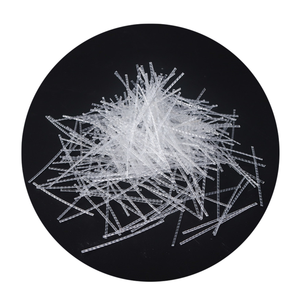
Fiber gbasiri ike eriri ihe ihe mgbakwunye polypropylene Fiber sịntetik PP eriri
