


Nā Pākuʻi Paʻa Māmā | Nā ʻĀpana Hoʻohuʻi Kiʻekiʻe no ka Kelepona Kelepona


NA PALAPALA HUA
wehewehe
Overview of High Strength Composite GFRP Rebar Fiberglass Rebar Glass Fiber Reinforced Rebar
No ke kū'ē kiʻekiʻe, hāʻawi mākou i nā Fiber Steel, kahi mea hoʻololi kūpono no ka uwea welded mesh ma nā papahele ʻoihana a me nā mea hoʻolei mua. Hāʻawi pū mākou i nā Structural Synthetic Fibers kūikawā e hāʻawi ana i ka ikaika tensile kiʻekiʻe no nā noi noi.. Hoʻopuehu like ʻia kēia mau fiber i loko o ka hui ʻana, ka hoʻokumu ʻana i kahi pūnaewele hoʻoikaika nui i hiki ʻole ke hoʻokō i nā ʻano kuʻuna. Hoʻomaʻamaʻa kēia ʻano hoʻohui i ke kūkulu ʻana, hoʻokē hoʻokomo, a hoʻonui i ka pono holoʻokoʻa a me ka lōʻihi o ka lāʻau, hāʻawi ʻana i kahi pane hou i nā pilikia o ka wā kahiko a me ka lōʻihi.
Features of High Strength Composite GFRP Rebar Fiberglass Rebar Glass Fiber Reinforced Rebar
1. ʻOi aku ka mana o ka māwae a me ka hoʻoikaika ʻana i ka lōʻihi:
ʻO ka hiʻohiʻona nui o kā mākou fibers ko lākou hiki ke hoʻopaʻa i nā micro-cracks ʻelua i hana ʻia i ka wā o ke kūlana plastik a me nā māwae nui aʻe i loko o ke koʻa paʻa.. Hoʻokumu kēia dispersion ʻekolu-dimensional i kahi matrix cohesive ʻoi aku ka pale ʻana i ka hoʻolaha ʻana. ʻO ka pōmaikaʻi pololei, he hōʻemi nui ia i ka ʻāʻī ʻana o ka plastic a me ka laula māwae lōʻihi. Ke alakaʻi nei kēia i ka ʻoi aku ka lōʻihi o ke koʻikoʻi me ka haʻahaʻa haʻahaʻa, ʻo ia ka mea e hoʻonui ai i ke kū'ē i ka wai komo, pōʻino hoʻoheheʻe, a me ka palahu o kekahi kila i hookomoia. ʻO ka hopena he hale me ka lōʻihi o ke ola lawelawe a hoʻemi ʻia nā kumukūʻai mālama.
2. Hoʻonui i ka hopena a me ka pale ʻana i ka abrasion:
Nā pulu, ʻoi aku ke kila a me nā fiber macro synthetic ikaika, hoʻomaikaʻi maikaʻi i ka paʻakikī o ke kaʻa a me ka hana ma hope o ka haki. Lawe lākou a puʻunaue i ka ikehu ma ka hopena a i ʻole ka hoʻouka ʻana. Hāʻawi kēia hiʻohiʻona i ka pōmaikaʻi o kahi ʻili kūpaʻa ʻoi aku ka liʻiliʻi o ka spalling, ʻokiʻoki, a me ka abrasion ma lalo o ke kaʻa nui a i ʻole ka lole mīkini. He waiwai koʻikoʻi kēia no nā papahele ʻoihana, hale kūʻai pavements, a me nā papahana hoʻolālā, e alakaʻi ana i kahi ʻili paʻakikī e mālama i kona kūpaʻa i ka manawa.
3. ʻO ka maikaʻi o ke kūkulu ʻana a me ka mālama kālā:
ʻO kahi hiʻohiʻona nui o ka hoʻohana ʻana i ka fiber reinforcement ʻo ka hoʻopau ʻana i ka uwea welded mesh (WWF) i nā noi he nui. Hāʻawi kēia i nā pōmaikaʻi nui ma ka pūnaewele: maʻalahi ka hoʻokomo, no ka mea, ʻaʻohe mesh e hoʻonohonoho ʻia a hiki ke hoʻoneʻe ʻia, a hoʻokēʻai i ke kaʻina hana holoʻokoʻa. Ma ka wehe ʻana i kahi hana koʻikoʻi, ʻike nā papahana i ka hōʻemi ʻana i nā kumukūʻai hana a me ka wikiwiki o ka manawa papahana. ʻO ka hāʻawi like ʻana o nā fibers e hōʻoiaʻiʻo i ka hoʻoikaika paʻa ʻana ma ka ʻāpana koneki holoʻokoʻa, like ole mesh, hiki ke waiho pono ole ia, alakaʻi i ka hana hilinaʻi a wānana.

Specification of High Strength Composite GFRP Rebar Fiberglass Rebar Glass Fiber Reinforced Rebar
High-Strength Composite GFRP Rebar
He aha ia
GFRP rebar represent glass fiber strengthened polymer rebar. It is a modern alternative to traditional steel rebar. Made from high-strength glass fibers and a resilient material matrix, this material uses superb efficiency in rough environments.
Why Select GFRP Rebar?
This rebar does not corrosion. That makes it excellent for use near salt water, in chemical plants, or anywhere moisture and salts exist. Steel rebar can wear away gradually, however GFRP remains solid and stable for decades. Its long life span minimizes maintenance costs and prolongs the life of concrete structures.
Key Inclues
Māmā: GFRP rebar considers about one-fourth as high as steel. This makes handling and installation much faster and easier. Employees can move it without heavy devices.
High Tensile Toughness: It has tensile strength that matches or surpasses steel in numerous applications. This guarantees reliable support for concrete under anxiety.
Non-Conductive: It does not perform electrical energy or warmth. This includes safety and security in delicate areas like power stations or MRI facilities.
Magnetic Transparency: GFRP does not interfere with electro-magnetic signals. It is excellent for structures that house radar, communication systems, or medical imaging tools.
Hoʻohana maʻamau
You will locate GFRP rebar in bridges, kahua kaʻa, uwapo moana, nā mea kanu hoʻōla wai ʻino, and airport terminal runways. It is likewise made use of in roadways subjected to de-icing salts and in any kind of project where deterioration resistance is critical.
Criteria and High quality
Our GFRP rebar meets global criteria such as ASTM D7957 and CSA S807. Each set goes through strict high quality checks to guarantee regular diameter, surface texture, and mechanical residential properties. The ribbed surface area gives strong bonding with concrete, similar to steel rebar.
Installment adheres to basic methods. ʻAʻole pono nā mea hana kūikawā. Specialists can cut it on-site with ruby blades or rough saws.
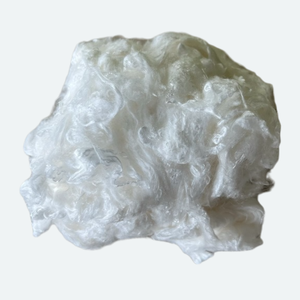
Applications of High Strength Composite GFRP Rebar Fiberglass Rebar Glass Fiber Reinforced Rebar
Applications of High-Strength Compound GFRP Rebar
Why Choose Fiberglass Rebar?
ʻO ka polimer i hoʻoikaika ʻia i ka fiber aniani (GFRP) rebar offers a wise choice to typical steel support. It does not corrosion. It resists chemicals. It works well in harsh settings where steel would certainly fall short.
Usage in Marine and Coastal Projects
Coastal structures face constant exposure to deep sea. Salt causes steel to wear away quickly. GFRP rebar remains solid in these conditions. Building contractors use it in piers, nā ʻauwai, and offshore platforms. Its long life cuts maintenance prices and extends structure life.
Framework in Cold Climates
In places with heavy snow, roadways and bridges obtain treated with de-icing salts. These salts eat away at steel rebar. Fiberglass rebar handles this without damage. It is suitable for bridge decks, kahua kaʻa, and highway obstacles in north areas.
Electromagnetic-Sensitive Sites
Some centers require products that do not conflict with signals. Hospitals, research study labs, and airport terminals fall under this group. Steel obstructs or misshapes electro-magnetic waves. GFRP rebar is non-conductive. It maintains signals clear and devices functioning right.
Light-weight Building Demands
GFRP rebar weighs about one-fourth as high as steel. This makes transport simpler. It likewise quickens installment. Employees handle it without heavy lifting gear. Projects finish quicker with fewer delays.
Destructive Industrial Setups
Manufacturing facilities, mea kanu wai ʻino, and chemical storage space areas launch fumes and fluids that assault metal. Glass fiber reinforced rebar takes on acids, antacid, and various other hostile compounds. Structures remain secure and intact for years.
Building contractors pick GFRP rebar when longevity, palekana, and reduced upkeep matter most. Its performance in difficult conditions makes it a trusted solution throughout several industries.
ʻO ka moʻolelo o ka hui
ʻO mākou ke alakaʻi o ka honua i nā ʻenehana māmā a me nā hoʻonā ʻenehana i hana ʻia. ʻIke ʻia ma ka honua holoʻokoʻa no kāna kūpaʻa i ka noiʻi, mea hou, a me ka ʻike noiʻi, ke hāʻawi nei mākou i nā hoʻonā ʻenehana i hana ʻia mai ka makahiki 2012.
Hiki iā mākou ke hāʻawi aku i ka hoʻohui ʻana i nā mea hoʻohui kiʻekiʻe kiʻekiʻe a me nā huahana pili i ka foam concrete a puni ka honua.
He keʻena ʻenehana ʻoihana a me ka ʻoihana kiaʻi maikaʻi ka hui, he hale hana i hoolako pono ia, a hoʻolako ʻia me nā lako hoʻāʻo kiʻekiʻe a me ke kikowaena lawelawe mea kūʻai aku ma hope o ke kūʻai aku.
Inā hoihoi ʻoe, e ʻoluʻolu a e hoʻokaʻaʻike mai iā mākou.
Uku
T/T, Hui Komohana, Paypal, Kāleka ʻaiʻē etc.
Hoʻouna
Ma ka lewa, ma ke kai, ma ka hoike, e like me ke noi a nā mea kūʻai aku.
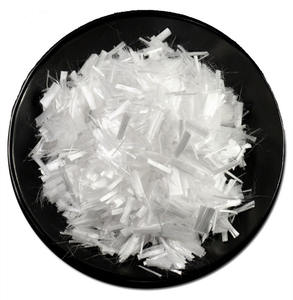
5 FAQs of High Strength Composite GFRP Rebar Fiberglass Rebar Glass Fiber Reinforced Rebar
Frequently Asked Questions About High-Strength GFRP Rebar
What is GFRP rebar made of?
GFRP rebar is made from glass fibers and a polymer resin. Hāʻawi nā fiber aniani i ka ikaika. Hoʻopaʻa ka resin i nā mea āpau a pale i nā fiber. This mix creates a material that is strong but does not rust.
Why choose GFRP over steel rebar?
GFRP rebar does not corrode. Steel can rust when exposed to water or salt. Rust weakens steel over time. GFRP stays strong in wet or salty conditions. Ua emi iho ke kaumaha ma mua o ke kila, maʻalahi ka lawe ʻana a hoʻokomo.
Is GFRP rebar strong enough for construction?
ʻAe. GFRP rebar has high tensile strength—often higher than steel on a pound-for-pound basis. It works well in concrete structures like bridges, alanui, and marine projects. Engineers design with its specific properties in mind to ensure safety and performance.
Can GFRP rebar be used with regular concrete?
ʻAe. GFRP rebar bonds well with standard concrete. You place it the same way you would place steel rebar. Just follow project specifications and building codes. Proper spacing and cover depth are important for long-term results.
Does GFRP rebar conduct electricity?
ʻAʻole. GFRP rebar is non-conductive. It does not carry electric current. This makes it safe for use near power lines or in sensitive electronic environments. It also means it will not interfere with radio signals or cause stray currents that damage other materials.
NOI I KA PALAPALA
NA HUAKAI PILI
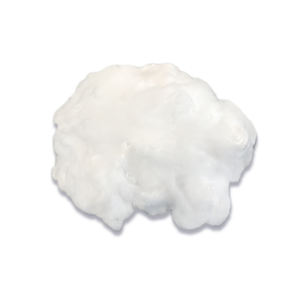
Special Polypropylene PP Concrete Fiber for Cement Concrete Reinforcement Used as Mortar Fiber Stuffing
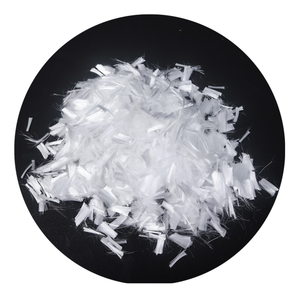
Whole Durable Industrial Building Flat Stainless Steel Concrete Fiber Reinforced Concrete Material

E hoʻoikaika i ka pāpaʻa me nā puluna maikaʻi ʻo E-glass glass fiber i ʻoki ʻia no ka hoʻoikaika ʻana i ke kūkulu ʻana.
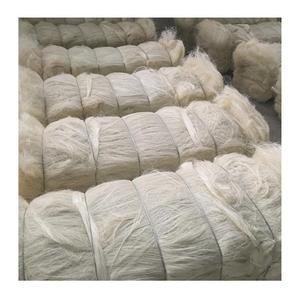
ʻO ke kila kila no ka hoʻoikaikaʻana
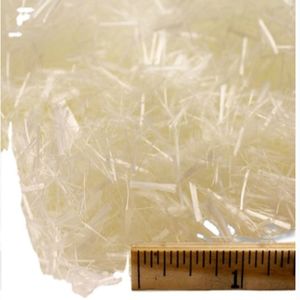
ʻO Polypropylene PP Fiber Paʻa no ka hoʻohana ʻana i ke kūkulu ʻana
