


Nā Pākuʻi Paʻa Māmā | Nā ʻĀpana Hoʻohuʻi Kiʻekiʻe no ka Kelepona Kelepona

NA PALAPALA HUA
wehewehe
Overview of Polypropylene Concrete Fiber Fibrillated Mesh Form for Construction Concrete and Mortar Model PP Fiber
No ke kū'ē kiʻekiʻe, hāʻawi mākou i nā Fiber Steel, kahi mea hoʻololi kūpono no ka uwea welded mesh ma nā papahele ʻoihana a me nā mea hoʻolei mua. Hāʻawi pū mākou i nā Structural Synthetic Fibers kūikawā e hāʻawi ana i ka ikaika tensile kiʻekiʻe no nā noi noi.. Hoʻopuehu like ʻia kēia mau fiber i loko o ka hui ʻana, ka hoʻokumu ʻana i kahi pūnaewele hoʻoikaika nui i hiki ʻole ke hoʻokō i nā ʻano kuʻuna. Hoʻomaʻamaʻa kēia ʻano hoʻohui i ke kūkulu ʻana, hoʻokē hoʻokomo, a hoʻonui i ka pono holoʻokoʻa a me ka lōʻihi o ka lāʻau, hāʻawi ʻana i kahi pane hou i nā pilikia o ka wā kahiko a me ka lōʻihi.
Features of Polypropylene Concrete Fiber Fibrillated Mesh Form for Construction Concrete and Mortar Model PP Fiber
1. ʻOi aku ka mana o ka māwae a me ka hoʻoikaika ʻana i ka lōʻihi:
ʻO ka hiʻohiʻona nui o kā mākou fibers ko lākou hiki ke hoʻopaʻa i nā micro-cracks ʻelua i hana ʻia i ka wā o ke kūlana plastik a me nā māwae nui aʻe i loko o ke koʻa paʻa.. Hoʻokumu kēia dispersion ʻekolu-dimensional i kahi matrix cohesive ʻoi aku ka pale ʻana i ka hoʻolaha ʻana. ʻO ka pōmaikaʻi pololei, he hōʻemi nui ia i ka ʻāʻī ʻana o ka plastic a me ka laula māwae lōʻihi. Ke alakaʻi nei kēia i ka ʻoi aku ka lōʻihi o ke koʻikoʻi me ka haʻahaʻa haʻahaʻa, ʻo ia ka mea e hoʻonui ai i ke kū'ē i ka wai komo, pōʻino hoʻoheheʻe, a me ka palahu o kekahi kila i hookomoia. ʻO ka hopena he hale me ka lōʻihi o ke ola lawelawe a hoʻemi ʻia nā kumukūʻai mālama.
2. Hoʻonui i ka hopena a me ka pale ʻana i ka abrasion:
Nā pulu, ʻoi aku ke kila a me nā fiber macro synthetic ikaika, hoʻomaikaʻi maikaʻi i ka paʻakikī o ke kaʻa a me ka hana ma hope o ka haki. Lawe lākou a puʻunaue i ka ikehu ma ka hopena a i ʻole ka hoʻouka ʻana. Hāʻawi kēia hiʻohiʻona i ka pōmaikaʻi o kahi ʻili kūpaʻa ʻoi aku ka liʻiliʻi o ka spalling, ʻokiʻoki, a me ka abrasion ma lalo o ke kaʻa nui a i ʻole ka lole mīkini. He waiwai koʻikoʻi kēia no nā papahele ʻoihana, hale kūʻai pavements, a me nā papahana hoʻolālā, e alakaʻi ana i kahi ʻili paʻakikī e mālama i kona kūpaʻa i ka manawa.
3. ʻO ka maikaʻi o ke kūkulu ʻana a me ka mālama kālā:
ʻO kahi hiʻohiʻona nui o ka hoʻohana ʻana i ka fiber reinforcement ʻo ka hoʻopau ʻana i ka uwea welded mesh (WWF) i nā noi he nui. Hāʻawi kēia i nā pōmaikaʻi nui ma ka pūnaewele: maʻalahi ka hoʻokomo, no ka mea, ʻaʻohe mesh e hoʻonohonoho ʻia a hiki ke hoʻoneʻe ʻia, a hoʻokēʻai i ke kaʻina hana holoʻokoʻa. Ma ka wehe ʻana i kahi hana koʻikoʻi, ʻike nā papahana i ka hōʻemi ʻana i nā kumukūʻai hana a me ka wikiwiki o ka manawa papahana. ʻO ka hāʻawi like ʻana o nā fibers e hōʻoiaʻiʻo i ka hoʻoikaika paʻa ʻana ma ka ʻāpana koneki holoʻokoʻa, like ole mesh, hiki ke waiho pono ole ia, alakaʻi i ka hana hilinaʻi a wānana.

Specification of Polypropylene Concrete Fiber Fibrillated Mesh Form for Construction Concrete and Mortar Model PP Fiber
ʻO Polypropylene Fiber– Fibrillated Mesh Form
Nānā Huahana
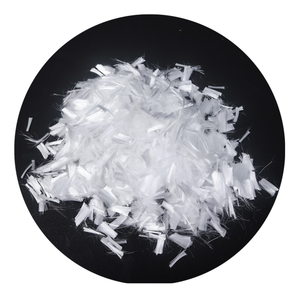
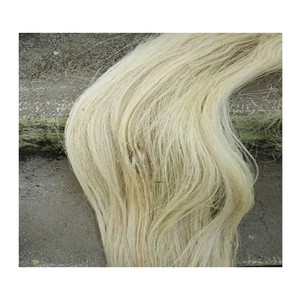
Our PP fiber is a high-performance additive made from 100% polypropylene It is available in a fibrillated mesh framework, made especially for use in concrete and mortar applications. This fiber helps manage plastic shrinkage breaking and improves the total resilience of building and construction materials.
Nā hiʻohiʻona huna
The fiber is alkali-resistant and bonds well with concrete matrices. Its one-of-a-kind mesh style splits right into great filaments throughout blending, developing an uniform circulation throughout the mix. This leads to better crack resistance at early stages of healing. The fibers do not rust, popopo, or absorb moisture, making them suitable for long-lasting performance in severe environments.
ʻIkepili ʻenehana
– Huahana : 100% polypropylene puʻupaʻa.
– Type : Fibrillated mesh
– Nui : Loaʻa ma 6 mm, 12 mm, a 19 mm choices
– Equal diameter : Approximately 30– 50 microns after fibrillation
– ʻoʻoleʻa paʻa : ≥ 400 MPa
– Mea hoohehee : A puni 165 ° C.
– ʻO ka mānoanoa : 0.91 g/cm ELUA.
– kalakala : Generally white or beige.
Nā noi
This fiber functions well in a variety of building and construction jobs. Utilize it in property slabs, nā papahele pāʻoihana, ʻano precast, pana pana, stucco, a me na morta pohaku. It is especially reliable where early-age fracturing is an issue, such as in warm or windy climate condition.
Nā Kūlana Hoʻohana
Include the fiber directly right into the mixer during batching. Loaʻa i ka dosage maʻamau mai 0.6 i 1.2 kg no ka mita cubic o ke kaʻa a i ʻole ka pahū. Mix for at least 3– 5 mins to ensure complete diffusion and fibrillation. No changes to common blending or positioning procedures are needed. Always follow regional building codes and project requirements.
Applications of Polypropylene Concrete Fiber Fibrillated Mesh Form for Construction Concrete and Mortar Model PP Fiber
Applications of Polypropylene Concrete Fiber– Fibrillated Mesh Kind
ʻOi aku ka ikaika, ʻOi aku ka maikaʻi
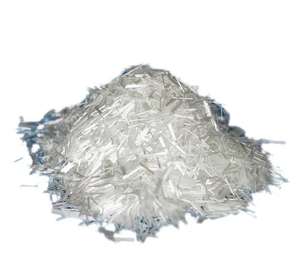
Polypropylene concrete fiber in fibrillated mesh form is widely used to improve the top quality of construction materials. Building contractors add this fiber to concrete and mortar blends during batching. The fibers spread out equally via the mix and help manage splitting from plastic contraction. This suggests less surface area fractures as the concrete dries.
Why select PP fiber? He māmā, chemically steady, and does not corrosion. ʻAʻole like me nā kaula kila, it will certainly not wear away over time. This makes it perfect for projects subjected to wetness or severe weather condition. The fibrillated mesh style creates a network inside the concrete. This network holds the material together even under tension.
Usual Utilizes on Website
Specialists use this fiber in numerous types of work. It is common in slabs-on-grade, alahele, nā ala kaʻa, and commercial floors. It also functions well in shotcrete, nā panela precast, stucco, and stonework mortar. Due to the fact that it minimizes early-age breaking, it lowers long-term upkeep costs. Jobs like parking garages, hale kūʻai, and domestic foundations profit greatly.
The fiber meets ASTM C1116 requirements for synthetic fiber reinforcement. It mixes quickly with basic blending equipment. ʻAʻole pono nā mea hana kūikawā a i ʻole ke aʻo ʻana. Simply include the right amount per set, and the concrete gains improved strength and influence resistance.
Maʻalahi e hoʻohana, Nā hualoaʻa hilinaʻi
One bag of PP fiber replaces extra steps like placing cable mesh. This saves labor and quicken the put. Workers complete faster with fewer delays. The last surface remains smooth and uniform. There are no sharp ends or clumping issues.
Builders trust this fiber since it supplies regular efficiency. It sustains sustainability by cutting waste from broken or fallen short puts. Whether for small repair work or big commercial builds, polypropylene fibrillated mesh fiber includes genuine worth to every mix.
ʻO ka moʻolelo o ka hui
ʻO mākou ke alakaʻi o ka honua i nā ʻenehana māmā a me nā hoʻonā ʻenehana i hana ʻia. ʻIke ʻia ma ka honua holoʻokoʻa no kāna kūpaʻa i ka noiʻi, mea hou, a me ka ʻike noiʻi, ke hāʻawi nei mākou i nā hoʻonā ʻenehana i hana ʻia mai ka makahiki 2012.
Hiki iā mākou ke hāʻawi aku i ka hoʻohui ʻana i nā mea hoʻohui kiʻekiʻe kiʻekiʻe a me nā huahana pili i ka foam concrete a puni ka honua.
He keʻena ʻenehana ʻoihana a me ka ʻoihana kiaʻi maikaʻi ka hui, he hale hana i hoolako pono ia, a hoʻolako ʻia me nā lako hoʻāʻo kiʻekiʻe a me ke kikowaena lawelawe mea kūʻai aku ma hope o ke kūʻai aku.
Inā hoihoi ʻoe, e ʻoluʻolu a e hoʻokaʻaʻike mai iā mākou.
Uku
T/T, Hui Komohana, Paypal, Kāleka ʻaiʻē etc.
Hoʻouna
Ma ka lewa, ma ke kai, ma ka hoike, e like me ke noi a nā mea kūʻai aku.
5 FAQs of Polypropylene Concrete Fiber Fibrillated Mesh Form for Construction Concrete and Mortar Model PP Fiber
Frequently Asked Questions About PP Fibrillated Mesh Fiber for Concrete
What is PP fibrillated mesh fiber?
PP fibrillated mesh fiber is made from polypropylene. It starts as a flat film that splits into many fine strands when mixed into concrete or mortar. This creates a strong, net-like structure inside the material.
Why add this fiber to concrete or mortar?
Adding this fiber helps control cracking. It holds the mix together better during early drying and shrinkage. The result is improved toughness, kū'ē hopena, and durability without changing how you place or finish the concrete.
ʻEhia ka nui o ka fiber e pono iaʻu e hoʻohana?
ʻO ka dosage maʻamau mai 0.6 i 1.2 kilograms per cubic meter of concrete or mortar. E hahai mau i nā ʻōlelo a ka mea hana. ʻAʻole hiki ke kōkua i ka liʻiliʻi. Too much can make mixing hard or affect workability.
Can I mix it with other additives?
ʻAe. This fiber works well with common concrete additives like plasticizers, nā mea hoʻokomo ea, or accelerators. Add the fiber during the mixing process, usually after coarse aggregates but before water. Make sure your mixer runs long enough for even distribution.
Hoʻololi ia i ka hoʻoikaika kila?
ʻAʻole. PP fibrillated mesh fiber is not a substitute for structural steel rebar or welded wire fabric. It is a secondary reinforcement. It mainly reduces plastic shrinkage cracks and boosts surface integrity. Use it alongside traditional reinforcement when needed for full structural support.
NOI I KA PALAPALA
NA HUAKAI PILI
High Strength Fiberglass Chopped Strand For Reinforced Compounds Fiber Concrete 3mm 10mm 25mm
Factory Polypropylene Fiber for Concrete
Roll High Strength Fire Resistant Thermal Insulation Silicone Coated Fiberglass Fabric Cloth

Hale Hana Fiberglass i ʻokiʻoki ʻia i ke aniani ʻulaʻula no ka ʻili

Monofilament PP fiber no ka hoʻopaʻa paʻa ʻana i ka puʻupaʻa Polypropylene fiber me ka ikaika kiʻekiʻe
