


Nā Pākuʻi Paʻa Māmā | Nā ʻĀpana Hoʻohuʻi Kiʻekiʻe no ka Kelepona Kelepona

NA PALAPALA HUA
wehewehe
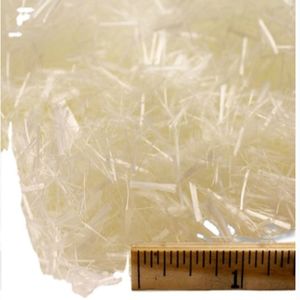
Overview of PP Concrete Fiber Monofilament Form for Cement Concrete
No ke kū'ē kiʻekiʻe, hāʻawi mākou i nā Fiber Steel, kahi mea hoʻololi kūpono no ka uwea welded mesh ma nā papahele ʻoihana a me nā mea hoʻolei mua. Hāʻawi pū mākou i nā Structural Synthetic Fibers kūikawā e hāʻawi ana i ka ikaika tensile kiʻekiʻe no nā noi noi.. Hoʻopuehu like ʻia kēia mau fiber i loko o ka hui ʻana, ka hoʻokumu ʻana i kahi pūnaewele hoʻoikaika nui i hiki ʻole ke hoʻokō i nā ʻano kuʻuna. Hoʻomaʻamaʻa kēia ʻano hoʻohui i ke kūkulu ʻana, hoʻokē hoʻokomo, a hoʻonui i ka pono holoʻokoʻa a me ka lōʻihi o ka lāʻau, hāʻawi ʻana i kahi pane hou i nā pilikia o ka wā kahiko a me ka lōʻihi.
Features of PP Concrete Fiber Monofilament Form for Cement Concrete
1. ʻOi aku ka mana o ka māwae a me ka hoʻoikaika ʻana i ka lōʻihi:
ʻO ka hiʻohiʻona nui o kā mākou fibers ko lākou hiki ke hoʻopaʻa i nā micro-cracks ʻelua i hana ʻia i ka wā o ke kūlana plastik a me nā māwae nui aʻe i loko o ke koʻa paʻa.. Hoʻokumu kēia dispersion ʻekolu-dimensional i kahi matrix cohesive ʻoi aku ka pale ʻana i ka hoʻolaha ʻana. ʻO ka pōmaikaʻi pololei, he hōʻemi nui ia i ka ʻāʻī ʻana o ka plastic a me ka laula māwae lōʻihi. Ke alakaʻi nei kēia i ka ʻoi aku ka lōʻihi o ke koʻikoʻi me ka haʻahaʻa haʻahaʻa, ʻo ia ka mea e hoʻonui ai i ke kū'ē i ka wai komo, pōʻino hoʻoheheʻe, a me ka palahu o kekahi kila i hookomoia. ʻO ka hopena he hale me ka lōʻihi o ke ola lawelawe a hoʻemi ʻia nā kumukūʻai mālama.
2. Hoʻonui i ka hopena a me ka pale ʻana i ka abrasion:
Nā pulu, ʻoi aku ke kila a me nā fiber macro synthetic ikaika, hoʻomaikaʻi maikaʻi i ka paʻakikī o ke kaʻa a me ka hana ma hope o ka haki. Lawe lākou a puʻunaue i ka ikehu ma ka hopena a i ʻole ka hoʻouka ʻana. Hāʻawi kēia hiʻohiʻona i ka pōmaikaʻi o kahi ʻili kūpaʻa ʻoi aku ka liʻiliʻi o ka spalling, ʻokiʻoki, a me ka abrasion ma lalo o ke kaʻa nui a i ʻole ka lole mīkini. He waiwai koʻikoʻi kēia no nā papahele ʻoihana, hale kūʻai pavements, a me nā papahana hoʻolālā, e alakaʻi ana i kahi ʻili paʻakikī e mālama i kona kūpaʻa i ka manawa.
3. ʻO ka maikaʻi o ke kūkulu ʻana a me ka mālama kālā:
ʻO kahi hiʻohiʻona nui o ka hoʻohana ʻana i ka fiber reinforcement ʻo ka hoʻopau ʻana i ka uwea welded mesh (WWF) i nā noi he nui. Hāʻawi kēia i nā pōmaikaʻi nui ma ka pūnaewele: maʻalahi ka hoʻokomo, no ka mea, ʻaʻohe mesh e hoʻonohonoho ʻia a hiki ke hoʻoneʻe ʻia, a hoʻokēʻai i ke kaʻina hana holoʻokoʻa. Ma ka wehe ʻana i kahi hana koʻikoʻi, ʻike nā papahana i ka hōʻemi ʻana i nā kumukūʻai hana a me ka wikiwiki o ka manawa papahana. ʻO ka hāʻawi like ʻana o nā fibers e hōʻoiaʻiʻo i ka hoʻoikaika paʻa ʻana ma ka ʻāpana koneki holoʻokoʻa, like ole mesh, hiki ke waiho pono ole ia, alakaʻi i ka hana hilinaʻi a wānana.

Specification of PP Concrete Fiber Monofilament Form for Cement Concrete
PP Concrete Fiber Monofilament– Technical Specification
Material and Structure
This item is made from 100% polypropylene (PP). It appears as a single-strand monofilament fiber. He laumania ka ili, with uniform thickness along its whole length. Fibers are devoid of lumps, tangles, or international materials.
Physical Qualities
Anawaena: 18– 45 microns
Nui: Loaʻa ma 6 mm, 12 mm, 19 mm, and personalized dimensions
Hoʻopaʻa ikaika: liʻiliʻi 450 MPa
Prolongation at break: 15% i 25%.
Mea hoohehee: E pili ana 165 ° C.
ʻO ka mānoanoa: A puni 0.91 g/cm ELUA.
Performance in Concrete
When mixed right into cement concrete, these fibers assist control early-age plastic shrinkage cracks. They disperse evenly throughout the mix without clumping. The fibers do not take in water, so they do not influence the water-cement proportion. Their hydrophobic nature makes sure lasting stability inside the hardened matrix.
Compatibility and Mixing
The fibers function well with typical concrete active ingredients, consisting of Rose city concrete, hōʻuluʻulu, a me nā mea hoʻohui maʻamau. Include them throughout the initial blending phase. ʻAʻole pono nā mea hana kūikawā. Standard drum or pan mixers manage them easily. Mix for at the very least 3– 5 mins after fiber enhancement to ensure full dispersion.
Hoʻopili huahana a me ka waiho ʻana
Fibers come in moisture-resistant polyethylene bags. Each bag holds 0.6 kg a i ʻole 1.0 kg, loaded inside tough cardboard boxes. Kūʻai ma kahi maloʻo loa, protected area away from direct sunshine. Maintain bags sealed until use to stop dirt accumulation or fixed issues.
Ka palekana a me ka lawelawe ʻana
Put on gloves and safety glasses throughout handling. Prevent breathing airborne fibers. Usage in well-ventilated locations. The material is non-toxic however may trigger moderate skin or eye inflammation with prolonged contact. Follow local safety and security standards when collaborating with building ingredients.
Applications of PP Concrete Fiber Monofilament Form for Cement Concrete
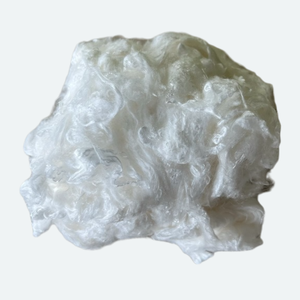
Applications of PP Concrete Fiber Monofilament in Cement Concrete
Enhanced Fracture Control
PP concrete fiber monofilament is widely used to reduce splitting in cement-based products. When blended right into fresh concrete, these fibers distribute equally and serve as an additional support. They aid manage plastic shrinkage splits that develop throughout early treating. This results in a much more consistent surface area with fewer visible flaws.
Boosted Resilience
Including polypropylene monofilament fibers enhances the long-lasting efficiency of concrete frameworks. The fibers stand up to corrosion, unlike steel supports, making them ideal for damp or chemically hostile atmospheres. They likewise limit water penetration by lessening microcracks, which slows down wear and tear from freeze-thaw cycles and chemical direct exposure.
Boosted Impact and Abrasion Resistance
Concrete containing PP monofilament reveals far better resistance to effect and surface area wear. This makes it ideal for commercial floors, nā paepae, and locations with hefty foot or car website traffic. The fibers soak up power and hold the matrix together even after preliminary fracturing, lowering spalling and cracking.
Hoʻohana maʻamau ma nā papahana
These fibers are easy to blend and need no unique devices. Contractors use them in residential pieces, commercial driveways, nā alahaka, tunnels, a me nā mea hana mua. Because they do not rust or discolor, they are additionally liked in building concrete where look matters. Their lightweight nature simplifies handling and storage space on-site.
Cost-Effective Efficiency Boost
Utilizing PP monofilament fibers usually reduces overall project expenses. They minimize the demand for welded cable mesh or additional labor in placing typical reinforcement. I ka manawa like, they prolong life span and cut maintenance costs in time. For several contractors, this equilibrium of price and performance makes them a useful selection for everyday concrete work.
ʻO ka moʻolelo o ka hui
ʻO mākou ke alakaʻi o ka honua i nā ʻenehana māmā a me nā hoʻonā ʻenehana i hana ʻia. ʻIke ʻia ma ka honua holoʻokoʻa no kāna kūpaʻa i ka noiʻi, mea hou, a me ka ʻike noiʻi, ke hāʻawi nei mākou i nā hoʻonā ʻenehana i hana ʻia mai ka makahiki 2012.
Hiki iā mākou ke hāʻawi aku i ka hoʻohui ʻana i nā mea hoʻohui kiʻekiʻe kiʻekiʻe a me nā huahana pili i ka foam concrete a puni ka honua.
He keʻena ʻenehana ʻoihana a me ka ʻoihana kiaʻi maikaʻi ka hui, he hale hana i hoolako pono ia, a hoʻolako ʻia me nā lako hoʻāʻo kiʻekiʻe a me ke kikowaena lawelawe mea kūʻai aku ma hope o ke kūʻai aku.
Inā hoihoi ʻoe, e ʻoluʻolu a e hoʻokaʻaʻike mai iā mākou.
Uku
T/T, Hui Komohana, Paypal, Kāleka ʻaiʻē etc.
Hoʻouna
Ma ka lewa, ma ke kai, ma ka hoike, e like me ke noi a nā mea kūʻai aku.
5 FAQs of PP Concrete Fiber Monofilament Form for Cement Concrete
Frequently Asked Questions About PP Concrete Fiber Monofilament
What is PP concrete fiber monofilament?
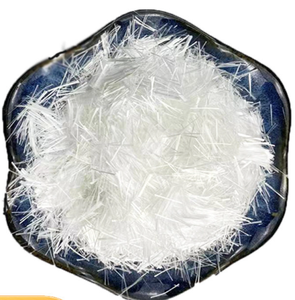
PP concrete fiber monofilament is a single-strand synthetic fiber made from polypropylene. Builders mix it into cement concrete to improve strength and reduce cracking. Hana maikaʻi ia ma nā papahele, nā paepae, and precast products.
Why add PP fibers to concrete?
Adding PP fibers helps control plastic shrinkage cracks. These cracks often appear when fresh concrete dries too fast. The fibers hold the concrete together during early curing. This leads to better surface durability and less maintenance over time.
How much fiber should I use per cubic meter?
ʻO ka dosage maʻamau mai 0.6 i 1.0 kg no ka mita kubiko o ke koki. Exact amounts depend on your project needs. E hahai mau i nā ʻōlelo a ka mea hana a i ʻole e nīnau i kahi ʻenekinia no nā hopena maikaʻi loa.
Can I mix PP fibers with other additives?
ʻAe, you can use PP fibers with common concrete additives like water reducers or air-entraining agents. Just make sure to mix everything evenly. Poor mixing may cause clumping and weaken the final product.
Does this fiber affect concrete workability?
Ma nā mea maʻamau, PP monofilament has little effect on workability. The concrete remains easy to place and finish. If you add too much fiber, the mix might get stiff. Keep the dosage within recommended limits to avoid this issue.
NOI I KA PALAPALA
NA HUAKAI PILI

Monofilament PP fiber no ka hoʻopaʻa paʻa ʻana i ka puʻupaʻa Polypropylene fiber me ka ikaika kiʻekiʻe

ʻO ka lōʻihi o ke aniani ʻokiʻoki ʻia i ke aniani ʻuala no ka palaki

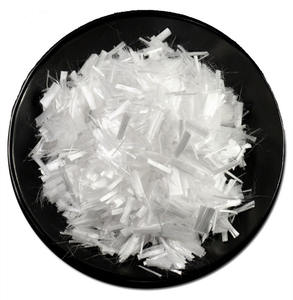
6mm Short Cutting PP Concrete Fiber for Concrete Reinforcement
Internal and External Wall Panels Wooden Wall Decors Cement Board Concrete Panel Concrete Fiber Cement Board

Hiki ke hoʻopilikino ʻia ka PP Fiber Polypropylene Fiber i hoʻohana ʻia i ka Concrete
