Lub teeb yuag qhob ntxiv | Kev Ua Haujlwm Siab Ua Foaming Cov Neeg Sawv Cev Rau Cov Khoom Siv Ntawm Tes

PRODUCT PARAMETERS
Description
Overview of PP Concrete Fiber Monofilament Form for Cement Concrete
For high-impact resistance, we offer Steel Fibers, an ideal replacement for welded wire mesh in industrial floors and pre-cast elements. We also provide specialized Structural Synthetic Fibers that offer high tensile strength for demanding applications. These fibers are uniformly dispersed throughout the concrete mix, creating a multi-dimensional reinforcement network that traditional methods cannot achieve. This integrated approach simplifies construction, accelerates placement, and enhances the overall integrity and longevity of the concrete, providing a modern answer to age-old cracking and durability challenges.
Features of PP Concrete Fiber Monofilament Form for Cement Concrete
1. Superior Tawg Tswj thiab Enhanced Durability:
Qhov tseem ceeb ntawm peb cov fibers yog lawv lub peev xwm los txuas ob qho tib si micro-kab nrib pleb uas tsim thaum lub sij hawm lub xeev yas thiab cov kab nrib pleb loj dua hauv cov pob zeb tawg tawv. Qhov no peb-dimensional dispersion ua rau muaj kev sib koom ua ke ntau dua uas tiv taus cov kab nrib pleb propagation. Cov txiaj ntsig ncaj qha yog qhov kev txo qis hauv ob qho tib si yas shrinkage cracking thiab ntev lub sij hawm tawg dav. Qhov no ua rau muaj kev sib tw ntau dua nrog qis permeability, which in turn enhances resistance to water ingress, freeze-thaw damage, and corrosion of any embedded steel. The result is a structure with a longer service life and reduced maintenance costs.
2. Increased Impact and Abrasion Resistance:
Fibers, particularly steel and robust synthetic macro fibers, dramatically improve the concrete’s toughness and post-crack performance. They absorb and distribute energy upon impact or loading. This feature provides the benefit of a more resilient surface that is less prone to spalling, chipping, and abrasion under heavy traffic or mechanical wear. This is a critical advantage for industrial floors, warehouse pavements, and infrastructure projects, leading to a harder-wearing surface that maintains its integrity over time.
3. Construction Efficiency and Cost Savings:
A key feature of using fiber reinforcement is the elimination of welded wire mesh (WWF) in many applications. This provides immense on-site benefits: it simplifies placement, as there is no mesh to be set up or potentially displaced, and it accelerates the entire construction process. By removing a labor-intensive step, projects see reduced labor costs and faster project timelines. The uniform distribution of fibers also ensures consistent reinforcement throughout the entire concrete section, unlike mesh, which can be improperly placed, leading to more reliable and predictable performance.

Specification of PP Concrete Fiber Monofilament Form for Cement Concrete
PP Concrete Fiber Monofilament– Technical Specification
Material and Structure
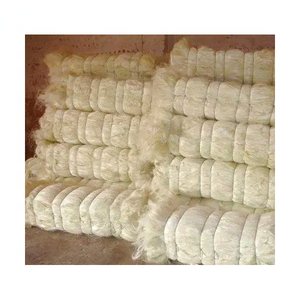
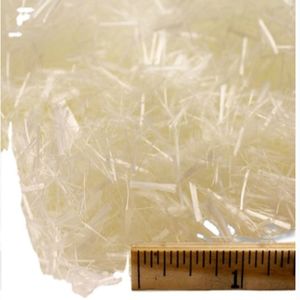
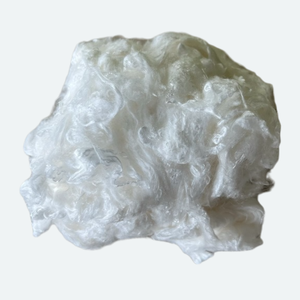
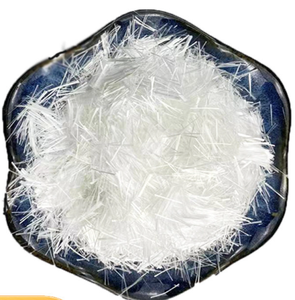
This item is made from 100% polypropylene (PP). It appears as a single-strand monofilament fiber. The surface is smooth, with uniform thickness along its whole length. Fibers are devoid of lumps, tangles, or international materials.
Physical Qualities
Txoj kab uas hla: 18– 45 Microns
Size: Muaj nyob rau hauv 6 hli, 12 hli, 19 hli, and personalized dimensions
Tensile zog: Yam tsawg kawg nkaus 450 MPa
Prolongation at break: 15% rau 25%.
Melting factor: Txog 165 ° C.
Ceev: kwv yees 0.91 g / cm².
Performance in Concrete
When mixed right into cement concrete, these fibers assist control early-age plastic shrinkage cracks. They disperse evenly throughout the mix without clumping. The fibers do not take in water, so they do not influence the water-cement proportion. Their hydrophobic nature makes sure lasting stability inside the hardened matrix.
Compatibility and Mixing
The fibers function well with typical concrete active ingredients, consisting of Rose city concrete, aggregates, and common admixtures. Include them throughout the initial blending phase. No unique devices is needed. Standard drum or pan mixers manage them easily. Mix for at the very least 3– 5 mins after fiber enhancement to ensure full dispersion.
Product packaging and Storage
Fibers come in moisture-resistant polyethylene bags. Each bag holds 0.6 kg or 1.0 kg, loaded inside tough cardboard boxes. Khaws cia hauv qhov qhuav kiag li, protected area away from direct sunshine. Maintain bags sealed until use to stop dirt accumulation or fixed issues.
Kev nyab xeeb thiab tuav
Put on gloves and safety glasses throughout handling. Prevent breathing airborne fibers. Usage in well-ventilated locations. The material is non-toxic however may trigger moderate skin or eye inflammation with prolonged contact. Follow local safety and security standards when collaborating with building ingredients.
Applications of PP Concrete Fiber Monofilament Form for Cement Concrete
Applications of PP Concrete Fiber Monofilament in Cement Concrete
Enhanced Fracture Control
PP concrete fiber monofilament is widely used to reduce splitting in cement-based products. Thaum sib xyaw kom zoo rau hauv pob zeb tshiab, these fibers distribute equally and serve as an additional support. They aid manage plastic shrinkage splits that develop throughout early treating. This results in a much more consistent surface area with fewer visible flaws.
Boosted Resilience
Including polypropylene monofilament fibers enhances the long-lasting efficiency of concrete frameworks. The fibers stand up to corrosion, unlike steel supports, making them ideal for damp or chemically hostile atmospheres. They likewise limit water penetration by lessening microcracks, which slows down wear and tear from freeze-thaw cycles and chemical direct exposure.
Boosted Impact and Abrasion Resistance
Concrete containing PP monofilament reveals far better resistance to effect and surface area wear. This makes it ideal for commercial floors, txoj kev, and locations with hefty foot or car website traffic. The fibers soak up power and hold the matrix together even after preliminary fracturing, lowering spalling and cracking.
Kev siv ntau yam hauv ntau txoj haujlwm
These fibers are easy to blend and need no unique devices. Contractors use them in residential pieces, commercial driveways, o, tunnels, thiab precast ntsiab. Because they do not rust or discolor, they are additionally liked in building concrete where look matters. Their lightweight nature simplifies handling and storage space on-site.
Cost-Effective Efficiency Boost
Utilizing PP monofilament fibers usually reduces overall project expenses. They minimize the demand for welded cable mesh or additional labor in placing typical reinforcement. Nyob rau tib lub sijhawm, they prolong life span and cut maintenance costs in time. For several contractors, this equilibrium of price and performance makes them a useful selection for everyday concrete work.
Company Profile
Peb yog tus thawj coj thoob ntiaj teb hauv lub teeb yuag qhob thiab advanced engineered ua npuas ncauj daws teeb meem. Renowned thoob ntiaj teb rau peb txoj kev cog lus rau kev tshawb fawb, innovation, thiab applied kev txawj ntse, Peb tau xa engineered ua npuas ncauj daws txij thaum ntxov 2010s.
Peb tuaj yeem muab cov khoom lag luam zoo thiab ua npuas ncauj qhob ntsig txog cov khoom lag luam thoob ntiaj teb.
The company has a professional technical department and quality supervision department, a well-equipped laboratory, and equipped with advanced testing equipment and after-sales customer service center.
If you are interested, please feel free and contact us.
Them nyiaj
T / T, Western Union, PayPal, Credit Card thiab lwm yam.
Shipment
Los ntawm huab cua, los ntawm hiav txwv, los ntawm kev nthuav tawm, raws li cov neeg siv khoom thov.
5 FAQs of PP Concrete Fiber Monofilament Form for Cement Concrete
Frequently Asked Questions About PP Concrete Fiber Monofilament
What is PP concrete fiber monofilament?
PP concrete fiber monofilament is a single-strand synthetic fiber made from polypropylene. Builders mix it into cement concrete to improve strength and reduce cracking. Nws ua haujlwm zoo hauv pem teb, txoj kev, and precast products.
Vim li cas ntxiv PP fibers rau pob zeb?
Adding PP fibers helps control plastic shrinkage cracks. These cracks often appear when fresh concrete dries too fast. The fibers hold the concrete together during early curing. This leads to better surface durability and less maintenance over time.
How much fiber should I use per cubic meter?
Ntau npaum li cas los ntawm 0.6 rau 1.0 kg per cubic meter of concrete. Exact amounts depend on your project needs. Always follow the manufacturer’s instructions or consult an engineer for best results.
Can I mix PP fibers with other additives?
Yog, you can use PP fibers with common concrete additives like water reducers or air-entraining agents. Just make sure to mix everything evenly. Poor mixing may cause clumping and weaken the final product.
Does this fiber affect concrete workability?
u, PP monofilament has little effect on workability. The concrete remains easy to place and finish. If you add too much fiber, the mix might get stiff. Keep the dosage within recommended limits to avoid this issue.
THOV IB NQE LUS
RELATED PRODUCTS
Cold and Hot Pressing Glass Fiber Pallet Making Machine Concrete Block GMT Pallet Making Machinery
100 Percent Polypropylene Engineering Concrete Fiber for Aggregate Concrete Filling Material for Industrial Mortar
Fiber Reinforced Fibres Concrete Additive Polypropylene Fiber Synthetic PP fiber
Carbon Fiber Concrete Reinforcement Mesh Unidirectional Carbon Fiber 12K Twill Woven Carbon Fiber Fabric

Staple monofilament polypropylene PP fiber rau pob zeb ua kom muaj zog