


Nā Pākuʻi Paʻa Māmā | Nā ʻĀpana Hoʻohuʻi Kiʻekiʻe no ka Kelepona Kelepona


NA PALAPALA HUA
wehewehe
Overview of Polypropylene Micro Concrete Fiber Concrete Reinforced Fiber
No ke kū'ē kiʻekiʻe, hāʻawi mākou i nā Fiber Steel, kahi mea hoʻololi kūpono no ka uwea welded mesh ma nā papahele ʻoihana a me nā mea hoʻolei mua. Hāʻawi pū mākou i nā Structural Synthetic Fibers kūikawā e hāʻawi ana i ka ikaika tensile kiʻekiʻe no nā noi noi.. Hoʻopuehu like ʻia kēia mau fiber i loko o ka hui ʻana, ka hoʻokumu ʻana i kahi pūnaewele hoʻoikaika nui i hiki ʻole ke hoʻokō i nā ʻano kuʻuna. Hoʻomaʻamaʻa kēia ʻano hoʻohui i ke kūkulu ʻana, hoʻokē hoʻokomo, a hoʻonui i ka pono holoʻokoʻa a me ka lōʻihi o ka lāʻau, hāʻawi ʻana i kahi pane hou i nā pilikia o ka wā kahiko a me ka lōʻihi.
Features of Polypropylene Micro Concrete Fiber Concrete Reinforced Fiber
1. ʻOi aku ka mana o ka māwae a me ka hoʻoikaika ʻana i ka lōʻihi:
ʻO ka hiʻohiʻona nui o kā mākou fibers ko lākou hiki ke hoʻopaʻa i nā micro-cracks ʻelua i hana ʻia i ka wā o ke kūlana plastik a me nā māwae nui aʻe i loko o ke koʻa paʻa.. Hoʻokumu kēia dispersion ʻekolu-dimensional i kahi matrix cohesive ʻoi aku ka pale ʻana i ka hoʻolaha ʻana. ʻO ka pōmaikaʻi pololei, he hōʻemi nui ia i ka ʻāʻī ʻana o ka plastic a me ka laula māwae lōʻihi. Ke alakaʻi nei kēia i ka ʻoi aku ka lōʻihi o ke koʻikoʻi me ka haʻahaʻa haʻahaʻa, ʻo ia ka mea e hoʻonui ai i ke kū'ē i ka wai komo, pōʻino hoʻoheheʻe, a me ka palahu o kekahi kila i hookomoia. ʻO ka hopena he hale me ka lōʻihi o ke ola lawelawe a hoʻemi ʻia nā kumukūʻai mālama.
2. Hoʻonui i ka hopena a me ka pale ʻana i ka abrasion:
Nā pulu, ʻoi aku ke kila a me nā fiber macro synthetic ikaika, hoʻomaikaʻi maikaʻi i ka paʻakikī o ke kaʻa a me ka hana ma hope o ka haki. Lawe lākou a puʻunaue i ka ikehu ma ka hopena a i ʻole ka hoʻouka ʻana. Hāʻawi kēia hiʻohiʻona i ka pōmaikaʻi o kahi ʻili kūpaʻa ʻoi aku ka liʻiliʻi o ka spalling, ʻokiʻoki, a me ka abrasion ma lalo o ke kaʻa nui a i ʻole ka lole mīkini. He waiwai koʻikoʻi kēia no nā papahele ʻoihana, hale kūʻai pavements, a me nā papahana hoʻolālā, e alakaʻi ana i kahi ʻili paʻakikī e mālama i kona kūpaʻa i ka manawa.
3. ʻO ka maikaʻi o ke kūkulu ʻana a me ka mālama kālā:
ʻO kahi hiʻohiʻona nui o ka hoʻohana ʻana i ka fiber reinforcement ʻo ka hoʻopau ʻana i ka uwea welded mesh (WWF) i nā noi he nui. Hāʻawi kēia i nā pōmaikaʻi nui ma ka pūnaewele: maʻalahi ka hoʻokomo, no ka mea, ʻaʻohe mesh e hoʻonohonoho ʻia a hiki ke hoʻoneʻe ʻia, a hoʻokēʻai i ke kaʻina hana holoʻokoʻa. Ma ka wehe ʻana i kahi hana koʻikoʻi, ʻike nā papahana i ka hōʻemi ʻana i nā kumukūʻai hana a me ka wikiwiki o ka manawa papahana. ʻO ka hāʻawi like ʻana o nā fibers e hōʻoiaʻiʻo i ka hoʻoikaika paʻa ʻana ma ka ʻāpana koneki holoʻokoʻa, like ole mesh, hiki ke waiho pono ole ia, alakaʻi i ka hana hilinaʻi a wānana.

Specification of Polypropylene Micro Concrete Fiber Concrete Reinforced Fiber
Polypropylene Micro Concrete Fiber– Nā Koina Huahana
Hoʻolauna
Polypropylene micro concrete fiber is a synthetic support used in concrete and mortar mixes. It assists manage breaking caused by plastic contraction and drying out contraction. The fibers are equally distributed throughout the mix to enhance sturdiness, hopena kū'ē, and longevity.
Mea huna
Mea waiwai: 100% polypropylene puʻupaʻa
Fiber Size: ʻO ka maʻamau 6 mm i 19 mm (criterion is 12 mm).
Anawaena: Roughly 18– 32 microns.
Paʻa Paʻa: liʻiliʻi 450 MPa.
Elongation ma ka Haka: Ma kahi o 15– 25%.
Melting Factor: E pili ana i ka 160– 170 ° C.
ʻO ka mānoanoa: 0.91 g/cm EHA.
These fibers do not soak up water and resist most chemicals located in concrete environments. They continue to be stable during blending, positioning, and ending up.
Nā Pōmaikaʻi ma ka Paʻa
Mana Haʻihaʻi: Lowers early-age plastic shrinking fractures by creating a consistent network inside the concrete matrix.
Kūʻē Kūʻē: Enhances the capacity of concrete to soak up energy under unexpected loads.
Spalling Resistance: Assists hold concrete with each other throughout fire exposure or severe tension, lowering the danger of surface spalling.
Hiki ke hana: Does not conflict with typical concrete positioning or finishing approaches when used at advised dosages.
Manaʻo ʻia
Hoʻohana 0.6 kg i 1.2 kg o ka fiber no ka mika cubic o ke koki (roughly 1 i 2 pounds per cubic backyard). Specific dose relies on project needs and performance goals. Always follow mix design guidelines from a certified designer.
Nā noi
Ideal for household pieces, industrial floors, nā paepae, pana pana, ʻano precast, stucco, a me ka hooponopono ana i na morta hana. Commonly made use of where improved fracture resistance and long-lasting resilience are needed without adding steel reinforcement.

Applications of Polypropylene Micro Concrete Fiber Concrete Reinforced Fiber
Applications of Polypropylene Micro Concrete Fiber
ʻOi aku ka ikaika no ka hoʻohana ʻana i kēlā me kēia lā
Polypropylene mini fibers are little synthetic strands mixed into concrete during batching. They aid control splitting caused by shrinking as the concrete dries. This makes the final product much more durable and resilient.
These fibers are widely utilized in household and industrial flooring. When contributed to slab-on-grade pours, they lower surface area splits and boost wear resistance. Specialists value exactly how the fibers remove the requirement for second steel mesh in most cases, conserving time and labor expenses.
Much Better Efficiency in Harsh Conditions
In areas with freeze-thaw cycles or exposure to deicing salts, polypropylene fibers boost concrete’s ability to endure damage. The fibers hold the product together also after little splits create, preventing them from growing larger. This is especially beneficial for driveways, alanui alanui, a me kahi kaʻa.
They additionally boost influence resistance. That’s why they prevail in commercial settings like storehouses and packing docks, where heavy equipment steps continuously. The concrete stays undamaged under duplicated stress and point lots.
Flexible and Easy to Utilize
Adding polypropylene micro fibers calls for no special devices or training. They mix conveniently into standard concrete mixers and do not interfere with ending up techniques. Builders can use them with other admixtures without compatibility problems.
The fibers are non-corrosive and chemically inert, so they will not deteriorate over time or react with cement. This makes certain regular efficiency throughout the framework’s life.
From cellars and foundations to precast panels and shotcrete applications, polypropylene mini fibers supply a basic yet reliable means to upgrade concrete top quality. Their advantages turn up early– during positioning– and last for several years via enhanced toughness and fracture control.
ʻO ka moʻolelo o ka hui
ʻO mākou ke alakaʻi o ka honua i nā ʻenehana māmā a me nā hoʻonā ʻenehana i hana ʻia. ʻIke ʻia ma ka honua holoʻokoʻa no kāna kūpaʻa i ka noiʻi, mea hou, a me ka ʻike noiʻi, ke hāʻawi nei mākou i nā hoʻonā ʻenehana i hana ʻia mai ka makahiki 2012.
Hiki iā mākou ke hāʻawi aku i ka hoʻohui ʻana i nā mea hoʻohui kiʻekiʻe kiʻekiʻe a me nā huahana pili i ka foam concrete a puni ka honua.
He keʻena ʻenehana ʻoihana a me ka ʻoihana kiaʻi maikaʻi ka hui, he hale hana i hoolako pono ia, a hoʻolako ʻia me nā lako hoʻāʻo kiʻekiʻe a me ke kikowaena lawelawe mea kūʻai aku ma hope o ke kūʻai aku.
Inā hoihoi ʻoe, e ʻoluʻolu a e hoʻokaʻaʻike mai iā mākou.
Uku
T/T, Hui Komohana, Paypal, Kāleka ʻaiʻē etc.
Hoʻouna
Ma ka lewa, ma ke kai, ma ka hoike, e like me ke noi a nā mea kūʻai aku.
5 FAQs of Polypropylene Micro Concrete Fiber Concrete Reinforced Fiber
Frequently Asked Questions About Polypropylene Micro Concrete Fiber
What is polypropylene micro concrete fiber?
Polypropylene micro concrete fiber is a synthetic fiber made from polypropylene. It is added to concrete or mortar mixes to improve strength and reduce cracking. These fibers are very fine and evenly spread through the mix.
Why use this fiber in concrete?
This fiber helps control shrinkage cracks that happen when concrete dries. It also boosts impact resistance and keeps the concrete more durable over time. The fibers act like tiny reinforcements inside the material.
ʻEhia ka nui o ka fiber e pono iaʻu e hoʻohui i kaʻu hui?
ʻO ka dosage maʻamau ma waena 0.6 i 1.0 kg no ka mita kubiko o ke koki. E hahai mau i nā ʻōlelo a ka mea hana. ʻAʻole kōkua nui ka liʻiliʻi. Too much can make mixing harder and affect workability.
Hiki iaʻu ke hoʻohana me nā mea hoʻohui ʻē aʻe?
ʻAe, you can use it with most common concrete additives like water reducers or air-entraining agents. E nānā wale i ka hoʻohālikelike mua. Mixing different products without testing might cause issues.
Hoʻololi ia i ka hoʻoikaika kila?
ʻAʻole, it does not replace steel bars or mesh. Hana kēia fiber ma ke ʻano he hoʻoikaika lua. It handles small cracks and improves toughness but cannot carry structural loads like steel does. Use both for best results in heavy-duty applications.
NOI I KA PALAPALA
NA HUAKAI PILI
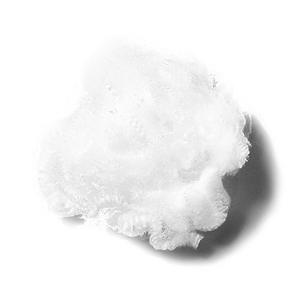
12 mm Polypropylene Fiber no nā kaula ʻoki ʻoki ʻia PP i hoʻoikaika ʻia

Kiʻekiʻe kiʻekiʻe acrylic anti-corrosion a kiʻekiʻe-mehana kū'ē 'enekinia fiber concrete
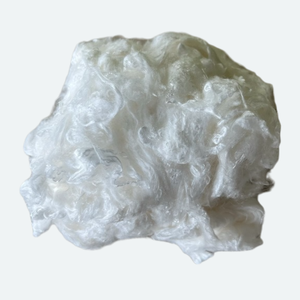
Hoʻohuihui ʻia i ka moka 100% Polyester Micro Fiber
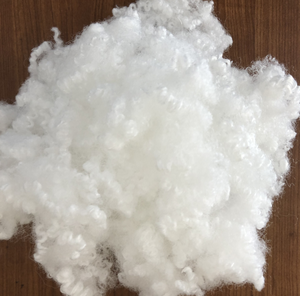
Mea Kima Hou Hooked End Steel Fiber no ka Hana Paa UHPC Fiber

China Factory Direct Concrete Mortar Reinforced Polypropylene Concrete Fiber 3 6 9 12 19 21mm
