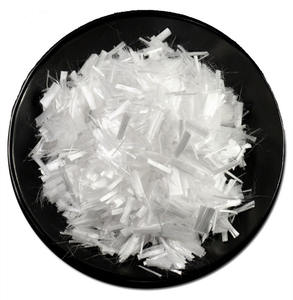
Ihe mgbakwunye ihe dị fechaa | Ndị na-ahụ maka ụfụfụ na-arụ ọrụ dị elu maka ihe nhịahụ cellular


PRAMETERS ngwaahịa
Nkọwa
Overview of Polypropylene Micro Concrete Fiber Concrete Reinforced Fiber
Maka nguzogide mmetụta dị elu, anyị na-enye Steel Fibers, ezigbo ndochi maka welded waya ntupu na ulo oru ala na tupu nkedo ihe. Anyị na-enyekwa eriri sịntetịtịk Structural pụrụ iche nke na-enye ike tensile dị elu maka ngwa na-achọsi ike. A na-agbasasị eriri ndị a n'otu n'otu n'ime ngwakọta kọmpụta, ịmepụta netwọk nkwado ọtụtụ akụkụ nke usoro ọdịnala na-enweghị ike imezu. Usoro a jikọtara ọnụ na-eme ka owuwu dị mfe, na-eme ka ntinye ngwa ngwa, na enhances n'ozuzu iguzosi ike n'ezi ihe na ogologo ndụ nke ihe, na-enye azịza ọgbara ọhụrụ maka mgbawa mgbawa na ogologo oge.
Features of Polypropylene Micro Concrete Fiber Concrete Reinforced Fiber
1. Njikwa mgbapeka dị elu yana ịdịte aka emelitere:
Akụkụ bụ isi nke eriri anyị bụ ikike ha nwere ijikọ ma micro-cracks nke na-etolite n'oge steeti plastik yana mgbawa buru ibu na kọmpụta siri ike.. Mgbasa nke akụkụ atọ a na-emepụta matriks na-ejikọta ọnụ nke na-egbochi mgbasa mgbape. Uru a na-enweta kpọmkwem bụ mbelata dị ukwuu na mgbawa plastic shrinkage na obosara ogologo oge. Nke a na-eduga na a ukwuu ọzọ inogide ihe na ala permeability, nke na-eme ka iguzogide mmiri na-abanye, ifriizi-mebie mmebi, na corrosion nke ígwè ọ bụla agbakwunyere. Ihe si na ya pụta bụ nhazi nke nwere ogologo ndụ ọrụ yana belata ụgwọ ọrụ nlekọta.
2. Mmụba Mmetụta yana Mgbochi Abrasion:
eriri, karịsịa ígwè na siri ike sịntetik nnukwu eriri, na-emeziwanye ike nke ihe siri ike na ịrụ ọrụ mgbe mgbawa gasịrị. Ha na-amịkọrọ ma kesaa ike n'elu mmetụta ma ọ bụ ibu. Njirimara a na-enye abamuru nke elu na-agbanwe agbanwe nke na-adịchaghị mfe spalling, chipping, na abrasion n'okpuru oké okporo ụzọ ma ọ bụ n'ibu eyi. Nke a bụ uru dị oke egwu maka ala ụlọ ọrụ mmepụta ihe, pavement ụlọ nkwakọba ihe, na akụrụngwa akụrụngwa, na-eduga n'elu elu na-eyi ihe siri ike nke na-edobe iguzosi ike n'ezi ihe ya ka oge na-aga.
3. Ịrụ ọrụ nke ọma na ego ego:
Otu akụkụ dị mkpa nke iji nkwado eriri bụ mkpochapụ ntupu eriri welded (WWF) n'ọtụtụ ngwa. Nke a na-enye nnukwu uru na saịtị: ọ na-eme ka ntinye dị mfe, n'ihi na enweghị ntupu a ga-edozi ma ọ bụ nwee ike ịkwapụ, na ọ na-eme ka usoro ihe owuwu ahụ dum dịkwuo elu. Site n'iwepụ nzọụkwụ na-akpa ike, oru ngo na-ahụ mbelata ụgwọ ọrụ na usoro iheomume ngwa ngwa. Nkesa otu nke eriri na-eme ka nkwado na-agbanwe agbanwe na mpaghara kọmpụta niile, n'adịghị ka ntupu, nke enwere ike itinye ya n'ụzọ na-ekwesịghị ekwesị, na-eduga na arụmọrụ a pụrụ ịdabere na ya na nke a pụrụ ịkọ.

Specification of Polypropylene Micro Concrete Fiber Concrete Reinforced Fiber
Polypropylene Micro Concrete Fiber– Ngwaahịa chọrọ
Okwu mmalite
Polypropylene micro concrete fiber is a synthetic support used in concrete and mortar mixes. It assists manage breaking caused by plastic contraction and drying out contraction. The fibers are equally distributed throughout the mix to enhance sturdiness, mmetụta iguzogide, na ogologo ndu.
Nzuzo gụnyere
Ihe onwunwe: 100% polypropylene na-amaghị nwoke
Nha eriri: Na-emekarị 6 mm na 19 mm (criterion is 12 mm).
Dayameta: Ihe dị ka afọ 18– 32 microns.
Ịkwụsị ike: Opekempe 450 MPa.
Elongation na ezumike: Gburugburu 15– 25%.
Ihe na-agbaze: Regarding 160– 170 Celsius C.
Njupụta: 0.91 g/cm anọ.
These fibers do not soak up water and resist most chemicals located in concrete environments. They continue to be stable during blending, n'ọkwa, na-agwụcha.
Uru dị na Concrete
Njikwa mgbaji: Lowers early-age plastic shrinking fractures by creating a consistent network inside the concrete matrix.
Mmetụta Nguzogide: Enhances the capacity of concrete to soak up energy under unexpected loads.
Spalling Resistance: Assists hold concrete with each other throughout fire exposure or severe tension, lowering the danger of surface spalling.
Ịrụ ọrụ: Does not conflict with typical concrete positioning or finishing approaches when used at advised dosages.
Atụmatụ dose
Jiri 0.6 kg na 1.2 n'arọ nke eriri kwa cubic mita nke ihe (roughly 1 ka 2 pounds per cubic backyard). Specific dose relies on project needs and performance goals. Always follow mix design guidelines from a certified designer.
Ngwa
Ideal for household pieces, ụlọ mmepụta ihe, pavement, shotcrete, akụkụ precast, stucco, na rụkwaa ngwa agha ọrụ. Commonly made use of where improved fracture resistance and long-lasting resilience are needed without adding steel reinforcement.

Applications of Polypropylene Micro Concrete Fiber Concrete Reinforced Fiber
Applications of Polypropylene Micro Concrete Fiber
Concrete siri ike maka ojiji kwa ụbọchị
Polypropylene mini fibers are little synthetic strands mixed into concrete during batching. They aid control splitting caused by shrinking as the concrete dries. This makes the final product much more durable and resilient.
These fibers are widely utilized in household and industrial flooring. When contributed to slab-on-grade pours, they lower surface area splits and boost wear resistance. Specialists value exactly how the fibers remove the requirement for second steel mesh in most cases, conserving time and labor expenses.
Ịrụ ọrụ kacha mma na ọnọdụ Harsh
In areas with freeze-thaw cycles or exposure to deicing salts, polypropylene fibers boost concrete’s ability to endure damage. The fibers hold the product together also after little splits create, preventing them from growing larger. This is especially beneficial for driveways, okporo ụzọ, na ebe a na-adọba ụgbọala.
They additionally boost influence resistance. That’s why they prevail in commercial settings like storehouses and packing docks, where heavy equipment steps continuously. The concrete stays undamaged under duplicated stress and point lots.
Mgbanwe ma dị mfe iji
Adding polypropylene micro fibers calls for no special devices or training. They mix conveniently into standard concrete mixers and do not interfere with ending up techniques. Builders can use them with other admixtures without compatibility problems.
The fibers are non-corrosive and chemically inert, so they will not deteriorate over time or react with cement. This makes certain regular efficiency throughout the framework’s life.
From cellars and foundations to precast panels and shotcrete applications, polypropylene mini fibers supply a basic yet reliable means to upgrade concrete top quality. Their advantages turn up early– during positioning– and last for several years via enhanced toughness and fracture control.
Nkọwapụta Ụlọ ọrụ
Anyị bụ ndị ndu zuru ụwa ọnụ na ngwọta ụfụfụ dị fechaa na nke dị elu. Amara ụwa niile maka ntinye aka ya na nyocha, ihe ọhụrụ, na etinyere nka nka, anyị na-enye ihe ngwọta ụfụfụ emepụtara kemgbe mmalite 2012.
Anyị nwere ike na-enye elu-edu ihe admixture na ụfụfụ ihe metụtara ngwaahịa n'ụwa nile.
Ụlọ ọrụ ahụ nwere ngalaba ọkachamara ọkachamara na ngalaba nlekọta àgwà, ụlọ nyocha nke ọma, na kwadebere na elu ule akụrụngwa na mgbe-sales ahịa ọrụ center.
Ọ bụrụ na ị nwere mmasị, biko nweere onwe gị ma kpọtụrụ anyị.
Ịkwụ ụgwọ
T/T, Western Union, Paypal, Kaadị kredit wdg.
Mbupu
Site n'ikuku, site n'oké osimiri, site na nkwuwa okwu, dị ka ndị ahịa na-arịọ.
5 FAQs of Polypropylene Micro Concrete Fiber Concrete Reinforced Fiber
Frequently Asked Questions About Polypropylene Micro Concrete Fiber
What is polypropylene micro concrete fiber?
Polypropylene micro concrete fiber is a synthetic fiber made from polypropylene. It is added to concrete or mortar mixes to improve strength and reduce cracking. These fibers are very fine and evenly spread through the mix.
Kedu ihe kpatara eji eriri a na-eme ihe na kọmpụta?
This fiber helps control shrinkage cracks that happen when concrete dries. It also boosts impact resistance and keeps the concrete more durable over time. The fibers act like tiny reinforcements inside the material.
Kedu eriri eriri ka m ga-agbakwunye na ngwakọta m?
Usoro ọgwụgwọ mbụ dị n'etiti 0.6 ka 1.0 n'arọ kwa cubic mita nke ihe. Soro ntuziaka onye nrụpụta mgbe niile. Obere ntakịrị nwere ike ọ gaghị enyere aka nke ukwuu. Too much can make mixing harder and affect workability.
Enwere m ike iji ya na mgbakwunye ndị ọzọ?
Ee, you can use it with most common concrete additives like water reducers or air-entraining agents. Just check compatibility first. Mixing different products without testing might cause issues.
Ọ na-edochi nkwado nchara?
Mba, it does not replace steel bars or mesh. eriri a na-arụ ọrụ dị ka nkwado nke abụọ. It handles small cracks and improves toughness but cannot carry structural loads like steel does. Use both for best results in heavy-duty applications.
RỊỌRỌ OKWU
Ngwaahịa ndị metụtara
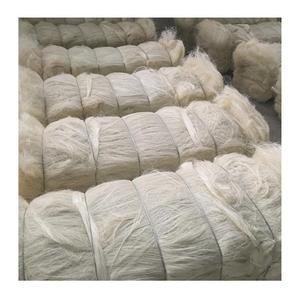
Ngwongwo ihe eji eme ihe maka mgbake
Ntupu iko ihe eji eme ihe Ar 20Cm Plaster Fabric Glass Fiber Mesh Fiberglass
Carbon Concrete Fiber nwere ike dị elu 450g Triaxial Carbon Fiber maka ndozi ihe.
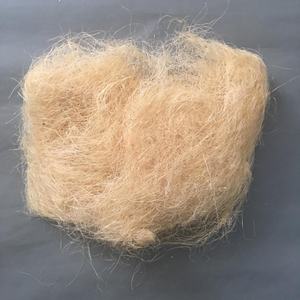
PP Polypropylene Monofilament Concrete Fiber Polypropylene Synthetic Staple Fiber maka ciment ihe.

Ihe Concrete 12mm PP Fiber Monofilament gbanyere polypropylene Monofilament Fiber Maka kọmpụta.