


Ihe mgbakwunye ihe dị fechaa | Ndị na-ahụ maka ụfụfụ na-arụ ọrụ dị elu maka ihe nhịahụ cellular

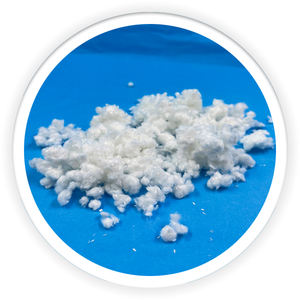
PRAMETERS ngwaahịa
Nkọwa
Overview of Concrete with Polypropylene Concrete Fiber s Direct
Maka nguzogide mmetụta dị elu, anyị na-enye Steel Fibers, ezigbo ndochi maka welded waya ntupu na ulo oru ala na tupu nkedo ihe. Anyị na-enyekwa eriri sịntetịtịk Structural pụrụ iche nke na-enye ike tensile dị elu maka ngwa na-achọsi ike. A na-agbasasị eriri ndị a n'otu n'otu n'ime ngwakọta kọmpụta, ịmepụta netwọk nkwado ọtụtụ akụkụ nke usoro ọdịnala na-enweghị ike imezu. Usoro a jikọtara ọnụ na-eme ka owuwu dị mfe, na-eme ka ntinye ngwa ngwa, na enhances n'ozuzu iguzosi ike n'ezi ihe na ogologo ndụ nke ihe, na-enye azịza ọgbara ọhụrụ maka mgbawa mgbawa na ogologo oge.
Features of Concrete with Polypropylene Concrete Fiber s Direct
1. Njikwa mgbapeka dị elu yana ịdịte aka emelitere:
Akụkụ bụ isi nke eriri anyị bụ ikike ha nwere ijikọ ma micro-cracks nke na-etolite n'oge steeti plastik yana mgbawa buru ibu na kọmpụta siri ike.. Mgbasa nke akụkụ atọ a na-emepụta matriks na-ejikọta ọnụ nke na-egbochi mgbasa mgbape. Uru a na-enweta kpọmkwem bụ mbelata dị ukwuu na mgbawa plastic shrinkage na obosara ogologo oge. Nke a na-eduga na a ukwuu ọzọ inogide ihe na ala permeability, nke na-eme ka iguzogide mmiri na-abanye, ifriizi-mebie mmebi, na corrosion nke ígwè ọ bụla agbakwunyere. Ihe si na ya pụta bụ nhazi nke nwere ogologo ndụ ọrụ yana belata ụgwọ ọrụ nlekọta.
2. Mmụba Mmetụta yana Mgbochi Abrasion:
eriri, karịsịa ígwè na siri ike sịntetik nnukwu eriri, na-emeziwanye ike nke ihe siri ike na ịrụ ọrụ mgbe mgbawa gasịrị. Ha na-amịkọrọ ma kesaa ike n'elu mmetụta ma ọ bụ ibu. Njirimara a na-enye abamuru nke elu na-agbanwe agbanwe nke na-adịchaghị mfe spalling, chipping, na abrasion n'okpuru oké okporo ụzọ ma ọ bụ n'ibu eyi. Nke a bụ uru dị oke egwu maka ala ụlọ ọrụ mmepụta ihe, pavement ụlọ nkwakọba ihe, na akụrụngwa akụrụngwa, na-eduga n'elu elu na-eyi ihe siri ike nke na-edobe iguzosi ike n'ezi ihe ya ka oge na-aga.
3. Ịrụ ọrụ nke ọma na ego ego:
Otu akụkụ dị mkpa nke iji nkwado eriri bụ mkpochapụ ntupu eriri welded (WWF) n'ọtụtụ ngwa. Nke a na-enye nnukwu uru na saịtị: ọ na-eme ka ntinye dị mfe, n'ihi na enweghị ntupu a ga-edozi ma ọ bụ nwee ike ịkwapụ, na ọ na-eme ka usoro ihe owuwu ahụ dum dịkwuo elu. Site n'iwepụ nzọụkwụ na-akpa ike, oru ngo na-ahụ mbelata ụgwọ ọrụ na usoro iheomume ngwa ngwa. Nkesa otu nke eriri na-eme ka nkwado na-agbanwe agbanwe na mpaghara kọmpụta niile, n'adịghị ka ntupu, nke enwere ike itinye ya n'ụzọ na-ekwesịghị ekwesị, na-eduga na arụmọrụ a pụrụ ịdabere na ya na nke a pụrụ ịkọ.

Specification of Concrete with Polypropylene Concrete Fiber s Direct
Spec of Concrete with Polypropylene Concrete Fibers
Material Description
Polypropylene concrete fibers are synthetic fibers included straight to concrete mixes. These fibers assist manage fracturing caused by plastic shrinkage and drying contraction. They additionally boost effect resistance and longevity. The fibers are non-corrosive, kemịkalụ inert, and suitable with all typical concrete active ingredients.
Njirimara anụ ahụ
The fibers generally gauge between 6 mm na 19 mm n'ogo. Ogo ha dịgasị iche site na 18 ka 50 micrometer. Tensile strength goes beyond 400 MPa. Melting factor is around 165 Celsius C. Specific gravity is about 0.91. These fibers spread uniformly in the mix without balling or clumping when correct blending procedures are complied with.
Blending Guidelines
Add polypropylene fibers throughout the initial phase of blending. Use standard batching tools. Mix maka opekempe nke 3 ka 5 minutes after fiber enhancement to make certain uniform circulation. No adjustments to water content or various other admixtures are required unless defined by a qualified designer. Do not exceed the advised dosage price– n'ozuzu n'etiti 0.6 kg/m anọ na
1.0 n'arọ/m atọ. Uru arụmọrụ
Concrete with polypropylene fibers shows decreased surface cracking throughout very early curing. It maintains better communication under tension. The product stands up to spalling in fire direct exposure situations. Workability remains acceptable when fibers are used within basic limits. Pumping and completing operations continue typically with small modifications.
Ngwa
This fiber-reinforced concrete matches slabs-on-grade, okporo ụzọ, overlays, shotcrete, precast ihe, na ala ụlọ azụmahịa. It works well in residential, azụmahịa, and facilities jobs where split control and durability issue. Always follow regional building ordinance and project-specific needs.
Oghere nchekwa na njikwa
Store fibers in a dry, covered area far from direct sunlight. Maintain product packaging secured up until use. Prevent extended direct exposure to dampness. Take care of bags thoroughly to prevent tearing. Usage clean devices and devices to maintain mix top quality.

Applications of Concrete with Polypropylene Concrete Fiber s Direct
Applications of Concrete with Polypropylene Fibers
More Powerful Floors for Heavy Use
Concrete combined with polypropylene fibers works well for industrial floorings. These floors encounter hefty loads, consistent web traffic, and constant influences. The fibers help manage breaking brought on by drying out or temperature level changes. This means fewer surface area splits and less need for repair work with time.
Tougher Pavements and Driveways
Polypropylene fibers enhance the longevity of driveways, ụzọ ije, and parking lot. They hold the concrete together even after little splits create. This maintains the surface undamaged under daily wear. House owners and city coordinators select this mix to prolong pavement life without adding steel support.
Better Shotcrete for Tunnels and Inclines
In tunnel cellular linings, mkpọda stabilization, na enyemaka Ngwuputa, shotcrete with polypropylene fibers supplies trusted efficiency. The fibers lower rebound throughout spraying and raise cohesion. This results in smoother application and stronger final layers that stand up to spalling and disintegration.
Reputable Precast Elements
Suppliers utilize fiber-reinforced concrete to make precast wall surfaces, ogwe, na pipeline. The fibers act like little assistances inside the mix. They lower the threat of damage throughout handling and transportation. Ended up items show cleaner edges and regular quality.
Water-Tight Structures
Ụlọ elu, water storage tanks, and retaining walls take advantage of reduced leaks in the structure when polypropylene fibers are added. By restricting fracture size, the fibers aid block water pathways. This makes structures much more immune to leakages and lasting dampness damages.
Less Complex Construction, Less Joints
Utilizing polypropylene fibers typically enables professionals to space control joints farther apart. This speeds up putting and completing work. It also minimizes labor and products needed for joint installation and maintenance. Ihe si na ya pụta bụ nke dị nro, a lot more consistent surface with less downtime.
Nkọwapụta Ụlọ ọrụ
Anyị bụ ndị ndu zuru ụwa ọnụ na ngwọta ụfụfụ dị fechaa na nke dị elu. Amara ụwa niile maka ntinye aka ya na nyocha, ihe ọhụrụ, na etinyere nka nka, anyị na-enye ihe ngwọta ụfụfụ emepụtara kemgbe mmalite 2012.
Anyị nwere ike na-enye elu-edu ihe admixture na ụfụfụ ihe metụtara ngwaahịa n'ụwa nile.
Ụlọ ọrụ ahụ nwere ngalaba ọkachamara ọkachamara na ngalaba nlekọta àgwà, ụlọ nyocha nke ọma, na kwadebere na elu ule akụrụngwa na mgbe-sales ahịa ọrụ center.
Ọ bụrụ na ị nwere mmasị, biko nweere onwe gị ma kpọtụrụ anyị.
Ịkwụ ụgwọ
T/T, Western Union, Paypal, Kaadị kredit wdg.
Mbupu
Site n'ikuku, site n'oké osimiri, site na nkwuwa okwu, dị ka ndị ahịa na-arịọ.
5 FAQs of Concrete with Polypropylene Concrete Fiber s Direct
Kedu ihe bụ eriri polypropylene?
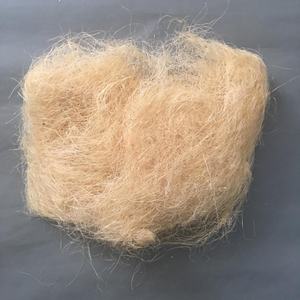
Polypropylene concrete fiber bụ ihe sịntetịt agbakwunyere na ngwakọta kọmpụta. It looks like thin strands or threads. These fibers mix into the concrete before it hardens. They help hold the concrete together and reduce cracking.
Why add fibers to concrete?
Concrete nwere ike ịgbawa ka ọ na-akpọnwụ ma ọ bụ na-enwe nrụgide. Fibers act like tiny reinforcements n'ime mix. They control small cracks that form early. Nke a na-eme ka elu ahụ sie ike ma na-adịgide adịgide ka oge na-aga.
Ọ na-edochi nkwado nchara?
Mba. Polypropylene fibers do not replace rebar or wire mesh. They work differently. Steel handles big loads and structural support. Fibers mainly improve surface strength and limit hairline cracks. Use both for best results in many projects.
Kedu eriri eriri ka m kwesịrị iji?
Ọnụ ego ziri ezi dabere na ọrụ gị. A common dose is 0.5 ka 1.5 pound kwa cubic yad nke konkịtị. Soro ntuziaka onye nrụpụta mgbe niile. Obere ntakịrị nwere ike ọ gaghị enyere aka. Nke ukwuu nwere ike ime ka ịgwakọta sie ike ma ọ bụ mee ka ngwakọta ahụ daa.
Ọ dị mfe ịgwakọta na ebe?
Ee. You can add fibers during normal batching. They blend well with cement, mmiri, na mkpokọta. Ọ dịghị ngwá ọrụ pụrụ iche achọrọ. The concrete pours and finishes like regular mix. Just keep proper water content and mixing time.
RỊỌRỌ OKWU
Ngwaahịa ndị metụtara
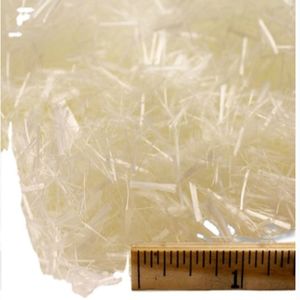
Factory Whole High mma dị ọnụ ala basalt fiber chopped strand maka asphalt konkịtị pavement

Hot ing Factory Direct Reinforced concrete steel fiber with high tensile strength for industrial floor
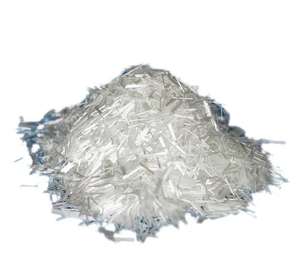
Ụlọ ọrụ ahaziri ahazi n'ala Shotcrete Concrete Structural Steel Fibers rụrụ arụ na-adịghị agwụ agwụ ígwè ihe eriri eriri.
Ụdị PP Concrete Fiber Monofilament maka Simenti Concrete
Polypropylene dị nro dị elu PP Micro fiber sịntetik Polyester Staple Fiber maka ihe eji eme ihe
