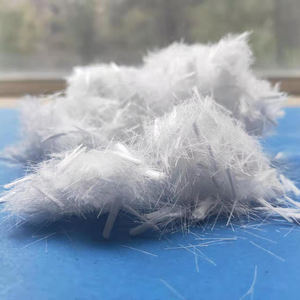
Nā Pākuʻi Paʻa Māmā | Nā ʻĀpana Hoʻohuʻi Kiʻekiʻe no ka Kelepona Kelepona


NA PALAPALA HUA
wehewehe
Overview of Polypropylene PP fiber for concrete
No ke kū'ē kiʻekiʻe, hāʻawi mākou i nā Fiber Steel, kahi mea hoʻololi kūpono no ka uwea welded mesh ma nā papahele ʻoihana a me nā mea hoʻolei mua. Hāʻawi pū mākou i nā Structural Synthetic Fibers kūikawā e hāʻawi ana i ka ikaika tensile kiʻekiʻe no nā noi noi.. Hoʻopuehu like ʻia kēia mau fiber i loko o ka hui ʻana, ka hoʻokumu ʻana i kahi pūnaewele hoʻoikaika nui i hiki ʻole ke hoʻokō i nā ʻano kuʻuna. Hoʻomaʻamaʻa kēia ʻano hoʻohui i ke kūkulu ʻana, hoʻokē hoʻokomo, a hoʻonui i ka pono holoʻokoʻa a me ka lōʻihi o ka lāʻau, hāʻawi ʻana i kahi pane hou i nā pilikia o ka wā kahiko a me ka lōʻihi.
Features of Polypropylene PP fiber for concrete
1. ʻOi aku ka mana o ka māwae a me ka hoʻoikaika ʻana i ka lōʻihi:
ʻO ka hiʻohiʻona nui o kā mākou fibers ko lākou hiki ke hoʻopaʻa i nā micro-cracks ʻelua i hana ʻia i ka wā o ke kūlana plastik a me nā māwae nui aʻe i loko o ke koʻa paʻa.. Hoʻokumu kēia dispersion ʻekolu-dimensional i kahi matrix cohesive ʻoi aku ka pale ʻana i ka hoʻolaha ʻana. ʻO ka pōmaikaʻi pololei, he hōʻemi nui ia i ka ʻāʻī ʻana o ka plastic a me ka laula māwae lōʻihi. Ke alakaʻi nei kēia i ka ʻoi aku ka lōʻihi o ke koʻikoʻi me ka haʻahaʻa haʻahaʻa, ʻo ia ka mea e hoʻonui ai i ke kū'ē i ka wai komo, pōʻino hoʻoheheʻe, a me ka palahu o kekahi kila i hookomoia. ʻO ka hopena he hale me ka lōʻihi o ke ola lawelawe a hoʻemi ʻia nā kumukūʻai mālama.
2. Hoʻonui i ka hopena a me ka pale ʻana i ka abrasion:
Nā pulu, ʻoi aku ke kila a me nā fiber macro synthetic ikaika, hoʻomaikaʻi maikaʻi i ka paʻakikī o ke kaʻa a me ka hana ma hope o ka haki. Lawe lākou a puʻunaue i ka ikehu ma ka hopena a i ʻole ka hoʻouka ʻana. Hāʻawi kēia hiʻohiʻona i ka pōmaikaʻi o kahi ʻili kūpaʻa ʻoi aku ka liʻiliʻi o ka spalling, ʻokiʻoki, a me ka abrasion ma lalo o ke kaʻa nui a i ʻole ka lole mīkini. He waiwai koʻikoʻi kēia no nā papahele ʻoihana, hale kūʻai pavements, a me nā papahana hoʻolālā, e alakaʻi ana i kahi ʻili paʻakikī e mālama i kona kūpaʻa i ka manawa.
3. ʻO ka maikaʻi o ke kūkulu ʻana a me ka mālama kālā:
ʻO kahi hiʻohiʻona nui o ka hoʻohana ʻana i ka fiber reinforcement ʻo ka hoʻopau ʻana i ka uwea welded mesh (WWF) i nā noi he nui. Hāʻawi kēia i nā pōmaikaʻi nui ma ka pūnaewele: maʻalahi ka hoʻokomo, no ka mea, ʻaʻohe mesh e hoʻonohonoho ʻia a hiki ke hoʻoneʻe ʻia, a hoʻokēʻai i ke kaʻina hana holoʻokoʻa. Ma ka wehe ʻana i kahi hana koʻikoʻi, ʻike nā papahana i ka hōʻemi ʻana i nā kumukūʻai hana a me ka wikiwiki o ka manawa papahana. ʻO ka hāʻawi like ʻana o nā fibers e hōʻoiaʻiʻo i ka hoʻoikaika paʻa ʻana ma ka ʻāpana koneki holoʻokoʻa, like ole mesh, hiki ke waiho pono ole ia, alakaʻi i ka hana hilinaʻi a wānana.

Specification of Polypropylene PP fiber for concrete
Polypropylene PP Fiber for Concrete– Product Specification
Product and Make-up
Polypropylene PP fiber hana ʻia mai 100% virgin polypropylene resin. It has no ingredients or fillers that could damage efficiency. He monofilament nā fiber, indicating each hair is a solitary constant filament. This style assists the fiber bond well with concrete and stand up to breaking.
Nā ʻano kino
The common size of the fiber varies from 6 mm i 19 mm. Diameter is between 18 a 50 microns. Tensile toughness goes beyond 400 MPa. The flexible modulus is around 3.5 Awelika helu papa. These worths ensure the fiber can manage stress without breaking throughout blending or treating. The melting factor has to do with 165 ° C, which makes it steady under normal building problems.
Efficiency in Concrete
Ke hoʻokomo ʻia i loko o ke koneki, PP fibers manage plastic contraction cracks. They also enhance influence resistance and minimize permeability. The fibers distribute equally throughout the mix, creating a three-dimensional support network. This network holds the concrete together even after preliminary fractures create. Ma ka hopena, the framework lasts longer and needs less upkeep.
Dose and Mixing
Suggested dose is 0.6 i 1.0 kg no ka mita kubiko o ke koki. Add fibers throughout the batching stage. Hoʻohui no ka liʻiliʻi 3 i 5 minutes to make sure complete dispersion. ʻAʻole pono nā mea hana kūikawā. Standard concrete mixers function well. Prevent over-mixing, as it may trigger fiber balling.
Specifications and Conformity
This product satisfies ASTM C1116 and EN 14889-2 standards for synthetic fibers in concrete. It is non-corrosive, chemically inert, and risk-free to manage. The fiber does not respond with concrete or various other typical admixtures. He maʻalahi ka wahi mālama– keep bags completely dry and away from straight sunshine. Use within one year for best results.

Applications of Polypropylene PP fiber for concrete
Applications of Polypropylene PP Fiber in Concrete
Why Use PP Fiber?
Polypropylene (PP) fiber is commonly used to boost concrete efficiency. He māmā, ikaika, and immune to chemicals and dampness. I ka hui ʻana i loko o ke kaʻa, PP fibers assist regulate breaking triggered by contraction during drying. This makes the last framework much more resilient and lasting.
Secret Makes Use Of in Construction
Building contractors include PP fiber to concrete for floors, alanui, and commercial pieces. In storage facility floorings or car park, the fiber decreases surface cracks and raises impact resistance. For roadways and pavements, it helps the concrete handle rush hour without damaging apart quickly.
PP fiber is additionally common in shotcrete applications. Shotcrete is splashed onto surfaces like passages or inclines. The fiber holds the mix with each other during application and protects against very early splitting. This leads to much safer and much more stable frameworks.
In precast concrete components– such as pipes, poloka, or panels– PP fiber enhances strength. These products encounter handling anxiety before installment. The added fiber reduces chipping and breakage throughout transportation and placement.
Advantages Over Standard Support
ʻAʻole like me ka mesh kila a i ʻole rebar, PP fiber does not rust. It spreads out uniformly via the mix, using consistent defense versus micro-cracks. Setup comes to be quicker since there’s no need to area or connection reinforcement bars. Labor prices go down, and building time reduces.
The fiber also enhances fire resistance. At high temperatures, PP thaws and produces small networks. These allow steam escape, lowering the risk of eruptive spalling in fires.
Ma ka holoʻokoʻa, polypropylene fiber offers concrete better crack control, paakiki, a me ka palekana– without including intricacy to the blending or putting process.
Hoʻolauna Hui
Welina mai iā Concrete and More, he mea hoʻolako alakaʻi i nā mea hoʻohui ʻia i ka hana kiʻekiʻe, me kā mākou mea hoʻohaʻahaʻa wai koneki. Me nā makahiki o ka ʻike ma ka mākeke honua, hāʻawi mākou i nā hoʻonā holomua i hoʻolālā ʻia e hoʻomaikaʻi i ka maikaʻi a me ka pono o nā hana kūkulu honua. ʻO kā mākou mau hale hana hou e hōʻoia i nā huahana kiʻekiʻe e kū ana i nā kūlana honua. Haʻaheo mākou iā mākou iho i ka lawelawe kūʻai kūʻokoʻa, kākoʻo ʻenehana, a me nā hāʻina kūpono e hoʻokō i nā pono o ka papahana. E hui pū me mākou no ka hilinaʻi, mea hou, a me ke kumu kūʻai hoʻohui koʻikoʻi e alakaʻi i kāu mau papahana i mua. E ʻimi hou aku ma www.concreteandmore.de/. E kūkulu pū kākou i ka wā e hiki mai ana!
Inā he mau nīnau kāu, e ʻoluʻolu e hoʻokaʻaʻike mai iā mākou.
Uku Uku
T/T, Hui Komohana, Paypal, Kāleka ʻaiʻē etc.
Nā ʻano hoʻouna
Ma ka lewa, ma ke kai, ma ka hoike, e like me ke noi a nā mea kūʻai aku.
5 FAQs of Polypropylene PP fiber for concrete
Frequently Asked Questions About Polypropylene PP Fiber for Concrete
He aha ka polypropylene (PP) ka pulupulu i hoohanaia no ka wiliwili?
PP fiber is added to concrete to reduce cracking. It helps control shrinkage cracks that happen when concrete dries. The fibers hold the concrete together at a microscopic level, which improves its overall toughness.
How does PP fiber improve concrete performance?
PP fiber boosts impact resistance and reduces surface spalling. It also makes concrete more durable under stress. When mixed properly, the fibers spread evenly and help the concrete handle small movements without breaking apart.
He mea maʻalahi ka hui ʻana o ka fiber PP i loko o ke kaʻa?
ʻAe. PP fiber blends well with standard concrete ingredients. You can add it during batching without changing your usual mixing process. Just follow the recommended dosage to avoid clumping and ensure even distribution.
Hoʻololi anei ka fiber PP i ka hoʻoikaika kila?
ʻAʻole. PP fiber is not a substitute for steel rebar or mesh. It works as secondary reinforcement to control early-age cracking. Structural strength still depends on traditional steel reinforcement. Think of PP fiber as extra support, not the main support.
He aha nā ʻano papahana e pōmaikaʻi loa mai ka fiber PP?
Hana maikaʻi ka fiber PP i nā papa, nā paepae, pana pana, a me nā mea hana mua. It is especially useful where crack control matters—like warehouse floors, nā ala kaʻa, and industrial surfaces. Projects exposed to freeze-thaw cycles or light impact also see clear benefits.
NOI I KA PALAPALA
NA HUAKAI PILI
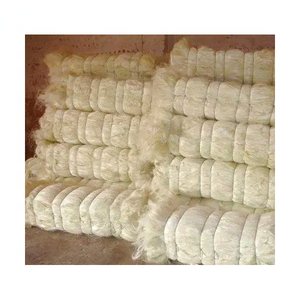
Corrosion Resistant Structural Pultruded Fiberglass C Channel
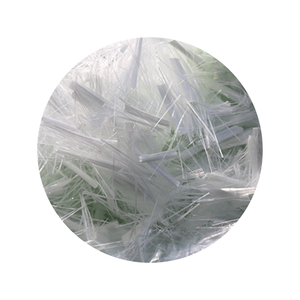
ʻO ka Bitumen Coating Alanui Paving Material Fiberglass Geogrid Asphalt Reinforcement Fiberglass Geogrid

Factory the crack resistance Polypropylene Fiber Concrete HPMC HEC CMC PVA
FiberGLASS Composite FRP Rebar For Construction On Glass Fiber Reinforced Rod Fiberglass Products

Basalt Chopped Fiber 13mm High-Performance Reinforcement Solution for Composite Concrete Hoʻonui i ka ikaika a me ka lōʻihi.