Nā Pākuʻi Paʻa Māmā | Nā ʻĀpana Hoʻohuʻi Kiʻekiʻe no ka Kelepona Kelepona

NA PALAPALA HUA
wehewehe
Overview of Polypropylene Staple Concrete Fiber for Concrete Glass Fibers Reinforced Concrete Panels Polypropylene Macro Staple Fiber
No ke kū'ē kiʻekiʻe, hāʻawi mākou i nā Fiber Steel, kahi mea hoʻololi kūpono no ka uwea welded mesh ma nā papahele ʻoihana a me nā mea hoʻolei mua. Hāʻawi pū mākou i nā Structural Synthetic Fibers kūikawā e hāʻawi ana i ka ikaika tensile kiʻekiʻe no nā noi noi.. Hoʻopuehu like ʻia kēia mau fiber i loko o ka hui ʻana, ka hoʻokumu ʻana i kahi pūnaewele hoʻoikaika nui i hiki ʻole ke hoʻokō i nā ʻano kuʻuna. Hoʻomaʻamaʻa kēia ʻano hoʻohui i ke kūkulu ʻana, hoʻokē hoʻokomo, a hoʻonui i ka pono holoʻokoʻa a me ka lōʻihi o ka lāʻau, hāʻawi ʻana i kahi pane hou i nā pilikia o ka wā kahiko a me ka lōʻihi.
Features of Polypropylene Staple Concrete Fiber for Concrete Glass Fibers Reinforced Concrete Panels Polypropylene Macro Staple Fiber
1. ʻOi aku ka mana o ka māwae a me ka hoʻoikaika ʻana i ka lōʻihi:
ʻO ka hiʻohiʻona nui o kā mākou fibers ko lākou hiki ke hoʻopaʻa i nā micro-cracks ʻelua i hana ʻia i ka wā o ke kūlana plastik a me nā māwae nui aʻe i loko o ke koʻa paʻa.. Hoʻokumu kēia dispersion ʻekolu-dimensional i kahi matrix cohesive ʻoi aku ka pale ʻana i ka hoʻolaha ʻana. ʻO ka pōmaikaʻi pololei, he hōʻemi nui ia i ka ʻāʻī ʻana o ka plastic a me ka laula māwae lōʻihi. Ke alakaʻi nei kēia i ka ʻoi aku ka lōʻihi o ke koʻikoʻi me ka haʻahaʻa haʻahaʻa, ʻo ia ka mea e hoʻonui ai i ke kū'ē i ka wai komo, pōʻino hoʻoheheʻe, a me ka palahu o kekahi kila i hookomoia. ʻO ka hopena he hale me ka lōʻihi o ke ola lawelawe a hoʻemi ʻia nā kumukūʻai mālama.
2. Hoʻonui i ka hopena a me ka pale ʻana i ka abrasion:
Nā pulu, ʻoi aku ke kila a me nā fiber macro synthetic ikaika, hoʻomaikaʻi maikaʻi i ka paʻakikī o ke kaʻa a me ka hana ma hope o ka haki. Lawe lākou a puʻunaue i ka ikehu ma ka hopena a i ʻole ka hoʻouka ʻana. Hāʻawi kēia hiʻohiʻona i ka pōmaikaʻi o kahi ʻili kūpaʻa ʻoi aku ka liʻiliʻi o ka spalling, ʻokiʻoki, a me ka abrasion ma lalo o ke kaʻa nui a i ʻole ka lole mīkini. He waiwai koʻikoʻi kēia no nā papahele ʻoihana, hale kūʻai pavements, a me nā papahana hoʻolālā, e alakaʻi ana i kahi ʻili paʻakikī e mālama i kona kūpaʻa i ka manawa.
3. ʻO ka maikaʻi o ke kūkulu ʻana a me ka mālama kālā:
ʻO kahi hiʻohiʻona nui o ka hoʻohana ʻana i ka fiber reinforcement ʻo ka hoʻopau ʻana i ka uwea welded mesh (WWF) i nā noi he nui. Hāʻawi kēia i nā pōmaikaʻi nui ma ka pūnaewele: maʻalahi ka hoʻokomo, no ka mea, ʻaʻohe mesh e hoʻonohonoho ʻia a hiki ke hoʻoneʻe ʻia, a hoʻokēʻai i ke kaʻina hana holoʻokoʻa. Ma ka wehe ʻana i kahi hana koʻikoʻi, ʻike nā papahana i ka hōʻemi ʻana i nā kumukūʻai hana a me ka wikiwiki o ka manawa papahana. ʻO ka hāʻawi like ʻana o nā fibers e hōʻoiaʻiʻo i ka hoʻoikaika paʻa ʻana ma ka ʻāpana koneki holoʻokoʻa, like ole mesh, hiki ke waiho pono ole ia, alakaʻi i ka hana hilinaʻi a wānana.

Specification of Polypropylene Staple Concrete Fiber for Concrete Glass Fibers Reinforced Concrete Panels Polypropylene Macro Staple Fiber
Polypropylene Staple Concrete Fiber– Product Spec
Nānā Mea
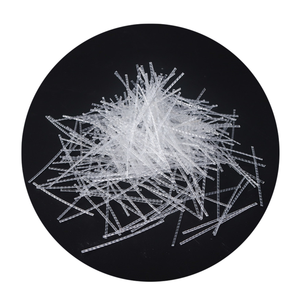
Polypropylene staple concrete fiber is a synthetic support used in concrete and cement-based products. It is designed to improve durability, minimize breaking, and enhance resilience. This fiber works well in precast panels, pana pana, nā papa, and other architectural or non-structural concrete applications.
Mea huna
Hana ʻia ka fiber mai 100% polypropylene puʻupaʻa. It has high tensile strength and solid bonding with the cement matrix. Each fiber is directly, cut to precise lengths, and dealt with for much better dispersion in mixes. The product resists antacids, pulu, and a lot of chemicals found in concrete environments. It does not corrode like steel fibers and includes no additional weight to the end product.
ʻIkepili ʻenehana
– Huahana : Polypropylene (PP).
– Malu : Commonly white or beige.
– Ka lōʻihi : 6 mm i 50 mm (customized lengths available).
– Anawaena : 20– 50 microns.
– Ikaika U'i : ≥ 400 MPa.
– Prolongation at Break : 15– 35%.
– Lae hehee : ~ 165 ° C.
– ʻO ka mānoanoa : 0.91 g/cm EHA
. Advantages in Concrete Applications
Including this fiber assists manage plastic shrinking cracks throughout early treating. It boosts effect resistance and lowers surface spalling. In glass fiber enhanced concrete (GFRC) nā panela, it complements main support by holding the matrix together after cracking. The fibers distribute equally in the mix without balling, making positioning and finishing much easier. They also enhance fire performance by producing micro-channels that alleviate inner stress throughout high warm exposure.
Nā Kūlana Hoʻohana
Suggested dosage ranges from 0.6 kg/m ³ to 2.0 kg/m ³, ma muli o ka noi. Include fibers during the blending phase for consistent circulation. ʻAʻole pono nā mea hana kūikawā. Standard concrete blending, kau ana, and completing techniques use. Constantly follow regional building ordinance and job specs when using fiber-reinforced concrete.

Applications of Polypropylene Staple Concrete Fiber for Concrete Glass Fibers Reinforced Concrete Panels Polypropylene Macro Staple Fiber
Applications of Polypropylene Staple Fiber in Concrete
Why Utilize Polypropylene Macro Staple Fiber?
Polypropylene macro staple fiber is added to concrete to enhance its efficiency. It functions well in glass fiber enhanced concrete panels and other precast products. The fiber aids control splitting caused by shrinkage throughout drying out. This makes the end product more powerful and extra sturdy.
Secret Utilizes in Building And Construction
Building contractors utilize this fiber in wall panels, cladding systems, and building elements. It gives much better effect resistance and lowers surface splits. In thin-section concrete like GFRC (Paniki i hoʻoikaikaʻia i ka fiber Glass), the fiber sustains the mix prior to it solidifies. This stops early cracking and enhances taking care of stamina.
The fiber likewise operates in shotcrete and sprayed applications. It holds the product together throughout placement. Workers find it less complicated to use without sagging or sagging. Nā papahele, tunnels, and repair work all take advantage of this included security.
Nā Pono Hana
Polypropylene staple fiber boosts durability. It does not rust or wear away, so it lasts longer inside concrete. The fibers spread out evenly through the mix. This produces a consistent framework that resists damage from day-to-day anxiety.
It additionally improves safety. When concrete fractures under hefty lots, the fibers hold pieces together. This lowers the danger of unexpected failure. For structures in earthquake areas or high-traffic areas, this feature matters a whole lot.
Producers pick this fiber because it blends easily with conventional devices. ʻAʻole pono nā mea hana kūikawā. It conserves time and reduces prices contrasted to steel mesh or various other supports. ʻOi aku, it includes no added weight to the final product.
Where You’ll Locate It
You’ll see polypropylene macro staple fiber in industrial facades, , and modular housing units. It’s common in tasks where appearance and toughness have to work together. Designers trust it for clean finishes and long service life.
ʻO ka moʻolelo o ka hui
ʻO mākou ke alakaʻi o ka honua i nā ʻenehana māmā a me nā hoʻonā ʻenehana i hana ʻia. ʻIke ʻia ma ka honua holoʻokoʻa no kāna kūpaʻa i ka noiʻi, mea hou, a me ka ʻike noiʻi, ke hāʻawi nei mākou i nā hoʻonā ʻenehana i hana ʻia mai ka makahiki 2012.
Hiki iā mākou ke hāʻawi aku i ka hoʻohui ʻana i nā mea hoʻohui kiʻekiʻe kiʻekiʻe a me nā huahana pili i ka foam concrete a puni ka honua.
He keʻena ʻenehana ʻoihana a me ka ʻoihana kiaʻi maikaʻi ka hui, he hale hana i hoolako pono ia, a hoʻolako ʻia me nā lako hoʻāʻo kiʻekiʻe a me ke kikowaena lawelawe mea kūʻai aku ma hope o ke kūʻai aku.
Inā hoihoi ʻoe, e ʻoluʻolu a e hoʻokaʻaʻike mai iā mākou.
Uku
T/T, Hui Komohana, Paypal, Kāleka ʻaiʻē etc.
Hoʻouna
Ma ka lewa, ma ke kai, ma ka hoike, e like me ke noi a nā mea kūʻai aku.
5 FAQs of Polypropylene Staple Concrete Fiber for Concrete Glass Fibers Reinforced Concrete Panels Polypropylene Macro Staple Fiber
Frequently Asked Questions About Polypropylene Staple Concrete Fiber
What is polypropylene staple fiber used for in concrete?
Polypropylene staple fiber is added to concrete to reduce cracking. It helps control shrinkage cracks that happen when concrete dries. This fiber also improves impact resistance and makes the concrete tougher.
Pehea ka hana ʻana i loko o ke kaʻa?
Hoʻolaha like ʻia nā pulupulu ma o ka hui ʻana. They form a network that holds the material together. When small cracks start to form, the fibers bridge them and stop them from getting bigger. This keeps the concrete more intact over time.
Can it replace steel or glass fibers completely?
ʻAʻole. Polypropylene staple fiber is not a full replacement for steel or glass fibers. It mainly controls early-age plastic shrinkage cracks. For structural strength or heavy-duty reinforcement, you still need steel or alkali-resistant glass fibers. Polypropylene works best as a secondary support.
He mea maʻalahi ke hui pū me ke kaʻa?
ʻAe. The fiber mixes well in standard concrete mixers. Just add it during batching like other dry ingredients. It disperses quickly without clumping if mixed properly. ʻAʻole pono nā mea hana kūikawā.
Does it affect the surface finish of concrete panels?
ʻAʻole inā hoʻohana pono ʻia. At normal dosage rates (usually 0.5–1.0 kg per cubic meter), the fiber stays hidden in the mix. It won’t show on the surface or interfere with finishing. Overdosing may cause fibers to stick out, so follow recommended amounts.
NOI I KA PALAPALA
NA HUAKAI PILI
Virgin 12mm High Tensile Strength Polypropylene Concrete Fiber for Concrete Reinforcement and Mortar Filling
Hoʻohui ʻia ʻo ka ʻuala ʻulaʻula
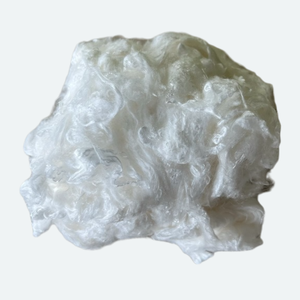
Hoʻohana ʻia ʻo Polypropylene Concrete Fiber ikaika kiʻekiʻe no ka hoʻoikaika ʻana i ka palaki

Basalt Chopped Fiber 13mm High-Performance Reinforcement Solution for Composite Concrete Hoʻonui i ka ikaika a me ka lōʻihi.
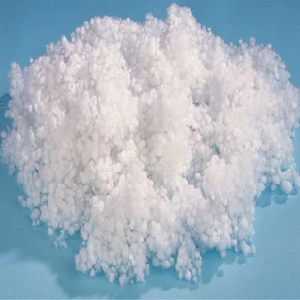
Fiberglass paʻa pulu no ka sima moka paʻa paʻa hoʻoikaika anti seepage a me ka anti māwae