


Nā Pākuʻi Paʻa Māmā | Nā ʻĀpana Hoʻohuʻi Kiʻekiʻe no ka Kelepona Kelepona

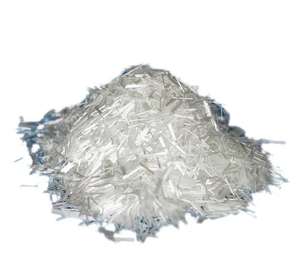
NA PALAPALA HUA
wehewehe
Overview of PP Monofilament Fiber Concrete Reinforcement Polypropylene Concrete Fiber
No ke kū'ē kiʻekiʻe, hāʻawi mākou i nā Fiber Steel, kahi mea hoʻololi kūpono no ka uwea welded mesh ma nā papahele ʻoihana a me nā mea hoʻolei mua. Hāʻawi pū mākou i nā Structural Synthetic Fibers kūikawā e hāʻawi ana i ka ikaika tensile kiʻekiʻe no nā noi noi.. Hoʻopuehu like ʻia kēia mau fiber i loko o ka hui ʻana, ka hoʻokumu ʻana i kahi pūnaewele hoʻoikaika nui i hiki ʻole ke hoʻokō i nā ʻano kuʻuna. Hoʻomaʻamaʻa kēia ʻano hoʻohui i ke kūkulu ʻana, hoʻokē hoʻokomo, a hoʻonui i ka pono holoʻokoʻa a me ka lōʻihi o ka lāʻau, hāʻawi ʻana i kahi pane hou i nā pilikia o ka wā kahiko a me ka lōʻihi.
Features of PP Monofilament Fiber Concrete Reinforcement Polypropylene Concrete Fiber
1. ʻOi aku ka mana o ka māwae a me ka hoʻoikaika ʻana i ka lōʻihi:
ʻO ka hiʻohiʻona nui o kā mākou fibers ko lākou hiki ke hoʻopaʻa i nā micro-cracks ʻelua i hana ʻia i ka wā o ke kūlana plastik a me nā māwae nui aʻe i loko o ke koʻa paʻa.. Hoʻokumu kēia dispersion ʻekolu-dimensional i kahi matrix cohesive ʻoi aku ka pale ʻana i ka hoʻolaha ʻana. ʻO ka pōmaikaʻi pololei, he hōʻemi nui ia i ka ʻāʻī ʻana o ka plastic a me ka laula māwae lōʻihi. Ke alakaʻi nei kēia i ka ʻoi aku ka lōʻihi o ke koʻikoʻi me ka haʻahaʻa haʻahaʻa, ʻo ia ka mea e hoʻonui ai i ke kū'ē i ka wai komo, pōʻino hoʻoheheʻe, a me ka palahu o kekahi kila i hookomoia. ʻO ka hopena he hale me ka lōʻihi o ke ola lawelawe a hoʻemi ʻia nā kumukūʻai mālama.
2. Hoʻonui i ka hopena a me ka pale ʻana i ka abrasion:
Nā pulu, ʻoi aku ke kila a me nā fiber macro synthetic ikaika, hoʻomaikaʻi maikaʻi i ka paʻakikī o ke kaʻa a me ka hana ma hope o ka haki. Lawe lākou a puʻunaue i ka ikehu ma ka hopena a i ʻole ka hoʻouka ʻana. Hāʻawi kēia hiʻohiʻona i ka pōmaikaʻi o kahi ʻili kūpaʻa ʻoi aku ka liʻiliʻi o ka spalling, ʻokiʻoki, a me ka abrasion ma lalo o ke kaʻa nui a i ʻole ka lole mīkini. He waiwai koʻikoʻi kēia no nā papahele ʻoihana, hale kūʻai pavements, a me nā papahana hoʻolālā, e alakaʻi ana i kahi ʻili paʻakikī e mālama i kona kūpaʻa i ka manawa.
3. ʻO ka maikaʻi o ke kūkulu ʻana a me ka mālama kālā:
ʻO kahi hiʻohiʻona nui o ka hoʻohana ʻana i ka fiber reinforcement ʻo ka hoʻopau ʻana i ka uwea welded mesh (WWF) i nā noi he nui. Hāʻawi kēia i nā pōmaikaʻi nui ma ka pūnaewele: maʻalahi ka hoʻokomo, no ka mea, ʻaʻohe mesh e hoʻonohonoho ʻia a hiki ke hoʻoneʻe ʻia, a hoʻokēʻai i ke kaʻina hana holoʻokoʻa. Ma ka wehe ʻana i kahi hana koʻikoʻi, ʻike nā papahana i ka hōʻemi ʻana i nā kumukūʻai hana a me ka wikiwiki o ka manawa papahana. ʻO ka hāʻawi like ʻana o nā fibers e hōʻoiaʻiʻo i ka hoʻoikaika paʻa ʻana ma ka ʻāpana koneki holoʻokoʻa, like ole mesh, hiki ke waiho pono ole ia, alakaʻi i ka hana hilinaʻi a wānana.

Specification of PP Monofilament Fiber Concrete Reinforcement Polypropylene Concrete Fiber
PP Monofilament Fiber for Concrete Reinforcement
Nānā Huahana
PP monofilament fiber is a synthetic reinforcement material made from 100% polypropylene It is designed to improve the performance of concrete in both fresh and solidified states. This fiber is commonly made use of in household, kalepa, and industrial building tasks.
Nā hiʻohiʻona huna
The fiber has high tensile stamina and excellent resistance to antacids, kemika, a me ka wai. It does not corrosion or wear away, that makes it perfect for long-lasting sturdiness in concrete structures. Each fiber is uniformly spread during blending, assisting to control plastic shrinkage cracks early in the treating process.
This product also enhances influence resistance and minimizes surface area spalling. It boosts the cohesion of the concrete mix, which reduces segregation and blood loss. The fibers are simple to deal with and mix efficiently right into basic concrete batching treatments without calling for unique devices.
ʻIkepili ʻenehana
– Mea waiwai: 100% polypropylene.
– Fiber kind: Monofilament
– Length choices: 6 mm, 12 mm, 19 mm (requirement).
– Nui: Roughly 18– 32 microns.
– Ka ikaika tensile: ≥ 450 MPa.
– Mea hoohehee: A puni 165 ° C.
– ʻO ka mānoanoa: 0.91 g/cm ³.
– kalakala: ʻO ka maʻamau keʻokeʻo a i ʻole keʻokeʻo keʻokeʻo.
Nā noi
Use this fiber in slabs-on-grade, alanui alanui, ʻano precast, pana pana, stucco, and commercial flooring. It works well in applications where split control, paakiki, and resilience are very important. Contractors usually pick it as a second reinforcement to replace welded wire textile or to supplement traditional steel rebar in non-structural duties.
The fibers satisfy ASTM C1116/C1116M criteria for fiber-reinforced concrete. They are compatible with a lot of admixtures and concrete kinds commonly utilized in ready-mix operations.
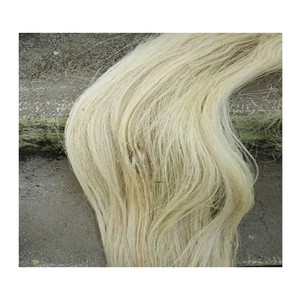
Applications of PP Monofilament Fiber Concrete Reinforcement Polypropylene Concrete Fiber
PP Monofilament Fiber for Concrete Reinforcement
ʻOi aku ka Mana Mana, Fewer Splits
Adding PP monofilament fiber to concrete makes it tougher and extra trustworthy. This artificial fiber is made from polypropylene and blends conveniently right into wet concrete. When the concrete collections, the fibers wait with each other much better. They aid stop small cracks from growing into big troubles.
Pololei ka hana ana
Ke maloʻo ka lāʻau, it normally diminishes a little. That contraction usually triggers hairline splits. PP monofilament fibers act like small reinforcements inside the mix. They link across these very early fractures and maintain them from spreading. The outcome is a smoother surface with less noticeable defects.
Kahi e hoʻohana ʻia ai
Contractors utilize this fiber in numerous usual projects. You’ll discover it in sidewalks, nā ala kaʻa, patios, a me nā papahele hale kaʻa. It’s also used in industrial pieces, storage facility floors, and also in shotcrete applications like tunnel cellular linings. Anywhere you require level, sturdy concrete that stands up to breaking, PP monofilament fiber is a wise selection.
Maʻalahi e hoʻohana, Big Benefits
You do not require unique devices or training to use it. Simply include the correct amount of fiber while mixing the concrete. It blends in efficiently and will not clump. The fiber does not rust, popopo, or react with various other materials in the mix. That means your concrete stays solid for years.
Because the fibers are evenly spread throughout the batch, every component of the slab obtains the same security. This causes more consistent efficiency and much less requirement for repairs later on. Specialists save time and money, while proprietors get longer-lasting surfaces.
Using PP monofilament fiber is a simple step that makes a real distinction. It improves longevity without decreasing the work. For daily concrete work that has to last, this fiber supplies reputable results.
ʻO ka moʻolelo o ka hui
ʻO mākou ke alakaʻi o ka honua i nā ʻenehana māmā a me nā hoʻonā ʻenehana i hana ʻia. ʻIke ʻia ma ka honua holoʻokoʻa no kāna kūpaʻa i ka noiʻi, mea hou, a me ka ʻike noiʻi, ke hāʻawi nei mākou i nā hoʻonā ʻenehana i hana ʻia mai ka makahiki 2012.
Hiki iā mākou ke hāʻawi aku i ka hoʻohui ʻana i nā mea hoʻohui kiʻekiʻe kiʻekiʻe a me nā huahana pili i ka foam concrete a puni ka honua.
He keʻena ʻenehana ʻoihana a me ka ʻoihana kiaʻi maikaʻi ka hui, he hale hana i hoolako pono ia, a hoʻolako ʻia me nā lako hoʻāʻo kiʻekiʻe a me ke kikowaena lawelawe mea kūʻai aku ma hope o ke kūʻai aku.
Inā hoihoi ʻoe, e ʻoluʻolu a e hoʻokaʻaʻike mai iā mākou.
Uku
T/T, Hui Komohana, Paypal, Kāleka ʻaiʻē etc.
Hoʻouna
Ma ka lewa, ma ke kai, ma ka hoike, e like me ke noi a nā mea kūʻai aku.

5 FAQs of PP Monofilament Fiber Concrete Reinforcement Polypropylene Concrete Fiber
Frequently Asked Questions About PP Monofilament Fiber for Concrete Reinforcement
What is PP monofilament fiber?
PP monofilament fiber is a single-strand synthetic fiber made from polypropylene. It is added to concrete or mortar mixes to improve strength and reduce cracking. The fiber is thin, hikiwawe, and evenly disperses throughout the mix.
No ke aha e hoʻohana ai i ka fiber PP i ke kaʻa?
Adding PP fiber helps control shrinkage cracks that happen when concrete dries. Hoʻonui ia i ka hopena a me ka paʻakikī. This makes the final structure more durable, especially under stress or sudden loads.
ʻEhia ka nui o ka fiber e pono iaʻu e hoʻohui i kaʻu hui?
ʻO ka dosage maʻamau mai 0.6 i 1.0 kg no ka mita kubiko o ke koki. E hahai mau i nā ʻōlelo a ka mea hana. ʻAʻole kōkua nui ka liʻiliʻi. Too much can cause mixing problems or clumping.
Hoʻololi ia i ka hoʻoikaika kila?
ʻAʻole. PP monofilament fiber is not a substitute for rebar or welded wire mesh. Hana ia ma ke ʻano he hoʻoikaika lua. Its main job is to manage early-age cracking and improve overall performance, ʻaʻole e lawe i nā ukana hoʻolālā.
He mea maʻalahi ke hui a waiho?
ʻAe. PP fibers blend well with standard batching methods. They do not tangle or ball up when used at recommended dosages. ʻAʻole pono nā mea hana kūikawā. You can pour, pamu, or finish the concrete just like normal.
NOI I KA PALAPALA
NA HUAKAI PILI
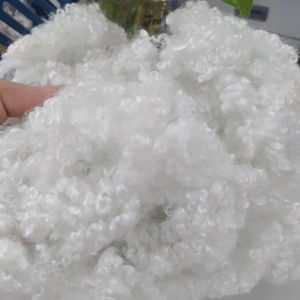
ʻOki ʻokiʻoki ʻia i ke kaula aniani 18mm AR-Glass Anti-Cracking Fibers Strand no ka Sima Panika.
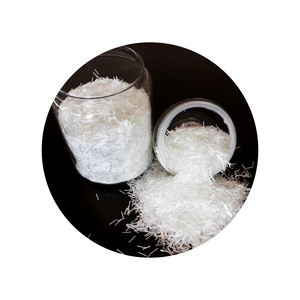
ʻO ka hōʻea hou ʻana maikaʻi maikaʻi ʻia ʻo ka mea hoʻoheheʻe sima maikaʻi i hoʻopaʻa ʻia ʻo Nonwoven Polypropylene Staple Fiber.

High Tenacity Polypropylene Concrete Fiber PP Fiber no ka Laka
Fiberglass Composite FRP Rebar for Construction on Glass Fiber Reinforced Rod Fiberglass Products
keleawe i uhi ʻia i ke kaula kila ʻoki pōkole no ke kaʻa