


Nā Pākuʻi Paʻa Māmā | Nā ʻĀpana Hoʻohuʻi Kiʻekiʻe no ka Kelepona Kelepona

NA PALAPALA HUA
wehewehe
Overview of Polypropylene Synthetic Microfiber Reinforced Concrete Fiber for Concrete Structures and Building Projects
No ke kū'ē kiʻekiʻe, hāʻawi mākou i nā Fiber Steel, kahi mea hoʻololi kūpono no ka uwea welded mesh ma nā papahele ʻoihana a me nā mea hoʻolei mua. Hāʻawi pū mākou i nā Structural Synthetic Fibers kūikawā e hāʻawi ana i ka ikaika tensile kiʻekiʻe no nā noi noi.. Hoʻopuehu like ʻia kēia mau fiber i loko o ka hui ʻana, ka hoʻokumu ʻana i kahi pūnaewele hoʻoikaika nui i hiki ʻole ke hoʻokō i nā ʻano kuʻuna. Hoʻomaʻamaʻa kēia ʻano hoʻohui i ke kūkulu ʻana, hoʻokē hoʻokomo, a hoʻonui i ka pono holoʻokoʻa a me ka lōʻihi o ka lāʻau, hāʻawi ʻana i kahi pane hou i nā pilikia o ka wā kahiko a me ka lōʻihi.
Features of Polypropylene Synthetic Microfiber Reinforced Concrete Fiber for Concrete Structures and Building Projects
1. ʻOi aku ka mana o ka māwae a me ka hoʻoikaika ʻana i ka lōʻihi:
ʻO ka hiʻohiʻona nui o kā mākou fibers ko lākou hiki ke hoʻopaʻa i nā micro-cracks ʻelua i hana ʻia i ka wā o ke kūlana plastik a me nā māwae nui aʻe i loko o ke koʻa paʻa.. Hoʻokumu kēia dispersion ʻekolu-dimensional i kahi matrix cohesive ʻoi aku ka pale ʻana i ka hoʻolaha ʻana. ʻO ka pōmaikaʻi pololei, he hōʻemi nui ia i ka ʻāʻī ʻana o ka plastic a me ka laula māwae lōʻihi. Ke alakaʻi nei kēia i ka ʻoi aku ka lōʻihi o ke koʻikoʻi me ka haʻahaʻa haʻahaʻa, ʻo ia ka mea e hoʻonui ai i ke kū'ē i ka wai komo, pōʻino hoʻoheheʻe, a me ka palahu o kekahi kila i hookomoia. ʻO ka hopena he hale me ka lōʻihi o ke ola lawelawe a hoʻemi ʻia nā kumukūʻai mālama.
2. Hoʻonui i ka hopena a me ka pale ʻana i ka abrasion:
Nā pulu, ʻoi aku ke kila a me nā fiber macro synthetic ikaika, hoʻomaikaʻi maikaʻi i ka paʻakikī o ke kaʻa a me ka hana ma hope o ka haki. Lawe lākou a puʻunaue i ka ikehu ma ka hopena a i ʻole ka hoʻouka ʻana. Hāʻawi kēia hiʻohiʻona i ka pōmaikaʻi o kahi ʻili kūpaʻa ʻoi aku ka liʻiliʻi o ka spalling, ʻokiʻoki, a me ka abrasion ma lalo o ke kaʻa nui a i ʻole ka lole mīkini. He waiwai koʻikoʻi kēia no nā papahele ʻoihana, hale kūʻai pavements, a me nā papahana hoʻolālā, e alakaʻi ana i kahi ʻili paʻakikī e mālama i kona kūpaʻa i ka manawa.
3. ʻO ka maikaʻi o ke kūkulu ʻana a me ka mālama kālā:
ʻO kahi hiʻohiʻona nui o ka hoʻohana ʻana i ka fiber reinforcement ʻo ka hoʻopau ʻana i ka uwea welded mesh (WWF) i nā noi he nui. Hāʻawi kēia i nā pōmaikaʻi nui ma ka pūnaewele: maʻalahi ka hoʻokomo, no ka mea, ʻaʻohe mesh e hoʻonohonoho ʻia a hiki ke hoʻoneʻe ʻia, a hoʻokēʻai i ke kaʻina hana holoʻokoʻa. Ma ka wehe ʻana i kahi hana koʻikoʻi, ʻike nā papahana i ka hōʻemi ʻana i nā kumukūʻai hana a me ka wikiwiki o ka manawa papahana. ʻO ka hāʻawi like ʻana o nā fibers e hōʻoiaʻiʻo i ka hoʻoikaika paʻa ʻana ma ka ʻāpana koneki holoʻokoʻa, like ole mesh, hiki ke waiho pono ole ia, alakaʻi i ka hana hilinaʻi a wānana.

Specification of Polypropylene Synthetic Microfiber Reinforced Concrete Fiber for Concrete Structures and Building Projects
Polypropylene Artificial Microfiber for Concrete Reinforcement
Paʻa, Trustworthy Assistance for every single Concrete Job
Our polypropylene artificial microfiber is made to boost the efficiency of concrete in buildings and frameworks. Hoʻohana maikaʻi ia i nā papa, pā, nā paepae, a me na kumu. The fibers blend conveniently right into concrete throughout batching. They spread uniformly without clumping.
These microfibers assist manage splits that create when concrete diminishes as it dries. They likewise increase impact resistance and reduce surface area wear. This indicates your concrete lasts longer and needs fewer repair services over time.
The fibers are 100% polypropylene puʻupaʻa. They stand up to antacids, pulu, and chemicals found in concrete. This makes certain long-lasting security inside the mix. Each fiber is only a few millimeters long but adds real worth to the final product.
Including these fibers does not alter just how you position or end up concrete. You can use typical devices and approaches. No unique training or tools is needed. Just follow regular blending procedures and consist of the recommended dosage– maʻa mau ma waena 0.6 i 1.0 kg no ka mita kubiko o ke koki.
Contractors select this item due to the fact that it lowers plastic shrinkage splits right after putting. It likewise helps fulfill contemporary building ordinance that call for second support in concrete components. ʻO ka hopena he mea hoʻomaʻemaʻe, much more sturdy surface with less maintenance.
This microfiber meets ASTM C1116 requirements for synthetic fiber reinforcement. It has actually been evaluated in real-world jobs across domestic, ʻoihana ʻoihana, and framework applications. Contractors trust it for constant top quality and easy handling on website.
Use it in driveways, alanui alanui, storage facility floors, hale lalo, and precast devices. Wherever you need much better split control and toughness, this fiber supplies solid assistance without extra actions.
Nā Hana Malu:
– Controls early-age cracking
– Boosts longevity and surface honesty
– Easy to mix and put
– Chemically secure in concrete
– Complies with sector requirements
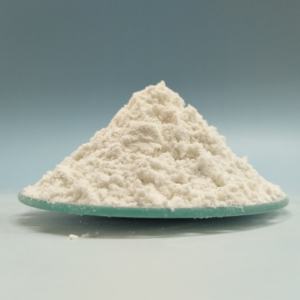
Applications of Polypropylene Synthetic Microfiber Reinforced Concrete Fiber for Concrete Structures and Building Projects
Applications of Polypropylene Synthetic Microfiber in Concrete Frameworks
ʻOi aku ka ikaika, More Durable Concrete for Real-World Usage
Polypropylene artificial microfiber is commonly used to boost the efficiency of concrete in buildings and framework. When blended right into concrete, these little fibers assist control fracturing triggered by drying out shrinking and temperature modifications. This makes the final framework much more trustworthy over time.
Builders add polypropylene microfibers to concrete for floorings, ʻili o ka pā, ʻāpana, a me na alanui alanui. The fibers produce a network inside the concrete that holds it together also when tiny cracks start to develop. This minimizes surface area cleaning and spalling, specifically in locations with heavy foot or lorry traffic.
In domestic tasks, microfiber-reinforced concrete works well for driveways, garage floorings, a me nā pā hale. It cuts down on maintenance requirements and extends the life of the concrete. Specialists also use it in commercial setups like warehouses, retail spaces, and auto parking frameworks where durability matters most.
Better Efficiency Without Making Complex Building And Construction
One huge advantage of polypropylene microfibers is just how very easy they are to make use of. They mix straight right into the concrete batch without unique tools or extra steps. Workers do not require to deal with steel mesh or rebar in many cases, which quickens pouring and completing.
These fibers likewise enhance influence resistance. That suggests concrete is much less likely to chip or break under abrupt tons– crucial for commercial floors or packing docks. ʻOi aku, because the fibers are non-corrosive, they will not rust like metal reinforcements. This helps shield the concrete in wet or chemically hostile environments.
From sidewalks to skyscrapers, polypropylene synthetic microfiber provides concrete a straightforward yet effective upgrade. It sustains everyday building requirements while supplying long-term worth through minimized fracturing, much better toughness, and simpler positioning.
ʻO ka moʻolelo o ka hui
ʻO mākou ke alakaʻi o ka honua i nā ʻenehana māmā a me nā hoʻonā ʻenehana i hana ʻia. ʻIke ʻia ma ka honua holoʻokoʻa no kāna kūpaʻa i ka noiʻi, mea hou, a me ka ʻike noiʻi, ke hāʻawi nei mākou i nā hoʻonā ʻenehana i hana ʻia mai ka makahiki 2012.
Hiki iā mākou ke hāʻawi aku i ka hoʻohui ʻana i nā mea hoʻohui kiʻekiʻe kiʻekiʻe a me nā huahana pili i ka foam concrete a puni ka honua.
He keʻena ʻenehana ʻoihana a me ka ʻoihana kiaʻi maikaʻi ka hui, he hale hana i hoolako pono ia, a hoʻolako ʻia me nā lako hoʻāʻo kiʻekiʻe a me ke kikowaena lawelawe mea kūʻai aku ma hope o ke kūʻai aku.
Inā hoihoi ʻoe, e ʻoluʻolu a e hoʻokaʻaʻike mai iā mākou.
Uku
T/T, Hui Komohana, Paypal, Kāleka ʻaiʻē etc.
Hoʻouna
Ma ka lewa, ma ke kai, ma ka hoike, e like me ke noi a nā mea kūʻai aku.
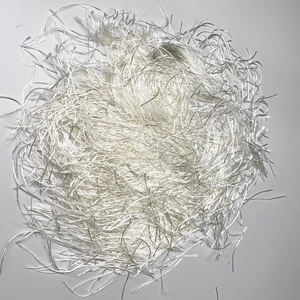
5 FAQs of Polypropylene Synthetic Microfiber Reinforced Concrete Fiber for Concrete Structures and Building Projects
Frequently Asked Questions About Polypropylene Synthetic Microfiber for Concrete
What is polypropylene synthetic microfiber?
Polypropylene synthetic microfiber is a fine, hair-like fiber made from polypropylene plastic. Builders mix it into concrete to improve strength and reduce cracking. Hana ʻia i loko o ke koneki e like me nā mea hoʻoikaika liʻiliʻi.
Why add microfibers to concrete?
Concrete can crack as it dries or under stress. Adding microfibers helps hold the concrete together. This lowers the chance of small cracks forming early on. The result is tougher, more durable concrete that lasts longer.
How does it help with shrinkage cracks?
When concrete hardens, it shrinks slightly. This often causes surface cracks. Microfibers spread evenly through the mix and act like a net. They control the movement inside the concrete and stop cracks from growing large.
Is it easy to use on job sites?
ʻAe. You add the fibers during normal mixing—just toss them in with sand, sima, a me ka wai. No extra tools or steps are needed. The fibers disperse well and won’t clump if mixed properly.
Hoʻololi ia i ka hoʻoikaika kila?
ʻAʻole. Polypropylene microfibers do not take the place of rebar or wire mesh. They handle small, early-stage cracks only. For major loads or structural support, you still need steel. Think of microfibers as a helper—not a replacement—for traditional reinforcement.
NOI I KA PALAPALA
NA HUAKAI PILI

Polypropylene PP fiber no ke kaʻa
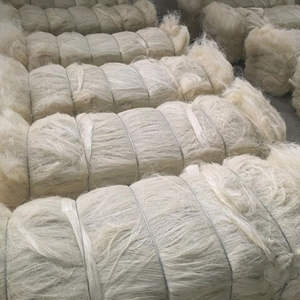
100% Polypropylene 'Enekinia Fiber no ka Motar Hui Pono Pono Hoopiha Pono no na Hana Paa

Kiʻekiʻe Eco Friendly keʻokeʻo PP paʻa pulu no ka hana ʻana
PP Concrete Fiber Construction Grade for Concrete

12mm Hoʻohana Paʻa Paʻa Polypropylene PP Fiber
