


Ihe mgbakwunye ihe dị fechaa | Ndị na-ahụ maka ụfụfụ na-arụ ọrụ dị elu maka ihe nhịahụ cellular

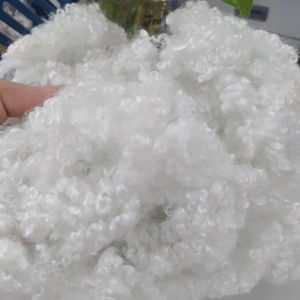
PRAMETERS ngwaahịa
Nkọwa
Overview of Polypropylene Synthetic Microfiber Reinforced Concrete Fiber for Concrete Structures and Building Projects
Maka nguzogide mmetụta dị elu, anyị na-enye Steel Fibers, ezigbo ndochi maka welded waya ntupu na ulo oru ala na tupu nkedo ihe. Anyị na-enyekwa eriri sịntetịtịk Structural pụrụ iche nke na-enye ike tensile dị elu maka ngwa na-achọsi ike. A na-agbasasị eriri ndị a n'otu n'otu n'ime ngwakọta kọmpụta, ịmepụta netwọk nkwado ọtụtụ akụkụ nke usoro ọdịnala na-enweghị ike imezu. Usoro a jikọtara ọnụ na-eme ka owuwu dị mfe, na-eme ka ntinye ngwa ngwa, na enhances n'ozuzu iguzosi ike n'ezi ihe na ogologo ndụ nke ihe, na-enye azịza ọgbara ọhụrụ maka mgbawa mgbawa na ogologo oge.
Features of Polypropylene Synthetic Microfiber Reinforced Concrete Fiber for Concrete Structures and Building Projects
1. Njikwa mgbapeka dị elu yana ịdịte aka emelitere:
Akụkụ bụ isi nke eriri anyị bụ ikike ha nwere ijikọ ma micro-cracks nke na-etolite n'oge steeti plastik yana mgbawa buru ibu na kọmpụta siri ike.. Mgbasa nke akụkụ atọ a na-emepụta matriks na-ejikọta ọnụ nke na-egbochi mgbasa mgbape. Uru a na-enweta kpọmkwem bụ mbelata dị ukwuu na mgbawa plastic shrinkage na obosara ogologo oge. Nke a na-eduga na a ukwuu ọzọ inogide ihe na ala permeability, nke na-eme ka iguzogide mmiri na-abanye, ifriizi-mebie mmebi, na corrosion nke ígwè ọ bụla agbakwunyere. Ihe si na ya pụta bụ nhazi nke nwere ogologo ndụ ọrụ yana belata ụgwọ ọrụ nlekọta.
2. Mmụba Mmetụta yana Mgbochi Abrasion:
eriri, karịsịa ígwè na siri ike sịntetik nnukwu eriri, na-emeziwanye ike nke ihe siri ike na ịrụ ọrụ mgbe mgbawa gasịrị. Ha na-amịkọrọ ma kesaa ike n'elu mmetụta ma ọ bụ ibu. Njirimara a na-enye abamuru nke elu na-agbanwe agbanwe nke na-adịchaghị mfe spalling, chipping, na abrasion n'okpuru oké okporo ụzọ ma ọ bụ n'ibu eyi. Nke a bụ uru dị oke egwu maka ala ụlọ ọrụ mmepụta ihe, pavement ụlọ nkwakọba ihe, na akụrụngwa akụrụngwa, na-eduga n'elu elu na-eyi ihe siri ike nke na-edobe iguzosi ike n'ezi ihe ya ka oge na-aga.
3. Ịrụ ọrụ nke ọma na ego ego:
Otu akụkụ dị mkpa nke iji nkwado eriri bụ mkpochapụ ntupu eriri welded (WWF) n'ọtụtụ ngwa. Nke a na-enye nnukwu uru na saịtị: ọ na-eme ka ntinye dị mfe, n'ihi na enweghị ntupu a ga-edozi ma ọ bụ nwee ike ịkwapụ, na ọ na-eme ka usoro ihe owuwu ahụ dum dịkwuo elu. Site n'iwepụ nzọụkwụ na-akpa ike, oru ngo na-ahụ mbelata ụgwọ ọrụ na usoro iheomume ngwa ngwa. Nkesa otu nke eriri na-eme ka nkwado na-agbanwe agbanwe na mpaghara kọmpụta niile, n'adịghị ka ntupu, nke enwere ike itinye ya n'ụzọ na-ekwesịghị ekwesị, na-eduga na arụmọrụ a pụrụ ịdabere na ya na nke a pụrụ ịkọ.

Specification of Polypropylene Synthetic Microfiber Reinforced Concrete Fiber for Concrete Structures and Building Projects
Polypropylene Artificial Microfiber for Concrete Reinforcement
siri ike, Trustworthy Assistance for every single Concrete Job
Our polypropylene artificial microfiber is made to boost the efficiency of concrete in buildings and frameworks. Ọ na-arụ ọrụ nke ọma na slabs, mgbidi, pavement, na ntọala. The fibers blend conveniently right into concrete throughout batching. They spread uniformly without clumping.
These microfibers assist manage splits that create when concrete diminishes as it dries. They likewise increase impact resistance and reduce surface area wear. This indicates your concrete lasts longer and needs fewer repair services over time.
The eriri bụ 100% polypropylene na-amaghị nwoke. Ha na-eguzogide ọgwụ antacids, mmiri mmiri, na kemịkalụ a chọtara na konkịtị. This makes certain long-lasting security inside the mix. Each fiber is only a few millimeters long but adds real worth to the final product.
Including these fibers does not alter just how you position or end up concrete. You can use typical devices and approaches. Ọ dịghị ọzụzụ pụrụ iche ma ọ bụ ngwá ọrụ dị mkpa. Just follow regular blending procedures and consist of the recommended dosage– na-adịkarị n'etiti 0.6 ka 1.0 n'arọ kwa cubic mita nke ihe.
Contractors select this item due to the fact that it lowers plastic shrinkage splits right after putting. It likewise helps fulfill contemporary building ordinance that call for second support in concrete components. The result is a cleaner, much more sturdy surface with less maintenance.
This microfiber meets ASTM C1116 requirements for synthetic fiber reinforcement. It has actually been evaluated in real-world jobs across domestic, ulo oru, and framework applications. Contractors trust it for constant top quality and easy handling on website.
Use it in driveways, okporo ụzọ, ala ebe nchekwa, okpuru ulo, na precast ngwaọrụ. Wherever you need much better split control and toughness, this fiber supplies solid assistance without extra actions.
Ọrụ Nzuzo:
– Na-achịkwa mgbawa nwata
– Boosts longevity and surface honesty
– Easy to mix and put
– Chemically secure in concrete
– Complies with sector requirements
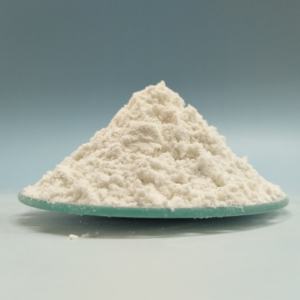
Applications of Polypropylene Synthetic Microfiber Reinforced Concrete Fiber for Concrete Structures and Building Projects
Applications of Polypropylene Synthetic Microfiber in Concrete Frameworks
Dị ike, More Durable Concrete for Real-World Usage
Polypropylene artificial microfiber is commonly used to boost the efficiency of concrete in buildings and framework. Mgbe agwakọta ya kpọmkwem n'ime kọnkti, these little fibers assist control fracturing triggered by drying out shrinking and temperature modifications. This makes the final framework much more trustworthy over time.
Builders add polypropylene microfibers to concrete for floorings, mgbidi elu, iberibe, na okporo ụzọ. The fibers produce a network inside the concrete that holds it together also when tiny cracks start to develop. This minimizes surface area cleaning and spalling, specifically in locations with heavy foot or lorry traffic.
In domestic tasks, microfiber-reinforced concrete works well for driveways, garage floorings, na okpuru ulo. It cuts down on maintenance requirements and extends the life of the concrete. Specialists also use it in commercial setups like warehouses, retail spaces, and auto parking frameworks where durability matters most.
Better Efficiency Without Making Complex Building And Construction
One huge advantage of polypropylene microfibers is just how very easy they are to make use of. They mix straight right into the concrete batch without unique tools or extra steps. Workers do not require to deal with steel mesh or rebar in many cases, which quickens pouring and completing.
These fibers likewise enhance influence resistance. That suggests concrete is much less likely to chip or break under abrupt tons– crucial for commercial floors or packing docks. gbakwunyere, because the fibers are non-corrosive, they will not rust like metal reinforcements. This helps shield the concrete in wet or chemically hostile environments.
From sidewalks to skyscrapers, polypropylene synthetic microfiber provides concrete a straightforward yet effective upgrade. It sustains everyday building requirements while supplying long-term worth through minimized fracturing, much better toughness, and simpler positioning.
Nkọwapụta Ụlọ ọrụ
Anyị bụ ndị ndu zuru ụwa ọnụ na ngwọta ụfụfụ dị fechaa na nke dị elu. Amara ụwa niile maka ntinye aka ya na nyocha, ihe ọhụrụ, na etinyere nka nka, anyị na-enye ihe ngwọta ụfụfụ emepụtara kemgbe mmalite 2012.
Anyị nwere ike na-enye elu-edu ihe admixture na ụfụfụ ihe metụtara ngwaahịa n'ụwa nile.
Ụlọ ọrụ ahụ nwere ngalaba ọkachamara ọkachamara na ngalaba nlekọta àgwà, ụlọ nyocha nke ọma, na kwadebere na elu ule akụrụngwa na mgbe-sales ahịa ọrụ center.
Ọ bụrụ na ị nwere mmasị, biko nweere onwe gị ma kpọtụrụ anyị.
Ịkwụ ụgwọ
T/T, Western Union, Paypal, Kaadị kredit wdg.
Mbupu
Site n'ikuku, site n'oké osimiri, site na nkwuwa okwu, dị ka ndị ahịa na-arịọ.
5 FAQs of Polypropylene Synthetic Microfiber Reinforced Concrete Fiber for Concrete Structures and Building Projects
Frequently Asked Questions About Polypropylene Synthetic Microfiber for Concrete
What is polypropylene synthetic microfiber?
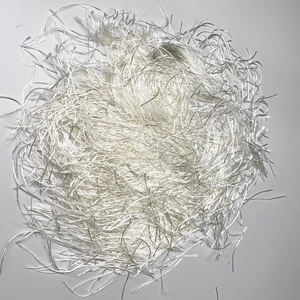
Polypropylene synthetic microfiber is a fine, hair-like fiber made from polypropylene plastic. Builders mix it into concrete to improve strength and reduce cracking. Ọ na-arụ ọrụ n'ime sinkịtị dị ka obere nkwalite.
Why add microfibers to concrete?
Concrete nwere ike ịgbawa ka ọ na-akpọnwụ ma ọ bụ na-enwe nrụgide. Adding microfibers helps hold the concrete together. This lowers the chance of small cracks forming early on. Nsonaazụ siri ike karị, more durable concrete that lasts longer.
How does it help with shrinkage cracks?
Mgbe ihe siri ike, it shrinks slightly. This often causes surface cracks. Microfibers spread evenly through the mix and act like a net. They control the movement inside the concrete and stop cracks from growing large.
Ọ dị mfe iji na saịtị ọrụ?
Ee. You add the fibers during normal mixing—just toss them in with sand, simenti, na mmiri. No extra tools or steps are needed. The fibers disperse well and won’t clump if mixed properly.
Ọ na-edochi nkwado nchara?
Mba. Polypropylene microfibers do not take the place of rebar or wire mesh. They handle small, early-stage cracks only. For major loads or structural support, you still need steel. Think of microfibers as a helper—not a replacement—for traditional reinforcement.
RỊỌRỌ OKWU
Ngwaahịa ndị metụtara
Ultra High Performance 100 Pasent Macro Synthetic Concrete Fiber maka nkwalite ihe
Ihe mgbakwunye osisi cellulose fiber na-eme ka mgbawa mgbawa na-eguzogide ihe
Concrete reinforcement Synthetic waved macro fibers High dispersion monofilament Polypropylene PP fibres from s

Igwe ọkụ Carbon Concrete Fiber Brick na-arụ ọrụ dị elu Brick Carbon Brick dị ọcha maka ọkụ ọkụ.

Fiberglass Concretes Glass Concrete Fiber Mesh Carbon Fiber Mesh