


Liggewig Beton Bymiddels | Hoëprestasie skuimmiddels vir sellulêre beton

PRODUKPARAMETERS
Beskrywing
Overview of Polypropylene Synthetic Microfiber Reinforced Concrete Fiber for Concrete Structures and Building Projects
Vir hoë impak weerstand, ons bied staalvesels aan, 'n ideale plaasvervanger vir gelaste gaas in industriële vloere en voorafgegote elemente. Ons verskaf ook gespesialiseerde strukturele sintetiese vesels wat hoë treksterkte bied vir veeleisende toepassings. Hierdie vesels word eenvormig deur die betonmengsel versprei, die skep van 'n multi-dimensionele versterkingsnetwerk wat tradisionele metodes nie kan bereik nie. Hierdie geïntegreerde benadering vergemaklik konstruksie, versnel plasing, en verbeter die algehele integriteit en lang lewe van die beton, bied 'n moderne antwoord op eeue oue krake- en duursaamheidsuitdagings.
Features of Polypropylene Synthetic Microfiber Reinforced Concrete Fiber for Concrete Structures and Building Projects
1. Uitstekende kraakbeheer en verbeterde duursaamheid:
Die primêre kenmerk van ons vesels is hul vermoë om beide mikro-krake wat tydens die plastiese toestand vorm en groter krake in geharde beton te oorbrug. Hierdie driedimensionele verspreiding skep 'n meer samehangende matriks wat kraakvoortplanting weerstaan. Die direkte voordeel is 'n aansienlike vermindering in beide plastiese krimpkrake en langtermyn kraakwydte. Dit lei tot 'n baie meer duursame beton met laer deurlaatbaarheid, wat op sy beurt weer weerstand teen water binnedring verhoog, vries-dooi skade, en korrosie van enige ingebedde staal. Die resultaat is 'n struktuur met 'n langer lewensduur en verlaagde instandhoudingskoste.
2. Verhoogde impak- en skuurweerstand:
Vesels, veral staal en robuuste sintetiese makrovesels, verbeter die beton se taaiheid en prestasie na kraak dramaties. Hulle absorbeer en versprei energie tydens impak of laai. Hierdie kenmerk bied die voordeel van 'n meer veerkragtige oppervlak wat minder geneig is tot spatsels, versplintering, en skuur onder swaar verkeer of meganiese slytasie. Dit is 'n kritieke voordeel vir industriële vloere, pakhuis sypaadjies, en infrastruktuurprojekte, lei tot 'n draagbare oppervlak wat sy integriteit oor tyd behou.
3. Konstruksiedoeltreffendheid en kostebesparings:
'n Sleutelkenmerk van die gebruik van veselversterking is die uitskakeling van gelaste gaas (WWF) in baie toepassings. Dit bied geweldige voordele op die terrein: dit vergemaklik plasing, aangesien daar geen gaas is wat opgestel of moontlik verplaas moet word nie, en dit versnel die hele konstruksieproses. Deur 'n arbeidsintensiewe stap te verwyder, projekte sien verminderde arbeidskoste en vinniger projektydlyne. Die eenvormige verspreiding van vesels verseker ook konsekwente versterking deur die hele betongedeelte, anders as gaas, wat verkeerd geplaas kan word, lei tot meer betroubare en voorspelbare prestasie.

Specification of Polypropylene Synthetic Microfiber Reinforced Concrete Fiber for Concrete Structures and Building Projects
Polypropylene Artificial Microfiber for Concrete Reinforcement
Solied, Trustworthy Assistance for every single Concrete Job
Our polypropylene artificial microfiber is made to boost the efficiency of concrete in buildings and frameworks. It functions well in slabs, mure, sypaadjies, en fondamente. The fibers blend conveniently right into concrete throughout batching. Hulle versprei eenvormig sonder om te klont.
These microfibers assist manage splits that create when concrete diminishes as it dries. They likewise increase impact resistance and reduce surface area wear. This indicates your concrete lasts longer and needs fewer repair services over time.
Die vesels is 100% maagd polipropileen. Hulle staan teen teensuurmiddels op, natheid, en chemikalieë wat in beton voorkom. This makes certain long-lasting security inside the mix. Each fiber is only a few millimeters long but adds real worth to the final product.
Including these fibers does not alter just how you position or end up concrete. You can use typical devices and approaches. Geen unieke opleiding of gereedskap is nodig nie. Just follow regular blending procedures and consist of the recommended dosage– gewoonlik tussenin 0.6 aan 1.0 kg per kubieke meter beton.
Contractors select this item due to the fact that it lowers plastic shrinkage splits right after putting. It likewise helps fulfill contemporary building ordinance that call for second support in concrete components. Die resultaat is 'n skoonmaker, much more sturdy surface with less maintenance.
This microfiber meets ASTM C1116 requirements for synthetic fiber reinforcement. It has actually been evaluated in real-world jobs across domestic, industriële, and framework applications. Contractors trust it for constant top quality and easy handling on website.
Use it in driveways, sypaadjies, berging fasiliteit vloere, kelders, and precast devices. Wherever you need much better split control and toughness, this fiber supplies solid assistance without extra actions.
Geheime funksies:
– Controls early-age cracking
– Boosts longevity and surface honesty
– Easy to mix and put
– Chemically secure in concrete
– Complies with sector requirements
Applications of Polypropylene Synthetic Microfiber Reinforced Concrete Fiber for Concrete Structures and Building Projects
Applications of Polypropylene Synthetic Microfiber in Concrete Frameworks
Sterker, More Durable Concrete for Real-World Usage
Polypropylene artificial microfiber is commonly used to boost the efficiency of concrete in buildings and framework. Wanneer dit reg in beton gemeng is, these little fibers assist control fracturing triggered by drying out shrinking and temperature modifications. This makes the final framework much more trustworthy over time.
Builders add polypropylene microfibers to concrete for floorings, muur oppervlaktes, stukke, en sypaadjies. The fibers produce a network inside the concrete that holds it together also when tiny cracks start to develop. This minimizes surface area cleaning and spalling, specifically in locations with heavy foot or lorry traffic.
In domestic tasks, microfiber-reinforced concrete works well for driveways, motorhuisvloere, and cellar slabs. It cuts down on maintenance requirements and extends the life of the concrete. Specialists also use it in commercial setups like warehouses, retail spaces, and auto parking frameworks where durability matters most.
Better Efficiency Without Making Complex Building And Construction
One huge advantage of polypropylene microfibers is just how very easy they are to make use of. They mix straight right into the concrete batch without unique tools or extra steps. Workers do not require to deal with steel mesh or rebar in many cases, which quickens pouring and completing.
These fibers likewise enhance influence resistance. That suggests concrete is much less likely to chip or break under abrupt tons– crucial for commercial floors or packing docks. Plus, because the fibers are non-corrosive, they will not rust like metal reinforcements. This helps shield the concrete in wet or chemically hostile environments.
From sidewalks to skyscrapers, polypropylene synthetic microfiber provides concrete a straightforward yet effective upgrade. It sustains everyday building requirements while supplying long-term worth through minimized fracturing, much better toughness, and simpler positioning.
Maatskappy profiel
Ons is die wêreldleier in liggewigbeton en gevorderde gemanipuleerde skuimoplossings. Wêreldwyd bekend vir sy verbintenis tot navorsing, innovasie, en toegepaste kundigheid, ons verskaf reeds gemanipuleerde skuimoplossings sedert die vroeë 2012's.
Ons kan produkte van hoë gehalte betonmengsel en skuimbetonverwante produkte oor die hele wêreld verskaf.
Die maatskappy het 'n professionele tegniese afdeling en kwaliteit toesig afdeling, 'n goed toegeruste laboratorium, en toegerus met gevorderde toetstoerusting en na-verkope kliëntedienssentrum.
As jy belangstel, voel asseblief vry en kontak ons.
Betaling
T/T, Western Union, Paypal, Kredietkaart ens.
Versending
Deur die lug, deur die see, deur uitdruklik, soos kliënte versoek.
5 FAQs of Polypropylene Synthetic Microfiber Reinforced Concrete Fiber for Concrete Structures and Building Projects
Frequently Asked Questions About Polypropylene Synthetic Microfiber for Concrete
What is polypropylene synthetic microfiber?
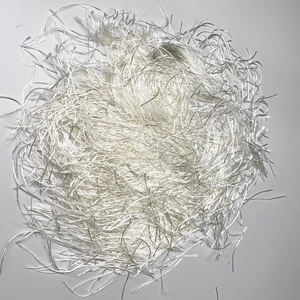
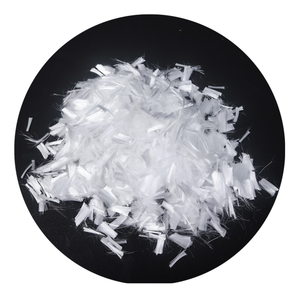
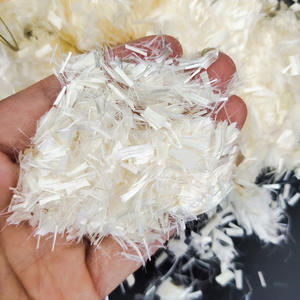
Polypropylene synthetic microfiber is a fine, hair-like fiber made from polypropylene plastic. Builders mix it into concrete to improve strength and reduce cracking. It works inside the concrete like tiny reinforcements.
Why add microfibers to concrete?
Beton kan kraak soos dit droog word of onder spanning. Adding microfibers helps hold the concrete together. This lowers the chance of small cracks forming early on. Die resultaat is taaier, more durable concrete that lasts longer.
How does it help with shrinkage cracks?
Wanneer beton hard word, it shrinks slightly. This often causes surface cracks. Microfibers spread evenly through the mix and act like a net. They control the movement inside the concrete and stop cracks from growing large.
Is dit maklik om op werkswerwe te gebruik?
Ja. You add the fibers during normal mixing—just toss them in with sand, sement, en water. Geen ekstra gereedskap of stappe is nodig nie. The fibers disperse well and won’t clump if mixed properly.
Vervang dit staalwapening?
Nee. Polypropylene microfibers do not take the place of rebar or wire mesh. They handle small, early-stage cracks only. For major loads or structural support, you still need steel. Think of microfibers as a helper—not a replacement—for traditional reinforcement.
AANVRA 'N KWOTATIE
VERWANTE PRODUKTE

Ingenieursvesel/pp-vesel Vir Betonversterking
Daye Whole Factory Directly Supply Stainless Steel Corrugated Concrete Fiber Materials
Heel duursame industriële gebou Plat vlekvrye staal Betonveselversterkte Betonmateriaal
Polypropylene Concrete Fiber Building Concrete Fiber s Direct Supply Polypropylene Short Fiber Impact Resistant

ACF-geaktiveerde koolstofbetonveseldoek en vilt 1 mm tot 3 mm filtermediarol
