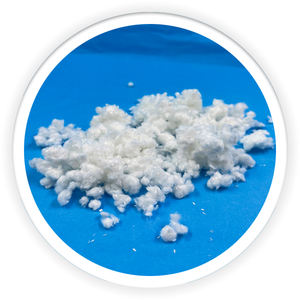
Nga Whakapiri Raima Maamaa | Nga Kaipupuhi Hukarere Mahinga Nui mo te Raima Pukoro

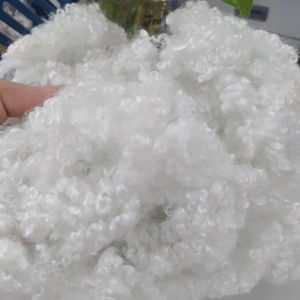
NGA TAATA HUA
Whakaahuatanga
Overview of Polypropylene Synthetic Microfiber Reinforced Concrete Fiber for Concrete Structures and Building Projects
Mo te parenga-nui, ka whakaekea e matou nga muka maitai, he whakakapinga pai mo te waea waea paiherea i roto i nga papa ahumahi me nga waahanga o mua. Ka whakaratohia ano hoki e matou nga muka Hanganga Hanganga motuhake e tuku ana i te kaha kaha mo te tono tono.. Ka marara rite enei muka puta noa i te ranunga raima, te hanga i te kupenga whakakaha-maha e kore e taea e nga tikanga tuku iho. Ko tenei huarahi whakauru ka ngawari te hanga, ka whakatere i te whakanohonga, me te whakanui ake i te pono me te roa o te raima, he whakautu hou mo nga wero tawhito me te mauroa.
Features of Polypropylene Synthetic Microfiber Reinforced Concrete Fiber for Concrete Structures and Building Projects
1. Mana Kapiti Kairangi me te Maamaa Whakarei:
Ko te ahuatanga tuatahi o a tatou muka ko to raatau kaha ki te hono i nga kapiti moroiti e rua ka puta i te wa o te ahua kirihou me nga kapiti nui atu i roto i te raima whakapakeke.. Ko tenei marara e toru-ahu ka hanga he matrix kaha ake hei aukati i te whakatipu kapiti. Ko te painga tika ko te whakahekenga nui i roto i nga kapiti whakaheke kirihou me te whanui kapiti mo te wa roa. Ka puta tenei ki te raima tino roa ake me te iti o te uruhanga, e whakanui ana i te aukati ki te whakauru wai, te mate huka-rewa, me te waikura o tetahi rino whakauru. Ko te hua ko te hanganga me te roa o te oranga ratonga me te whakaiti i nga utu tiaki.
2. Te Whakanuia o te Paanga me te Atete Abrasion:
Nga muka, ina koa te rino me nga muka tonotono waihanga pakari, te whakapai ake i te pakari o te raima me te mahi i muri i te kapiti. Ka mimiti, ka tohatoha i te kaha i runga i te paanga, te uta ranei. Ko tenei ahuatanga e whakarato ana i te painga o te mata kaha ake ka iti ake te waahi ki te pakaru, maramara, me te abrasion i raro i nga waka taumaha me nga kakahu miihini. He painga nui tenei mo nga papa ahumahi, nga papahanga whare putunga, me nga kaupapa hanganga, e arai ana ki te mata pakeke ake e mau tonu ana tona tapatahi i roto i te waa.
3. Te Mahi Hanga me te Tiaki Utu:
Ko tetahi ahuatanga nui o te whakamahi i te whakakaha muka ko te whakakore i nga waea waea paiherea (WWF) i roto i nga tono maha. Ka whakarato tenei i nga painga nui i runga i te waahi: he whakangawari te whakatakotoranga, i te mea karekau he mata hei whakatu, ka nukuhia ranei, a ka whakatere i te katoa o nga mahi hanga. Na roto i te tango i tetahi mahi mahi, ka kite nga kaupapa i te hekenga o nga utu mo nga kaimahi me te tere ake o nga waahi kaupapa. Ko te tohatoha rite o nga muka ka whakarite kia rite tonu te whakakaha puta noa i te waahanga raima katoa, kaore i rite ki te mata, ka taea te whakanoho hee, ka nui ake te pono me te matapae mahi.

Specification of Polypropylene Synthetic Microfiber Reinforced Concrete Fiber for Concrete Structures and Building Projects
Polypropylene Artificial Microfiber for Concrete Reinforcement
Mārō, Trustworthy Assistance for every single Concrete Job
Our polypropylene artificial microfiber is made to boost the efficiency of concrete in buildings and frameworks. It functions well in slabs, taiepa, nga papaahi, me nga turanga. The fibers blend conveniently right into concrete throughout batching. Ka horapa orite me te kore e piri.
These microfibers assist manage splits that create when concrete diminishes as it dries. They likewise increase impact resistance and reduce surface area wear. This indicates your concrete lasts longer and needs fewer repair services over time.
Ko nga muka he 100% polypropylene wahine. Ka tu ratou ki nga antacids, mākū, me nga matū ka kitea i roto i te raima. This makes certain long-lasting security inside the mix. Each fiber is only a few millimeters long but adds real worth to the final product.
Including these fibers does not alter just how you position or end up concrete. You can use typical devices and approaches. No unique training or tools is needed. Just follow regular blending procedures and consist of the recommended dosage– te tikanga i waenganui 0.6 ki 1.0 kg ia mita pūtoru o te raima.
Contractors select this item due to the fact that it lowers plastic shrinkage splits right after putting. It likewise helps fulfill contemporary building ordinance that call for second support in concrete components. Ko te hua he kai horoi, much more sturdy surface with less maintenance.
This microfiber meets ASTM C1116 requirements for synthetic fiber reinforcement. It has actually been evaluated in real-world jobs across domestic, ahumahi, and framework applications. Contractors trust it for constant top quality and easy handling on website.
Whakamahia i roto i nga huarahi taraiwa, huarahi huarahi, storage facility floors, nga ruuma, me nga taputapu tuku-mua. Wherever you need much better split control and toughness, this fiber supplies solid assistance without extra actions.
Nga Mahi Huna:
– Controls early-age cracking
– Boosts longevity and surface honesty
– Easy to mix and put
– Chemically secure in concrete
– Complies with sector requirements
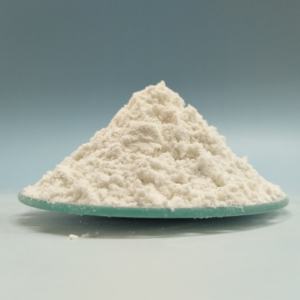
Applications of Polypropylene Synthetic Microfiber Reinforced Concrete Fiber for Concrete Structures and Building Projects
Applications of Polypropylene Synthetic Microfiber in Concrete Frameworks
Kaha ake, More Durable Concrete for Real-World Usage
Polypropylene artificial microfiber is commonly used to boost the efficiency of concrete in buildings and framework. Ina whakakotahi tika ki te raima, these little fibers assist control fracturing triggered by drying out shrinking and temperature modifications. This makes the final framework much more trustworthy over time.
Builders add polypropylene microfibers to concrete for floorings, papa taiepa, mongamonga, me nga huarahi huarahi. The fibers produce a network inside the concrete that holds it together also when tiny cracks start to develop. This minimizes surface area cleaning and spalling, specifically in locations with heavy foot or lorry traffic.
In domestic tasks, microfiber-reinforced concrete works well for driveways, nga papa karati, me nga papa puhera. It cuts down on maintenance requirements and extends the life of the concrete. Specialists also use it in commercial setups like warehouses, retail spaces, and auto parking frameworks where durability matters most.
Better Efficiency Without Making Complex Building And Construction
One huge advantage of polypropylene microfibers is just how very easy they are to make use of. They mix straight right into the concrete batch without unique tools or extra steps. Workers do not require to deal with steel mesh or rebar in many cases, which quickens pouring and completing.
These fibers likewise enhance influence resistance. That suggests concrete is much less likely to chip or break under abrupt tons– crucial for commercial floors or packing docks. Tāpiri atu, because the fibers are non-corrosive, they will not rust like metal reinforcements. This helps shield the concrete in wet or chemically hostile environments.
From sidewalks to skyscrapers, polypropylene synthetic microfiber provides concrete a straightforward yet effective upgrade. It sustains everyday building requirements while supplying long-term worth through minimized fracturing, much better toughness, and simpler positioning.
Kōtaha Kamupene
Ko matou te kaihautu o te ao mo nga raima maamaa me nga otinga pahuka i hangaia. E mohiotia ana puta noa i te ao mo tana pono ki te rangahau, auahatanga, me te tohungatanga tono, kua whakaratohia e matou he otinga pahuka i hangaia mai i te timatanga o te tau 2012.
Ka taea e matou te whakarato i te whakauru raima kounga teitei me nga hua e pa ana ki te raima pahuka puta noa i te ao.
Ko te kamupene he tari hangarau ngaio me te tari tirotiro kounga, he taiwhanga pai rawa atu, me nga taputapu whakamatautau matatau me te pokapū ratonga kaihoko muri-hoko.
Mena kei te hiahia koe, tēnā koa whakapā mai ki a mātou.
Utu
T/T, Western Union, Paypal, Kaari nama etc.
Tukunga
Ma te hau, ma te moana, mā te whakapuaki, kia rite ki te tono a nga kaihoko.
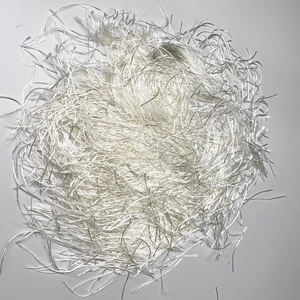
5 FAQs of Polypropylene Synthetic Microfiber Reinforced Concrete Fiber for Concrete Structures and Building Projects
Frequently Asked Questions About Polypropylene Synthetic Microfiber for Concrete
What is polypropylene synthetic microfiber?
Polypropylene synthetic microfiber is a fine, hair-like fiber made from polypropylene plastic. Ka whakauruhia e nga kaihanga ki te raima hei whakapai ake i te kaha me te whakaiti i te pakaru. It works inside the concrete like tiny reinforcements.
Why add microfibers to concrete?
Ka pakaru te raima ina maroke, i raro ranei i te ahotea. Adding microfibers helps hold the concrete together. This lowers the chance of small cracks forming early on. He uaua ake te hua, more durable concrete that lasts longer.
How does it help with shrinkage cracks?
Ka pakeke te raima, it shrinks slightly. This often causes surface cracks. Microfibers spread evenly through the mix and act like a net. They control the movement inside the concrete and stop cracks from growing large.
He ngawari ki te whakamahi i nga waahi mahi?
Ae. You add the fibers during normal mixing—just toss them in with sand, sima, me te wai. No extra tools or steps are needed. The fibers disperse well and won’t clump if mixed properly.
Ka whakakapi i te whakakaha maitai?
Kao. Polypropylene microfibers do not take the place of rebar or wire mesh. They handle small, early-stage cracks only. For major loads or structural support, you still need steel. Think of microfibers as a helper—not a replacement—for traditional reinforcement.
TONO HE KORERO
HUA HUA
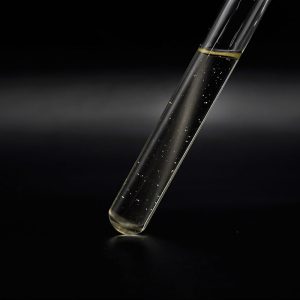
wheketere e te muka karaihe mo te raima te muka karaihe Tapatapahi whenu
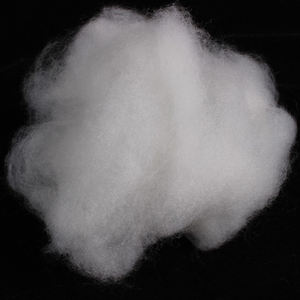
kaha teitei 12mm monofilament polypropylene raima whakakaha te muka mo te hanga
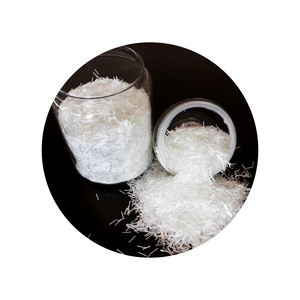
Ka taea te whakamahi muka maitai mo te piriti raima papa me te papa papa
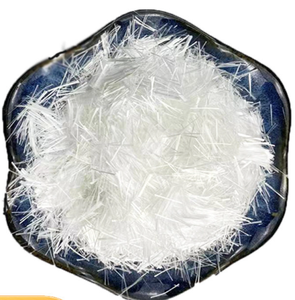
Sima Polypropylene Reinforced Concrete Fiber Additive Staple Fiber
Raima Mahi Teitei me te Waawai Whakakikoruatia te Waa Raima mo te Tunnel Wind Power Grout