


Li-additives tsa Konkreite tse bobebe | Li-Agents tse Foaming tse Phahameng ka ho Fetisisa bakeng sa Konkreite ea Cellular

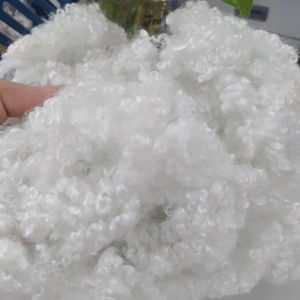
LITLHAKISO TSA LITŠOANTŠISO
Tlhaloso
Overview of Polypropylene Synthetic Microfiber Reinforced Concrete Fiber for Concrete Structures and Building Projects
Bakeng sa khanyetso e phahameng, re fana ka Steel Fibers, sebaka se loketseng bakeng sa letlooeng la terata le cheselitsoeng mekatong ea liindasteri le lintho tse entsoeng esale pele. Re boetse re fana ka li-Structural Synthetic Fibers tse khethehileng tse fanang ka matla a phahameng a ts'ebetso bakeng sa lits'ebetso tse batloang haholo. Likhoele tsena li hasane ka mokhoa o ts'oanang ho pholletsa le motsoako oa konkreite, ho theha marang-rang a matlafatso a mahlakore a mangata ao mekhoa ea setso e ke keng ea e finyella. Mokhoa ona o kopaneng o nolofatsa kaho, potlakisa ho beha, le ho matlafatsa botšepehi bo akaretsang le bophelo bo bolelele ba konkreite, ho fana ka karabo ea sejoale-joale ho mathata a khale a ho petsoha le ho tšoarella.
Features of Polypropylene Synthetic Microfiber Reinforced Concrete Fiber for Concrete Structures and Building Projects
1. Taolo e Phahameng ea Crack le Matla a Matlafalitsoeng:
Ntho ea mantlha ea likhoele tsa rona ke bokhoni ba bona ba ho koala mapetso a manyane a hlahang nakong ea polasetiki le mapetsong a maholo a konkreite e thata.. Phatlalatso ena ea mahlakore a mararo e theha matrix e momahaneng haholoanyane e hananang le phatlalatso ea crack. Melemo e tobileng ke ho fokotseha ho hoholo ha ho phunyeha ha polasetiki ka bobeli le bophara ba nako e telele. Sena se lebisa ho konkreite e tšoarellang haholo e nang le matla a tlase, seo ka sona se matlafatsang kganetso ya metsi a kenang, tshenyo ya ho qhoqhoa, le ho bola ha tšepe efe kapa efe e kentsoeng. Sephetho ke sebopeho se nang le nako e telele ea tšebeletso le litšenyehelo tse fokolitsoeng tsa tlhokomelo.
2. Keketseho ea Tšusumetso le Khahlano ea Abrasion:
Likhoele, haholo-holo tšepe le li-macro fibers tse matla tsa maiketsetso, ntlafatsa haholo ho tiea ha konkreite le ts'ebetso ea kamora ho phatloha. Li monya le ho aba matla ha li ama kapa ha li laeloa. Tšobotsi ena e fana ka molemo oa sebaka se tsitsitseng haholoanyane se sa rateheng ho spalling, ho qhetsola, le abrasion tlas'a sephethephethe se seholo kapa moaparo oa mochini. Ena ke monyetla oa bohlokoa bakeng sa mekato ea indasteri, litselana tsa polokelo, le diporojeke tsa mafaratlhatlha, e lebisang sebakeng se apereng ka thata haholo se bolokang botshepehi ka nako.
3. Sebetsa sa Kaho le Poloko ea Litšenyehelo:
Tšobotsi ea bohlokoa ea ho sebelisa fiber reinforcement ke ho felisoa ha letlooeng le cheselitsoeng (WWF) lits'ebetsong tse ngata. Sena se fana ka melemo e mengata sebakeng sa marang-rang: e nolofatsa ho beha, kaha ha ho na mesh e lokelang ho hlongoa kapa e ka tlosoang, mme e akofisa tshebetso yohle ya kaho. Ka ho tlosa mohato o boima oa mosebetsi, merero e bona litšenyehelo tse fokotsehileng tsa basebetsi le linako tse potlakileng tsa merero. Kabo e tšoanang ea likhoele e boetse e tiisa matlafatso e tsitsitseng ho pholletsa le karolo eohle ea konkreite, ho fapana le letlooeng, e ka bewang ka tsela e sa lokang, se lebisang tshebetsong e tshepehang le e lebelloang.

Specification of Polypropylene Synthetic Microfiber Reinforced Concrete Fiber for Concrete Structures and Building Projects
Polypropylene Artificial Microfiber for Concrete Reinforcement
Tiileng, Trustworthy Assistance for every single Concrete Job
Our polypropylene artificial microfiber is made to boost the efficiency of concrete in buildings and frameworks. It functions well in slabs, mabota, litselana, le metheo. The fibers blend conveniently right into concrete throughout batching. Li hasana ka mokhoa o ts'oanang ntle le ho bokellana.
These microfibers assist manage splits that create when concrete diminishes as it dries. They likewise increase impact resistance and reduce surface area wear. This indicates your concrete lasts longer and needs fewer repair services over time.
Likhoele li 100% polypropylene e sa tsoakoang. They stand up to antacids, metsi, le lik'hemik'hale tse fumanoang ka konkreite. This makes certain long-lasting security inside the mix. Each fiber is only a few millimeters long but adds real worth to the final product.
Including these fibers does not alter just how you position or end up concrete. You can use typical devices and approaches. No unique training or tools is needed. Just follow regular blending procedures and consist of the recommended dosage– hangata mahareng 0.6 ho 1.0 lik'hilograma ka mithara ea konkreite.
Contractors select this item due to the fact that it lowers plastic shrinkage splits right after putting. It likewise helps fulfill contemporary building ordinance that call for second support in concrete components. Phello ke ho hloekisa, much more sturdy surface with less maintenance.
This microfiber meets ASTM C1116 requirements for synthetic fiber reinforcement. It has actually been evaluated in real-world jobs across domestic, indasteri, and framework applications. Contractors trust it for constant top quality and easy handling on website.
Use it in driveways, litselana tsa maoto, storage facility floors, likamore tse ka tlaase, le lisebelisoa tsa precast. Wherever you need much better split control and toughness, this fiber supplies solid assistance without extra actions.
Mesebetsi ea Lekunutu:
– Controls early-age cracking
– Boosts longevity and surface honesty
– Easy to mix and put
– Chemically secure in concrete
– Complies with sector requirements
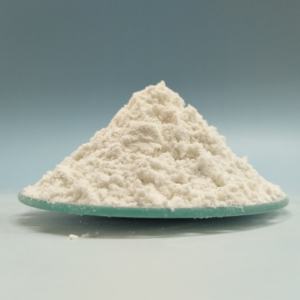
Applications of Polypropylene Synthetic Microfiber Reinforced Concrete Fiber for Concrete Structures and Building Projects
Applications of Polypropylene Synthetic Microfiber in Concrete Frameworks
E matlahadi, More Durable Concrete for Real-World Usage
Polypropylene artificial microfiber is commonly used to boost the efficiency of concrete in buildings and framework. Ha e kopantsoe hantle ka konkreite, these little fibers assist control fracturing triggered by drying out shrinking and temperature modifications. This makes the final framework much more trustworthy over time.
Builders add polypropylene microfibers to concrete for floorings, bokaholimo ba marako, likotoana, le litselana tsa maoto. The fibers produce a network inside the concrete that holds it together also when tiny cracks start to develop. This minimizes surface area cleaning and spalling, specifically in locations with heavy foot or lorry traffic.
In domestic tasks, microfiber-reinforced concrete works well for driveways, mokatong oa karache, le li-cellar slabs. It cuts down on maintenance requirements and extends the life of the concrete. Specialists also use it in commercial setups like warehouses, retail spaces, and auto parking frameworks where durability matters most.
Better Efficiency Without Making Complex Building And Construction
One huge advantage of polypropylene microfibers is just how very easy they are to make use of. They mix straight right into the concrete batch without unique tools or extra steps. Workers do not require to deal with steel mesh or rebar in many cases, which quickens pouring and completing.
These fibers likewise enhance influence resistance. That suggests concrete is much less likely to chip or break under abrupt tons– crucial for commercial floors or packing docks. Hape, because the fibers are non-corrosive, they will not rust like metal reinforcements. This helps shield the concrete in wet or chemically hostile environments.
From sidewalks to skyscrapers, polypropylene synthetic microfiber provides concrete a straightforward yet effective upgrade. It sustains everyday building requirements while supplying long-term worth through minimized fracturing, much better toughness, and simpler positioning.
Boemo ba Khoebo
Re moetapele oa lefats'e oa konkreite e bobebe le tharollo ea foam e tsoetseng pele. E tsebahala lefatšeng ka bophara ka boitlamo ba eona ba ho etsa lipatlisiso, popontshwa, le botsebi bo sebelisitsoeng, esale re fana ka tharollo ea foam e entsoeng ka boenjiniere ho tloha qalong ea 2012.
Re ka fana ka motsoako oa boleng bo holimo oa konkreite le lihlahisoa tse amanang le konkreite ea foam lefatšeng ka bophara.
Khampani e na le lefapha la litsebi tsa theknoloji le lefapha la tlhokomelo ea boleng, laboratori e nang le lisebelisoa hantle, hape e na le lisebelisoa tse tsoetseng pele tsa tlhahlobo le setsi sa litšebeletso tsa bareki ka mor'a thekiso.
Haeba u thahasella, ka kopo ikutloe u lokolohile 'me u ikopanye le rona.
Tefo
T/T, phetiso ea chelete e bitsoang western union, Paypal, Credit Card etc.
Thomello
Ka moea, ka leoatle, ka Express, joalo ka ha bareki ba kopa.
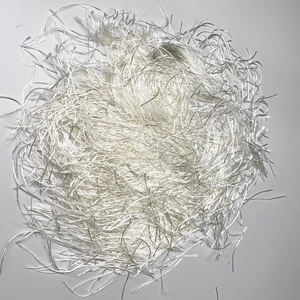
5 FAQs of Polypropylene Synthetic Microfiber Reinforced Concrete Fiber for Concrete Structures and Building Projects
Frequently Asked Questions About Polypropylene Synthetic Microfiber for Concrete
What is polypropylene synthetic microfiber?
Polypropylene synthetic microfiber is a fine, hair-like fiber made from polypropylene plastic. Builders mix it into concrete to improve strength and reduce cracking. It works inside the concrete like tiny reinforcements.
Why add microfibers to concrete?
Konkreite e ka petsoha ha e omella kapa e tlas'a khatello ea maikutlo. Adding microfibers helps hold the concrete together. This lowers the chance of small cracks forming early on. Sephetho se thata haholoanyane, more durable concrete that lasts longer.
How does it help with shrinkage cracks?
Ha konkreite e thatafala, it shrinks slightly. This often causes surface cracks. Microfibers spread evenly through the mix and act like a net. They control the movement inside the concrete and stop cracks from growing large.
Na ho bonolo ho e sebelisa libakeng tsa mosebetsi?
Ee. You add the fibers during normal mixing—just toss them in with sand, samente, le metsi. Ha ho na lisebelisoa tse eketsehileng kapa mehato e hlokahalang. The fibers disperse well and won’t clump if mixed properly.
E nka sebaka sa ho matlafatsa tšepe?
Che. Polypropylene microfibers do not take the place of rebar or wire mesh. They handle small, early-stage cracks only. For major loads or structural support, you still need steel. Think of microfibers as a helper—not a replacement—for traditional reinforcement.
KOPO KHOPO
LIHLAHISO TSE HLAHANG

boleng bo phahameng ba carbon faeba net carbon faeba letlooeng bakeng sa ho matlafatsa konkreite

Mocheso oa Thermal Insulation Silicone Coated Fiberglass Fabric Lesela

Hot wood cellulose recycled lignin fiber for asphalt concrete reinforcement

Boleng bo phahameng 100 Percent Polypropylene Durability Stable Polypropylene Concrete Cement Mortar PP Fiber Feme

Micro Steel Fiber Reinforced Concrete Straight Copper Metal Building Materials Estate Concrete Premium Quality Trusted
