


Te mau tao'a tahi mâmâ | Te mau rave'a haaparareraa parau teitei no te cellular concrete

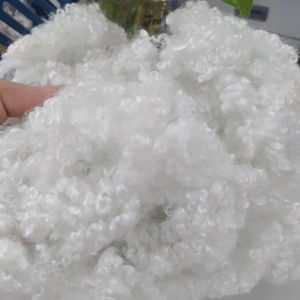
TE MAU PARAMETERS
Tuʻaroʻa
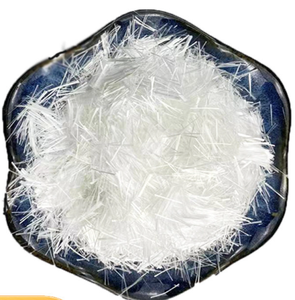
Overview of Polypropylene Synthetic Microfiber Reinforced Concrete Fiber for Concrete Structures and Building Projects
No te pato'iraa rahi, te horo'a nei matou i te mau hu'ahu'a Steel, te hoê monoraa maitai roa no te mau uira arapoa i ni'a i te tahua fare hamaniraa tauihaa e te mau hu'ahu'a. Te horoa atoa nei matou i te mau hu'ahu'a Synthetic taa ê o te horoa i te puai rahi no te mau faaohiparaa fifi. E parare hoê â teie mau hu'ahu'a i roto i te amuiraa sima, te haamauraa i te hoê faanahoraa haapuairaa rahi o te ore e nehenehe e ravehia e te mau rave'a anamua. Na teie faanahoraa taa ê e faaohie i te paturaa, haavitiviti te tuuraa, e te haamaitai i te taiva ore e te oraraa roa o te raima, Te horo'araa i te hoê pahonoraa apî i te mau fifi o te mau fifi tahito e te mau fifi.
Features of Polypropylene Synthetic Microfiber Reinforced Concrete Fiber for Concrete Structures and Building Projects
1. Te faatereraa hau a'e e te vai - maitai - raa:
Te huru matamua o to tatou mau hu'ahu'a, o to ratou ïa aravihi no te faatumu i ni'a i te mau hu'ahu'a iti e tupu mai i roto i te huru hu'ahu'a e te mau hu'ahu'a rahi a'e i roto i te raima. E faatupu teie purara e toru ahu i te hoê matrix taa ê a'e o te pato'i i te parareraa o te mau hu'ahu'a. Te maitai ti'a'tu, o te hoê ïa faaitiraa rahi i te mau hu'ahu'a hu'ahu'a e te rahi o te hu'ahu'a. E faatupu te reira i te hoê raima papû a'e e te iti a'e o te permeability, o te faarahi ïa i te aravihi no te patoi i te pape, Te faainoraa, e te vavahiraa o te mau fetia atoa. Te faahopearaa, o te hoê ïa haamauraa e oraraa taviniraa roa a'e e te haamau'araa iti a'e.
2. Te faarahiraa o te mau faahopearaa e te patoiraa i te abrasion:
Te mau hu'ahu'a, i te pae iho â râ o te mau hu'ahu'a macro e te mau hu'ahu'a macro, ia haamaitai rahi i te etaeta o te raima e te ha'utiraa i muri mai i te reira. E huti ratou e e opere ratou i te ito i muri a'e i te mau faahopearaa aore ra te mau hopoia. E horoa teie huru i te maitai o te hoê mata etaeta a'e o te ore e nehenehe e vavahi, chipping, e te vavahiraa i raro a'e i te pereoo uira rahi aore ra i te mau ahu matini. E tuhaa faufaa roa teie no te mau tahua hamaniraa tauihaa, Te mau purumu no te fare vairaa tauihaa, e te mau opuaraa paturaa, e arata'i atu i ni'a i te hoê vahi etaeta a'e o te tape'a i to'na haapa'o maitai i te roaraa o te taime.
3. Te aravihi no te paturaa i te fare e te haaputuputuraa moni:
Te hoê tuhaa rahi o te faaohiparaa i te mau hu'ahu'a, o te faaoreraa ïa i te mau arapoa (WWF) i roto i te mau faaohiparaa e rave rahi. E horo'a te reira i te mau maitai rahi i ni'a i te tahua itenati: te faaohie nei te reira i te tuuraa, no te mea ho'i e, aita e upe'a no te haamau e aore râ, no te faaru'e, e te haavitiviti te reira i te taatoaraa o te ohipa paturaa. Na roto i te iritiraa i te hoê taahiraa ohipa rahi, Te ite nei te mau opuaraa i te mau haamâu'araa no te ohipa e te mau taime vitiviti a'e. Te haapapu atoa ra te tufaraa hoê â o te mau hu'ahu'a i te hoê haapuairaa tamau i roto i te tuhaa raima taatoa, taa ê atu i te mesh, o te nehenehe e tuuhia i nia i te vahi tano ore, e arata'i atu i te hoê ha'utiraa e ti'aturihia a'e e e nehenehe e tohuhia.

Specification of Polypropylene Synthetic Microfiber Reinforced Concrete Fiber for Concrete Structures and Building Projects
Polypropylene Artificial Microfiber for Concrete Reinforcement
Ti'a, Trustworthy Assistance for every single Concrete Job
Our polypropylene artificial microfiber is made to boost the efficiency of concrete in buildings and frameworks. E ohipa maitai te reira i roto i te mau papa'i, patu, Te mau purumu, e te mau niu. The fibers blend conveniently right into concrete throughout batching. They spread uniformly without clumping.
These microfibers assist manage splits that create when concrete diminishes as it dries. They likewise increase impact resistance and reduce surface area wear. This indicates your concrete lasts longer and needs fewer repair services over time.
Te mau hu'ahu'a 100% polypropylene tamahine. E patoi ratou i te mau antacids, te, e te mau tao'a tahi i roto i te simeni. This makes certain long-lasting security inside the mix. Each fiber is only a few millimeters long but adds real worth to the final product.
Including these fibers does not alter just how you position or end up concrete. You can use typical devices and approaches. Aita e titauhia te hoê haapiiraa aore ra mau mauhaa otahi. Just follow regular blending procedures and consist of the recommended dosage– usually in between 0.6 a 1.0 kg i te metera cubic o te raima.
Contractors select this item due to the fact that it lowers plastic shrinkage splits right after putting. It likewise helps fulfill contemporary building ordinance that call for second support in concrete components. E mea mâ a'e te faahopearaa, much more sturdy surface with less maintenance.
This microfiber meets ASTM C1116 requirements for synthetic fiber reinforcement. It has actually been evaluated in real-world jobs across domestic, te fare hamaniraa tauihaa, and framework applications. Contractors trust it for constant top quality and easy handling on website.
Use it in driveways, te mau purumu, Te mau tahua o te fare vairaa tauihaa, mau piha i raro, and precast devices. Wherever you need much better split control and toughness, this fiber supplies solid assistance without extra actions.
Te mau ohipa huna:
– Controls early-age cracking
– Boosts longevity and surface honesty
– Easy to mix and put
– Chemically secure in concrete
– Complies with sector requirements
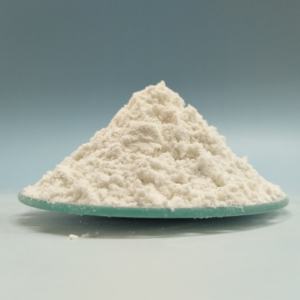
Applications of Polypropylene Synthetic Microfiber Reinforced Concrete Fiber for Concrete Structures and Building Projects
Applications of Polypropylene Synthetic Microfiber in Concrete Frameworks
Puai a'e, More Durable Concrete for Real-World Usage
Polypropylene artificial microfiber is commonly used to boost the efficiency of concrete in buildings and framework. Ia anoihia te reira i roto i te simeni, these little fibers assist control fracturing triggered by drying out shrinking and temperature modifications. This makes the final framework much more trustworthy over time.
Builders add polypropylene microfibers to concrete for floorings, te mau mata o te patu, mau tā'ito'a, e te mau purumu. The fibers produce a network inside the concrete that holds it together also when tiny cracks start to develop. This minimizes surface area cleaning and spalling, specifically in locations with heavy foot or lorry traffic.
In domestic tasks, microfiber-reinforced concrete works well for driveways, garage floorings, e te mau papa'i. It cuts down on maintenance requirements and extends the life of the concrete. Specialists also use it in commercial setups like warehouses, retail spaces, and auto parking frameworks where durability matters most.
Better Efficiency Without Making Complex Building And Construction
One huge advantage of polypropylene microfibers is just how very easy they are to make use of. They mix straight right into the concrete batch without unique tools or extra steps. Workers do not require to deal with steel mesh or rebar in many cases, which quickens pouring and completing.
These fibers likewise enhance influence resistance. That suggests concrete is much less likely to chip or break under abrupt tons– crucial for commercial floors or packing docks. Plus, because the fibers are non-corrosive, they will not rust like metal reinforcements. This helps shield the concrete in wet or chemically hostile environments.
From sidewalks to skyscrapers, polypropylene synthetic microfiber provides concrete a straightforward yet effective upgrade. It sustains everyday building requirements while supplying long-term worth through minimized fracturing, much better toughness, and simpler positioning.
Hoho'a o te Taiete
O tatou te ti'a faatere o te ao nei i roto i te mau rave'a no te faatitiaifaro i te mau rave'a hamaniraa tauihaa. Ua matau - maitai - hia oia na te ao nei no to ' na fafauraa i te maimiraa, Fa'aterehia, e te ite aravihi, mai te omuaraa mai â o te mau matahiti 2012 mai â, ua horo'a matou i te mau rave'a no te faatitiaifaro i te mau fifi.
Na te ao taatoa nei, e nehenehe ta tatou e horo'a i te mau tao'a faaineineraa ti'a teitei e te mau tao'a hu'ahu'a.
E tuhaa ohipa aravihi to te taiete e te hoê tuhaa fenua no te hi'opo'araa i te maitai, te hoê piha maimiraa tei faaineine-maitai-hia, e te mau rave'a hi'opo'araa aravihi e te hoê pû taviniraa i muri a'e i te hooraa.
Mai te mea e, te anaanatae ra outou, A faaite mai ia matou.
Aufau
T/T, Tooa o te râ, Paypal, Tareta tarahu etc.
Te tonoraa
Na roto i te reva, na te moana, na roto i te faaiteraa, mai ta te feia hoo tao'a e ani ra.
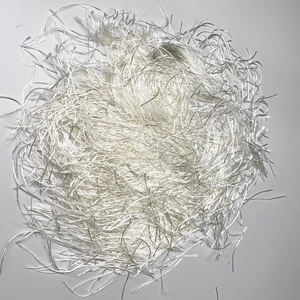
5 FAQs of Polypropylene Synthetic Microfiber Reinforced Concrete Fiber for Concrete Structures and Building Projects
Frequently Asked Questions About Polypropylene Synthetic Microfiber for Concrete
What is polypropylene synthetic microfiber?
Polypropylene synthetic microfiber is a fine, hair-like fiber made from polypropylene plastic. No te haamaitai i te puai e no te faaiti i te vavahiraa, e anoi te feia patu i te reira i roto i te simeni. E ohipa te reira i roto i te simeni mai te mau haamaitairaa ha'iha'i roa.
Why add microfibers to concrete?
E nehenehe te raima e tata'i a maro ai oia aore ra i roto i te hepohepo. Adding microfibers helps hold the concrete together. This lowers the chance of small cracks forming early on. E mea fifi a'e te faahopearaa, more durable concrete that lasts longer.
How does it help with shrinkage cracks?
Ia etaeta ana'e te raima, it shrinks slightly. This often causes surface cracks. Microfibers spread evenly through the mix and act like a net. They control the movement inside the concrete and stop cracks from growing large.
E mea ohie anei ia faaohipa i nia i te mau vahi ohipa?
ae. You add the fibers during normal mixing—just toss them in with sand, sima, e te pape. No extra tools or steps are needed. The fibers disperse well and won’t clump if mixed properly.
E mono anei te reira i te haapuraa fetia?
aita. Polypropylene microfibers do not take the place of rebar or wire mesh. They handle small, early-stage cracks only. For major loads or structural support, you still need steel. Think of microfibers as a helper—not a replacement—for traditional reinforcement.
A TINIRAA I TE HOÊ PARAU
TE MAU HOPO'A FAATAA

Te hamaniraa i te mau hu'ahu'a ti'a no te ti'a
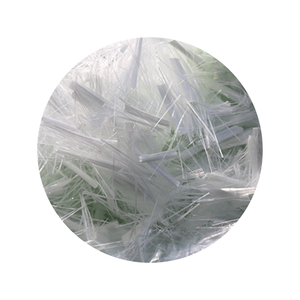
Te mau hu'ahu'a hu'ahu'a Polypropylene PP

Te mau hu'ahu'a Basalt Chopped Fiber 13mm Te rave'a no te haapuai i te mau rave'a haaparareraa parau

Te mau hu'ahu'a ti'a e te epoxy Resin Carbon no te paturaa i te fare
Ua tairihia te hoê hu'ahu'a Basalt Concrete teitei no te purumu sima