Nā Pākuʻi Paʻa Māmā | Nā ʻĀpana Hoʻohuʻi Kiʻekiʻe no ka Kelepona Kelepona

NA PALAPALA HUA
wehewehe
Overview of Reinforced Concrete Fiber PP Polypropylene Fiber Synthetic Fiber
No ke kū'ē kiʻekiʻe, hāʻawi mākou i nā Fiber Steel, kahi mea hoʻololi kūpono no ka uwea welded mesh ma nā papahele ʻoihana a me nā mea hoʻolei mua. Hāʻawi pū mākou i nā Structural Synthetic Fibers kūikawā e hāʻawi ana i ka ikaika tensile kiʻekiʻe no nā noi noi.. Hoʻopuehu like ʻia kēia mau fiber i loko o ka hui ʻana, ka hoʻokumu ʻana i kahi pūnaewele hoʻoikaika nui i hiki ʻole ke hoʻokō i nā ʻano kuʻuna. Hoʻomaʻamaʻa kēia ʻano hoʻohui i ke kūkulu ʻana, hoʻokē hoʻokomo, a hoʻonui i ka pono holoʻokoʻa a me ka lōʻihi o ka lāʻau, hāʻawi ʻana i kahi pane hou i nā pilikia o ka wā kahiko a me ka lōʻihi.
Features of Reinforced Concrete Fiber PP Polypropylene Fiber Synthetic Fiber
1. ʻOi aku ka mana o ka māwae a me ka hoʻoikaika ʻana i ka lōʻihi:
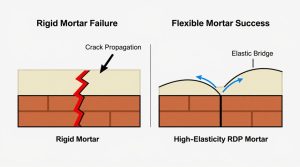
ʻO ka hiʻohiʻona nui o kā mākou fibers ko lākou hiki ke hoʻopaʻa i nā micro-cracks ʻelua i hana ʻia i ka wā o ke kūlana plastik a me nā māwae nui aʻe i loko o ke koʻa paʻa.. Hoʻokumu kēia dispersion ʻekolu-dimensional i kahi matrix cohesive ʻoi aku ka pale ʻana i ka hoʻolaha ʻana. ʻO ka pōmaikaʻi pololei, he hōʻemi nui ia i ka ʻāʻī ʻana o ka plastic a me ka laula māwae lōʻihi. Ke alakaʻi nei kēia i ka ʻoi aku ka lōʻihi o ke koʻikoʻi me ka haʻahaʻa haʻahaʻa, ʻo ia ka mea e hoʻonui ai i ke kū'ē i ka wai komo, pōʻino hoʻoheheʻe, a me ka palahu o kekahi kila i hookomoia. ʻO ka hopena he hale me ka lōʻihi o ke ola lawelawe a hoʻemi ʻia nā kumukūʻai mālama.
2. Hoʻonui i ka hopena a me ka pale ʻana i ka abrasion:
Nā pulu, ʻoi aku ke kila a me nā fiber macro synthetic ikaika, hoʻomaikaʻi maikaʻi i ka paʻakikī o ke kaʻa a me ka hana ma hope o ka haki. Lawe lākou a puʻunaue i ka ikehu ma ka hopena a i ʻole ka hoʻouka ʻana. Hāʻawi kēia hiʻohiʻona i ka pōmaikaʻi o kahi ʻili kūpaʻa ʻoi aku ka liʻiliʻi o ka spalling, ʻokiʻoki, a me ka abrasion ma lalo o ke kaʻa nui a i ʻole ka lole mīkini. He waiwai koʻikoʻi kēia no nā papahele ʻoihana, hale kūʻai pavements, a me nā papahana hoʻolālā, e alakaʻi ana i kahi ʻili paʻakikī e mālama i kona kūpaʻa i ka manawa.
3. ʻO ka maikaʻi o ke kūkulu ʻana a me ka mālama kālā:
ʻO kahi hiʻohiʻona nui o ka hoʻohana ʻana i ka fiber reinforcement ʻo ka hoʻopau ʻana i ka uwea welded mesh (WWF) i nā noi he nui. Hāʻawi kēia i nā pōmaikaʻi nui ma ka pūnaewele: maʻalahi ka hoʻokomo, no ka mea, ʻaʻohe mesh e hoʻonohonoho ʻia a hiki ke hoʻoneʻe ʻia, a hoʻokēʻai i ke kaʻina hana holoʻokoʻa. Ma ka wehe ʻana i kahi hana koʻikoʻi, ʻike nā papahana i ka hōʻemi ʻana i nā kumukūʻai hana a me ka wikiwiki o ka manawa papahana. ʻO ka hāʻawi like ʻana o nā fibers e hōʻoiaʻiʻo i ka hoʻoikaika paʻa ʻana ma ka ʻāpana koneki holoʻokoʻa, like ole mesh, hiki ke waiho pono ole ia, alakaʻi i ka hana hilinaʻi a wānana.

Specification of Reinforced Concrete Fiber PP Polypropylene Fiber Synthetic Fiber
Enhanced Concrete Fiber– PP Polypropylene Synthetic Fiber
Hōʻuluʻulu 'ikamu
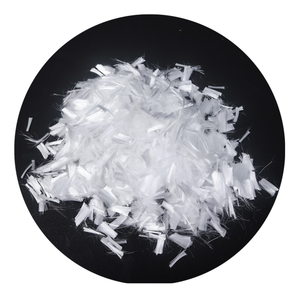
PP polypropylene artificial fiber is a high-performance additive used to reinforce concrete and mortar. Hana ʻia mai 100% pure polypropylene and engineered for consistent dispersion in cement-based blends. This fiber aids manage splitting, enhances impact resistance, and improves the overall resilience of concrete structures.
Mea huna
The fiber has a fine denier and a size commonly ranging from 6 i 19 millimeters. Its surface area is dealt with to bond well with cement paste. This makes sure also circulation throughout mixing and avoids clumping. The material stands up to alkali, mākū, and chemicals commonly discovered in concrete settings. It does not wear away, ʻōpala, or degrade in time.
Pono ma ka Hale
Adding PP fiber reduces plastic shrinking fractures that develop while concrete is still fresh. It additionally restricts split size in hard concrete under anxiety. Frameworks gain far better resistance to abrasion, nā pōʻai maloʻo maloʻo, and repeated loading. Ka papahele, alanui alanui, ʻano precast, and shotcrete all gain from its use. Professionals locate it very easy to mix– no special devices is required. Just include it during the batching phase like any type of other dry ingredient.
ʻIkepili ʻenehana
– Mea waiwai: 100% polypropylene puʻupaʻa
– Ka lōʻihi: 6 mm, 12 mm, a i ʻole 19 mm (typical options).
– Nui: ~ 18– 32 microns.
– Ka ikaika tensile: ≥ 450 MPa.
– Lae hehee: ~ 165 ° C.
– ʻO ka mānoanoa: 0.91 g/cm EKOLU.
– Malu: Keʻokeʻo a keʻokeʻo paha.
This artificial fiber satisfies worldwide criteria for use in structural and non-structural concrete applications. It sustains lasting building by extending service life and minimizing upkeep requirements. Use it to construct harder, longer-lasting concrete with marginal effort.
Applications of Reinforced Concrete Fiber PP Polypropylene Fiber Synthetic Fiber
Applications of Reinforced Concrete with PP Polypropylene Fiber
More Powerful Concrete for Everyday Use
Including PP polypropylene fiber to concrete makes it harder and more reliable. This artificial fiber mixes well right into the concrete mix. It helps control tiny fractures that frequently develop as concrete dries or shrinks. These small splits can expand in time and compromise the structure. The fibers hold the concrete together much better, even under anxiety.
Typical Utilizes in Construction
Building contractors utilize this fiber-reinforced concrete in lots of locations. Floors in warehouses, hale hana, and parking lots gain from included toughness. The fibers lower surface cleaning and make the floor last much longer. Pavements and pathways likewise utilize this mix to take care of foot traffic and climate changes without damaging apart easily.
In residential tasks , it functions well for driveways, patio areas, a me nā pā hale. Home owners get a smoother finish and fewer repair work in time. For precast elements like pipes, manholes, a me nā pā pā, the fibers boost impact resistance throughout handling and setup.
Why Choose PP Fiber?
PP polypropylene fiber is light-weight and does not corrosion. It spreads uniformly in the mix and bonds well with cement. ʻAʻole like me ka mesh kila a i ʻole rebar, it does not rust when revealed to moisture or chemicals. This makes it excellent for wet areas like swimming pools, tunnels, and water therapy plants.
The fiber also cuts down on labor. There is no requirement to place cable mesh by hand. Mixing it directly right into the concrete saves time and lowers prices. Professionals find it simple to collaborate with using typical equipment.
This type of concrete performs well in both hot and cold environments. It withstands freeze-thaw damage far better than ordinary concrete. That implies less fractures and less maintenance time after time.
ʻO ka moʻolelo o ka hui
ʻO mākou ke alakaʻi o ka honua i nā ʻenehana māmā a me nā hoʻonā ʻenehana i hana ʻia. ʻIke ʻia ma ka honua holoʻokoʻa no kāna kūpaʻa i ka noiʻi, mea hou, a me ka ʻike noiʻi, ke hāʻawi nei mākou i nā hoʻonā ʻenehana i hana ʻia mai ka makahiki 2012.
Hiki iā mākou ke hāʻawi aku i ka hoʻohui ʻana i nā mea hoʻohui kiʻekiʻe kiʻekiʻe a me nā huahana pili i ka foam concrete a puni ka honua.
He keʻena ʻenehana ʻoihana a me ka ʻoihana kiaʻi maikaʻi ka hui, he hale hana i hoolako pono ia, a hoʻolako ʻia me nā lako hoʻāʻo kiʻekiʻe a me ke kikowaena lawelawe mea kūʻai aku ma hope o ke kūʻai aku.
Inā hoihoi ʻoe, e ʻoluʻolu a e hoʻokaʻaʻike mai iā mākou.
Uku
T/T, Hui Komohana, Paypal, Kāleka ʻaiʻē etc.
Hoʻouna
Ma ka lewa, ma ke kai, ma ka hoike, e like me ke noi a nā mea kūʻai aku.

5 FAQs of Reinforced Concrete Fiber PP Polypropylene Fiber Synthetic Fiber
Frequently Asked Questions About Polypropylene (PP) Synthetic Fiber for Concrete
He aha ka PP fiber i hoʻohana ʻia no ka ʻuala?
PP fiber is added to concrete to reduce cracking. It helps control shrinkage cracks that happen when concrete dries. The fibers spread evenly through the mix and hold the material together better.
How does PP fiber improve concrete strength?
ʻAʻole hoʻololi ka fiber PP i ka hoʻoikaika kila. But it boosts toughness and impact resistance. It makes concrete less likely to break under sudden loads or stress. This is useful in floors, nā paepae, a me nā polokalamu shotcrete.
He maʻalahi ka hui ʻana o ka fiber PP me ke kaʻa?
ʻAe. PP fiber mixes well with standard concrete ingredients. You add it during batching, just like other aggregates. ʻAʻole pono nā mea hana kūikawā. The fibers disperse quickly and do not clump if mixed properly.
Does PP fiber affect the surface finish of concrete?
Not when used correctly. Ma nā mea maʻamau (usually 0.6–1.0 kg per cubic meter), the fibers stay hidden below the surface. Proper finishing techniques give a smooth, clean look without visible fibers.
Can PP fiber replace steel mesh or rebar?
ʻAʻole. PP fiber is not a structural replacement for steel. It works as secondary reinforcement to control early-age cracking. No ka ikaika lawe ukana, you still need traditional steel reinforcement. Use PP fiber alongside steel for best results.
NOI I KA PALAPALA
NA HUAKAI PILI
Fiberglass SMC Handhole Composite Fiber Optic Manhole Chamber for Underground Cable Junction
Building Material Cement Composites Fiber Reinforced Cement Concrete Mortar Self Leveling Cement

4×4 5cm Self Adhesive Fiber Glass Drywall Hui Pū ʻIa māwae hoʻoponopono hoʻoikaika Fiberglass Mesh Tape
Concrete Cement Additives Concrete Fiber High Strength Basalt Concrete Fiber for Concrete

Professional Manufacturing FRP Composite Flat Fiberglass Flooring Panels Construction Smooth Fireproof