


Nā Pākuʻi Paʻa Māmā | Nā ʻĀpana Hoʻohuʻi Kiʻekiʻe no ka Kelepona Kelepona

NA PALAPALA HUA
wehewehe
Overview of Cement Fiberglass and Concrete Fiberglass and Reinforcement Fiberglass
No ke kū'ē kiʻekiʻe, hāʻawi mākou i nā Fiber Steel, kahi mea hoʻololi kūpono no ka uwea welded mesh ma nā papahele ʻoihana a me nā mea hoʻolei mua. Hāʻawi pū mākou i nā Structural Synthetic Fibers kūikawā e hāʻawi ana i ka ikaika tensile kiʻekiʻe no nā noi noi.. Hoʻopuehu like ʻia kēia mau fiber i loko o ka hui ʻana, ka hoʻokumu ʻana i kahi pūnaewele hoʻoikaika nui i hiki ʻole ke hoʻokō i nā ʻano kuʻuna. Hoʻomaʻamaʻa kēia ʻano hoʻohui i ke kūkulu ʻana, hoʻokē hoʻokomo, a hoʻonui i ka pono holoʻokoʻa a me ka lōʻihi o ka lāʻau, hāʻawi ʻana i kahi pane hou i nā pilikia o ka wā kahiko a me ka lōʻihi.
Features of Cement Fiberglass and Concrete Fiberglass and Reinforcement Fiberglass
1. ʻOi aku ka mana o ka māwae a me ka hoʻoikaika ʻana i ka lōʻihi:
ʻO ka hiʻohiʻona nui o kā mākou fibers ko lākou hiki ke hoʻopaʻa i nā micro-cracks ʻelua i hana ʻia i ka wā o ke kūlana plastik a me nā māwae nui aʻe i loko o ke koʻa paʻa.. Hoʻokumu kēia dispersion ʻekolu-dimensional i kahi matrix cohesive ʻoi aku ka pale ʻana i ka hoʻolaha ʻana. ʻO ka pōmaikaʻi pololei, he hōʻemi nui ia i ka ʻāʻī ʻana o ka plastic a me ka laula māwae lōʻihi. Ke alakaʻi nei kēia i ka ʻoi aku ka lōʻihi o ke koʻikoʻi me ka haʻahaʻa haʻahaʻa, ʻo ia ka mea e hoʻonui ai i ke kū'ē i ka wai komo, pōʻino hoʻoheheʻe, a me ka palahu o kekahi kila i hookomoia. ʻO ka hopena he hale me ka lōʻihi o ke ola lawelawe a hoʻemi ʻia nā kumukūʻai mālama.
2. Hoʻonui i ka hopena a me ka pale ʻana i ka abrasion:
Nā pulu, ʻoi aku ke kila a me nā fiber macro synthetic ikaika, hoʻomaikaʻi maikaʻi i ka paʻakikī o ke kaʻa a me ka hana ma hope o ka haki. Lawe lākou a puʻunaue i ka ikehu ma ka hopena a i ʻole ka hoʻouka ʻana. Hāʻawi kēia hiʻohiʻona i ka pōmaikaʻi o kahi ʻili kūpaʻa ʻoi aku ka liʻiliʻi o ka spalling, ʻokiʻoki, a me ka abrasion ma lalo o ke kaʻa nui a i ʻole ka lole mīkini. He waiwai koʻikoʻi kēia no nā papahele ʻoihana, hale kūʻai pavements, a me nā papahana hoʻolālā, e alakaʻi ana i kahi ʻili paʻakikī e mālama i kona kūpaʻa i ka manawa.
3. ʻO ka maikaʻi o ke kūkulu ʻana a me ka mālama kālā:
ʻO kahi hiʻohiʻona nui o ka hoʻohana ʻana i ka fiber reinforcement ʻo ka hoʻopau ʻana i ka uwea welded mesh (WWF) i nā noi he nui. Hāʻawi kēia i nā pōmaikaʻi nui ma ka pūnaewele: maʻalahi ka hoʻokomo, no ka mea, ʻaʻohe mesh e hoʻonohonoho ʻia a hiki ke hoʻoneʻe ʻia, a hoʻokēʻai i ke kaʻina hana holoʻokoʻa. Ma ka wehe ʻana i kahi hana koʻikoʻi, ʻike nā papahana i ka hōʻemi ʻana i nā kumukūʻai hana a me ka wikiwiki o ka manawa papahana. ʻO ka hāʻawi like ʻana o nā fibers e hōʻoiaʻiʻo i ka hoʻoikaika paʻa ʻana ma ka ʻāpana koneki holoʻokoʻa, like ole mesh, hiki ke waiho pono ole ia, alakaʻi i ka hana hilinaʻi a wānana.

Specification of Cement Fiberglass and Concrete Fiberglass and Reinforcement Fiberglass
Requirements of Concrete Fiberglass, Concrete Fiberglass, and Reinforcement Fiberglass
Concrete Fiberglass
Cement fiberglass combines Rose city cement with alkali-resistant glass fibers. This mix produces a strong, lightweight product utilized in building panels, kaupaku, and ornamental elements. The glass fibers stop fractures from spreading and aid the cement hold its shape under stress. Kūʻē ia i ka makū, ahi ahi, and deterioration. This makes it suitable for both indoor and outdoor usage.
Concrete Fiberglass
Concrete fiberglass utilizes great glass fibers blended right into concrete during manufacturing. These fibers enhance sturdiness and lower shrinking splits. ʻAʻole like me ka mesh kila a i ʻole rebar, fiberglass does not rust. That implies longer life for frameworks exposed to water or chemicals. Builders often pick this type for pathways, nā ala kaʻa, and thin-shell buildings where weight matters.
Support Fiberglass
Reinforcement fiberglass comes as rods, grids, or mats made from bundled glass filaments covered with resin. It replaces typical steel support in numerous contemporary projects. He māmā, very easy to handle, and unsusceptible to rust and electro-magnetic interference. This kind works well in bridges, aquatic anchors, and locations near power lines. Its tensile strength matches or surpasses that of steel in most cases, while adding no additional weight.
ʻO nā mea a pau 3 types share vital qualities: high resilience, low maintenance, and long life span. They match extreme atmospheres where steel would weaken over time. Each item fulfills global requirements for construction safety and performance. Installers value just how easy they are to reduce, ʻano, and position on site. These products sustain greener structure by reducing repair services and replacements.
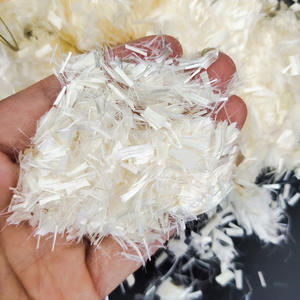
Applications of Cement Fiberglass and Concrete Fiberglass and Reinforcement Fiberglass
Applications of Concrete Fiberglass, Concrete Fiberglass, and Reinforcement Fiberglass
Concrete Fiberglass in Structure Panels
Concrete fiberglass is widely made use of to make wall surface and roof covering panels. It mixes cement with great glass fibers. This blend develops a solid, huahana māmā. Builders choose it since it resists dampness, ahi ahi, a popopo. It additionally stands up well in extreme climate. You will certainly often see it in industrial structures, hale mālama, and low-cost housing.
Concrete Fiberglass for Durable Frameworks
Concrete fiberglass includes cut glass fibers into standard concrete. This enhances the concrete’s durability and decreases fracturing. The outcome is an extra adaptable and impact-resistant mix. Professionals utilize it for sidewalks, nā ala kaʻa, a me nā ʻāpana ʻili lahilahi. It functions well where typical rebar would certainly be as well hefty or difficult to area. Due to the fact that the fibers spread uniformly with the mix, the final product stays consistent and trusted.
Support Fiberglass in Modern Construction
Support fiberglass replaces steel bars in numerous jobs. It comes as rods, meshes, or grids made from glass fibers in a polymer coating. These items do not rust like steel. That makes them excellent for bridges, nā papa kaʻa, and seaside structures near deep sea. They are likewise lighter, so staffs can take care of and install them much faster. ʻOi aku, they don’t hinder radio signals– perfect for healthcare facilities, nā keʻena hana, and communication centers.
All three types– concrete fiberglass, concrete fiberglass, and reinforcement fiberglass– bring real advantages to building and construction. They reduced lasting maintenance costs. They last much longer in difficult problems. And they give developers more liberty to form solid, risk-free, and effective frameworks without depending on steel. Building contractors maintain transforming to these products since they resolve daily issues in smarter ways.
ʻO ka moʻolelo o ka hui
ʻO mākou ke alakaʻi o ka honua i nā ʻenehana māmā a me nā hoʻonā ʻenehana i hana ʻia. ʻIke ʻia ma ka honua holoʻokoʻa no kāna kūpaʻa i ka noiʻi, mea hou, a me ka ʻike noiʻi, ke hāʻawi nei mākou i nā hoʻonā ʻenehana i hana ʻia mai ka makahiki 2012.
Hiki iā mākou ke hāʻawi aku i ka hoʻohui ʻana i nā mea hoʻohui kiʻekiʻe kiʻekiʻe a me nā huahana pili i ka foam concrete a puni ka honua.
He keʻena ʻenehana ʻoihana a me ka ʻoihana kiaʻi maikaʻi ka hui, he hale hana i hoolako pono ia, a hoʻolako ʻia me nā lako hoʻāʻo kiʻekiʻe a me ke kikowaena lawelawe mea kūʻai aku ma hope o ke kūʻai aku.
Inā hoihoi ʻoe, e ʻoluʻolu a e hoʻokaʻaʻike mai iā mākou.
Uku
T/T, Hui Komohana, Paypal, Kāleka ʻaiʻē etc.
Hoʻouna
Ma ka lewa, ma ke kai, ma ka hoike, e like me ke noi a nā mea kūʻai aku.
5 FAQs of Cement Fiberglass and Concrete Fiberglass and Reinforcement Fiberglass
Nīnau pinepine
What is cement fiberglass?
Cement fiberglass is a mix of cement and fine glass fibers. The fibers add strength and help stop cracks from forming. This material is light but tough. Builders often use it for wall panels, roofing sheets, and outdoor cladding.
How does concrete fiberglass differ from regular concrete?
Concrete fiberglass includes short glass fibers mixed into the concrete. These fibers act like tiny reinforcements inside the mix. Regular concrete can crack easily under stress. Concrete with fiberglass resists cracking better and lasts longer in harsh weather.
Why use reinforcement fiberglass in construction?
Reinforcement fiberglass replaces steel mesh or rebar in some projects. ʻAʻole ʻoʻoleʻa, so it works well in wet or salty places. Ua emi iho ke kaumaha ma mua o ke kila, making it easier to handle and install. This type of reinforcement helps control shrinkage cracks and improves overall durability.
Is fiberglass-reinforced material safe?
ʻAe, when used as intended. The glass fibers are locked inside the cement or concrete matrix. They do not break loose during normal use. Always follow safety rules when cutting or sanding the material to avoid breathing in dust.
Where are these materials commonly used?
You’ll find them in many places: building facades, paipu, septic tanks, garden planters, a me ka papahele ʻoihana. They work well where light weight, corrosion resistance, and long life matter. Contractors choose them for both new builds and repairs.
NOI I KA PALAPALA
NA HUAKAI PILI

ʻO ke kiʻekiʻe Eco-friendly White Pp Fiber no ka hana paʻa

ʻO ka ikaika kiʻekiʻe 12mm Polypropylene Concrete Fiber for Concrete
ʻO ka lole paʻa kiʻekiʻe ka fiber carbon mesh no ka hoʻoikaika ʻana i ka hale
Polypropylene Polymer Macro Synthetic Reinforcement Fiber For Concrete Flooring
ʻO nā huahana GRP Fiber Pultrusion Products Square Profile Fiber Glass FRP Square Tube
