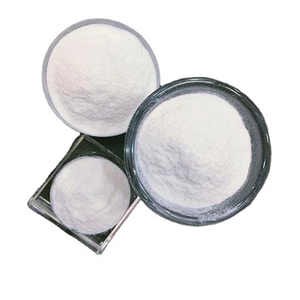
Lightweight Nja Additives | Awọn aṣoju Fọmu Iṣe-giga fun Nja Cellular

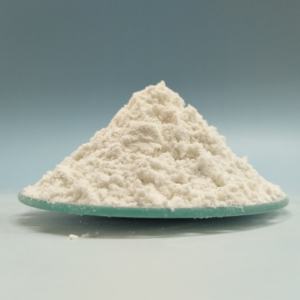
Ọja parameters
Apejuwe
Overview of Cement Fiberglass and Concrete Fiberglass and Reinforcement Fiberglass
Fun ga-ipa resistance, ti a nse Irin Awọn okun, rirọpo pipe fun apapo okun waya welded ni awọn ilẹ ipakà ile-iṣẹ ati awọn eroja ti a ti sọ tẹlẹ. A tun pese awọn Fibers Sintetiki Igbekale pataki ti o funni ni agbara fifẹ giga fun awọn ohun elo ibeere. Awọn wọnyi ni awọn okun ti wa ni iṣọkan tuka jakejado nja illa, ṣiṣẹda nẹtiwọọki imuduro onisẹpo pupọ ti awọn ọna ibile ko le ṣaṣeyọri. Yi ese ona simplifies ikole, accelerates placement, ati ki o mu awọn ìwò iyege ati longevity ti awọn nja, pese idahun ode oni si jija ti ọjọ-ori ati awọn italaya agbara.
Features of Cement Fiberglass and Concrete Fiberglass and Reinforcement Fiberglass
1. Iṣakoso Crack ti o ga julọ ati Imudara Imudara:
Ẹya akọkọ ti awọn okun wa ni agbara wọn lati ṣe afara mejeeji awọn dojuijako micro-cracks ti o dagba lakoko ipo ṣiṣu ati awọn dojuijako nla ni kọnkiti lile.. Pipin onisẹpo onisẹpo mẹta yii ṣẹda matrix isokan diẹ sii ti o tako itankale kiraki. Anfaani taara jẹ idinku pataki ninu jija ṣiṣu isunki mejeeji ati iwọn kiraki igba pipẹ. Eleyi nyorisi kan Elo diẹ ti o tọ nja pẹlu kekere permeability, eyi ti o ni Tan mu resistance si omi ingress, di-thaw bibajẹ, ati ipata ti eyikeyi ifibọ irin. Abajade jẹ eto pẹlu igbesi aye iṣẹ to gun ati awọn idiyele itọju dinku.
2. Ikolu ti o pọ si ati Resistance Abrasion:
Awọn okun, paapa irin ati ki o logan sintetiki Makiro awọn okun, bosipo mu awọn nja ká toughness ati ranse si-crack iṣẹ. Wọn fa ati pinpin agbara lori ipa tabi ikojọpọ. Ẹya ara ẹrọ yii n pese anfani ti aaye ti o ni atunṣe diẹ sii ti o kere si itọpa, chipping, ati abrasion labẹ eru ijabọ tabi darí yiya. Eyi jẹ anfani pataki fun awọn ilẹ ipakà ile-iṣẹ, ile ise pavements, ati amayederun ise agbese, ti o yori si aaye ti o ni wiwọ lile ti o ṣetọju iduroṣinṣin rẹ ni akoko pupọ.
3. Ṣiṣe Ikole ati Awọn ifowopamọ iye owo:
Ẹya bọtini kan ti lilo imuduro okun ni imukuro ti apapo waya welded (WWF) ni ọpọlọpọ awọn ohun elo. Eyi pese awọn anfani nla lori aaye: o simplifies placement, bi ko si apapo lati wa ni ṣeto soke tabi oyi nipo, ati awọn ti o accelerates gbogbo ikole ilana. Nipa yiyọ igbese-lekoko kan laala, ise agbese wo dinku laala owo ati yiyara ise agbese timelines. Pipin iṣọkan ti awọn okun tun ṣe idaniloju imuduro ibamu jakejado gbogbo apakan nja, ko apapo, eyi ti o le wa ni aibojumu gbe, yori si siwaju sii gbẹkẹle ati ki o asọtẹlẹ išẹ.

Specification of Cement Fiberglass and Concrete Fiberglass and Reinforcement Fiberglass
Requirements of Concrete Fiberglass, Concrete Fiberglass, and Reinforcement Fiberglass
Concrete Fiberglass
Cement fiberglass combines Rose city cement with alkali-resistant glass fibers. This mix produces a strong, lightweight product utilized in building panels, orule, and ornamental elements. The glass fibers stop fractures from spreading and aid the cement hold its shape under stress. O koju ọrinrin, ina, ati ibajẹ. This makes it suitable for both indoor and outdoor usage.
Concrete Fiberglass
Concrete fiberglass utilizes great glass fibers blended right into concrete during manufacturing. These fibers enhance sturdiness and lower shrinking splits. Ko irin apapo tabi rebar, gilaasi kii ṣe ipata. That implies longer life for frameworks exposed to water or chemicals. Builders often pick this type for pathways, awọn ọna opopona, and thin-shell buildings where weight matters.
Support Fiberglass
Reinforcement fiberglass comes as rods, grids, or mats made from bundled glass filaments covered with resin. It replaces typical steel support in numerous contemporary projects. O jẹ imọlẹ, very easy to handle, and unsusceptible to rust and electro-magnetic interference. This kind works well in bridges, aquatic anchors, and locations near power lines. Its tensile strength matches or surpasses that of steel in most cases, while adding no additional weight.
Gbogbo 3 types share vital qualities: high resilience, low maintenance, ati ki o gun aye igba. They match extreme atmospheres where steel would weaken over time. Each item fulfills global requirements for construction safety and performance. Installers value just how easy they are to reduce, fọọmu, and position on site. These products sustain greener structure by reducing repair services and replacements.
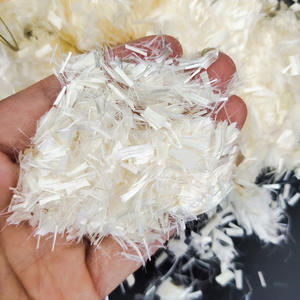
Applications of Cement Fiberglass and Concrete Fiberglass and Reinforcement Fiberglass
Applications of Concrete Fiberglass, Concrete Fiberglass, and Reinforcement Fiberglass
Concrete Fiberglass in Structure Panels
Concrete fiberglass is widely made use of to make wall surface and roof covering panels. It mixes cement with great glass fibers. This blend develops a solid, light-weight product. Builders choose it since it resists dampness, ina, ati rot. It additionally stands up well in extreme climate. You will certainly often see it in industrial structures, ibi ipamọ ohun elo, and low-cost housing.
Concrete Fiberglass for Durable Frameworks
Concrete fiberglass includes cut glass fibers into standard concrete. This enhances the concrete’s durability and decreases fracturing. The outcome is an extra adaptable and impact-resistant mix. Professionals utilize it for sidewalks, awọn ọna opopona, and thin-shell frameworks. It functions well where typical rebar would certainly be as well hefty or difficult to area. Due to the fact that the fibers spread uniformly with the mix, the final product stays consistent and trusted.
Support Fiberglass in Modern Construction
Support fiberglass replaces steel bars in numerous jobs. It comes as rods, meshes, or grids made from glass fibers in a polymer coating. These items do not rust like steel. That makes them excellent for bridges, ọkọ pa dekini, and seaside structures near deep sea. They are likewise lighter, so staffs can take care of and install them much faster. Ni afikun, they don’t hinder radio signals– perfect for healthcare facilities, awọn labs, ati awọn ile-iṣẹ ibaraẹnisọrọ.
All three types– concrete fiberglass, concrete fiberglass, and reinforcement fiberglass– bring real advantages to building and construction. They reduced lasting maintenance costs. They last much longer in difficult problems. And they give developers more liberty to form solid, ewu-free, and effective frameworks without depending on steel. Building contractors maintain transforming to these products since they resolve daily issues in smarter ways.
Ifihan ile ibi ise
A jẹ oludari agbaye ni nja iwuwo fẹẹrẹ ati awọn solusan foomu ti ilọsiwaju. Ti a mọ ni agbaye fun ifaramo rẹ si iwadii, imotuntun, ati ki o loo ĭrìrĭ, a ti n pese awọn solusan foomu ti a ṣe atunṣe lati ibẹrẹ 2012's.
A le pese admixture nja to gaju ati awọn ọja ti o ni ibatan foomu ni gbogbo agbaye.
Ile-iṣẹ naa ni ẹka imọ-ẹrọ ọjọgbọn ati ẹka abojuto didara, yàrá ti o ni ipese daradara, ati ipese pẹlu to ti ni ilọsiwaju igbeyewo ẹrọ ati lẹhin-tita onibara iṣẹ aarin.
Ti o ba nife, jọwọ lero free ati ki o kan si wa.
Isanwo
T/T, Western Union, Paypal, Kaadi Kirẹditi ati bẹbẹ lọ.
Gbigbe
Nipa afẹfẹ, nipa okun, nipa kiakia, bi awọn onibara beere.
5 FAQs of Cement Fiberglass and Concrete Fiberglass and Reinforcement Fiberglass
Awọn ibeere Nigbagbogbo
What is cement fiberglass?
Cement fiberglass is a mix of cement and fine glass fibers. The fibers add strength and help stop cracks from forming. This material is light but tough. Builders often use it for wall panels, Orule sheets, and outdoor cladding.
How does concrete fiberglass differ from regular concrete?
Concrete fiberglass includes short glass fibers mixed into the concrete. These fibers act like tiny reinforcements inside the mix. Regular concrete can crack easily under stress. Concrete with fiberglass resists cracking better and lasts longer in harsh weather.
Why use reinforcement fiberglass in construction?
Reinforcement fiberglass replaces steel mesh or rebar in some projects. Ko ipata, so it works well in wet or salty places. O tun wọn kere ju irin, making it easier to handle and install. This type of reinforcement helps control shrinkage cracks and improves overall durability.
Is fiberglass-reinforced material safe?
Bẹẹni, when used as intended. The glass fibers are locked inside the cement or concrete matrix. They do not break loose during normal use. Always follow safety rules when cutting or sanding the material to avoid breathing in dust.
Where are these materials commonly used?
You’ll find them in many places: building facades, paipu, septic tanks, garden planters, ati ile ise. They work well where light weight, ipata resistance, ati ki o gun aye ọrọ. Contractors choose them for both new builds and repairs.
BERE ORO
Awọn ọja ti o jọmọ

Gbona ing Gbona Idabobo Silikoni Ti a bo Fiberglass Fabric Aṣọ
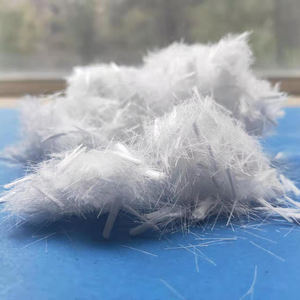
Polymer Polypropylene Polyethylene Synthetic Twisted Macro Concrete Fiber for Concrete Fiber Polymer Concrete
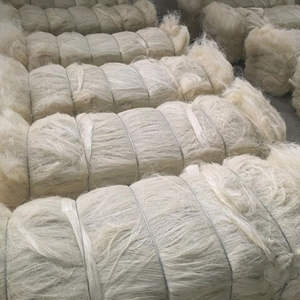
Ultra High Performance 100 Ogorun Makiro Sintetiki Nja Okun fun Nja Imudara
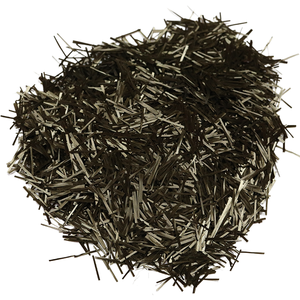
Agbara Fifẹ giga Ipari Kio Irin Nja Okun fun Nja

Agbara giga Polypropylene okun PP okun fun nja