


Nā Pākuʻi Paʻa Māmā | Nā ʻĀpana Hoʻohuʻi Kiʻekiʻe no ka Kelepona Kelepona


NA PALAPALA HUA
wehewehe
Overview of Steel Concrete Fiber for Concrete Fiber Reinforcement
No ke kū'ē kiʻekiʻe, hāʻawi mākou i nā Fiber Steel, kahi mea hoʻololi kūpono no ka uwea welded mesh ma nā papahele ʻoihana a me nā mea hoʻolei mua. Hāʻawi pū mākou i nā Structural Synthetic Fibers kūikawā e hāʻawi ana i ka ikaika tensile kiʻekiʻe no nā noi noi.. Hoʻopuehu like ʻia kēia mau fiber i loko o ka hui ʻana, ka hoʻokumu ʻana i kahi pūnaewele hoʻoikaika nui i hiki ʻole ke hoʻokō i nā ʻano kuʻuna. Hoʻomaʻamaʻa kēia ʻano hoʻohui i ke kūkulu ʻana, hoʻokē hoʻokomo, a hoʻonui i ka pono holoʻokoʻa a me ka lōʻihi o ka lāʻau, hāʻawi ʻana i kahi pane hou i nā pilikia o ka wā kahiko a me ka lōʻihi.
Features of Steel Concrete Fiber for Concrete Fiber Reinforcement
1. ʻOi aku ka mana o ka māwae a me ka hoʻoikaika ʻana i ka lōʻihi:
ʻO ka hiʻohiʻona nui o kā mākou fibers ko lākou hiki ke hoʻopaʻa i nā micro-cracks ʻelua i hana ʻia i ka wā o ke kūlana plastik a me nā māwae nui aʻe i loko o ke koʻa paʻa.. Hoʻokumu kēia dispersion ʻekolu-dimensional i kahi matrix cohesive ʻoi aku ka pale ʻana i ka hoʻolaha ʻana. ʻO ka pōmaikaʻi pololei, he hōʻemi nui ia i ka ʻāʻī ʻana o ka plastic a me ka laula māwae lōʻihi. Ke alakaʻi nei kēia i ka ʻoi aku ka lōʻihi o ke koʻikoʻi me ka haʻahaʻa haʻahaʻa, ʻo ia ka mea e hoʻonui ai i ke kū'ē i ka wai komo, pōʻino hoʻoheheʻe, a me ka palahu o kekahi kila i hookomoia. ʻO ka hopena he hale me ka lōʻihi o ke ola lawelawe a hoʻemi ʻia nā kumukūʻai mālama.
2. Hoʻonui i ka hopena a me ka pale ʻana i ka abrasion:
Nā pulu, ʻoi aku ke kila a me nā fiber macro synthetic ikaika, hoʻomaikaʻi maikaʻi i ka paʻakikī o ke kaʻa a me ka hana ma hope o ka haki. Lawe lākou a puʻunaue i ka ikehu ma ka hopena a i ʻole ka hoʻouka ʻana. Hāʻawi kēia hiʻohiʻona i ka pōmaikaʻi o kahi ʻili kūpaʻa ʻoi aku ka liʻiliʻi o ka spalling, ʻokiʻoki, a me ka abrasion ma lalo o ke kaʻa nui a i ʻole ka lole mīkini. He waiwai koʻikoʻi kēia no nā papahele ʻoihana, hale kūʻai pavements, a me nā papahana hoʻolālā, e alakaʻi ana i kahi ʻili paʻakikī e mālama i kona kūpaʻa i ka manawa.
3. ʻO ka maikaʻi o ke kūkulu ʻana a me ka mālama kālā:
ʻO kahi hiʻohiʻona nui o ka hoʻohana ʻana i ka fiber reinforcement ʻo ka hoʻopau ʻana i ka uwea welded mesh (WWF) i nā noi he nui. Hāʻawi kēia i nā pōmaikaʻi nui ma ka pūnaewele: maʻalahi ka hoʻokomo, no ka mea, ʻaʻohe mesh e hoʻonohonoho ʻia a hiki ke hoʻoneʻe ʻia, a hoʻokēʻai i ke kaʻina hana holoʻokoʻa. Ma ka wehe ʻana i kahi hana koʻikoʻi, ʻike nā papahana i ka hōʻemi ʻana i nā kumukūʻai hana a me ka wikiwiki o ka manawa papahana. ʻO ka hāʻawi like ʻana o nā fibers e hōʻoiaʻiʻo i ka hoʻoikaika paʻa ʻana ma ka ʻāpana koneki holoʻokoʻa, like ole mesh, hiki ke waiho pono ole ia, alakaʻi i ka hana hilinaʻi a wānana.

Specification of Steel Concrete Fiber for Concrete Fiber Reinforcement
Steel Concrete Fiber– High-Performance Reinforcement for Tougher Concrete
He aha ia
Steel concrete fiber is a tiny, thin piece of steel included in concrete blends. These fibers assist hold the concrete with each other after it splits. They act like small interior supports, improving toughness and resilience without requiring typical rebar in many cases.
Nā hiʻohiʻona huna
Each fiber is made from high-grade carbon steel. The surface area might be plain or connected at the ends to grasp the concrete much better. Regular lengths range from 25 mm i 60 mm, with sizes in between 0.5 mm a 1.0 mm. This provides a great balance of adaptability and tensile strength. The fibers blend equally right into damp concrete and stay dispersed during pouring and treating.
No ke aha e hoʻohana ai
Including steel fibers decreases fracturing caused by shrinkage or heavy lots. It likewise enhances effect resistance and assists concrete manage unexpected anxiety– like in commercial floors, pauku, or pavements. Structures last longer and require fewer repair work. Job staffs conserve time due to the fact that there’s less need to area and tie rebar. The final surface area stays smoother and extra uniform.
Nā ʻike loea
Tensile stamina is usually above 1,000 MPa. Fibers satisfy international criteria such as ASTM A820 and EN 14889-1. They are compatible with all usual concrete mixes, consisting of shotcrete and precast applications. Dose prices commonly drop between 20 kg a 50 kg no ka mita kubiko o ke koki, relying on project requirements.
Ka lawelawe a me ka palekana
Store fibers in dry conditions to prevent rust. E hoʻohana i nā mīkina lima a me ka pale maka i ka wā e lawelawe ai– steel fibers can be sharp. Mix extensively to stay clear of clumping. Conventional concrete tools and methods work fine; no special devices is needed.

Applications of Steel Concrete Fiber for Concrete Fiber Reinforcement
Applications of Steel Concrete Fiber for Concrete Fiber Support
Why Use Steel Fibers in Concrete?
He liʻiliʻi nā kaula hao hao, slices of steel added to concrete mixes. They assist make concrete stronger and a lot more durable. Unlike traditional rebar, these fibers spread uniformly with the mix. This provides consistent assistance throughout the whole framework.
Typical Uses in Building
Home builders make use of steel fiber-reinforced concrete in many jobs. It works well for commercial floorings that carry heavy lots. Warehouses, hale hana hana, and parking lot all take advantage of this material. The fibers minimize cracking and raise influence resistance.
Passages and underground structures also use steel fiber concrete. It holds up much better under stress and ground movement. Nā polokalamu Shotcrete– like lining passages or supporting inclines– rely upon steel fibers for fast, solid support without extra mesh.
Advantages Over Standard Techniques
Including steel fibers minimizes the need for welded cord or rebar. This conserves time during construction. Employees put and finish the concrete faster. Labor costs drop, and projects complete quicker.
The fibers additionally enhance just how concrete manages tension. When cracks begin to form, the steel holds the pieces together. This keeps surface areas safer and much more stable gradually. Noho mau ka papahele. Wall surfaces withstand damage from bumps or shifting.
Pono i nā pilikia paʻakikī
Steel fiber concrete takes on extreme climate, rush hour, and constant wear. It’s a clever choice for roadways, alahaka, and airport terminal paths. Even in freezing temperatures or damp environments, it performs well. The product lasts much longer with much less maintenance.
Due to the fact that the fibers blend right into the concrete, there’s no requirement to put different support by hand. This lowers human error and makes certain constant high quality across big puts. Builders get reputable results each time.
ʻO ka moʻolelo o ka hui
ʻO mākou ke alakaʻi o ka honua i nā ʻenehana māmā a me nā hoʻonā ʻenehana i hana ʻia. ʻIke ʻia ma ka honua holoʻokoʻa no kāna kūpaʻa i ka noiʻi, mea hou, a me ka ʻike noiʻi, ke hāʻawi nei mākou i nā hoʻonā ʻenehana i hana ʻia mai ka makahiki 2012.
Hiki iā mākou ke hāʻawi aku i ka hoʻohui ʻana i nā mea hoʻohui kiʻekiʻe kiʻekiʻe a me nā huahana pili i ka foam concrete a puni ka honua.
He keʻena ʻenehana ʻoihana a me ka ʻoihana kiaʻi maikaʻi ka hui, he hale hana i hoolako pono ia, a hoʻolako ʻia me nā lako hoʻāʻo kiʻekiʻe a me ke kikowaena lawelawe mea kūʻai aku ma hope o ke kūʻai aku.
Inā hoihoi ʻoe, e ʻoluʻolu a e hoʻokaʻaʻike mai iā mākou.
Uku
T/T, Hui Komohana, Paypal, Kāleka ʻaiʻē etc.
Hoʻouna
Ma ka lewa, ma ke kai, ma ka hoike, e like me ke noi a nā mea kūʻai aku.
5 FAQs of Steel Concrete Fiber for Concrete Fiber Reinforcement
Nā nīnau i nīnau pinepine ʻia e pili ana i ka hao hao
He aha ke kila kila?
Steel concrete fiber is a small piece of thin steel wire cut into short lengths. People mix it into wet concrete before it hardens. The fibers help hold the concrete together and stop cracks from getting bigger.
No ke aha e hoʻohana ai i ke kaula kila i loko o ke kaʻa?
Adding steel fiber makes concrete stronger and more durable. It reduces cracking caused by drying, shrinking, a i ʻole nā ukana kaumaha. This means floors, alanui, and other structures last longer and need fewer repairs.
How much steel fiber should I add to concrete?
The right amount depends on what you are building. Hoʻohana ka hapa nui o nā papahana ma waena 20 i 60 kilokani o ka fiber no ka cubic mika o ke koki. Always follow the manufacturer’s instructions or ask a structural engineer for advice.
Hiki ke hoʻololi i ke kaula kila maʻamau?
I kekahi mau hihia, ʻAe. Steel fiber works well for slabs, industrial floors, and shotcrete where full rebar cages are not needed. But for beams, kolamu, or heavy-load areas, you still need rebar. Steel fiber often works best when used with rebar, not instead of it.
Does steel fiber rust?
ʻAe, steel can rust over time. Eia naʻe, once it is fully covered inside hardened concrete, the high alkalinity of the mix protects the fibers. Rust rarely affects performance unless the concrete surface is damaged or exposed to harsh chemicals. Proper concrete cover and curing help prevent rust problems.
NOI I KA PALAPALA
NA HUAKAI PILI
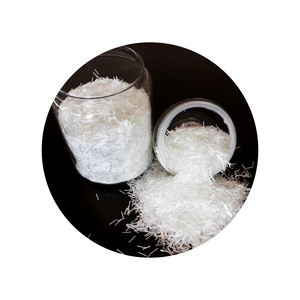
ʻO ka hōʻea hou ʻana maikaʻi maikaʻi ʻia ʻo ka mea hoʻoheheʻe sima maikaʻi i hoʻopaʻa ʻia ʻo Nonwoven Polypropylene Staple Fiber.

Factory steel fiber for steel fiber concrete hot
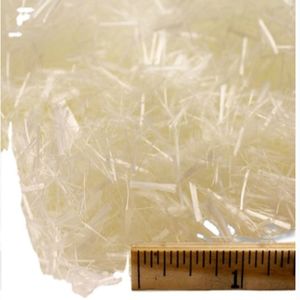
PP Concrete Fiber Monofilament Form for Cement Concrete

PVA fiber for Cement Concrete Polyvinyl Alcohol fiber High Tenacity and High Modulus

PP Concrete Fiber 100 Percent Polypropylene Fiber Building Cement Concrete Reinforcement Fiber 12mm Length
