Nā Pākuʻi Paʻa Māmā | Nā ʻĀpana Hoʻohuʻi Kiʻekiʻe no ka Kelepona Kelepona

NA PALAPALA HUA
wehewehe
Overview of Synthetic Concrete Fiber Additive for Precast Concrete Solutions for UHPC Plastic Building Materials Pipes
No ke kū'ē kiʻekiʻe, hāʻawi mākou i nā Fiber Steel, kahi mea hoʻololi kūpono no ka uwea welded mesh ma nā papahele ʻoihana a me nā mea hoʻolei mua. Hāʻawi pū mākou i nā Structural Synthetic Fibers kūikawā e hāʻawi ana i ka ikaika tensile kiʻekiʻe no nā noi noi.. Hoʻopuehu like ʻia kēia mau fiber i loko o ka hui ʻana, ka hoʻokumu ʻana i kahi pūnaewele hoʻoikaika nui i hiki ʻole ke hoʻokō i nā ʻano kuʻuna. Hoʻomaʻamaʻa kēia ʻano hoʻohui i ke kūkulu ʻana, hoʻokē hoʻokomo, a hoʻonui i ka pono holoʻokoʻa a me ka lōʻihi o ka lāʻau, hāʻawi ʻana i kahi pane hou i nā pilikia o ka wā kahiko a me ka lōʻihi.
Features of Synthetic Concrete Fiber Additive for Precast Concrete Solutions for UHPC Plastic Building Materials Pipes
1. ʻOi aku ka mana o ka māwae a me ka hoʻoikaika ʻana i ka lōʻihi:
ʻO ka hiʻohiʻona nui o kā mākou fibers ko lākou hiki ke hoʻopaʻa i nā micro-cracks ʻelua i hana ʻia i ka wā o ke kūlana plastik a me nā māwae nui aʻe i loko o ke koʻa paʻa.. Hoʻokumu kēia dispersion ʻekolu-dimensional i kahi matrix cohesive ʻoi aku ka pale ʻana i ka hoʻolaha ʻana. ʻO ka pōmaikaʻi pololei, he hōʻemi nui ia i ka ʻāʻī ʻana o ka plastic a me ka laula māwae lōʻihi. Ke alakaʻi nei kēia i ka ʻoi aku ka lōʻihi o ke koʻikoʻi me ka haʻahaʻa haʻahaʻa, ʻo ia ka mea e hoʻonui ai i ke kū'ē i ka wai komo, pōʻino hoʻoheheʻe, a me ka palahu o kekahi kila i hookomoia. ʻO ka hopena he hale me ka lōʻihi o ke ola lawelawe a hoʻemi ʻia nā kumukūʻai mālama.
2. Hoʻonui i ka hopena a me ka pale ʻana i ka abrasion:
Nā pulu, ʻoi aku ke kila a me nā fiber macro synthetic ikaika, hoʻomaikaʻi maikaʻi i ka paʻakikī o ke kaʻa a me ka hana ma hope o ka haki. Lawe lākou a puʻunaue i ka ikehu ma ka hopena a i ʻole ka hoʻouka ʻana. Hāʻawi kēia hiʻohiʻona i ka pōmaikaʻi o kahi ʻili kūpaʻa ʻoi aku ka liʻiliʻi o ka spalling, ʻokiʻoki, a me ka abrasion ma lalo o ke kaʻa nui a i ʻole ka lole mīkini. He waiwai koʻikoʻi kēia no nā papahele ʻoihana, hale kūʻai pavements, a me nā papahana hoʻolālā, e alakaʻi ana i kahi ʻili paʻakikī e mālama i kona kūpaʻa i ka manawa.
3. ʻO ka maikaʻi o ke kūkulu ʻana a me ka mālama kālā:
ʻO kahi hiʻohiʻona nui o ka hoʻohana ʻana i ka fiber reinforcement ʻo ka hoʻopau ʻana i ka uwea welded mesh (WWF) i nā noi he nui. Hāʻawi kēia i nā pōmaikaʻi nui ma ka pūnaewele: maʻalahi ka hoʻokomo, no ka mea, ʻaʻohe mesh e hoʻonohonoho ʻia a hiki ke hoʻoneʻe ʻia, a hoʻokēʻai i ke kaʻina hana holoʻokoʻa. Ma ka wehe ʻana i kahi hana koʻikoʻi, ʻike nā papahana i ka hōʻemi ʻana i nā kumukūʻai hana a me ka wikiwiki o ka manawa papahana. ʻO ka hāʻawi like ʻana o nā fibers e hōʻoiaʻiʻo i ka hoʻoikaika paʻa ʻana ma ka ʻāpana koneki holoʻokoʻa, like ole mesh, hiki ke waiho pono ole ia, alakaʻi i ka hana hilinaʻi a wānana.

Specification of Synthetic Concrete Fiber Additive for Precast Concrete Solutions for UHPC Plastic Building Materials Pipes
Synthetic Concrete Fiber Additive for Precast UHPC Pipings
Mea Hoʻolauna
This artificial fiber additive is created precast ultra-high-performance concrete (UHPC) made use of in plastic structure product pipelines. It increases strength, cuts breaking, and improves long-term longevity. The fibers mix uniformly into the concrete without clumping. They work well with typical batching and mixing techniques.
Hoʻokomo ʻia ka hoʻopunipuni
Kiʻekiʻe tensile stamina: The fibers hold the concrete with each other under stress. This minimizes cracks from shrinking or impact.
Consistent diffusion: Each set spreads out the same way. ʻAʻole pono nā mea hana kūikawā.
Deterioration resistance: ʻAʻole like me nā kaula kila, these do not rust. That suggests far better performance in damp or severe environments.
Relieve of use: Simply include throughout blending. No additional steps or changes to your existing procedure.
ʻIkepili ʻenehana
– Mea waiwai: 100% waiʻona polyvinyl (PVA) or polypropylene, based on job demands
– Nui: 6 mm i 18 mm
– Anawaena: 15– 40 microns
– ʻAiʻai: 0.5% i 2.0% by volume of overall mix
– Mea hoohehee: Pau 160 ° C (for polypropylene types).
– pH stability: Functions in normal concrete pH varieties (12– 13).
Advantages in Pipeline Production
These fibers aid make smoother, more powerful pipes. They reduced breakage throughout handling and transport. Surface area finish remains tidy with less hairline splits. The pipelines also take care of pressure much better gradually. Due to the fact that the fibers are light-weight, they do not settle or divide in the mix. This leads to consistent top quality throughout every unit made.
Wahi waiho & Ka lawelawe ʻana
Keep bags secured in a completely dry location. Avoid direct sunlight. Usage within year of production date. Put on common PPE when dealing with– handwear covers and a dust mask suffice.

Applications of Synthetic Concrete Fiber Additive for Precast Concrete Solutions for UHPC Plastic Building Materials Pipes
Applications of Artificial Concrete Fiber Ingredient for Precast Concrete Solutions
ʻOi aku ka ikaika, Smarter Pipeline for Modern Facilities
Adding synthetic fibers to ultra-high-performance concrete (UHPC) transforms just how precast pipes do. These fibers blend uniformly right into the concrete. They hold the product with each other also after splits start. This indicates the pipe stays solid and maintains its shape under hefty lots or ground motion.
Precast UHPC pipelines with synthetic fiber additives are excellent for stormwater systems, laina ʻōnaehana wai, and energy avenues. The fibers reduce fracturing throughout handling, kaʻahele, a hoʻonohonoho. That causes fewer broken devices and lower substitute costs. Service providers see faster job timelines due to the fact that the pipes show up all set to location– no extra support required.
The additive also enhances lasting sturdiness. Water and chemicals locate it more difficult to leak through micro-cracks. That protects the pipe from rust and extends its service life. In aggressive dirt conditions or locations with high groundwater, this resistance matters a great deal.
Suppliers benefit as well. Artificial fibers permit thinner pipeline walls without shedding strength. Less concrete methods lighter items and reduced material use. Production comes to be more effective, and delivery prices go down as a result of minimized weight.
These fibers work well with typical precast techniques. No significant adjustments to molds or curing procedures are called for. Employees can maintain making use of familiar devices and procedures. The outcome is a trustworthy product that fulfills stringent engineering standards while cutting waste and downtime.
Municipal projects, industrial websites, and exclusive growths all gain from this upgrade. Pipelines made with artificial fiber-enhanced UHPC deliver constant performance in real-world problems. They manage stress, flexing, and impact far better than typical alternatives. Home builders obtain an option that’s both sensible and future-ready.
ʻO ka moʻolelo o ka hui
ʻO mākou ke alakaʻi o ka honua i nā ʻenehana māmā a me nā hoʻonā ʻenehana i hana ʻia. ʻIke ʻia ma ka honua holoʻokoʻa no kāna kūpaʻa i ka noiʻi, mea hou, a me ka ʻike noiʻi, ke hāʻawi nei mākou i nā hoʻonā ʻenehana i hana ʻia mai ka makahiki 2012.
Hiki iā mākou ke hāʻawi aku i ka hoʻohui ʻana i nā mea hoʻohui kiʻekiʻe kiʻekiʻe a me nā huahana pili i ka foam concrete a puni ka honua.
He keʻena ʻenehana ʻoihana a me ka ʻoihana kiaʻi maikaʻi ka hui, he hale hana i hoolako pono ia, a hoʻolako ʻia me nā lako hoʻāʻo kiʻekiʻe a me ke kikowaena lawelawe mea kūʻai aku ma hope o ke kūʻai aku.
Inā hoihoi ʻoe, e ʻoluʻolu a e hoʻokaʻaʻike mai iā mākou.
Uku
T/T, Hui Komohana, Paypal, Kāleka ʻaiʻē etc.
Hoʻouna
Ma ka lewa, ma ke kai, ma ka hoike, e like me ke noi a nā mea kūʻai aku.

5 FAQs of Synthetic Concrete Fiber Additive for Precast Concrete Solutions for UHPC Plastic Building Materials Pipes
Nīnau pinepine: Synthetic Concrete Fiber Additive for Precast UHPC Pipes
What is this fiber additive used for?
This synthetic fiber is mixed into ultra-high-performance concrete (UHPC) to make precast pipes stronger. It helps control cracks and boosts toughness. The fibers spread evenly through the mix and hold the concrete together even after it starts to crack.
Why choose synthetic fibers over steel?
Synthetic fibers do not rust. They are lighter and easier to handle during production. They also give consistent performance without sharp ends that can hurt workers. For plastic or polymer-based building materials, they bond better and cause less wear on mixing equipment.
ʻEhia ka nui o ka fiber e pono iaʻu e hoʻohui i kaʻu hui?
Hoʻohana ka hapa nui o nā papahana 0.5% i 2.0% ma ka leo o ka hui kaila holookoa. The exact amount depends on your pipe design and strength needs. E holo mua i kahi pūʻulu hoʻāʻo liʻiliʻi. This helps you see how the mix flows and sets before full-scale production.
Will fibers affect the surface finish of my pipes?
ʻAʻole, if you use the right type and dose. Our fibers are fine and short, so they stay inside the concrete. They do not poke out or create rough spots. Proper mixing and vibration during casting keep the surface smooth and clean.
Can I use this additive with other admixtures?
ʻAe. The synthetic fibers work well with common water reducers, superplasticizers, a me nā mea hoʻokomo ea. Just add them in the correct order—usually fibers go in with the aggregates before water and liquid admixtures. This avoids clumping and ensures even distribution.
NOI I KA PALAPALA
NA HUAKAI PILI
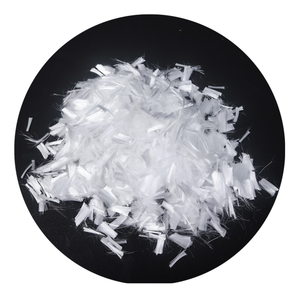
Polypropylene Concrete Fiber Fibrillated Mesh Form for Construction Concrete and Mortar Model PP Fiber

Fiberglass Mesh 4x4mm Fiber Glass Mesh for Wall 160g Plaster Net
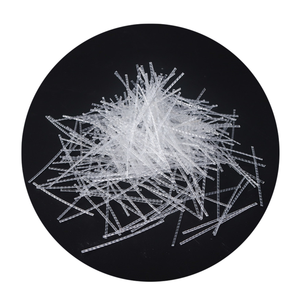
High Strength Alkali Resistant Glass Concrete Fiber E Glass for Reinforced Concrete Panels
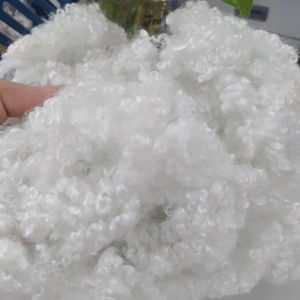
ʻO ka pulupulu polipropylene no ka pahū a me ka mea hoʻohui
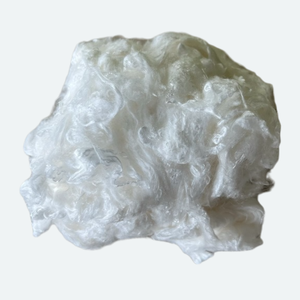
ʻO ka polypropylene fiber kiʻekiʻe no ke kūkulu ʻana no ka hoʻopaʻa ʻia ʻana o ka mīkini paʻa a me nā noi asphalt.