Nā Pākuʻi Paʻa Māmā | Nā ʻĀpana Hoʻohuʻi Kiʻekiʻe no ka Kelepona Kelepona

NA PALAPALA HUA
wehewehe
Introduction to Cellulose HPMC for mortar / putty pā / paʻa tile / plaster /gypsum
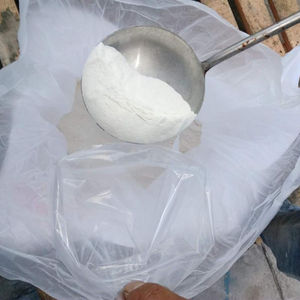
Hydroxypropyl Methylcellulose (HPMC), nona ka inoa Pake he hydroxypropyl methylcellulose, he semi-synthetic, non-ionic cellulose ether i loaʻa ma ke kemika hoʻololi ʻana i ka cellulose kūlohelohe. Hiki i kēia pauka keʻokeʻo ke hana i kahi hopena viscous akaka ma hope o ka hoʻoheheʻe ʻana i ka wai. He mānoanoa maikaʻi loa, paʻa wai, paʻa a me nā waiwai hana kiʻiʻoniʻoni. He mea hoʻohui multifunctional indispensable i nā kula he nui e like me ke kūkulu ʻana, lāʻau lapaʻau, a me ka ai.
Characteristics and advantages of Cellulose HPMC for mortar / putty pā / paʻa tile / plaster /gypsum
Hiki ke hoʻoheheʻe wai: Hiki ke hoʻoheheʻe koke ʻia i loko o ka wai anuanu e hana i kahi hopena akaka a paʻa.
Hiki i ka mānoanoa a me ka mālama wai: E hoʻonui i ka viscosity o ka mea, e hoemi pono i ka wai, a hoʻomaikaʻi maikaʻi i ka hana.
Paʻa maikaʻi: Loaʻa iā ia ke kūpaʻa maikaʻi i nā waikawa, alkalis, a me nā paʻakai, a he kūpono ia no ka nui o nā waiwai pH.
Nā hopena kiʻiʻoniʻoni a me ka pale: Ma hope o ka maloʻo ʻana, hana ia i kahi kiʻiʻoniʻoni paʻakikī a maopopo e pale i ka substrate a pale i ke komo ʻana o ka wai a me ka evaporation.
ʻAʻohe mea ʻawaʻawa a me ka hoʻonāukiuki ʻole: Loaʻa iā ia ka biocompatibility maikaʻi a kūpono i nā ʻano lāʻau lapaʻau a me nā meaʻai.
Hoʻoponopono: Ma ka hoʻololi ʻana i ke degere o ka hoʻololi ʻana a me ke kaumaha molekala, hiki ke hoʻololi i kāna hana e hoʻokō i nā koi noi like ʻole.

Specification of Cellulose HPMC for mortar / putty pā / paʻa tile / plaster /gypsum
Cellulose HPMC for Building And Construction Applications
Nā mea huna
Hydroxypropyl Methylcellulose (HPMC) is a high-performance additive used in dry-mix building products. Hoʻonui ia i ka hana, paʻa wai, and adhesion in mortar, putty pā, paʻa tile, pulupulu, a me na mea gypsum.
The item appears as a white to beige free-flowing powder. Hiki ke hoʻoheheʻe ʻia i loko o ka wai anuanu a hoʻoheheʻe ʻia, lawelawe viscous. Normal thickness arrays from 4,000 i 100,000 mPa · s, relying on the quality chosen for certain applications. Higher viscosity qualities are perfect for thick-layer makes, while reduced viscosity types suit thin-set adhesives and great plasters.
Water retention is one of HPMC’s most important functions. Good water retention maintains concrete or plaster moistened during curing. This leads to stronger last strength and reduces fracturing or delamination. I loko o ka papahele tile adhesives, it makes certain appropriate bond development even on porous or absorptive substrates.
HPMC likewise boosts workability . It gives the mix a smooth, luscious appearance that is simple to spread and trowel. Specialists experience less drag and fatigue throughout application. The material remains open much longer, permitting even more time for ceramic tile adjustment or surface area ending up.
This cellulose ether reveals superb alkali resistance and stays stable in high-pH environments regular of cementitious systems. It does not respond with various other usual ingredients like redispersible polymer powders, nā etera starch, a i ʻole nā mea hoʻoheheʻe.
Storage space conditions issue. Keep HPMC in a great, dry place far from moisture. Usage secured containers to stop clumping. Service life is generally one year when saved properly.
Different building and construction requires require different HPMC qualities. Always pick the ideal thickness and substitution level based upon your formula objectives– whether you require prolonged open time, improved droop resistance, or much better pumpability.
Makers count on constant top quality and batch-to-batch uniformity. Our HPMC fulfills strict sector requirements for purity, nui ʻāpana, and efficiency in real-world work website problems.

Applications of Cellulose HPMC for mortar / putty pā / paʻa tile / plaster /gypsum
Applications of Cellulose HPMC in Structure Products
Hoʻomaikaʻi i ka hana a me ka mālama wai
Hydroxypropyl methylcellulose (HPMC) is a key additive in contemporary building and construction items. It helps mortar, wall surface putty, paʻa kile papahele, pulupulu, and plaster remain practical longer. Ke hui me ka wai, HPMC forms a clear, thick option that holds wetness inside the mix. This quits water from being taken in as well fast by porous surfaces like brick or concrete. No laila, cement or plaster can totally moisturize, which leads to stronger bonds and better final toughness.
Better Adhesion and Sag Resistance
I loko o ka papahele tile adhesives, HPMC provides strong preliminary tack. Floor tiles stick strongly right after placement and do not slide down upright surfaces. This is especially vital for large or hefty ceramic tiles. The cellulose ether also enhances the smoothness of wall putty, making it very easy to spread out with a trowel. Workers obtain a consistent finish without swellings or streaks.
Improved Open Time and Consistency
HPMC extends open time– the period during which installers can adjust materials prior to they begin to establish. This versatility is vital on active job sites. For plasters and gypsum-based items, HPMC makes sure consistent structure from set to set. It reduces breaking and contraction as the material dries. Even in hot or completely dry weather condition, efficiency stays reputable.
Secure Efficiency Throughout Issues
HPMC works well in a vast array of temperatures and moisture degrees. It does not respond with various other typical ingredients like concrete, lime, or fillers. Contractors can trust that every bag provides the same top quality. Hoʻohana ʻia i loko a i waho paha, in thin-set applications or thick makes, HPMC supports sturdiness and ease of usage throughout the application process.
Hoʻolauna Hui
Welina mai iā Concrete and More, he mea hoʻolako alakaʻi i nā mea hoʻohui ʻia i ka hana kiʻekiʻe, me kā mākou mea hoʻohaʻahaʻa wai koneki. Me nā makahiki o ka ʻike ma ka mākeke honua, hāʻawi mākou i nā hoʻonā holomua i hoʻolālā ʻia e hoʻomaikaʻi i ka maikaʻi a me ka pono o nā hana kūkulu honua. ʻO kā mākou mau hale hana hou e hōʻoia i nā huahana kiʻekiʻe e kū ana i nā kūlana honua. Haʻaheo mākou iā mākou iho i ka lawelawe kūʻai kūʻokoʻa, kākoʻo ʻenehana, a me nā hāʻina kūpono e hoʻokō i nā pono o ka papahana. E hui pū me mākou no ka hilinaʻi, mea hou, a me ke kumu kūʻai hoʻohui koʻikoʻi e alakaʻi i kāu mau papahana i mua. E ʻimi hou aku ma www.concreteandmore.de/. E kūkulu pū kākou i ka wā e hiki mai ana!
Inā he mau nīnau kāu, e ʻoluʻolu e hoʻokaʻaʻike mai iā mākou.
Uku Uku
T/T, Hui Komohana, Paypal, Kāleka ʻaiʻē etc.
Nā ʻano hoʻouna
Ma ka lewa, ma ke kai, ma ka hoike, e like me ke noi a nā mea kūʻai aku.
5 FAQs of Cellulose HPMC for mortar / putty pā / paʻa tile / plaster /gypsum
Frequently Asked Questions About Cellulose HPMC in Construction Materials
What is HPMC and why is it used in mortar?
He kū ka HPMC no Hydroxypropyl Methylcellulose. It is a water-soluble polymer made from natural cellulose. In mortar, HPMC helps hold water so the cement can fully react. This improves workability, hoʻopili, and reduces cracking.
How does HPMC improve wall putty performance?
HPMC gives wall putty better water retention and smooth application. It prevents the putty from drying too fast on porous surfaces. This leads to stronger film formation and less powdering after drying.
Can HPMC be used in tile adhesive?
ʻAe. HPMC is commonly added to tile adhesive. It increases open time, which means you have more time to adjust tiles before the adhesive sets. It also boosts bond strength and stops sagging on vertical surfaces.
What role does HPMC play in plaster?
In plaster, HPMC controls water loss during curing. This ensures even hardening and minimizes shrinkage cracks. It also makes the mix easier to spread and trowel smoothly over walls or ceilings.
Is HPMC suitable for gypsum-based products?
ʻAe. HPMC works well with gypsum. It slows down water absorption, giving you more working time. It also improves cohesion and reduces dusting in the final dried product. Use the right grade and dosage for best results.
NOI I KA PALAPALA
NA HUAKAI PILI
Hoʻohana ʻia ʻo Cellulose Ether Hydroxypropyl Methyl Cellulose HPMC no nā Facade Tile Adhesives

HPMC hydroxypropyl methy cellulose thickener for liquid detergents

Cellulose Ether Thickener Agent Hydroxypropyl Methyl Cellulose HPMC Factory Direct for Tile Adhesive
High Purity Low Ash Content Construction Grade HPMC Used in Cement Based Skim Coat

Chemical Hydroxypropyl Methyl Cellulose HPMC CAS 9004 65 3 Powder Cellulose Thickener for Liquid