


Lightweight Nja Additives | Awọn aṣoju Fọmu Iṣe-giga fun Nja Cellular

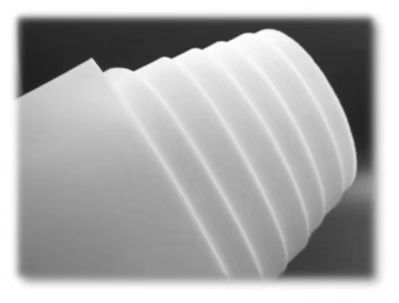
Ọja parameters
Apejuwe
Introduction to Cellulose HPMC for mortar / odi putty / alemora tile / pilasita / gypsum
Hydroxypropyl Methylcellulose (HPMC), ti orukọ Kannada jẹ hydroxypropyl methylcellulose, jẹ ologbele-sintetiki, ether cellulose ti kii-ionic ti a gba nipasẹ kemikali ti o yipada cellulose adayeba. Lulú funfun yii le ṣẹda ojutu viscous ti o han gbangba lẹhin tituka ninu omi. O ni o ni o tayọ thickening, idaduro omi, iduroṣinṣin ati awọn ohun-ini iṣelọpọ fiimu. O jẹ aropọ multifunctional ti ko ṣe pataki ni ọpọlọpọ awọn aaye bii ikole, òògùn, ati ounje.
Characteristics and advantages of Cellulose HPMC for mortar / odi putty / alemora tile / pilasita / gypsum
O tayọ omi solubility: O le yarayara ni tituka ni omi tutu lati ṣe agbekalẹ ojutu ti o han gbangba ati iduroṣinṣin.
Ipọnra daradara ati agbara idaduro omi: Mu iki ti ohun elo naa pọ si, fe ni din omi evaporation, ati ilọsiwaju iṣẹ ṣiṣe.
Iduroṣinṣin to dara: O ni iduroṣinṣin to dara si awọn acids, alkalis, ati iyọ, ati pe o dara fun ọpọlọpọ awọn iye pH.
Ṣiṣe fiimu ati awọn ipa aabo: Lẹhin gbigbe, o ṣe fiimu ti o nira ati ti o han gbangba lati daabobo sobusitireti ati dena ilaluja omi ati evaporation.
Non-majele ti ati ti kii-irritating: O ni ibamu biocompatibility ti o dara ati pe o dara fun awọn aaye oogun ati ounjẹ.
Atunṣe: Nipa yiyipada iwọn aropo ati iwuwo molikula, iṣẹ rẹ le ṣe atunṣe lati pade awọn ibeere ohun elo oriṣiriṣi.

Specification of Cellulose HPMC for mortar / odi putty / alemora tile / pilasita / gypsum
Cellulose HPMC for Building And Construction Applications
Asiri lẹkunrẹrẹ
Hydroxypropyl Methylcellulose (HPMC) is a high-performance additive used in dry-mix building products. O mu ki workability, idaduro omi, and adhesion in mortar, odi putty, alemora tile, pilasita, and gypsum-based items.
The item appears as a white to beige free-flowing powder. It liquifies easily in cool water and forms a clear, viscous iṣẹ. Normal thickness arrays from 4,000 si 100,000 mPa · s, relying on the quality chosen for certain applications. Higher viscosity qualities are perfect for thick-layer makes, while reduced viscosity types suit thin-set adhesives and great plasters.
Water retention is one of HPMC’s most important functions. Good water retention maintains concrete or plaster moistened during curing. This leads to stronger last strength and reduces fracturing or delamination. Ni awọn adhesives tile pakà, it makes certain appropriate bond development even on porous or absorptive substrates.
HPMC likewise boosts workability . O yoo fun awọn Mix a dan, luscious appearance that is simple to spread and trowel. Specialists experience less drag and fatigue throughout application. The material remains open much longer, permitting even more time for ceramic tile adjustment or surface area ending up.
This cellulose ether reveals superb alkali resistance and stays stable in high-pH environments regular of cementitious systems. It does not respond with various other usual ingredients like redispersible polymer powders, sitashi ethers, tabi defoamers.
Storage space conditions issue. Keep HPMC in a great, gbẹ ibi jina lati ọrinrin. Usage secured containers to stop clumping. Service life is generally one year when saved properly.
Different building and construction requires require different HPMC qualities. Always pick the ideal thickness and substitution level based upon your formula objectives– whether you require prolonged open time, improved droop resistance, or much better pumpability.
Makers count on constant top quality and batch-to-batch uniformity. Our HPMC fulfills strict sector requirements for purity, patiku iwọn, and efficiency in real-world work website problems.

Applications of Cellulose HPMC for mortar / odi putty / alemora tile / pilasita / gypsum
Applications of Cellulose HPMC in Structure Products
Imudara Iṣẹ-ṣiṣe ati Idaduro Omi
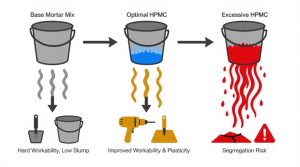
Hydroxypropyl methylcellulose (HPMC) is a key additive in contemporary building and construction items. It helps mortar, odi dada putty, pakà tile alemora, pilasita, and plaster remain practical longer. Nigbati a ba dapọ pẹlu omi, HPMC forms a clear, thick option that holds wetness inside the mix. This quits water from being taken in as well fast by porous surfaces like brick or concrete. Nitoribẹẹ, cement or plaster can totally moisturize, which leads to stronger bonds and better final toughness.
Better Adhesion and Sag Resistance
Ni awọn adhesives tile pakà, HPMC provides strong preliminary tack. Floor tiles stick strongly right after placement and do not slide down upright surfaces. This is especially vital for large or hefty ceramic tiles. The cellulose ether also enhances the smoothness of wall putty, making it very easy to spread out with a trowel. Workers obtain a consistent finish without swellings or streaks.
Improved Open Time and Consistency
HPMC extends open time– the period during which installers can adjust materials prior to they begin to establish. This versatility is vital on active job sites. For plasters and gypsum-based items, HPMC makes sure consistent structure from set to set. It reduces breaking and contraction as the material dries. Even in hot or completely dry weather condition, efficiency stays reputable.
Secure Efficiency Throughout Issues
HPMC works well in a vast array of temperatures and moisture degrees. It does not respond with various other typical ingredients like concrete, orombo wewe, tabi fillers. Contractors can trust that every bag provides the same top quality. Boya lo ninu ile tabi ita, in thin-set applications or thick makes, HPMC supports sturdiness and ease of usage throughout the application process.
Ile-iṣẹ Ifihan
Kaabo si Nja ati Die e sii, a asiwaju olupese ti ga-išẹ nja admixtures, pẹlu wa Ere nja omi idinku. Pẹlu awọn ọdun ti iriri ni ọja agbaye, ti a nse to ti ni ilọsiwaju solusan še lati mu awọn didara ati ṣiṣe ti ikole ise agbese agbaye. Awọn ile-iṣẹ iṣelọpọ ipo-ti-aworan wa ni idaniloju awọn ọja ti o ga julọ ti o ni ibamu pẹlu awọn iṣedede agbaye. A igberaga ara wa lori exceptional onibara iṣẹ, oluranlowo lati tun nkan se, ati awọn solusan ti a ṣe deede lati pade awọn iwulo iṣẹ akanṣe. Ṣe alabaṣepọ pẹlu wa fun igbẹkẹle, aseyori, ati iye owo-doko nja admixtures ti o wakọ rẹ ise agbese siwaju. Ṣawari diẹ sii ni www.concreteandmore.de/. Jẹ ki a kọ ọjọ iwaju papọ!
Ti o ba ni ibeere eyikeyi, jọwọ lero free lati kan si wa.
Awọn ọna isanwo
T/T, Western Union, Paypal, Kaadi Kirẹditi ati bẹbẹ lọ.
Awọn ọna gbigbe
Nipa afẹfẹ, nipa okun, nipa kiakia, bi awọn onibara beere.
5 FAQs of Cellulose HPMC for mortar / odi putty / alemora tile / pilasita / gypsum
Frequently Asked Questions About Cellulose HPMC in Construction Materials
Kini HPMC ati idi ti a fi lo ninu amọ?
HPMC duro fun Hydroxypropyl Methylcellulose. O jẹ polima ti o yo omi ti a ṣe lati inu cellulose adayeba. In mortar, HPMC helps hold water so the cement can fully react. This improves workability, ifaramọ, and reduces cracking.
How does HPMC improve wall putty performance?
HPMC gives wall putty better water retention and smooth application. It prevents the putty from drying too fast on porous surfaces. This leads to stronger film formation and less powdering after drying.
Can HPMC be used in tile adhesive?
Bẹẹni. HPMC is commonly added to tile adhesive. It increases open time, which means you have more time to adjust tiles before the adhesive sets. It also boosts bond strength and stops sagging on vertical surfaces.
What role does HPMC play in plaster?
Ninu pilasita, HPMC controls water loss during curing. This ensures even hardening and minimizes shrinkage cracks. It also makes the mix easier to spread and trowel smoothly over walls or ceilings.
Is HPMC suitable for gypsum-based products?
Bẹẹni. HPMC works well with gypsum. It slows down water absorption, giving you more working time. It also improves cohesion and reduces dusting in the final dried product. Use the right grade and dosage for best results.
BERE ORO
Awọn ọja ti o jọmọ
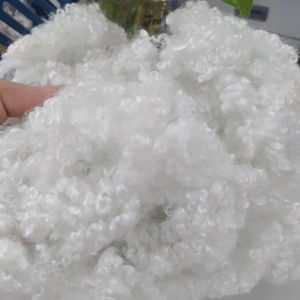
hebei Youngcel kemikali ikole hpmc fun tile alemora lulú ti a bo tabi thickener fun amọ hpmc 100000 iki
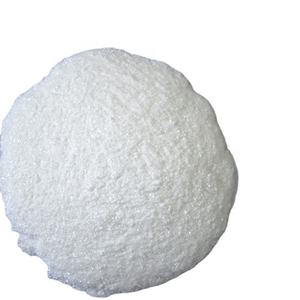
Hydroxypropyl Methyl Cellulose HPMC Powder CAS 9004 65 3
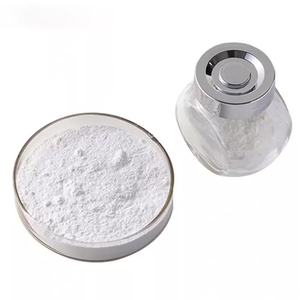
High Purity Hydroxypropyl Methyl Cellulose HPMC Low Ash akoonu 100000 CPS fun Gypsum Skim Coat

2023 Hydroxypropyl Methyl Cellulose HPMC MHPC Kemikali fun Mortars Premixed ati Plasters s K4M
WELLDONE Thickener Didara Giga Hpmc fun Isọtọ Liquid Mhpc Hpmc Hydroxypropyl Methyl Cellulose
