Lejè aditif konkrè | Ajan kimen wo-pèfòmans pou konkrè selilè


PARAMÈT PWODWI
Deskripsyon
Introduction to Hydroxypropyl Methyl Cellulose HPMC Cement Plaster Waterproof Membrane for Construction
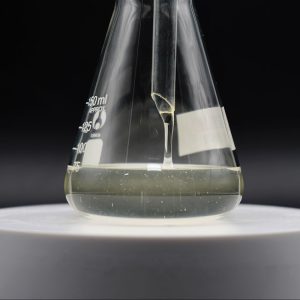
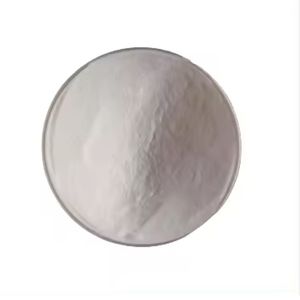
Hydroxypropyl Methylcellulose (HPMC), ki gen non Chinwa se hydroxypropyl methylcellulose, se yon semi-sentetik, etè seluloz ki pa iyonik ki te jwenn nan modifye chimik seluloz natirèl. Poud blan sa a ka fòme yon solisyon gluan transparan apre li fin fonn nan dlo. Li gen ekselan epesman, retansyon dlo, estabilite ak pwopriyete fim-fòme. Li se yon aditif multifonksyonèl endispansab nan anpil jaden tankou konstriksyon.
Characteristics and advantages of Hydroxypropyl Methyl Cellulose HPMC Cement Plaster Waterproof Membrane for Construction
Ekselan solubilite dlo: Li ka byen vit fonn nan dlo frèt pou fòme yon solisyon klè ak ki estab.
Epesman efikas ak kapasite retansyon dlo: Ogmante viskozite materyèl la, efektivman redwi evaporasyon dlo, ak amelyore efikasite travay.
Bon estabilite: Li gen bon estabilite nan asid, alkali, ak sèl, epi li apwopriye pou yon pakèt valè pH.
Efè fim-fòme ak pwoteksyon: Apre siye, li fòme yon fim difisil ak transparan pou pwoteje substra a epi anpeche pénétration dlo ak evaporasyon.
Ki pa toksik ak ki pa irite: Li gen bon biocompatibility epi li apwopriye pou jaden medikaman ak manje.
Ajistebilite: Lè w chanje degre sibstitisyon ak pwa molekilè, pèfòmans li yo ka ajiste pou satisfè kondisyon aplikasyon diferan.

Specifications of Hydroxypropyl Methyl Cellulose HPMC Cement Plaster Waterproof Membrane for Construction
Hydroxypropyl Methyl Cellulose (HPMC) Concrete Plaster Waterproof Membrane
Kondisyon kle yo
This water-proof membrane layer utilizes high-purity hydroxypropyl methyl cellulose (HPMC) as its primary additive. It is specifically made for cement-based plaster systems in construction. The HPMC material ranges from 60% pou 95%, depending upon the quality. Its viscosity falls between 4,000 epi 100,000 mPa · s nan a 2% option focus and 20 °C.
The product looks like a white or beige free-flowing powder. It has no noticeable smell and dissolves conveniently in cold water to form a clear, sèvis gluan. The pH value stays between 6.0 epi 8.0 nan yon 2% remèd akeuz. Dampness content remains below 5% pa pwa. Ash content is typically under 5%, ensuring very little inorganic residue after melting.
Karakteristik pèfòmans
Retansyon dlo: This membrane keeps water in the plaster mix much longer. That aids seal hydrate fully, which improves strength and reduces splitting.
Travayabilite: It makes the plaster smooth and simple to spread. Employees can apply it equally without extra initiative.
Adhesion: The membrane layer sticks well to concrete, blòk, and various other typical structure surface areas. This creates a solid bond that lasts.
Fleksibilite: It includes mild flexibility to the solidified plaster. This assists the layer take care of tiny activities without breaking.
Rezistans dlo: Yon fwa geri, the plaster creates an obstacle that blocks liquid water while still letting vapor pass through. This avoids wetness buildup behind wall surfaces.
The product meets global standards consisting of ASTM C1107 and EN 12878 for use in dry-mix mortars. Shop it in a cool, zòn konplètman sèk lwen solèy dirèk. Keep the bag secured when not being used to prevent dampness absorption. Life span is one year under proper storage space conditions.
Applications of Hydroxypropyl Methyl Cellulose HPMC Cement Plaster Waterproof Membrane for Construction
Aplikasyon Hydroxypropyl Methyl Cellulose (HPMC) in Cement Plaster Waterproof Membranes
Enhanced Workability and Adhesion
Hydroxypropyl Methyl Cellulose (HPMC) substantially enhances the efficiency of cement-based plaster used in water-proof membrane layers. It makes the mix easier to spread and apply uniformly on wall surfaces, planche, ak lòt zòn sifas yo. Employees discover it smoother to take care of, which decreases initiative and conserves time. HPMC likewise assists the plaster stick far better to concrete, brik, or tile backer boards. This solid bond prevents cracks and delamination gradually.
Water Retention for Stronger Healing
One crucial duty of HPMC is holding water inside the plaster throughout the curing phase. Without adequate dampness, concrete can not totally set. HPMC decreases water loss, specifically on warm or completely dry days. This makes sure regular strength advancement and minimizes surface area defects like cleaning or flaking.
Break Resistance and Adaptability
Concrete plaster has a tendency to diminish as it dries, which usually leads to hairline fractures. HPMC adds slight versatility to the mix. This enables the membrane layer to take in tiny movements without damaging. The outcome is a more long lasting, continuous obstacle against water infiltration.
Uniform Texture and Complete
HPMC offers the plaster a smooth, lump-free uniformity. It prevents sagging on vertical surfaces and assists maintain an also thickness. Professionals attain a specialist completed with less touch-ups. The last surface is ready for painting, mozayik, or additional waterproofing layers.
Trustworthy Efficiency in Wet Areas
Because of these advantages, HPMC-modified plaster is extensively utilized in restrooms, sousòl, veranda, ak pisin. It forms a dependable first line of defense versus moisture damages. Contractors trust it for both new building and construction and repair where long-lasting waterproofing matters.
Konpayi Profile
Nou se lidè mondyal nan konkrè ki lejè ak solisyon avanse kim enjenieri. Li te ye globalman pou angajman li nan rechèch, inovasyon, ak ekspètiz aplike, nou te bay solisyon kim enjenyè depi kòmansman ane 2012 la.
Nou ka bay bon jan kalite melanj konkrè ak pwodwi ki gen rapò ak konkrè kim nan tout mond lan.
Konpayi an gen yon depatman teknik pwofesyonèl ak depatman sipèvizyon kalite, yon laboratwa byen ekipe, ak ekipe ak ekipman tès avanse ak sant sèvis kliyan apre-lavant.
Si w enterese, tanpri ou lib epi kontakte nou.
Peman
T/T, Western Union, Paypal, Kat kredi elatriye.
chajman
Pa lè, pa lanmè, pa eksprime, jan kliyan mande.

5 FAQs of Hydroxypropyl Methyl Cellulose HPMC Cement Plaster Waterproof Membrane for Construction
Frequently Asked Questions About HPMC Cement Plaster Waterproof Membrane
What is HPMC cement plaster waterproof membrane?
This product mixes hydroxypropyl methyl cellulose (HPMC) with cement-based materials. Li fòme yon fò, flexible layer on walls or floors. The layer stops water from passing through. Builders use it in wet areas like bathrooms, sousòl, and kitchens.
Why add HPMC to the plaster mix?
HPMC improves how the plaster works. It makes the mix easier to spread. It also helps the plaster stick better to surfaces. Water stays in the mix longer, so the cement cures properly. This leads to fewer cracks and a stronger waterproof barrier.
Can this membrane handle constant water exposure?
Wi. Yon fwa konplètman geri, the membrane resists long-term water contact. It stays intact under showers, sinks, or underground walls. Always follow mixing and curing instructions for best results.
How do I apply the HPMC waterproof plaster?
Premye, clean and dampen the surface. Mix the powder with clean water until smooth. Use a trowel or brush to apply an even coat. Let it dry completely before adding tiles or paint. Two coats are often needed for full protection.
Èske pwodui sa a an sekirite pou itilize andedan kay la?
Wi. The membrane contains no harmful solvents or strong odors. It meets standard safety rules for residential buildings. It’s safe for homes, lekòl yo, and offices once cured. Keep the area ventilated during application just as a precaution.
DEMANDE YON PREVO
PWODWI ki gen rapò

MP 4M 3000 MPAS Low Viscosity Hydroxypropyl Methyl Cellulose HPMC for Ceramic Extrusion Direct

High Purity Hydroxypropyl Methyl Cellulose HPMC Menm jan ak Mecellose FMC 25002

ruyuan Chemicalvae HPMC cellulose powder High Viscosity hydroxypropyl methyl cellulose HPMC used in construction
Hydroxypropyl Methyl Cellulose HPMC pou Pakistan Market Low 200000 CPS Thickener Klas Manje
CAS 9004-65-3 HPMC pou Itilizasyon Endistriyèl Hydroxypropyl Methyl Cellulose Konstriksyon Chimik Cellulose Etè HPMC