


Nga Whakapiri Raima Maamaa | Nga Kaipupuhi Hukarere Mahinga Nui mo te Raima Pukoro


NGA TAATA HUA
Whakaahuatanga
Introduction to Hydroxypropyl Methyl Cellulose HPMC Cement Plaster Waterproof Membrane for Construction
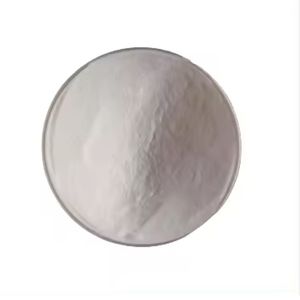
Hydroxypropyl Methylcellulose (HPMC), ko tona ingoa Hainamana ko te hydroxypropyl methylcellulose, he mea hangarua, Ko te etera cellulose kore katote i whiwhi ma te whakarereke matū i te cellulose taiao. Ka taea e tenei paura ma te hanga i te wairewa maamaa marama i muri i te rewa ki te wai. He tino pai te matotoru, pupuri wai, pūmautanga me ngā āhuatanga hanga kiriata. He taapiri taapiri tino nui i roto i nga waahanga maha penei i te hanga.
Characteristics and advantages of Hydroxypropyl Methyl Cellulose HPMC Cement Plaster Waterproof Membrane for Construction
Te wairewa tino pai: Ka tere te memeha i roto i te wai matao kia puta he otinga maamaa me te pumau.
Te kaha ki te whakamaroke me te pupuri wai: Whakanuia te viscosity o te rauemi, pai te whakaiti i te whakaetonga wai, me te whakapai ake i te pai o te mahi.
He pai te pumau: He pai te pumau ki nga waikawa, kawakore, me nga tote, a he pai mo te whānuitanga o nga uara pH.
Te hanga kiriata me nga paanga whakamarumaru: I muri i te whakamaroke, hanga he kiriata uaua me te marama ki te tiaki i te tïpako me te aukati i te kuhu o te wai me te whakaetonga.
Kore paitini me te kore whakapouri: He pai te koiora me te pai mo nga mara rongoa me te kai.
Te whakatikatika: Ma te huri i te tohu whakakapinga me te taumaha ngota, ka taea te whakatika i tana mahi ki te whakatutuki i nga whakaritenga tono rereke.

Specifications of Hydroxypropyl Methyl Cellulose HPMC Cement Plaster Waterproof Membrane for Construction
Hydroxypropyl Methyl Cellulose (HPMC) Concrete Plaster Waterproof Membrane
Nga Whakaritenga Matua
This water-proof membrane layer utilizes high-purity hydroxypropyl methyl cellulose (HPMC) as its primary additive. It is specifically made for cement-based plaster systems in construction. The HPMC material ranges from 60% ki 95%, i runga i te kounga. Its viscosity falls between 4,000 a 100,000 mPa · s at a 2% option focus and 20 ° C.
Ko te ahua o te hua he ma, he beige ranei te paura rere-kore. It has no noticeable smell and dissolves conveniently in cold water to form a clear, ratonga viscous. The pH value stays between 6.0 a 8.0 i roto i te a 2% rongoa wai. Dampness content remains below 5% ma te taumaha. Ash content is typically under 5%, ensuring very little inorganic residue after melting.
Nga waahanga mahi
Te pupuri wai: This membrane keeps water in the plaster mix much longer. That aids seal hydrate fully, which improves strength and reduces splitting.
Te kaha mahi: It makes the plaster smooth and simple to spread. Employees can apply it equally without extra initiative.
Whakapiri: The membrane layer sticks well to concrete, poraka, and various other typical structure surface areas. This creates a solid bond that lasts.
Te ngawari: It includes mild flexibility to the solidified plaster. This assists the layer take care of tiny activities without breaking.
Te ātete wai: Kia ora, the plaster creates an obstacle that blocks liquid water while still letting vapor pass through. This avoids wetness buildup behind wall surfaces.
The product meets global standards consisting of ASTM C1107 and EN 12878 for use in dry-mix mortars. Hokona i roto i te hauhautanga, he wahi maroke rawa atu i te ra tika. Keep the bag secured when not being used to prevent dampness absorption. Life span is one year under proper storage space conditions.
Applications of Hydroxypropyl Methyl Cellulose HPMC Cement Plaster Waterproof Membrane for Construction
Nga tono mo te Hydroxypropyl Methyl Cellulose (HPMC) in Cement Plaster Waterproof Membranes
Enhanced Workability and Adhesion
Hydroxypropyl Methyl Cellulose (HPMC) substantially enhances the efficiency of cement-based plaster used in water-proof membrane layers. It makes the mix easier to spread and apply uniformly on wall surfaces, nga papa, me etahi atu waahi mata. Employees discover it smoother to take care of, which decreases initiative and conserves time. HPMC likewise assists the plaster stick far better to concrete, pereki, or tile backer boards. This solid bond prevents cracks and delamination gradually.
Water Retention for Stronger Healing
One crucial duty of HPMC is holding water inside the plaster throughout the curing phase. Karekau he makuku tika, concrete can not totally set. Ka whakaitihia e te HPMC te mate wai, specifically on warm or completely dry days. This makes sure regular strength advancement and minimizes surface area defects like cleaning or flaking.
Whati Atete me te Urutau
Concrete plaster has a tendency to diminish as it dries, which usually leads to hairline fractures. HPMC adds slight versatility to the mix. This enables the membrane layer to take in tiny movements without damaging. The outcome is a more long lasting, continuous obstacle against water infiltration.
Uniform Texture and Complete
HPMC offers the plaster a smooth, lump-free uniformity. It prevents sagging on vertical surfaces and assists maintain an also thickness. Professionals attain a specialist completed with less touch-ups. The last surface is ready for painting, tāpa, or additional waterproofing layers.
Trustworthy Efficiency in Wet Areas
Because of these advantages, HPMC-modified plaster is extensively utilized in restrooms, nga ruuma, mahahau, me te poka wai. It forms a dependable first line of defense versus moisture damages. Contractors trust it for both new building and construction and repair where long-lasting waterproofing matters.
Kōtaha Kamupene
Ko matou te kaihautu o te ao mo nga raima maamaa me nga otinga pahuka i hangaia. E mohiotia ana puta noa i te ao mo tana pono ki te rangahau, auahatanga, me te tohungatanga tono, kua whakaratohia e matou he otinga pahuka i hangaia mai i te timatanga o te tau 2012.
Ka taea e matou te whakarato i te whakauru raima kounga teitei me nga hua e pa ana ki te raima pahuka puta noa i te ao.
Ko te kamupene he tari hangarau ngaio me te tari tirotiro kounga, he taiwhanga pai rawa atu, me nga taputapu whakamatautau matatau me te pokapū ratonga kaihoko muri-hoko.
Mena kei te hiahia koe, tēnā koa whakapā mai ki a mātou.
Utu
T/T, Western Union, Paypal, Kaari nama etc.
Tukunga
Ma te hau, ma te moana, mā te whakapuaki, kia rite ki te tono a nga kaihoko.

5 FAQs of Hydroxypropyl Methyl Cellulose HPMC Cement Plaster Waterproof Membrane for Construction
Frequently Asked Questions About HPMC Cement Plaster Waterproof Membrane
What is HPMC cement plaster waterproof membrane?
This product mixes hydroxypropyl methyl cellulose (HPMC) with cement-based materials. Ka hanga he kaha, flexible layer on walls or floors. The layer stops water from passing through. Builders use it in wet areas like bathrooms, nga ruuma, and kitchens.
Why add HPMC to the plaster mix?
HPMC improves how the plaster works. It makes the mix easier to spread. It also helps the plaster stick better to surfaces. Water stays in the mix longer, so the cement cures properly. This leads to fewer cracks and a stronger waterproof barrier.
Can this membrane handle constant water exposure?
Ae. Once fully cured, the membrane resists long-term water contact. It stays intact under showers, sinks, or underground walls. Always follow mixing and curing instructions for best results.
How do I apply the HPMC waterproof plaster?
Tuatahi, clean and dampen the surface. Mix the powder with clean water until smooth. Use a trowel or brush to apply an even coat. Let it dry completely before adding tiles or paint. Two coats are often needed for full protection.
He haumaru tenei hua mo te whakamahinga o roto?
Ae. The membrane contains no harmful solvents or strong odors. It meets standard safety rules for residential buildings. It’s safe for homes, kura, and offices once cured. Keep the area ventilated during application just as a precaution.
TONO HE KORERO
HUA HUA

Hydroxypropyl Methyl Cellulose HPMC CAS 9004 65 3
Hydroxypropyl Methyl Cellulose HPMC Chemical Auxiliary Agent mo te Whakamahi Ahumahi

tuku CAS9004-64-3 māngai mātotoru hopi hopi rauemi Paku HPMC Hopi paura kōeke
Direct Shipped from China Factory Good High Viscosity High Water Retention Hydroxypropyl Methyl Cellulose HPMC for Asian
Hydroxypropyl Methyl Cellulose HPMC Cellulose 200000 CPS Paura mo te Tile Adhesive