


Ihe mgbakwunye ihe dị fechaa | Ndị na-ahụ maka ụfụfụ na-arụ ọrụ dị elu maka ihe nhịahụ cellular

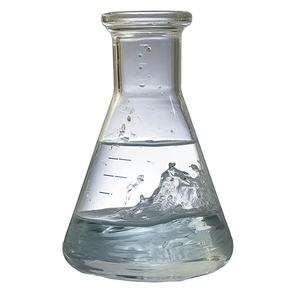
PRAMETERS ngwaahịa
Nkọwa
Overview of Concrete Admixture Polypropylene Monofilament Fiber for Reduction of Settlement Cracking in Fresh Concrete
Concrete Admixture Polypropylene Monofilament Fiber for Reduction of Settlement Cracking in Fresh Concrete is chemical compounds added to concrete mixtures to improve various properties of the material, dị ka ike ịrụ ọrụ, ike, inogide, na oge ọgwụgwọ. Ihe mgbakwunye ndị a gụnyere plasticizers, retarders, accelerators, ndị na-egbochi mmiri, na ndị na-eme ihe na-eme ka ikuku, nke ọ bụla e mere iji gboo mkpa kpọmkwem na ihe mmepụta ihe. A na-ejikarị ihe mgbakwunye concrete eme ihe n'ụlọ ahịa ma ụlọ obibi, nakwa dị ka na mmepụta nke precast na njikere-mix ihe. Site n'ịkwalite arụmọrụ na àgwà nke ihe, ihe mgbakwunye ndị a na-enyere aka melite arụmọrụ nke ọrụ ihe owuwu ebe na-ahụ maka ịdịte aka na ịdịte aka nke ihe owuwu a rụchara.. Ha dị mfe itinye n'ime ngwakọta ahụ ma na-enye ngwọta dị ọnụ ahịa maka ịmepụta ihe onwunwe dị iche iche n'ọtụtụ ngwa..
Characteristics of Concrete Admixture Polypropylene Monofilament Fiber for Reduction of Settlement Cracking in Fresh Concrete
Ike emelitere: Ihe mgbakwunye ihe nwere ike ịbawanye ike mkpakọ nke ihe, na-eme ka ọ dịkwuo ike na nrụgide na nrụgide. Nke a na-eme ka ọ dị ogologo ndụ na ịdịte aka nke ihe owuwu, ibelata ohere nke mgbawa ma ọ bụ ọdịda.
Ịrụ ọrụ emelitere: Ihe mgbakwunye dị ka plasticizers na superplasticizers na-eme ka ike na-aga n'ihu na nkwụsi ike nke ihe, na-eme ka ọ dị mfe ijikwa, wunye, ma mechaa. Nke a na-eme ka arụpụta ihe na ebe a na-ewu ihe na-ebelata ma belata ụgwọ ọrụ.
Ngwọta Ọsọ ọsọ: Ndị na-eme ngwa ngwa, ụdị ihe mgbakwunye ihe, nyere aka mee ka usoro ọgwụgwọ ahụ dị ngwa, na-enye ohere maka oge nhazi ngwa ngwa na ịrụcha ọrụ ngwa ngwa. Nke a bara uru karịsịa na ihu igwe oyi ma ọ bụ mgbe usoro ihe owuwu na-eme ngwa ngwa.
Ọdịnaya na-abawanye: Ọtụtụ ihe mgbakwunye, dị ka ihe na-ebelata mmiri na ogige mgbochi mmiri, mụbaa nguzogide nke kọnkịrị ka ọ bụrụ ọnọdụ gburugburu ebe obibi siri ike dị ka cycles-freze-thaw cycles, mmiri ntinye, na mkpughe kemịkalụ, n'ịhụ na arụmọrụ ogologo oge.
Adhesion kacha mma na njikọta: Ụfọdụ ihe mgbakwunye na-eme ka njikọ dị n'etiti ihe na ihe ndị ọzọ, dị ka ịgbanye ígwè ma ọ bụ aggregates, ime ka nguzosi ike n'ezi ihe n'ozuzu ya na ibelata ohere nke delamination ma ọ bụ nkewa.
Ọdịiche maka ngwa dị iche iche: Ihe mgbakwunye concrete dị oke ọnụ ma enwere ike iji ya n'ọtụtụ ngwa, site na ụlọ obibi ruo nnukwu ọrụ akụrụngwa. A haziri ha iji gboo mkpa dị iche iche dị ka ihe siri ike dị elu, kọmpat nke onwe, ma ọ bụ ihe na-adịgide adịgide maka ọnọdụ dị oke njọ.
Ọnụ-arụ ọrụ nke ọma: Site n'ịkwalite àgwà na arụmọrụ nke ihe, ihe mgbakwunye na-ebelata mkpa maka mmezi na nrụzi ọzọ, na-eduga na nnukwu ego ego n'ime ogologo oge. Na mgbakwunye, ha na-enyere aka ịkwalite nhazi ngwakọta, ibelata ihe mkpofu ihe.
Enyi na gburugburu ebe obibi: Ọtụtụ ihe mgbakwunye ihe ọgbara ọhụrụ na-eji ihe eji eme gburugburu ebe obibi, na-enye aka n'omume owuwu na-adigide. Ihe mgbakwunye ndị a na-enyere aka belata akara ụkwụ carbon ma melite arụmọrụ gburugburu ebe obibi nke kọnkịta.
Emechachara elu elu: Ihe mgbakwunye dị ka ihe na-eme ka ikuku na-eme ka ikuku dịkwuo mma nwere ike imezi njedebe na ọdịdị nke ihe site na igbochi ntụpọ dị ka mgbawa, mmanụ aṅụ, ma ọ bụ n'elu uzuzu, na-eme ka ọ dị nro, elu ọkachamara-ọkwa.

Specification of Concrete Admixture Polypropylene Monofilament Fiber for Reduction of Settlement Cracking in Fresh Concrete
Spec nke ihe mgbakwunye ihe: Polypropylene Monofilament Fiber
Ebumnuche
Polypropylene monofilament fiber is included in fresh concrete to lower negotiation breaking. This sort of fracturing takes place when water and solids different throughout the early stages of concrete hardening. The fibers produce a network inside the mix that waits together, slowing down crack formation.
Material Properties
A na-eme eriri ahụ site na 100% polypropylene. It is chemically inert and does not react with cement or other ingredients in concrete. Each fiber is a single strand (monofilament), na-emekarị 6 ka 19 mm ogologo. Its diameter varies from 18 ka 32 microns. The product resists alkali, mmiri mmiri, na ọkụ UV, so it remains strong gradually.
Uru arụmọrụ
Mgbe agwakọta ya kpọmkwem n'ime ihe, these fibers boost cohesion. They aid manage plastic shrinkage and decrease bleeding. This brings about fewer surface cracks before the concrete completely collections. The fibers likewise boost influence resistance and durability without transforming the concrete’s standard strength.
Blending and Dosage
Include the fibers throughout the batching process. Mix for at the very least 3 ka 5 mins after including them to guarantee even distribution. Common dose is 0.6 ka 0.9 n'arọ kwa cubic mita nke ihe. Comply with regional standards or project specs for exact amounts.
Usoro na nnabata
This product satisfies ASTM C1116/C1116M requirements for synthetic fiber support in concrete. Ọ na-adabere na EN 14889-2 for fibrillated and monofilament polypropylene fibers utilized in structural applications.
Ijikwa na Nchekwa
Shop fibers in a dry, covered area away from straight sunshine. Maintain bags sealed up until usage to stop moisture absorption or clumping. Use handwear covers and eye defense throughout managing to stay clear of skin or eye inflammation.
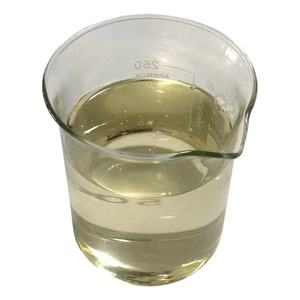
Applications of Concrete Admixture Polypropylene Monofilament Fiber for Reduction of Settlement Cracking in Fresh Concrete
Just How Polypropylene Monofilament Fiber Helps In Reducing Settlement Breaking in Fresh Concrete
What Is Settlement Cracking?
When concrete is initial put, it stays soft momentarily. During this stage, much heavier particles like sand and crushed rock sink. Water and cement rise to the top. This activity creates little spaces just listed below the surface. Dị ka ihe na-esi ike, these gaps develop into great fractures. These are called negotiation fractures. They frequently appear above steel bars or where the concrete adjustments density.
Exactly How the Fiber Works
Adding polypropylene monofilament fiber to the concrete mix aids stop these fractures from creating. The fibers are really slim however solid. They spread out equally with the damp concrete. As the hefty parts start to clear up, the fibers wait together. They imitate a hidden internet inside the mix. This internet reduces fragment movement and keeps water from climbing also quickly. N'ihi nke a, fewer voids create, and cracking declines significantly.
Why Utilize This Fiber?
This sort of fiber is very easy to blend in. It does not clump or float. It works well with other admixtures. Contractors do not require unique tools or training to utilize it. Just include it throughout typical blending. The result is smoother surface areas with less cracks right from the start. That means less patching, much less repair, and better-looking concrete.
The fibers additionally boost the concrete’s early stamina. Even before it totally treatments, the mix resists damages better. This is especially beneficial on pieces, mgbidi elu, and structures where surface quality matters.
Polypropylene monofilament fiber offers real, practical benefits without changing exactly how teams function. It solves a typical trouble quietly and successfully– right where it starts.
Nkọwapụta Ụlọ ọrụ
Anyị bụ ndị ndu zuru ụwa ọnụ na ngwọta ụfụfụ dị fechaa na nke dị elu. Amara ụwa niile maka ntinye aka ya na nyocha, ihe ọhụrụ, na etinyere nka nka, anyị na-enye ihe ngwọta ụfụfụ emepụtara kemgbe mmalite 2012.
Anyị nwere ike na-enye elu-edu ihe admixture na ụfụfụ ihe metụtara ngwaahịa n'ụwa nile.
Ụlọ ọrụ ahụ nwere ngalaba ọkachamara ọkachamara na ngalaba nlekọta àgwà, ụlọ nyocha nke ọma, na kwadebere na elu ule akụrụngwa na mgbe-sales ahịa ọrụ center.
Ọ bụrụ na ị nwere mmasị, biko nweere onwe gị ma kpọtụrụ anyị.
Ịkwụ ụgwọ
T/T, Western Union, Paypal, Kaadị kredit wdg.
Mbupu
Site n'ikuku, site n'oké osimiri, site na nkwuwa okwu, dị ka ndị ahịa na-arịọ.

5 FAQs of Concrete Admixture Polypropylene Monofilament Fiber for Reduction of Settlement Cracking in Fresh Concrete
Ajụjụ a na-ajụkarị: Polypropylene Monofilament Fiber for Concrete
What is polypropylene monofilament fiber used for in concrete?
This fiber helps reduce settlement cracking in fresh concrete. When concrete is poured, water and solids can separate. This separation often causes cracks as the surface dries. Adding these fibers holds the mix together better and limits early cracking.
How does the fiber work inside fresh concrete?
Eriri na-agbasa nke ọma site na ngwakọta. They create a network that supports the concrete while it sets. This support slows down water movement and stops large cracks from forming during the first few hours after pouring.
eriri a ọ dị mfe ịgwakọta ya na kọnkịtị?
Ee. The fiber blends well with standard mixing methods. You can add it at the batching plant or on-site. It does not clump if you follow basic mixing steps. Enweghị akụrụngwa pụrụ iche achọrọ.
Does the fiber affect the strength of hardened concrete?
Ọ naghị ewetu ike mkpakọ. N'ezie, it may improve toughness and impact resistance. The main job of this fiber is to control early-age cracking, not to replace structural reinforcement like steel rebar.
Enwere m ike iji eriri a na admixtures ndị ọzọ?
Ee. Polypropylene monofilament fiber works well with most common chemical admixtures. Just make sure your total mix design meets project requirements. Always test a small batch first if you combine several additives.
RỊỌRỌ OKWU
Ngwaahịa ndị metụtara
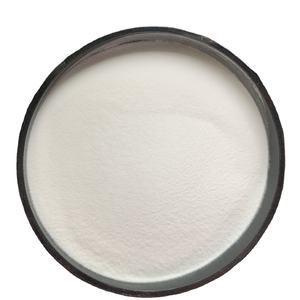
PCE ntụ ntụ High ike Concrete Admixture Polycarboxylic Acid Superplasticizer Powder and Liquid
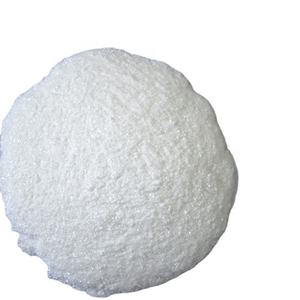
Ntụ ntụ Calcium Nitrite Concrete dị ka Corrosion Inhibitor maka Mgbakwụnye Mgbakwụnye

Mgbakwụnye ihe mkpuchi polymer nke nwere ike agbasa RDP maka plasta ngwakọta akọrọ na inye.

Ngwakọta ntụ ntụ Latex na-emegharị RDP maka ngwa ngwa na-ebuli onwe ya
HEC Hydroxyethyl Cellulose Concrete Admixture maka agba ciment na ihe ndị dị na mmiri.
