


Lättbetongtillsatser | Högpresterande skummedel för cellbetong

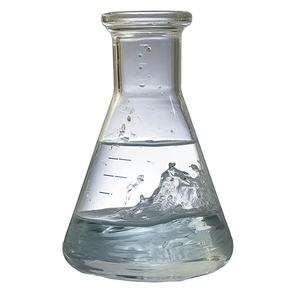
PRODUKTPARAMETRAR
Beskrivning
Overview of Concrete Admixture Polypropylene Monofilament Fiber for Reduction of Settlement Cracking in Fresh Concrete
Concrete Admixture Polypropylene Monofilament Fiber for Reduction of Settlement Cracking in Fresh Concrete is chemical compounds added to concrete mixtures to improve various properties of the material, såsom arbetsbarhet, styrka, varaktighet, och härdningstid. Dessa tillsatser inkluderar mjukgörare, retarderare, acceleratorer, vattentäta medel, och luftindragande medel, var och en utformad för att möta specifika behov inom betongproduktion. Betongtillsatser används ofta i både kommersiella och bostadsbyggande, samt vid tillverkning av prefabricerad och färdigblandad betong. Genom att förbättra betongens prestanda och kvalitet, dessa tillsatser hjälper till att förbättra den totala effektiviteten i byggprojekt samtidigt som de säkerställer hållbarheten och livslängden hos den färdiga strukturen. De är lätta att införliva i blandningen och ger kostnadseffektiva lösningar för att optimera betongegenskaper i ett brett spektrum av applikationer.
Characteristics of Concrete Admixture Polypropylene Monofilament Fiber for Reduction of Settlement Cracking in Fresh Concrete
Förbättrad styrka: Betongtillsatser kan avsevärt öka betongens tryckhållfasthet, gör den mer motståndskraftig mot press och stress. Detta säkerställer strukturernas livslängd och hållbarhet, minskar sannolikheten för sprickbildning eller fel.
Förbättrad arbetsbarhet: Tillsatser som mjukgörare och supermjukgörare förbättrar betongens flytbarhet och konsistens, gör det lättare att hantera, hälla, och avsluta. Detta ökar produktiviteten på byggarbetsplatsen och minskar arbetskostnaderna.
Snabbare härdning: Acceleratorer, en typ av betongtillsats, hjälpa till att påskynda härdningsprocessen, möjliggör snabbare inställningstider och snabbare slutförande av projekt. Detta är särskilt användbart i kallt väder eller vid snabbspårning av byggtidslinjer.
Ökad hållbarhet: Många tillsatser, som vattenreducerande medel och vattentätande föreningar, öka betongens motståndskraft mot tuffa miljöförhållanden såsom frys-tiningscykler, inträngande vatten, och kemisk exponering, säkerställa långsiktig prestation.
Bättre vidhäftning och bindning: Vissa tillsatser förbättrar bindningen mellan betongen och andra material, såsom armeringsstål eller ballast, förbättra den övergripande strukturella integriteten och minska risken för delaminering eller separation.
Mångsidighet för olika applikationer: Betongtillsatser är mycket mångsidiga och kan användas i en mängd olika applikationer, från bostadshus till storskaliga infrastrukturprojekt. De är formulerade för att möta specifika behov såsom höghållfast betong, självkomprimerande betong, eller slitstark betong för extrema förhållanden.
Kostnadseffektiv: Genom att förbättra betongens kvalitet och prestanda, tillsatser minskar behovet av ytterligare underhåll och reparationer, leder till betydande kostnadsbesparingar på lång sikt. Dessutom, de hjälper till att optimera mixdesignen, minska materialavfallet.
Miljövänlig: Många moderna betongtillsatser är formulerade med miljövänliga ingredienser, bidra till mer hållbara byggmetoder. Dessa tillsatser hjälper till att minimera koldioxidavtrycket och förbättra betongens miljöprestanda.
Förbättrad ytfinish: Tillsatser som luftindragande medel kan förbättra finishen och utseendet på betong genom att förhindra defekter som sprickbildning, honungskaka, eller ytdamm, säkerställa en jämn, professionell yta.

Specification of Concrete Admixture Polypropylene Monofilament Fiber for Reduction of Settlement Cracking in Fresh Concrete
Spec of Concrete Admixture: Polypropylene Monofilament Fiber
Purpose
Polypropen monofilamentfiber is included in fresh concrete to lower negotiation breaking. This sort of fracturing takes place when water and solids different throughout the early stages of concrete hardening. The fibers produce a network inside the mix that waits together, slowing down crack formation.
Material Properties
Fibern är gjord av 100% polypropen. It is chemically inert and does not react with cement or other ingredients in concrete. Each fiber is a single strand (monofilament), typiskt 6 till 19 mm lång. Its diameter varies from 18 till 32 mikron. The product resists alkali, fukt, och UV-ljus, so it remains strong gradually.
Effektivitetsfördelar
När den blandas rakt in i betong, these fibers boost cohesion. They aid manage plastic shrinkage and decrease bleeding. This brings about fewer surface cracks before the concrete completely collections. The fibers likewise boost influence resistance and durability without transforming the concrete’s standard strength.
Blending and Dosage
Include the fibers throughout the batching process. Blanda åtminstone 3 till 5 mins after including them to guarantee even distribution. Vanlig dos är 0.6 till 0.9 kg per kubikmeter betong. Comply with regional standards or project specs for exact amounts.
Criteria and Compliance
This product satisfies ASTM C1116/C1116M requirements for synthetic fiber support in concrete. It additionally adheres to EN 14889-2 for fibrillated and monofilament polypropylene fibers utilized in structural applications.
Hantering och förvaring
Shop fibers in a dry, covered area away from straight sunshine. Maintain bags sealed up until usage to stop moisture absorption or clumping. Use handwear covers and eye defense throughout managing to stay clear of skin or eye inflammation.
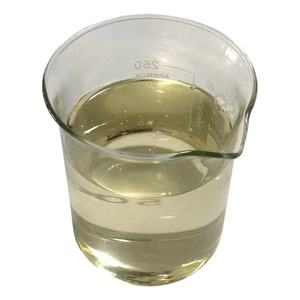
Applications of Concrete Admixture Polypropylene Monofilament Fiber for Reduction of Settlement Cracking in Fresh Concrete
Just How Polypropylene Monofilament Fiber Helps In Reducing Settlement Breaking in Fresh Concrete
What Is Settlement Cracking?
When concrete is initial put, it stays soft momentarily. During this stage, much heavier particles like sand and crushed rock sink. Water and cement rise to the top. This activity creates little spaces just listed below the surface. När betongen härdar, these gaps develop into great fractures. These are called negotiation fractures. They frequently appear above steel bars or where the concrete adjustments density.
Exactly How the Fiber Works
Adding polypropylene monofilament fiber to the concrete mix aids stop these fractures from creating. The fibers are really slim however solid. They spread out equally with the damp concrete. As the hefty parts start to clear up, the fibers wait together. They imitate a hidden internet inside the mix. This internet reduces fragment movement and keeps water from climbing also quickly. As a result of this, fewer voids create, and cracking declines significantly.
Varför använda denna fiber?
This sort of fiber is very easy to blend in. It does not clump or float. It works well with other admixtures. Contractors do not require unique tools or training to utilize it. Just include it throughout typical blending. The result is smoother surface areas with less cracks right from the start. That means less patching, much less repair, and better-looking concrete.
The fibers additionally boost the concrete’s early stamina. Even before it totally treatments, the mix resists damages better. This is especially beneficial on pieces, väggytor, and structures where surface quality matters.
Polypropylene monofilament fiber offers real, practical benefits without changing exactly how teams function. It solves a typical trouble quietly and successfully– right where it starts.
Företagsprofil
Vi är världsledande inom lättbetong och avancerade tekniska skumlösningar. Känd globalt för sitt engagemang för forskning, innovation, och tillämpad expertis, vi har tillhandahållit konstruerade skumlösningar sedan början av 2012-talet.
Vi kan leverera högkvalitativa betongtillsats- och skumbetongrelaterade produkter över hela världen.
Företaget har en professionell teknisk avdelning och kvalitetsövervakningsavdelning, ett välutrustat laboratorium, och utrustad med avancerad testutrustning och kundservicecenter efter försäljning.
Om du är intresserad, var snäll och kontakta oss.
Betalning
T/T, Western Union, Paypal, Kreditkort etc.
Transport
Med flyg, till sjöss, med express, som kunderna begär.

5 FAQs of Concrete Admixture Polypropylene Monofilament Fiber for Reduction of Settlement Cracking in Fresh Concrete
Vanliga frågor: Polypropylene Monofilament Fiber for Concrete
Vad används polypropenmonofilamentfiber till i betong?
This fiber helps reduce settlement cracking in fresh concrete. When concrete is poured, water and solids can separate. This separation often causes cracks as the surface dries. Adding these fibers holds the mix together better and limits early cracking.
How does the fiber work inside fresh concrete?
Fibrerna sprids jämnt genom blandningen. They create a network that supports the concrete while it sets. This support slows down water movement and stops large cracks from forming during the first few hours after pouring.
Är denna fiber lätt att blanda med betong?
Ja. Fibern smälter väl med vanliga blandningsmetoder. You can add it at the batching plant or on-site. Det klumpar sig inte om du följer grundläggande blandningssteg. Ingen speciell utrustning behövs.
Does the fiber affect the strength of hardened concrete?
Det minskar inte tryckhållfastheten. I själva verket, it may improve toughness and impact resistance. The main job of this fiber is to control early-age cracking, not to replace structural reinforcement like steel rebar.
Can I use this fiber with other admixtures?
Ja. Polypropylene monofilament fiber works well with most common chemical admixtures. Just make sure your total mix design meets project requirements. Always test a small batch first if you combine several additives.
BEGÄR EN OFFERT
RELATERADE PRODUKTER

Anpassningsbar höghållfast betonggjutningstillsats polypropenfiberbetongblandning med hög prestanda

Ultra High Performance Microsilica Concrete Admixture for Refractory Usage

Betongblandning polykarboxylat Superplasticizer för högflytande betong
Polypropen mikrofiber betongblandning 6 mm 12 mm för sprickskydd i cementbruk
Concrete Admixture Polycarboxylate Superplasticizer Liquid for High Slump Concrete with Low Viscosity
