Additivi per calcestruzzo leggero | Agenti schiumogeni ad alte prestazioni per cemento cellulare


PARAMETRI DEL PRODOTTO
Descrizione
Introduzione alla malta da costruzione idrossipropilmetilcellulosa HPMC
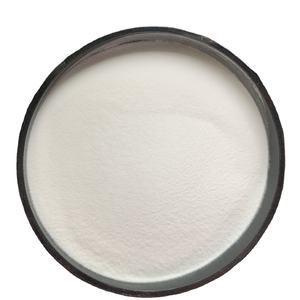
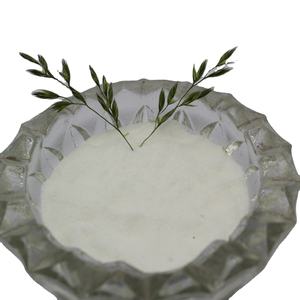
Idrossipropilmetilcellulosa (HPMC), il cui nome cinese è idrossipropilmetilcellulosa, è un semisintetico, Etere di cellulosa non ionico ottenuto modificando chimicamente la cellulosa naturale. Questa polvere bianca può formare una soluzione viscosa trasparente dopo la dissoluzione in acqua. Ha un ottimo addensamento, ritenzione idrica, stabilità e proprietà filmogene. È un additivo multifunzionale indispensabile in molti campi come l'edilizia.
Caratteristiche e vantaggi della malta da costruzione Idrossipropilmetilcellulosa HPMC
Eccellente solubilità in acqua: Può essere rapidamente sciolto in acqua fredda per formare una soluzione limpida e stabile.
Efficiente capacità di addensamento e ritenzione idrica: Aumentare la viscosità del materiale, ridurre efficacemente l'evaporazione dell'acqua, e migliorare l'efficienza del lavoro.
Buona stabilità: Ha una buona stabilità agli acidi, alcali, e sali, ed è adatto per un'ampia gamma di valori di pH.
Effetti filmogeni e protettivi: Dopo l'asciugatura, forma una pellicola tenace e trasparente che protegge il supporto ed impedisce la penetrazione e l'evaporazione dell'acqua.
Non tossico e non irritante: Ha una buona biocompatibilità ed è adatto ai campi della medicina e dell'alimentazione.
Adattabilità: Modificando il grado di sostituzione e il peso molecolare, le sue prestazioni possono essere regolate per soddisfare diversi requisiti applicativi.

Specifications of Construction Mortar Hydroxypropyl Methyl Cellulose HPMC
Specs of Building Mortar Hydroxypropyl Methyl Cellulose (HPMC)
Aspetto e tipo fisico
HPMC appears as a white or beige, polvere scorrevole. It has no obvious odor and liquifies conveniently in cold water to create a clear, opzione spessa. The powder stays secure under normal storage problems and does not clump when maintained dry.
Viscosity Array
The viscosity of HPMC utilized in construction mortar typically ranges from 400 mPa · sa 100,000 mPa·s, misurato 2% concentrazione e 20 °C. Common qualities for mortar applications include 400, 15,000, 20,000, 40,000, E 60,000 mPa·s. Higher thickness boosts water retention and workability however might affect setting time.
Hydroxypropyl and Methoxyl Web Content
Methoxyl material normally falls in between 19% E 30%. Hydroxypropyl content ranges from 4% A 12%. These worths determine exactly how well the HPMC does in different environments and blend designs. Well balanced alternative guarantees constant thickening and film-forming ability.
Ritenzione idrica
HPMC dramatically improves water retention in cement-based mortars. At a dosage of 0.2%– 0.4% in peso dei prodotti secchi complessivi, it can preserve over 90% water retention after 20 min. Questo aiuta a sigillare e idratare completamente, minimizing splitting and enhancing bond.
Stabilità del pH
The liquid remedy of HPMC reveals a pH between 6.0 E 8.0. It stays steady in the alkaline atmosphere regular of cementitious systems. This stability prevents degradation during blending and treating.
Pureness and Ash Web Content
HPMC for building and construction meets high-purity criteria. Ash content is generally listed below 5%, ensuring marginal disturbance with chemical reactions in the mortar. Reduced ash additionally implies less contaminations that could deteriorate the final product.
Solubility and Gel Temperature Level
HPMC liquifies quickly in cold water however forms a gel when warmed over its gel factor– normalmente tra 55 °C e 75 °C. This residential or commercial property enables simple mixing at space temperature while protecting against premature enlarging on hot work websites.
Applicazioni della malta da costruzione Idrossipropilmetilcellulosa HPMC
Applications of Building Mortar Hydroxypropyl Methyl Cellulose (HPMC)
Lavorabilità e consistenza migliorate
HPMC makes building and construction mortar easier to mix, spargersi, e forma. It provides the blend a smooth texture so workers can use it uniformly without added initiative. This helps in reducing waste and speeds up the work.
Migliore ritenzione idrica
HPMC holds water inside the mortar for a longer time. This is necessary because concrete requires water to solidify effectively. Without enough dampness, the mortar might crack or shed strength. HPMC maintains the mix damp enough time for complete treating, even in dry or heat.
Legame potenziato
Mortar with HPMC sticks much better to bricks, piastrelle di ceramica, e varie altre superfici. This solid bond stops ceramic tiles from falling off wall surfaces or floorings. It also reduces the risk of gaps developing in between layers, which can compromise the framework with time.
Reduced Sagging and Slumping
Se utilizzato su superfici verticali, routine mortar frequently moves down before it sets. HPMC adds thickness and stability to the mix. This quits sagging and keeps the mortar right where it’s positioned, providing cleaner outcomes and less rework.
Tempo di apertura prolungato
Builders obtain more time to adjust tiles or ravel plaster when HPMC is added. IL “orario aperto”– the home window during which the mortar stays workable– becomes much longer. This is valuable on big tasks or in warm problems where drying occurs fast.
Regular Efficiency Throughout Issues
HPMC helps mortar execute well in different temperature levels and moisture degrees. Whether it’s a cool winter months day or a moist summer season mid-day, the mix stays trusted. Service providers can depend on consistent results without transforming their approaches.
Profilo Aziendale
Siamo il leader globale nelle soluzioni di calcestruzzo leggero e schiuma ingegnerizzata avanzata. Conosciuta a livello mondiale per il suo impegno nella ricerca, innovazione, e competenza applicata, forniamo soluzioni in schiuma ingegnerizzata dall'inizio del 2012.
Siamo in grado di fornire additivi per calcestruzzo e prodotti correlati al calcestruzzo espanso di alta qualità in tutto il mondo.
L'azienda dispone di un dipartimento tecnico professionale e di un dipartimento di supervisione della qualità, un laboratorio ben attrezzato, e dotato di apparecchiature di collaudo avanzate e centro di assistenza clienti post-vendita.
Se sei interessato, non esitate a contattarci.
Pagamento
T/T, Unione occidentale, PayPal, Carta di credito ecc.
Spedizione
In aereo, via mare, per espresso, come richiedono i clienti.
5 Domande frequenti sulla malta da costruzione idrossipropilmetilcellulosa HPMC
Domande frequenti su HPMC nella malta da costruzione
Cos'è l'HPMC e perché viene utilizzato nella malta?
HPMC sta per idrossipropilmetilcellulosa. È una polvere bianca a base di cellulosa naturale. I costruttori lo aggiungono alla malta per migliorare la lavorabilità, ritenzione idrica, e adesione. Senza HPMC, la malta può asciugarsi troppo velocemente o perdere resistenza.
In che modo HPMC influisce sulla ritenzione idrica?
HPMC helps mortar hold onto water longer. This is important because cement needs water to cure properly. If water escapes too quickly, the mortar becomes weak or cracks. Con HPMC, the mix stays moist long enough for full curing, anche con tempo caldo o secco.
HPMC modifica il tempo di presa della malta?
SÌ, ma solo leggermente. HPMC may slow down the initial set by a small amount. This gives workers more time to spread and smooth the mortar. The final strength is not reduced. Infatti, better water control often leads to stronger results.
Can HPMC improve adhesion to walls or tiles?
Lo fa. HPMC makes the mortar stickier and more uniform. This helps it bond better to surfaces like brick, calcestruzzo, or tile backings. Good adhesion means fewer hollow spots and less risk of tiles falling off later.
Is HPMC safe and stable in construction products?
HPMC is non-toxic and widely approved for building use. It does not react with other common mortar ingredients like cement, sabbia, o calce. It also resists mold and bacteria. Once mixed into mortar, it remains stable during storage and application under normal conditions.
RICHIEDI UN PREVENTIVO
PRODOTTI CORRELATI
Idrossipropilmetilcellulosa di alta qualità HPMC Uguale a NAtrosol
additivo adesivante/polvere polimerica ridisperdibile hpmc per l'uso in estrusione
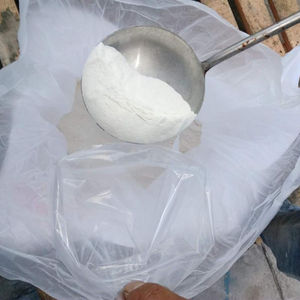
HPMC idrossipropilmetilcellulosa di alta qualità

2024 Prodotti Innovativi Idrossipropilmetilcellulosa HPMC
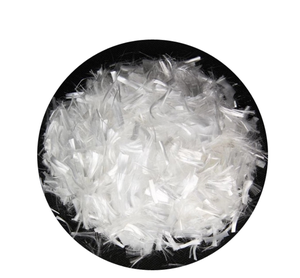
Additivi per calcestruzzo e additivi per malta, Personalizzato, HPMC, Polvere addensante bianca, Applicato su malta cementizia