


Lengvi betono priedai | Didelio našumo putojantys agentai koriniam betonui


PREKĖS PARAMETRAI
Aprašymas
Introduction to Construction Mortar Hydroxypropyl Methyl Cellulose HPMC
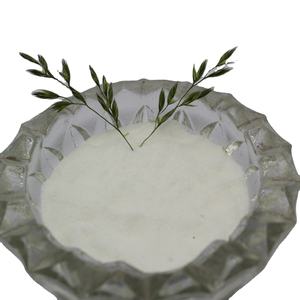
Hidroksipropilmetilceliuliozė (HPMC), kurio kiniškas pavadinimas yra hidroksipropilmetilceliuliozė, yra pusiau sintetinis, nejoninis celiuliozės eteris, gautas chemiškai modifikuojant natūralią celiuliozę. Šie balti milteliai gali sudaryti skaidrų klampų tirpalą ištirpinus vandenyje. Jis turi puikų sutirštėjimą, vandens sulaikymas, stabilumas ir plėvelės formavimo savybės. Tai yra nepakeičiamas daugiafunkcis priedas daugelyje sričių, pavyzdžiui, statybose.
Characteristics and advantages of Construction Mortar Hydroxypropyl Methyl Cellulose HPMC
Puikus tirpumas vandenyje: Jį galima greitai ištirpinti šaltame vandenyje, kad susidarytų skaidrus ir stabilus tirpalas.
Veiksmingas sutirštinimas ir vandens sulaikymo gebėjimas: Padidinkite medžiagos klampumą, efektyviai sumažina vandens išgaravimą, ir pagerinti darbo efektyvumą.
Geras stabilumas: Jis turi gerą stabilumą rūgštims, šarmų, ir druskos, ir tinka įvairiems pH verčių diapazonams.
Plėvelę formuojantis ir apsauginis poveikis: Po džiovinimo, jis sudaro kietą ir skaidrią plėvelę, apsaugančią pagrindą ir neleidžiančią vandeniui prasiskverbti bei išgaruoti.
Netoksiškas ir nedirginantis: Jis turi gerą biologinį suderinamumą ir yra tinkamas medicinos ir maisto srityse.
Reguliuojamumas: Keičiant pakeitimo laipsnį ir molekulinę masę, jo veikimas gali būti koreguojamas, kad atitiktų skirtingus taikymo reikalavimus.

Specifications of Construction Mortar Hydroxypropyl Methyl Cellulose HPMC
Specs of Building Mortar Hydroxypropyl Methyl Cellulose (HPMC)
Išvaizda ir fizinis tipas
HPMC atrodo kaip balta arba smėlio spalva, laisvai tekantys milteliai. It has no obvious odor and liquifies conveniently in cold water to create a clear, storas variantas. The powder stays secure under normal storage problems and does not clump when maintained dry.
Viscosity Array
The viscosity of HPMC utilized in construction mortar typically ranges from 400 mPa · s iki 100,000 mPa · s, matuojamas ties 2% koncentracija ir 20 °C. Common qualities for mortar applications include 400, 15,000, 20,000, 40,000, ir 60,000 mPa · s. Higher thickness boosts water retention and workability however might affect setting time.
Hydroxypropyl and Methoxyl Web Content
Methoxyl material normally falls in between 19% ir 30%. Hydroxypropyl content ranges from 4% į 12%. These worths determine exactly how well the HPMC does in different environments and blend designs. Well balanced alternative guarantees constant thickening and film-forming ability.
Vandens sulaikymas
HPMC dramatically improves water retention in cement-based mortars. At a dosage of 0.2%– 0.4% pagal sausų produktų svorį, it can preserve over 90% water retention after 20 min. Tai padeda sandarikliui visiškai sudrėkinti, minimizing splitting and enhancing bond.
pH Stability
The liquid remedy of HPMC reveals a pH between 6.0 ir 8.0. It stays steady in the alkaline atmosphere regular of cementitious systems. This stability prevents degradation during blending and treating.
Pureness and Ash Web Content
HPMC for building and construction meets high-purity criteria. Ash content is generally listed below 5%, ensuring marginal disturbance with chemical reactions in the mortar. Reduced ash additionally implies less contaminations that could deteriorate the final product.
Solubility and Gel Temperature Level
HPMC liquifies quickly in cold water however forms a gel when warmed over its gel factor– paprastai tarp 55 °C ir 75 °C. This residential or commercial property enables simple mixing at space temperature while protecting against premature enlarging on hot work websites.
Applications of Construction Mortar Hydroxypropyl Methyl Cellulose HPMC
Applications of Building Mortar Hydroxypropyl Methyl Cellulose (HPMC)
Pagerintas darbingumas ir nuoseklumas
HPMC makes building and construction mortar easier to mix, išsiskleidė, ir forma. It provides the blend a smooth texture so workers can use it uniformly without added initiative. This helps in reducing waste and speeds up the work.
Geresnis vandens sulaikymas
HPMC holds water inside the mortar for a longer time. This is necessary because concrete requires water to solidify effectively. Without enough dampness, the mortar might crack or shed strength. HPMC maintains the mix damp enough time for complete treating, even in dry or heat.
Padidintas Bondas
Skiedinys su HPMC sticks much better to bricks, keraminės plytelės, ir įvairūs kiti paviršiai. This solid bond stops ceramic tiles from falling off wall surfaces or floorings. It also reduces the risk of gaps developing in between layers, which can compromise the framework with time.
Reduced Sagging and Slumping
Kai naudojamas ant vertikalių paviršių, routine mortar frequently moves down before it sets. HPMC adds thickness and stability to the mix. This quits sagging and keeps the mortar right where it’s positioned, providing cleaner outcomes and less rework.
Prailgintas darbo laikas
Builders obtain more time to adjust tiles or ravel plaster when HPMC pridedamas. The “atviras laikas”– the home window during which the mortar stays workable– becomes much longer. This is valuable on big tasks or in warm problems where drying occurs fast.
Reguliarus efektyvumas visais klausimais
HPMC helps mortar execute well in different temperature levels and moisture degrees. Whether it’s a cool winter months day or a moist summer season mid-day, the mix stays trusted. Service providers can depend on consistent results without transforming their approaches.
Įmonės profilis
Esame pasaulinis lengvojo betono ir pažangių putplasčio sprendimų lyderis. Pasaulyje žinomas dėl savo įsipareigojimo tyrimams, naujovių, ir pritaikytą ekspertizę, Mes teikiame suprojektuotus putplasčio sprendimus nuo 2012 m. pradžios.
Galime tiekti aukštos kokybės betono priedų ir putų betono gaminius visame pasaulyje.
Įmonėje veikia profesionalus techninis skyrius ir kokybės priežiūros skyrius, gerai įrengta laboratorija, ir įrengta pažangi testavimo įranga ir klientų aptarnavimo centras po pardavimo.
Jei jus domina, nedvejodami susisiekite su mumis.
Mokėjimas
T/T, Western Union, Paypal, Kreditinė kortelė ir kt.
Siuntimas
Oru, jūra, greituoju būdu, kaip pageidauja klientai.
5 FAQs of Construction Mortar Hydroxypropyl Methyl Cellulose HPMC
Frequently Asked Questions About HPMC in Construction Mortar
Kas yra HPMC ir kodėl jis naudojamas skiedinyje?
HPMC reiškia hidroksipropilmetilceliuliozę. Tai balti milteliai, pagaminti iš natūralios celiuliozės. Statybininkai jo deda į skiedinį, kad pagerintų darbingumą, vandens sulaikymas, ir sukibimą. Be HPMC, mortar can dry too fast or lose strength.
Kaip HPMC veikia vandens sulaikymą?
HPMC helps mortar hold onto water longer. This is important because cement needs water to cure properly. If water escapes too quickly, the mortar becomes weak or cracks. Su HPMC, the mix stays moist long enough for full curing, net karštu ar sausu oru.
Ar HPMC keičia skiedinio stingimo laiką?
Taip, bet tik šiek tiek. HPMC may slow down the initial set by a small amount. This gives workers more time to spread and smooth the mortar. The final strength is not reduced. Tiesą sakant, better water control often leads to stronger results.
Can HPMC improve adhesion to walls or tiles?
Taip. HPMC makes the mortar stickier and more uniform. This helps it bond better to surfaces like brick, betono, or tile backings. Good adhesion means fewer hollow spots and less risk of tiles falling off later.
Ar HPMC yra saugus ir stabilus statybos produktuose?
HPMC is non-toxic and widely approved for building use. It does not react with other common mortar ingredients like cement, smėlio, arba kalkių. Jis taip pat atsparus pelėsiui ir bakterijoms. Once mixed into mortar, it remains stable during storage and application under normal conditions.
PRAŠYTI CITOS
SUSIJĘ PRODUKTAI
Milteliniai plytelių klijai pramoninės klasės hidroksipropilmetilceliuliozės HPMC statyboms

Celiuliozės eterio tirštiklis Hidroksipropilmetilceliuliozės HPMC gamyklos tiesioginis plytelių klijams

Hidroksipropilmetilceliuliozė HPMC CAS 9004 65 3
Hpmc Zhejiang HPMC Chemicals 99.9% Hydroxypropyl Methyl Cellulose Factory Long embedding time
Aukštos kokybės hidroksipropilmetilceliuliozės HPMC cheminės medžiagos 99.9 Percent CAS 9004 65 3
