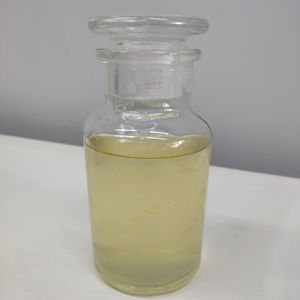
Nga Whakapiri Raima Maamaa | Nga Kaipupuhi Hukarere Mahinga Nui mo te Raima Pukoro


NGA TAATA HUA
Whakaahuatanga
Overview of Sodium Thiocyanate Concrete Admixture as Antifreeze Agent for Concrete in Subzero Temperatures
Sodium Thiocyanate Concrete Admixture as Antifreeze Agent for Concrete in Subzero Temperatures is chemical compounds added to concrete mixtures to improve various properties of the material, penei i te kaha mahi, kaha, mauroa, me te wa whakaora. Ko enei taapiri kei roto ko nga plasticizers, hunga whakamuri, kaiwhakatere, nga kaihoko parewai, me nga taputapu whakauru hau, i hangaia ia ki te whakatutuki i nga hiahia motuhake mo te hanga raima. Ka whakamahia nga taapiri raima i roto i nga mahi umanga me nga whare noho, me te hanga o te raima tomua me te raima kua rite. Ma te whakarei ake i te mahi me te kounga o te raima, Ko enei taapiri ka awhina i te whakapai ake i te pai o nga kaupapa hangahanga me te whakarite i te mauroa me te roa o te hanganga kua oti.. He ngawari ki te whakauru ki roto i te ranunga me te whakarato i nga otinga utu-utu mo te arotau i nga rawa raima i roto i te whānuitanga o nga tono..
Characteristics of Sodium Thiocyanate Concrete Admixture as Antifreeze Agent for Concrete in Subzero Temperatures
Whakanuia te Kaha: Ka taea e nga taapiri raima te whakanui ake i te kaha o te raima, kia kaha ake ki te pehanga me te ahotea. Ma tenei ka whakarite te roa me te mau tonu o nga hanganga, te whakaiti i te tupono ka pakaru, ka kore ranei.
Kua Pai ake te Mahi: Ko nga taapiri penei i te plasticizers me te superplasticizers ka pai ake te rere me te rite o te raima, kia ngawari ake te whakahaere, ringihia, ka mutu. Ko tenei ka whakanui ake i nga hua i runga i te waahi hanga me te whakaiti i nga utu mahi.
Te Whakaora Tere: Kaiwhakatere, he momo taapiri raima, ka awhina i te tere o te mahi whakaora, kia tere ake te whakarite i nga waa me te whakaoti tere o nga kaupapa. He tino whai hua tenei i te rangi makariri, i te wa e tere haere ana nga waahi hangahanga.
Whakanuia te Maamaa: He maha nga taapiri, penei i nga apiha whakaheke wai me nga puhui parewai, whakanui ake i te parenga o te raima ki nga ahuatanga kino o te taiao penei i nga huringa huka-rewa, urunga wai, me te rongo matū, te whakarite mahi mo te wa roa.
He pai ake te whakapiri me te hono: Ko etahi taapiri hei whakapai ake i te hononga i waenga i te raima me etahi atu rawa, penei i te whakakaha i te rino, i te whakahiato ranei, te whakarei ake i te mana o te hanganga me te whakaiti i te tupono o te delamination, te wehenga ranei.
Te Maamaa mo nga momo tono: Ko nga taapiri raima he tino whai kiko, ka taea te whakamahi i roto i te whānuitanga o nga tono, mai i nga whare noho ki nga kaupapa hanganga nunui. I hangaia hei whakatutuki i nga hiahia motuhake penei i te raima kaha teitei, raima whakatiki whaiaro, raima roa ranei mo nga ahuatanga tino kino.
Utu-He pai: Ma te whakapai ake i te kounga me te mahi o te raima, ka whakaitihia e nga taapiri te hiahia mo etahi atu tiaki me te whakatikatika, e arahi ana ki te penapena utu nui mo te wa roa. I tua atu, ka awhina ratou ki te arotau i te hoahoa ranunga, te whakaiti i te ururua rawa.
Taiao: He maha nga taapiri raima hou kua hangaia me nga kai-taiao, ko te whai waahi ki nga mahi hanga toi tonu. Ka awhina enei taapiri ki te whakaiti i te tapuwae waro me te whakapai ake i nga mahi taiao o te raima.
Whakarei Whakamutu Mata: Ka taea e nga taapiri penei i te hau-entraining agents te whakapai ake i te otinga me te ahua o te raima ma te aukati i nga hapa penei i te pakaru., honikoma, te puehu mata ranei, te whakarite kia maeneene, mata ngaio-koeke.

Specification of Sodium Thiocyanate Concrete Admixture as Antifreeze Agent for Concrete in Subzero Temperatures
Sodium Thiocyanate Concrete Admixture– Antifreeze Representative for Subzero Conditions
Kupu Whakataki
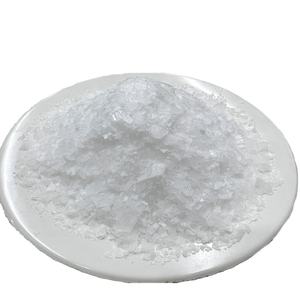
Sodium thiocyanate is a white crystalline powder utilized as an antifreeze admixture in concrete. It aids concrete collection and gain toughness even when temperature levels go down below cold. This item is perfect for winter construction where winter slows or quits normal concrete hydration.
Painga Tinihanga
Speeds up early stamina growth. Sodium thiocyanate accelerate the chain reaction between cement and water. This permits concrete to solidify quicker in chilly conditions.
Stops cold damage. By lowering the cold factor of mix water, it lowers the threat of ice development inside fresh concrete. Ice can weaken the structure if it creates prior to the concrete sets.
He ngawari ki te whakamahi. The powder dissolves swiftly in blending water. It blends uniformly right into the concrete set without special devices.
Utu-whai hua. Compared to other antifreeze agents, salt thiocyanate supplies solid efficiency at a lower expense per cubic meter of concrete.
Tohu Hangarau
– Te ahua: White to off-white crystalline powder
– Te parakore: Te iti rawa 98% salt thiocyanate (NaSCN).
– Wairewa: Highly soluble in water whatsoever common blending temperature levels.
– Inenga: Typically 1– 2% i te taimaha o te sima, depending on ambient temperature and task requirements.
– pH (10% ratonga): 5.5– 7.5.
– Rokiroki: Maintain in a completely dry, awesome area in sealed containers to prevent wetness absorption.
Paerewa Whakamahi
Add sodium thiocyanate straight to the mixing water before incorporating with concrete and accumulations. Make certain thorough blending for a minimum of two minutes to accomplish uniform distribution. Always adhere to neighborhood building codes and perform trial batches under actual job-site problems. Do not make use of in prestressed concrete or where galvanized steel is present, as thiocyanate ions may influence metal elements.
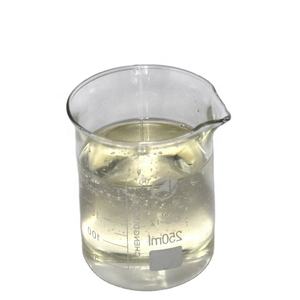
Applications of Sodium Thiocyanate Concrete Admixture as Antifreeze Agent for Concrete in Subzero Temperatures
Applications of Sodium Thiocyanate Concrete Admixture as Antifreeze Agent for Concrete in Subzero Temperatures
Why Utilize an Antifreeze Admixture?
Concrete demands water to harden. When temperature levels go down below freezing, that water transforms to ice. Ice stops the concrete from reacting appropriately. Ka ngoikore tenei i te hanganga whakamutunga. To avoid this trouble, builders include antifreeze admixtures like sodium thiocyanate.
How Sodium Thiocyanate Works
Sodium thiocyanate reduces the freezing factor of water in fresh concrete. This maintains the mix liquid even when it is very cold outside. The chemical also speeds up early cement hydration. That suggests the concrete gains strength faster throughout the very first few hours. This very early stamina helps the product stand up to damages from freezing.
Kei hea te whakamahi
This admixture prevails in areas with long, rough winter seasons. Road staffs use it when fixing freeways in winter season. Contractors rely upon it for putting structures, papa taiepa, or slabs when outdoor temperatures fall below 0 ° C (32 ° F). It is likewise useful for emergency fixings where work can not await warmer climate.
Nga Tikanga Matua
Salt thiocyanate provides dependable performance in cold conditions. It does not damage the long-term strength of concrete if used at the best dose. The admixture mixes quickly right into common concrete sets. It works well with various other typical additives like air-entraining representatives. Ko te mea nui, it assists prevent delays and costly rework triggered by icy puts.
Te Whakahaere me te Haumarutanga
Always comply with safety and security guidelines when dealing with salt thiocyanate. Use handwear covers and eye protection. Store the item in a dry location far from dampness. Usage just the amount advised by the supplier. Way too much can cause fast setting or reduce workability. Appropriate application ensures strong, sturdy concrete also in subzero weather condition.
Kōtaha Kamupene
Ko matou te kaihautu o te ao mo nga raima maamaa me nga otinga pahuka i hangaia. E mohiotia ana puta noa i te ao mo tana pono ki te rangahau, auahatanga, me te tohungatanga tono, kua whakaratohia e matou he otinga pahuka i hangaia mai i te timatanga o te tau 2012.
Ka taea e matou te whakarato i te whakauru raima kounga teitei me nga hua e pa ana ki te raima pahuka puta noa i te ao.
Ko te kamupene he tari hangarau ngaio me te tari tirotiro kounga, he taiwhanga pai rawa atu, me nga taputapu whakamatautau matatau me te pokapū ratonga kaihoko muri-hoko.
Mena kei te hiahia koe, tēnā koa whakapā mai ki a mātou.
Utu
T/T, Western Union, Paypal, Kaari nama etc.
Tukunga
Ma te hau, ma te moana, mā te whakapuaki, kia rite ki te tono a nga kaihoko.
5 FAQs of Sodium Thiocyanate Concrete Admixture as Antifreeze Agent for Concrete in Subzero Temperatures
Pātai Auau: Sodium Thiocyanate as an Antifreeze Admixture for Concrete
What is sodium thiocyanate used for in concrete?
Sodium thiocyanate works as an antifreeze agent in concrete. It helps the mix stay workable and set properly when temperatures drop below freezing. This additive speeds up early cement hydration, so concrete gains strength faster even in cold weather.
Is sodium thiocyanate safe to use in construction?
Ae, ina whakamahia tika. Follow the recommended dosage and safety guidelines. Mau karapu me te whakamarumaru kanohi i te wa e whakahaere ana. Whakaorangia ki te maroke, cool place away from children and food. Always check local regulations before use.
How much sodium thiocyanate should be added to concrete?
Ko te inenga angamaheni awhe i 1% ki 2% i te taimaha o te sima. The exact amount depends on how cold it is and the type of cement you use. Too much can cause rapid setting or weaken the final product. Me whakahaere i nga wa katoa he puranga whakamatautau iti i te tuatahi.
Can sodium thiocyanate replace other antifreeze admixtures?
It can work well on its own in many cases. But sometimes it is mixed with other chemicals like calcium nitrate for better results. Talk to your supplier or engineer to find the best solution for your project conditions.
Does sodium thiocyanate affect long-term concrete strength?
Ina whakamahia i te horopeta tika, it does not harm long-term strength. Ina hoki, it helps concrete reach early strength faster, which protects it from freeze damage. Overuse may lead to lower durability, no reira kia mau ki te nui e taunaki ana.
TONO HE KORERO
HUA HUA
Graphene Oxide Nanopowder Concrete Admixture for High Durable Concrete in Agressive Environments
Konupora Chloride Whakakotahitanga Raima hei Whakatere mo te Whakanoho Tere Raima i roto i te Hanga
Te Waahanga Raima PVA Fiber mo nga Rauemi Whakatikatika Sima me nga Whakakikorua
He Kaihoko Tuku Maamaa I Te Wai mo te Waahanga Raima Tino Mahinga Tino Hoahoa Ko te Rahui Raima Kore Toxic
High Viscosity HPMC Concrete Admixture for Gypsum Plaster with High Water Retention