


Lightweight Nja Additives | Awọn aṣoju Fọmu Iṣe-giga fun Nja Cellular


Ọja parameters
Apejuwe
Overview of Sodium Thiocyanate Concrete Admixture as Antifreeze Agent for Concrete in Subzero Temperatures
Sodium Thiocyanate Concrete Admixture as Antifreeze Agent for Concrete in Subzero Temperatures is chemical compounds added to concrete mixtures to improve various properties of the material, gẹgẹ bi awọn workability, agbara, agbara, ati akoko imularada. Awọn afikun wọnyi pẹlu awọn ṣiṣu ṣiṣu, retarders, accelerators, waterproofing òjíṣẹ, ati awọn aṣoju ti nmu afẹfẹ, kọọkan ti a ṣe lati pade awọn iwulo pataki ni iṣelọpọ nja. Awọn afikun ohun elo ni a lo nigbagbogbo ni iṣowo ati ikole ibugbe, bi daradara bi ni isejade ti precast ati setan-mix nja. Nipa imudara iṣẹ ati didara ti nja, awọn afikun wọnyi ṣe iranlọwọ mu ilọsiwaju gbogbogbo ti awọn iṣẹ akanṣe ikole lakoko ṣiṣe aridaju agbara ati gigun ti eto ti pari. Wọn rọrun lati ṣafikun sinu apopọ ati pese awọn solusan iye owo-doko fun iṣapeye awọn ohun-ini nja ni ọpọlọpọ awọn ohun elo..
Characteristics of Sodium Thiocyanate Concrete Admixture as Antifreeze Agent for Concrete in Subzero Temperatures
Imudara Agbara: Nja additives le significantly mu awọn compressive agbara ti nja, ṣiṣe awọn ti o siwaju sii resilient si titẹ ati wahala. Eyi ṣe idaniloju gigun ati agbara ti awọn ẹya, dinku o ṣeeṣe ti fifọ tabi ikuna.
Imudara Iṣẹ-ṣiṣe: Awọn afikun gẹgẹbi awọn ṣiṣu ṣiṣu ati awọn superplasticizers ṣe ilọsiwaju ṣiṣan ati aitasera ti nja, ṣiṣe awọn ti o rọrun lati mu, tú, ati pari. Eyi ṣe alekun iṣelọpọ lori aaye ikole ati dinku awọn idiyele iṣẹ.
Yiyara Curing: Awọn accelerators, a iru nja aropo, ṣe iranlọwọ ni iyara ilana imularada, gbigba fun awọn akoko eto iyara ati ipari awọn iṣẹ akanṣe. Eyi jẹ iwulo paapaa ni oju ojo tutu tabi nigbati awọn akoko ikole ṣiṣe iyara-yara.
Agbara Ilọsiwaju: Ọpọlọpọ awọn afikun, bii awọn aṣoju ti n dinku omi ati awọn agbo ogun omi, mu awọn resistance ti nja to simi ayika awọn ipo bi di-thaw iyika, omi ingress, ati ifihan kemikali, aridaju gun-igba iṣẹ.
Dara Adhesion ati imora: Awọn afikun kan mu ilọsiwaju pọ si laarin kọnja ati awọn ohun elo miiran, gẹgẹ bi awọn fikun irin tabi aggregates, igbelaruge awọn ìwò igbekale iyege ati atehinwa awọn anfani ti delamination tabi Iyapa.
Versatility fun Orisirisi Awọn ohun elo: Nja additives ni o wa gíga wapọ ati ki o le ṣee lo ni kan jakejado ibiti o ti ohun elo, lati awọn ile ibugbe si awọn iṣẹ amayederun nla. Wọn ti ṣe agbekalẹ lati pade awọn iwulo kan pato gẹgẹbi kọnkiti agbara-giga, ara-compacting nja, tabi ti o tọ nja fun awọn iwọn ipo.
Iye-daradara: Nipa imudarasi didara ati iṣẹ ti nja, awọn afikun dinku iwulo fun itọju afikun ati awọn atunṣe, yori si pataki iye owo ifowopamọ ninu oro gun. Ni afikun, wọn ṣe iranlọwọ lati mu apẹrẹ idapọpọ pọ, idinku ohun elo egbin.
Ore Ayika: Ọpọlọpọ awọn afikun nja ode oni ni a ṣe agbekalẹ pẹlu awọn eroja ore-aye, idasi si siwaju sii alagbero ikole ise. Awọn afikun wọnyi ṣe iranlọwọ lati dinku ifẹsẹtẹ erogba ati ilọsiwaju iṣẹ ayika ti kọnja.
Ipari Ilẹ Imudara: Awọn afikun bi awọn aṣoju ti n ṣe afẹfẹ afẹfẹ le mu ilọsiwaju ati irisi ti nja pọ si nipa idilọwọ awọn abawọn bi fifọ, oyin, tabi dada eruku, aridaju a dan, ọjọgbọn-ite dada.

Specification of Sodium Thiocyanate Concrete Admixture as Antifreeze Agent for Concrete in Subzero Temperatures
Sodium Thiocyanate Adalupọ Nja– Antifreeze Representative for Subzero Conditions
Ọrọ Iṣaaju
Sodium thiocyanate is a white crystalline powder utilized as an antifreeze admixture in concrete. It aids concrete collection and gain toughness even when temperature levels go down below cold. This item is perfect for winter construction where winter slows or quits normal concrete hydration.
Awọn anfani ẹtan
Speeds up early stamina growth. Sodium thiocyanate accelerate the chain reaction between cement and water. This permits concrete to solidify quicker in chilly conditions.
Stops cold damage. By lowering the cold factor of mix water, it lowers the threat of ice development inside fresh concrete. Ice can weaken the structure if it creates prior to the concrete sets.
Rọrun lati lo. The powder dissolves swiftly in blending water. It blends uniformly right into the concrete set without special devices.
Iye owo-doko. Compared to other antifreeze agents, salt thiocyanate supplies solid efficiency at a lower expense per cubic meter of concrete.
Imọ lẹkunrẹrẹ
– Ifarahan: Funfun si pa-funfun kristali lulú
– Mimo: O kere ju 98% salt thiocyanate (NaSCN).
– Solubility: Highly soluble in water whatsoever common blending temperature levels.
– Iwọn lilo: Typically 1– 2% nipa iwuwo ti simenti, depending on ambient temperature and task requirements.
– pH (10% iṣẹ): 5.5– 7.5.
– Ibi ipamọ: Maintain in a completely dry, awesome area in sealed containers to prevent wetness absorption.
Awọn Ilana Lilo
Add sodium thiocyanate straight to the mixing water before incorporating with concrete and accumulations. Make certain thorough blending for a minimum of two minutes to accomplish uniform distribution. Always adhere to neighborhood building codes and perform trial batches under actual job-site problems. Do not make use of in prestressed concrete or where galvanized steel is present, as thiocyanate ions may influence metal elements.
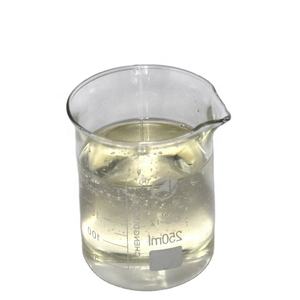
Applications of Sodium Thiocyanate Concrete Admixture as Antifreeze Agent for Concrete in Subzero Temperatures
Applications of Sodium Thiocyanate Concrete Admixture as Antifreeze Agent for Concrete in Subzero Temperatures
Why Utilize an Antifreeze Admixture?
Concrete demands water to harden. When temperature levels go down below freezing, that water transforms to ice. Ice stops the concrete from reacting appropriately. This weakens the final structure. To avoid this trouble, builders include antifreeze admixtures like sodium thiocyanate.
How Sodium Thiocyanate Works
Sodium thiocyanate reduces the freezing factor of water in fresh concrete. This maintains the mix liquid even when it is very cold outside. The chemical also speeds up early cement hydration. That suggests the concrete gains strength faster throughout the very first few hours. This very early stamina helps the product stand up to damages from freezing.
Ibi ti o ti wa ni lilo ti
This admixture prevails in areas with long, rough winter seasons. Road staffs use it when fixing freeways in winter season. Contractors rely upon it for putting structures, odi roboto, or slabs when outdoor temperatures fall below 0 ° C (32 ° F). It is likewise useful for emergency fixings where work can not await warmer climate.
Awọn irọrun bọtini
Salt thiocyanate provides dependable performance in cold conditions. It does not damage the long-term strength of concrete if used at the best dose. The admixture mixes quickly right into common concrete sets. It works well with various other typical additives like air-entraining representatives. Most importantly, it assists prevent delays and costly rework triggered by icy puts.
Mimu ati Aabo
Always comply with safety and security guidelines when dealing with salt thiocyanate. Use handwear covers and eye protection. Store the item in a dry location far from dampness. Usage just the amount advised by the supplier. Way too much can cause fast setting or reduce workability. Appropriate application ensures strong, sturdy concrete also in subzero weather condition.
Ifihan ile ibi ise
A jẹ oludari agbaye ni nja iwuwo fẹẹrẹ ati awọn solusan foomu ti ilọsiwaju. Ti a mọ ni agbaye fun ifaramo rẹ si iwadii, imotuntun, ati ki o loo ĭrìrĭ, a ti n pese awọn solusan foomu ti a ṣe atunṣe lati ibẹrẹ 2012's.
A le pese admixture nja to gaju ati awọn ọja ti o ni ibatan foomu ni gbogbo agbaye.
Ile-iṣẹ naa ni ẹka imọ-ẹrọ ọjọgbọn ati ẹka abojuto didara, yàrá ti o ni ipese daradara, ati ipese pẹlu to ti ni ilọsiwaju igbeyewo ẹrọ ati lẹhin-tita onibara iṣẹ aarin.
Ti o ba nife, jọwọ lero free ati ki o kan si wa.
Isanwo
T/T, Western Union, Paypal, Kaadi Kirẹditi ati bẹbẹ lọ.
Gbigbe
Nipa afẹfẹ, nipa okun, nipa kiakia, bi awọn onibara beere.
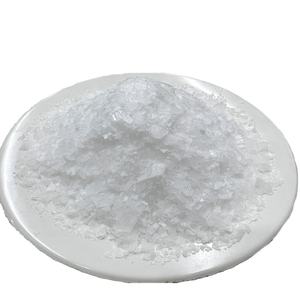
5 FAQs of Sodium Thiocyanate Concrete Admixture as Antifreeze Agent for Concrete in Subzero Temperatures
Awọn ibeere Nigbagbogbo: Sodium Thiocyanate as an Antifreeze Admixture for Concrete
Kini sodium thiocyanate ti a lo fun ni nja?
Sodium thiocyanate works as an antifreeze agent in concrete. It helps the mix stay workable and set properly when temperatures drop below freezing. This additive speeds up early cement hydration, so concrete gains strength faster even in cold weather.
Is sodium thiocyanate safe to use in construction?
Bẹẹni, nigba ti lo bi o ti tọ. Follow the recommended dosage and safety guidelines. Wọ awọn ibọwọ ati aabo oju lakoko mimu. Tọju o ni kan gbẹ, cool place away from children and food. Always check local regulations before use.
How much sodium thiocyanate should be added to concrete?
Awọn aṣoju doseji awọn sakani lati 1% si 2% nipa iwuwo ti simenti. The exact amount depends on how cold it is and the type of cement you use. Too much can cause rapid setting or weaken the final product. Nigbagbogbo ṣiṣe ipele idanwo kekere ni akọkọ.
Can sodium thiocyanate replace other antifreeze admixtures?
It can work well on its own in many cases. But sometimes it is mixed with other chemicals like calcium nitrate for better results. Talk to your supplier or engineer to find the best solution for your project conditions.
Does sodium thiocyanate affect long-term concrete strength?
Nigbati o ba lo ni iwọn lilo to tọ, it does not harm long-term strength. Ni pato, it helps concrete reach early strength faster, which protects it from freeze damage. Overuse may lead to lower durability, ki Stick si awọn niyanju iye.
BERE ORO
Awọn ọja ti o jọmọ
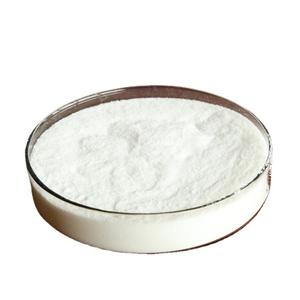
Concrete Admixture RDP Powder for Exterior Thermal Insulation Composite System ETICS

Powder PCE Admixture Concrete fun Amọ Imudara Ti ara ẹni pẹlu Sisan Ga ati Iduroṣinṣin

Iṣuusu Lignosulfonate Nja Admixture bi Plasticizer fun Nja ati Amọ
Admixture Concrete Oxide Graphene fun Itọju Giga ati Resistance Ipata ni Nkan

Idapo Nja Silica Fume fun Nja Iṣe to gaju ni Awọn Ayika ibinu
