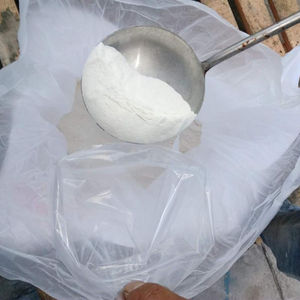
Nga Whakapiri Raima Maamaa | Nga Kaipupuhi Hukarere Mahinga Nui mo te Raima Pukoro


NGA TAATA HUA
Whakaahuatanga
Introduction to Industrial Grade Hydroxypropyl Methyl Cellulose HPMC for Tile Adhesive
Hydroxypropyl Methylcellulose (HPMC), ko tona ingoa Hainamana ko te hydroxypropyl methylcellulose, he mea hangarua, Ko te etera cellulose kore katote i whiwhi ma te whakarereke matū i te cellulose taiao. Ka taea e tenei paura ma te hanga i te wairewa maamaa marama i muri i te rewa ki te wai. He tino pai te matotoru, pupuri wai, pūmautanga me ngā āhuatanga hanga kiriata. He taapiri taapiri tino nui i roto i nga waahanga maha penei i te hanga.
Characteristics and advantages of Industrial Grade Hydroxypropyl Methyl Cellulose HPMC for Tile Adhesive
Te wairewa tino pai: Ka tere te memeha i roto i te wai matao kia puta he otinga maamaa me te pumau.
Te kaha ki te whakamaroke me te pupuri wai: Whakanuia te viscosity o te rauemi, pai te whakaiti i te whakaetonga wai, me te whakapai ake i te pai o te mahi.
He pai te pumau: He pai te pumau ki nga waikawa, kawakore, me nga tote, a he pai mo te whānuitanga o nga uara pH.
Te hanga kiriata me nga paanga whakamarumaru: I muri i te whakamaroke, hanga he kiriata uaua me te marama ki te tiaki i te tïpako me te aukati i te kuhu o te wai me te whakaetonga.
Kore paitini me te kore whakapouri: He pai te koiora me te pai mo nga mara rongoa me te kai.
Te whakatikatika: Ma te huri i te tohu whakakapinga me te taumaha ngota, ka taea te whakatika i tana mahi ki te whakatutuki i nga whakaritenga tono rereke.

Specifications of Industrial Grade Hydroxypropyl Methyl Cellulose HPMC for Tile Adhesive
Koeke Ahumahi Hydroxypropyl Methyl Cellulose (HPMC) mo te Tile Adhesive
Tohunga Matua
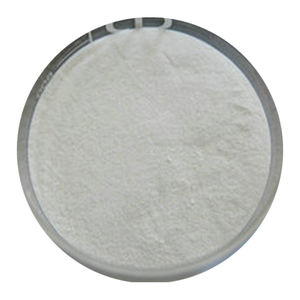
Te ahua: Ma te ma ki te paura rere-kore-kore, odorless and safe.
Poneke: Awhe mai 15,000 ki 100,000 mPa · s (i whanganga i 2% kōwhiringa, 20 ° C). Customized viscosity qualities are readily available based on application needs.
Rauemi Hydroxypropyl: 4%– 12% ma te taumaha. This guarantees great water retention and workability in floor tile adhesives.
Rauemi Methoxyl: 19%– 30% ma te taumaha. Helps control setup time and enhances bond toughness.
Makuku Ihirangi Tukutuku: Max 5%. Low dampness avoids clumping and sustains regular efficiency during storage and blending.
pH Uinga: 6.0– 8.0 i roto i te a 2% rongoa wai. Neutral pH stays clear of undesirable reactions with other sticky elements.
Rauemi pungarehu: Kaua e nui ake 5%. Reduced ash web content indicates high pureness and fewer pollutants.
Ahu Matūriki: Passes through an 80-mesh sieve (≥ 98%). Fine fragment dimension promotes quick dissolution and uniform diffusion in dry-mix formulas.
Efficiency Perks in Floor Tile Adhesive
This HPMC grade delivers solid water retention. That keeps concrete effectively moistened throughout healing. Great water retention indicates far better bond stamina and minimized danger of ceramic tile slippage.
The product dissolves conveniently in cool water. Ka hangaia he maamaa, otinga pumau kaore he kapia. This makes blending straightforward and consistent on-site.
HPMC likewise enhances workability. Workers can spread the adhesive efficiently over huge locations. Open time is expanded, offering installers extra adaptability during positioning.
It boosts droop resistance on vertical surface areas. Ceramic tiles remain in location without moving down before the sticky collections.
Storage security is excellent. The powder stays free-flowing under normal dry conditions. Service life is at the very least 12 months when maintained secured in an amazing, wāhi maroke rawa.
Ka tutuki nga huinga katoa ki nga paerewa whakapumautanga kounga. Regular efficiency batch after batch supports reliable results in industrial and household tiling projects.
Applications of Industrial Grade Hydroxypropyl Methyl Cellulose HPMC for Tile Adhesive
Industrial-Grade HPMC in Tile Adhesive Formulations
Enhanced Workability and Open Time
Hydroxypropyl methyl cellulose (HPMC) is a vital component in contemporary floor tile adhesives. He maeneene te ranunga, hanganga ngawari ki te horahia. Workers can use the adhesive uniformly without it drying also quickly. This prolonged open time allows installers readjust floor tile positions for far better placement and surface.
More Powerful Bond and Decreased Sag
HPMC assists the adhesive stick strongly to both the wall and the ceramic tile. It avoids floor tiles from gliding down upright surface areas during treating. This anti-sag home is especially vital for big or hefty ceramic tiles. The outcome is a safe and secure bond that holds over time, even under stress or altering temperatures.
Water Retention for Total Treating
Cement-based adhesives require water to cure appropriately. Industrial-grade HPMC secure dampness so the cement moistens completely. Kore rawa te pupuri wai, the adhesive may fracture or lose toughness. HPMC guarantees constant performance across different climate condition and substrate kinds.
Consistent Performance Across Batches
High-purity HPMC supplies reputable thickness and security. This indicates every set of floor tile sticky performs the same way. Specialists obtain predictable outcomes work after work. There are less callbacks or rework issues because of irregular attachment or setting habits.
Compatibility with Additives
Tile adhesives typically include various other chemicals like redispersible powders or plasticizers. Industrial HPMC blends well with these additives. It does not interfere with their function. Engari, it sustains overall formula equilibrium and final product quality.
Producers choose industrial-grade HPMC because it supplies real-world benefits on duty website. From less complicated application to long-term resilience, HPMC makes tile installment much faster, kaihoroi, me te tino pono.
Kōtaha Kamupene
Ko matou te kaihautu o te ao mo nga raima maamaa me nga otinga pahuka i hangaia. E mohiotia ana puta noa i te ao mo tana pono ki te rangahau, auahatanga, me te tohungatanga tono, kua whakaratohia e matou he otinga pahuka i hangaia mai i te timatanga o te tau 2012.
Ka taea e matou te whakarato i te whakauru raima kounga teitei me nga hua e pa ana ki te raima pahuka puta noa i te ao.
Ko te kamupene he tari hangarau ngaio me te tari tirotiro kounga, he taiwhanga pai rawa atu, me nga taputapu whakamatautau matatau me te pokapū ratonga kaihoko muri-hoko.
Mena kei te hiahia koe, tēnā koa whakapā mai ki a mātou.
Utu
T/T, Western Union, Paypal, Kaari nama etc.
Tukunga
Ma te hau, ma te moana, mā te whakapuaki, kia rite ki te tono a nga kaihoko.

5 FAQs of Industrial Grade Hydroxypropyl Methyl Cellulose HPMC for Tile Adhesive
Frequently Asked Questions About Industrial Grade HPMC for Tile Adhesive
He aha te HPMC me te aha i whakamahia ai i roto i te whakapiri tira?
Ko te HPMC te tu mo Hydroxypropyl Methyl Cellulose. It is a water-soluble polymer added to tile adhesives. Ko te HPMC te whakapai ake i te mahi, pupuri wai, me te wa tuwhera. This helps the adhesive stay wet longer so tiles bond better to walls or floors.
How does HPMC affect the performance of tile adhesive?
HPMC keeps water in the mix during curing. Ko te pai o te pupuri i te wai ko te tikanga o te hydrates sima. Ma tenei ka kaha ake nga here me te iti ake o nga kapiti. HPMC also makes the paste smoother and easier to spread with a trowel.
Can I use any grade of HPMC in tile adhesive?
Kao. Only industrial-grade HPMC designed for construction should be used. Lower grades may not offer enough viscosity or water retention. Always choose HPMC with the right substitution level and particle size for tile applications.
What happens if too much HPMC is added?
Adding too much HPMC slows down drying time too much. The adhesive may stay soft for days. It can also reduce early strength and cause sag on vertical surfaces. Follow the manufacturer’s dosage—usually 0.2% ki 0.5% i te taumaha o te ranunga maroke katoa.
Does HPMC work well in all climates?
HPMC performs well in most conditions but needs adjustment in extreme heat or cold. I te rangi wera, higher-viscosity HPMC helps retain water longer. I te rangi makariri, lower-viscosity types prevent thickening. Always test your formula under real job-site conditions.
TONO HE KORERO
HUA HUA

Hydroxypropyl Methyl Cellulose HPMC K100M Cellulose Ether 200000 CPS Ready Cargo Look for Distributors Equal to Walocel
Hpmc Food Grade Chemicals / Hydroxypropyl Methylcellulose Hpmc / Paura Hpmc Whakatata

Hydroxypropyl Methyl Cellulose/HPMC

CERAMIC Rauemi Tohu Ahumahi Hydroxyethyl Methyl Cellulose Etera Hydroxypropyl Methyl Cellulose HPMC

Factory Direct Hydroxypropyl Methyl Cellulose HPMC 200000 CPS mo te Hanga Tile Binder