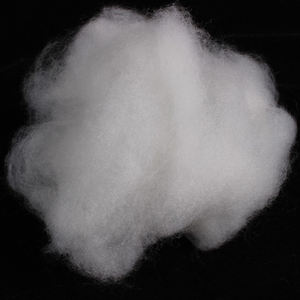
Nā Pākuʻi Paʻa Māmā | Nā ʻĀpana Hoʻohuʻi Kiʻekiʻe no ka Kelepona Kelepona


NA PALAPALA HUA
wehewehe
Introduction to Industrial Grade Hydroxypropyl Methyl Cellulose HPMC for Tile Adhesive
Hydroxypropyl Methylcellulose (HPMC), nona ka inoa Pake he hydroxypropyl methylcellulose, he semi-synthetic, non-ionic cellulose ether i loaʻa ma ke kemika hoʻololi ʻana i ka cellulose kūlohelohe. Hiki i kēia pauka keʻokeʻo ke hana i kahi hopena viscous akaka ma hope o ka hoʻoheheʻe ʻana i ka wai. He mānoanoa maikaʻi loa, paʻa wai, paʻa a me nā waiwai hana kiʻiʻoniʻoni. He mea hoʻohui multifunctional indispensable i nā kula he nui e like me ke kūkulu ʻana.
Characteristics and advantages of Industrial Grade Hydroxypropyl Methyl Cellulose HPMC for Tile Adhesive
Hiki ke hoʻoheheʻe wai: Hiki ke hoʻoheheʻe koke ʻia i loko o ka wai anuanu e hana i kahi hopena akaka a paʻa.
Hiki i ka mānoanoa a me ka mālama wai: E hoʻonui i ka viscosity o ka mea, e hoemi pono i ka wai, a hoʻomaikaʻi maikaʻi i ka hana.
Paʻa maikaʻi: Loaʻa iā ia ke kūpaʻa maikaʻi i nā waikawa, alkalis, a me nā paʻakai, a he kūpono ia no ka nui o nā waiwai pH.
Nā hopena kiʻiʻoniʻoni a me ka pale: Ma hope o ka maloʻo ʻana, hana ia i kahi kiʻiʻoniʻoni paʻakikī a maopopo e pale i ka substrate a pale i ke komo ʻana o ka wai a me ka evaporation.
ʻAʻohe mea ʻawaʻawa a me ka hoʻonāukiuki ʻole: Loaʻa iā ia ka biocompatibility maikaʻi a kūpono i nā ʻano lāʻau lapaʻau a me nā meaʻai.
Hoʻoponopono: Ma ka hoʻololi ʻana i ke degere o ka hoʻololi ʻana a me ke kaumaha molekala, hiki ke hoʻololi i kāna hana e hoʻokō i nā koi noi like ʻole.

Specifications of Industrial Grade Hydroxypropyl Methyl Cellulose HPMC for Tile Adhesive
Industrial Grade Hydroxypropyl Methyl Cellulose (HPMC) no ke Kile Adhesive
Kiʻi kikoʻī
Ka nana aku: Keʻokeʻo a keʻokeʻo keʻokeʻo keʻokeʻo ka pauda kahe ʻole, odorless and safe.
ʻO ka viscosity: Nā pae mai 15,000 i 100,000 mPa · s (ana ma 2% koho, 20 ° C). Customized viscosity qualities are readily available based on application needs.
Hydroxypropyl Material: 4%– 12% ma ke kaumaha. This guarantees great water retention and workability in floor tile adhesives.
Mea Methoxyl: 19%– 30% ma ke kaumaha. Helps control setup time and enhances bond toughness.
Moisture Web Content: Max 5%. Low dampness avoids clumping and sustains regular efficiency during storage and blending.
pH Pono: 6.0– 8.0 ma kahi 2% laau lapaau wai. Neutral pH stays clear of undesirable reactions with other sticky elements.
Mea Lehu: ʻAʻole ʻoi aku ma mua o 5%. Reduced ash web content indicates high pureness and fewer pollutants.
ʻĀpana ʻāpana: Passes through an 80-mesh sieve (≥ 98%). Fine fragment dimension promotes quick dissolution and uniform diffusion in dry-mix formulas.
Efficiency Perks in Floor Tile Adhesive
This HPMC grade delivers solid water retention. That keeps concrete effectively moistened throughout healing. Great water retention indicates far better bond stamina and minimized danger of ceramic tile slippage.
The product dissolves conveniently in cool water. Hoʻokumu ia i kahi maopopo, steady solution without lumps. This makes blending straightforward and consistent on-site.
HPMC likewise enhances workability. Workers can spread the adhesive efficiently over huge locations. Open time is expanded, offering installers extra adaptability during positioning.
It boosts droop resistance on vertical surface areas. Ceramic tiles remain in location without moving down before the sticky collections.
Storage security is excellent. The powder stays free-flowing under normal dry conditions. Service life is at the very least 12 months when maintained secured in an amazing, wahi maloʻo loa.
All sets satisfy stringent quality assurance standards. Regular efficiency batch after batch supports reliable results in industrial and household tiling projects.
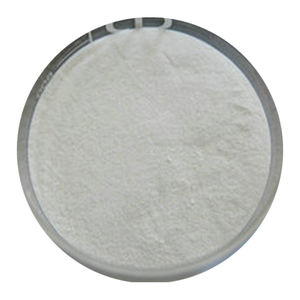
Applications of Industrial Grade Hydroxypropyl Methyl Cellulose HPMC for Tile Adhesive
Industrial-Grade HPMC in Tile Adhesive Formulations
Enhanced Workability and Open Time
Hydroxypropyl methyl cellulose (HPMC) is a vital component in contemporary floor tile adhesives. It gives the mix a smooth, hale hoʻolaha maʻalahi. Workers can use the adhesive uniformly without it drying also quickly. This prolonged open time allows installers readjust floor tile positions for far better placement and surface.
More Powerful Bond and Decreased Sag
HPMC assists the adhesive stick strongly to both the wall and the ceramic tile. It avoids floor tiles from gliding down upright surface areas during treating. This anti-sag home is especially vital for big or hefty ceramic tiles. The outcome is a safe and secure bond that holds over time, even under stress or altering temperatures.
Water Retention for Total Treating
Cement-based adhesives require water to cure appropriately. Industrial-grade HPMC secure dampness so the cement moistens completely. Me ka lawa ʻole o ka mālama ʻana i ka wai, the adhesive may fracture or lose toughness. HPMC guarantees constant performance across different climate condition and substrate kinds.
Consistent Performance Across Batches
High-purity HPMC supplies reputable thickness and security. This indicates every set of floor tile sticky performs the same way. Specialists obtain predictable outcomes work after work. There are less callbacks or rework issues because of irregular attachment or setting habits.
Compatibility with Additives
Tile adhesives typically include various other chemicals like redispersible powders or plasticizers. Industrial HPMC blends well with these additives. It does not interfere with their function. aka, it sustains overall formula equilibrium and final product quality.
Producers choose industrial-grade HPMC because it supplies real-world benefits on duty website. From less complicated application to long-term resilience, HPMC makes tile installment much faster, mea hoomaemae, and extra reliable.
ʻO ka moʻolelo o ka hui
ʻO mākou ke alakaʻi o ka honua i nā ʻenehana māmā a me nā hoʻonā ʻenehana i hana ʻia. ʻIke ʻia ma ka honua holoʻokoʻa no kāna kūpaʻa i ka noiʻi, mea hou, a me ka ʻike noiʻi, ke hāʻawi nei mākou i nā hoʻonā ʻenehana i hana ʻia mai ka makahiki 2012.
Hiki iā mākou ke hāʻawi aku i ka hoʻohui ʻana i nā mea hoʻohui kiʻekiʻe kiʻekiʻe a me nā huahana pili i ka foam concrete a puni ka honua.
He keʻena ʻenehana ʻoihana a me ka ʻoihana kiaʻi maikaʻi ka hui, he hale hana i hoolako pono ia, a hoʻolako ʻia me nā lako hoʻāʻo kiʻekiʻe a me ke kikowaena lawelawe mea kūʻai aku ma hope o ke kūʻai aku.
Inā hoihoi ʻoe, e ʻoluʻolu a e hoʻokaʻaʻike mai iā mākou.
Uku
T/T, Hui Komohana, Paypal, Kāleka ʻaiʻē etc.
Hoʻouna
Ma ka lewa, ma ke kai, ma ka hoike, e like me ke noi a nā mea kūʻai aku.

5 FAQs of Industrial Grade Hydroxypropyl Methyl Cellulose HPMC for Tile Adhesive
Frequently Asked Questions About Industrial Grade HPMC for Tile Adhesive
He aha ka HPMC a no ke aha i hoʻohana ʻia ai i ka paʻa tile?
He kū ka HPMC no Hydroxypropyl Methyl Cellulose. It is a water-soluble polymer added to tile adhesives. HPMC improves workability, paʻa wai, a me ka manawa wehe. This helps the adhesive stay wet longer so tiles bond better to walls or floors.
How does HPMC affect the performance of tile adhesive?
HPMC keeps water in the mix during curing. ʻO ka hoʻopaʻa ʻana i ka wai maikaʻi ʻo ia ka hoʻoheheʻe ʻana o ka sima. This leads to stronger bonds and fewer cracks. HPMC also makes the paste smoother and easier to spread with a trowel.
Hiki iaʻu ke hoʻohana i kēlā me kēia papa o ka HPMC i loko o ka pahu tile?
ʻAʻole. Only industrial-grade HPMC designed for construction should be used. Lower grades may not offer enough viscosity or water retention. Always choose HPMC with the right substitution level and particle size for tile applications.
He aha ka hopena inā nui ka HPMC i hoʻohui ʻia?
Adding too much HPMC slows down drying time too much. The adhesive may stay soft for days. It can also reduce early strength and cause sag on vertical surfaces. Follow the manufacturer’s dosage—usually 0.2% i 0.5% ma ke kaumaha o ka hui maloo a pau.
Does HPMC work well in all climates?
HPMC performs well in most conditions but needs adjustment in extreme heat or cold. I ka wā wela, higher-viscosity HPMC helps retain water longer. I ke anuanu, lower-viscosity types prevent thickening. Always test your formula under real job-site conditions.
NOI I KA PALAPALA
NA HUAKAI PILI

High Quality Hpmc Chemicals 99% Hydroxypropyl Methyl Cellulose Hpmc
Hale Hana Direct s Cellulosic Hydroxypropyl Methyl Cellulose HPMC 200000 no Pakistan Makeke Haahaa
Building Materials Coating Raw Material Hydroxypropyl Methyl Cellulose HPMC 200000 25kg
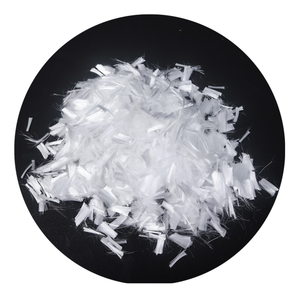
HPMC detergent chemic powder industri grade 200000 tile pipili hydroxypropyl methyl cellulose hpmc

CAS9004-64-3 HPMC mānoanoa mea hoʻomaʻemaʻe kopa mea hoʻomaʻemaʻe HPMC