


Nā Pākuʻi Paʻa Māmā | Nā ʻĀpana Hoʻohuʻi Kiʻekiʻe no ka Kelepona Kelepona


NA PALAPALA HUA
wehewehe
Introduction to Hydroxypropyl Methyl Cellulose HPMC for Tile Adhesive Construction Gypsum Plaster and Putty
Hydroxypropyl Methylcellulose (HPMC), nona ka inoa Pake he hydroxypropyl methylcellulose, he semi-synthetic, non-ionic cellulose ether i loaʻa ma ke kemika hoʻololi ʻana i ka cellulose kūlohelohe. Hiki i kēia pauka keʻokeʻo ke hana i kahi hopena viscous akaka ma hope o ka hoʻoheheʻe ʻana i ka wai. He mānoanoa maikaʻi loa, paʻa wai, paʻa a me nā waiwai hana kiʻiʻoniʻoni. He mea hoʻohui multifunctional indispensable i nā kula he nui e like me ke kūkulu ʻana.
Characteristics and advantages of Hydroxypropyl Methyl Cellulose HPMC for Tile Adhesive Construction Gypsum Plaster and Putty
Hiki ke hoʻoheheʻe wai: Hiki ke hoʻoheheʻe koke ʻia i loko o ka wai anuanu e hana i kahi hopena akaka a paʻa.
Hiki i ka mānoanoa a me ka mālama wai: E hoʻonui i ka viscosity o ka mea, e hoemi pono i ka wai, a hoʻomaikaʻi maikaʻi i ka hana.
Paʻa maikaʻi: Loaʻa iā ia ke kūpaʻa maikaʻi i nā waikawa, alkalis, a me nā paʻakai, a he kūpono ia no ka nui o nā waiwai pH.
Nā hopena kiʻiʻoniʻoni a me ka pale: Ma hope o ka maloʻo ʻana, hana ia i kahi kiʻiʻoniʻoni paʻakikī a maopopo e pale i ka substrate a pale i ke komo ʻana o ka wai a me ka evaporation.
ʻAʻohe mea ʻawaʻawa a me ka hoʻonāukiuki ʻole: Loaʻa iā ia ka biocompatibility maikaʻi a kūpono i nā ʻano lāʻau lapaʻau a me nā meaʻai.
Hoʻoponopono: Ma ka hoʻololi ʻana i ke degere o ka hoʻololi ʻana a me ke kaumaha molekala, hiki ke hoʻololi i kāna hana e hoʻokō i nā koi noi like ʻole.

Specifications of Hydroxypropyl Methyl Cellulose HPMC for Tile Adhesive Construction Gypsum Plaster and Putty
Hydroxypropyl Methyl Cellulose (HPMC) no ka mea hoʻopili kiʻi kiʻi ceramic, Construction Gypsum, Plaster, a me Putty
Kiʻi kikoʻī
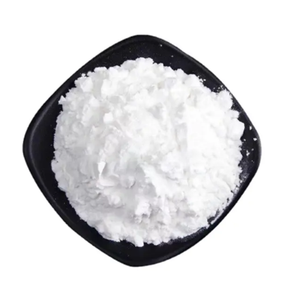
Nānā: Keʻokeʻo a i ka beige ka pauka kahe ʻole. No lumps or foreign fragments.
ʻO ka viscosity: Readily available in multiple grades– maʻamau 400 mPa · s, 15,000 mPa · s, 40,000 mPa · s, a 75,000 mPa · s(hooholoia ma 2% koho, 20 ° C). Choose the appropriate thickness based on your application requires.
Maʻiʻo Methoxyl: 19.0– 24.0%. This range guarantees excellent water retention and workability.
ʻO ka ʻike pūnaewele Hydroxypropyl: 4.0– 12.0%. Assists boost solubility and security in various mixtures.
Maʻiʻo pulu: Max 5.0%. Reduced wetness keeps the item stable throughout storage.
pH Pono: 6.0– 8.0 (2% liquid service at 25 ° C). Neutral pH sustains compatibility with typical building products.
Ka nui o ka ʻāpana: Goes Through an 80-mesh sieve (≥ 98%). Fine fragments blend uniformly right into dry blends.
Ka pae wela o ka Gel: 58– 62 ° C. HPMC enlarges and creates a gel when heated, which helps regulate establishing time.
ʻIke Pūnaewele Lehu: Max 5.0%. Low ash means fewer impurities and better efficiency.
Paʻa wai: ≥ 95% (for typical grades utilized in tile adhesives and plasters). High water retention stops early drying and boosts bond stamina.
Maʻemaʻe: Complies with market criteria for construction-grade cellulose ethers. Without hazardous additives.
This HPMC grade is specifically developed for usage in tile adhesives, gypsum-based products, nā kāpala loko, and wall putties. It gives smooth blending, strong bond, and consistent open time. The powder dissolves easily in cold water and functions well with cement, lime, and plaster systems. Home builders and suppliers count on it for foreseeable results and very easy handling on website.
Applications of Hydroxypropyl Methyl Cellulose HPMC for Tile Adhesive Construction Gypsum Plaster and Putty
Nā noi o Hydroxypropyl Methyl Cellulose (HPMC) in Structure Products
Kile Adhesive
HPMC plays a crucial duty in tile adhesives. It aids the mix keep damp much longer so workers have even more time to put floor tiles appropriately. This additive additionally quits the water from soaking as well quickly right into porous surface areas like block or concrete. Ma muli o kēia, the concrete in the glue hydrates effectively and bonds well. HPMC gives the paste a smooth appearance that sticks conveniently to both the wall surface and the floor tile back. It decreases drooping on upright surfaces and keeps floor tiles in position without moving.
Building And Construction Plaster Plaster
In gypsum plaster, HPMC enhances workability and spreadability. The powder blends equally with water and creates a luscious consistency that’s very easy to use by hand or maker. It controls water retention so the plaster sets at the appropriate rate. Without adequate water control, the plaster may dry out also rapid and crack. HPMC likewise boosts attachment to walls and ceilings, assisting the plaster stick firmly during and after drying out. This leads to fewer repair services and a cleaner surface.
Putty
For exterior and interior putty, HPMC boosts performance in a number of means. It raises the putty’s capability to hold water, which supports proper treating and prevents early drying out. The additive makes the mixture smoother and much easier to sand after it dries out. HPMC likewise improves the putty’s flexibility a little, decreasing the possibility of hairline fractures in time. On absorbent substratums like old plaster or bare concrete, it makes sure constant drying out and strong bonding. Specialists locate putty with HPMC less complicated to take care of, with much less waste and much better surface area protection.
ʻO ka moʻolelo o ka hui
ʻO mākou ke alakaʻi o ka honua i nā ʻenehana māmā a me nā hoʻonā ʻenehana i hana ʻia. ʻIke ʻia ma ka honua holoʻokoʻa no kāna kūpaʻa i ka noiʻi, mea hou, a me ka ʻike noiʻi, ke hāʻawi nei mākou i nā hoʻonā ʻenehana i hana ʻia mai ka makahiki 2012.
Hiki iā mākou ke hāʻawi aku i ka hoʻohui ʻana i nā mea hoʻohui kiʻekiʻe kiʻekiʻe a me nā huahana pili i ka foam concrete a puni ka honua.
He keʻena ʻenehana ʻoihana a me ka ʻoihana kiaʻi maikaʻi ka hui, he hale hana i hoolako pono ia, a hoʻolako ʻia me nā lako hoʻāʻo kiʻekiʻe a me ke kikowaena lawelawe mea kūʻai aku ma hope o ke kūʻai aku.
Inā hoihoi ʻoe, e ʻoluʻolu a e hoʻokaʻaʻike mai iā mākou.
Uku
T/T, Hui Komohana, Paypal, Kāleka ʻaiʻē etc.
Hoʻouna
Ma ka lewa, ma ke kai, ma ka hoike, e like me ke noi a nā mea kūʻai aku.
5 FAQs of Hydroxypropyl Methyl Cellulose HPMC for Tile Adhesive Construction Gypsum Plaster and Putty
Nā nīnau i nīnau pinepine ʻia e pili ana i ka HPMC no ka mea hoʻopili pila, Gypsum Plaster, a me Putty
What is HPMC used for in tile adhesive?
HPMC helps tile adhesive stay wet longer. This gives workers more time to place tiles correctly. It also makes the mix smooth and easy to spread. The adhesive sticks better to walls and floors because of HPMC.
How does HPMC improve gypsum plaster?
Gypsum plaster with HPMC spreads evenly and sticks well to surfaces. It reduces cracks during drying. HPMC holds water in the mix so the plaster sets properly. This leads to a smoother finish and stronger bond.
Why add HPMC to putty?
Putty with HPMC becomes easier to apply and sand. It keeps moisture inside longer, which helps it cure fully. This prevents peeling or powdering later. The final surface stays strong and ready for painting.
Pili anei ka HPMC i ka manawa maloo?
ʻAe. Hoʻolohi ka HPMC i ka nalowale wai. This controlled drying helps all three products—tile adhesive, pulupulu, and putty—perform better. Fast drying can cause weak spots or cracks. HPMC avoids that by managing moisture.
Is HPMC safe for indoor use?
ʻAʻole ʻona a ʻala ʻole ka HPMC. Hoʻokō ia i nā kūlana palekana no nā mea kūkulu hale. Once mixed into plaster, putty, or adhesive, ʻaʻohe pilikia olakino. Workers and residents can stay safe during and after application.
NOI I KA PALAPALA
NA HUAKAI PILI
CAS 9004 65 3 Powder Coating Raw Materials Hydroxypropyl Methyl Cellulose HPMC Industrial Chemicals
ʻO ka Hydroxypropyl Methyl Cellulose HPMC Thickener Putty Mortar Coating me 200000 ʻO ka ʻeleʻele ʻeleʻele

ruyuan Chemicalvae HPMC cellulose powder High Viscosity hydroxypropyl methyl cellulose HPMC used in construction
ʻO ka hale kūʻai hale cellulose hpmc pauka hidroxipropil metilcelul methocel no ka ʻoihana

maikaʻi loa 200000 viscosity construction grade kemikala pauda tile adhesives para argamassa gypsum industry hpmc
