


Additifs légers pour béton | Agents moussants haute performance pour béton cellulaire


PARAMÈTRES DU PRODUIT
Description
Introduction to Hydroxypropyl Methyl Cellulose HPMC for Tile Adhesive Construction Gypsum Plaster and Putty
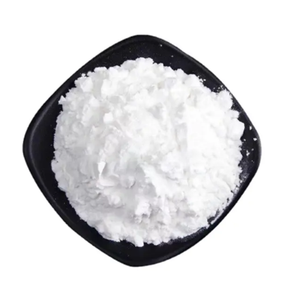
Hydroxypropylméthylcellulose (HPMC), dont le nom chinois est hydroxypropylméthylcellulose, est un semi-synthétique, éther de cellulose non ionique obtenu par modification chimique de la cellulose naturelle. Cette poudre blanche peut former une solution visqueuse transparente après dissolution dans l'eau. Il a un excellent épaississement, rétention d'eau, stabilité et propriétés filmogènes. C'est un additif multifonctionnel indispensable dans de nombreux domaines comme le bâtiment.
Characteristics and advantages of Hydroxypropyl Methyl Cellulose HPMC for Tile Adhesive Construction Gypsum Plaster and Putty
Excellente solubilité dans l'eau: Il peut être rapidement dissous dans l'eau froide pour former une solution claire et stable.
Capacité efficace d’épaississement et de rétention d’eau: Augmente la viscosité du matériau, réduire efficacement l'évaporation de l'eau, et améliorer l'efficacité du travail.
Bonne stabilité: Il a une bonne stabilité aux acides, alcalis, et des sels, et convient à une large gamme de valeurs de pH.
Effets filmogènes et protecteurs: Après séchage, il forme un film résistant et transparent pour protéger le substrat et empêcher la pénétration de l'eau et l'évaporation.
Non toxique et non irritant: Il présente une bonne biocompatibilité et convient aux domaines médical et alimentaire..
Ajustabilité: En modifiant le degré de substitution et le poids moléculaire, ses performances peuvent être ajustées pour répondre aux différentes exigences des applications.

Specifications of Hydroxypropyl Methyl Cellulose HPMC for Tile Adhesive Construction Gypsum Plaster and Putty
Hydroxypropylméthylcellulose (HPMC) pour adhésif pour carreaux de céramique, Construction Gypsum, Plâtre, and Putty
Spécifications clés
Regarder: Poudre fluide blanche à beige. No lumps or foreign fragments.
Viscosité: Readily available in multiple grades– typiquement 400 mPa · s, 15,000 mPa · s, 40,000 mPa · s, et 75,000 mPa · s(déterminé à 2% option, 20 °C). Choose the appropriate thickness based on your application requires.
Teneur en méthoxyle: 19.0– 24.0%. This range guarantees excellent water retention and workability.
Contenu Web Hydroxypropyle: 4.0– 12.0%. Assists boost solubility and security in various mixtures.
Teneur en humidité: Max. 5.0%. Reduced wetness keeps the item stable throughout storage.
Valeur du pH: 6.0– 8.0 (2% service liquide à 25 °C). Neutral pH sustains compatibility with typical building products.
Taille des particules: Goes Through an 80-mesh sieve (≥ 98%). Fine fragments blend uniformly right into dry blends.
Niveau de température du gel: 58– 62 °C. HPMC enlarges and creates a gel when heated, which helps regulate establishing time.
Contenu Web de cendres: Max. 5.0%. Low ash means fewer impurities and better efficiency.
Rétention d'eau: ≥ 95% (for typical grades utilized in tile adhesives and plasters). High water retention stops early drying and boosts bond stamina.
Pureté: Complies with market criteria for construction-grade cellulose ethers. Without hazardous additives.
This HPMC grade is specifically developed for usage in tile adhesives, gypsum-based products, interior plasters, et mastics muraux. It gives smooth blending, lien fort, and consistent open time. The powder dissolves easily in cold water and functions well with cement, citron vert, et systèmes de plâtre. Home builders and suppliers count on it for foreseeable results and very easy handling on website.
Applications of Hydroxypropyl Methyl Cellulose HPMC for Tile Adhesive Construction Gypsum Plaster and Putty
Applications de l'hydroxypropylméthylcellulose (HPMC) dans Produits de Structure
Adhésif pour carrelage
HPMC plays a crucial duty in tile adhesives. It aids the mix keep damp much longer so workers have even more time to put floor tiles appropriately. This additive additionally quits the water from soaking as well quickly right into porous surface areas like block or concrete. À cause de ça, the concrete in the glue hydrates effectively and bonds well. HPMC gives the paste a smooth appearance that sticks conveniently to both the wall surface and the floor tile back. It decreases drooping on upright surfaces and keeps floor tiles in position without moving.
Building And Construction Plaster Plaster
En plâtre de gypse, HPMC enhances workability and spreadability. The powder blends equally with water and creates a luscious consistency that’s very easy to use by hand or maker. It controls water retention so the plaster sets at the appropriate rate. Sans contrôle adéquat de l’eau, the plaster may dry out also rapid and crack. HPMC likewise boosts attachment to walls and ceilings, assisting the plaster stick firmly during and after drying out. This leads to fewer repair services and a cleaner surface.
Putty
For exterior and interior putty, HPMC boosts performance in a number of means. It raises the putty’s capability to hold water, which supports proper treating and prevents early drying out. The additive makes the mixture smoother and much easier to sand after it dries out. HPMC likewise improves the putty’s flexibility a little, decreasing the possibility of hairline fractures in time. On absorbent substratums like old plaster or bare concrete, it makes sure constant drying out and strong bonding. Specialists locate putty with HPMC less complicated to take care of, with much less waste and much better surface area protection.
Profil de l'entreprise
Nous sommes le leader mondial des solutions avancées de béton léger et de mousse technique.. Connu mondialement pour son engagement en faveur de la recherche, innovation, et expertise appliquée, nous fournissons des solutions de mousse technique depuis le début des années 2012.
Nous pouvons fournir des adjuvants pour béton et des produits liés au béton mousse de haute qualité dans le monde entier..
L'entreprise dispose d'un département technique professionnel et d'un département de supervision de la qualité, un laboratoire bien équipé, et équipé d'un équipement de test avancé et d'un centre de service client après-vente.
Si vous êtes intéressé, n'hésitez pas et contactez-nous.
Paiement
T/T, Western union, Paypal, Carte de crédit, etc..
Expédition
Par avion, par la mer, par express, comme le demandent les clients.
5 FAQs of Hydroxypropyl Methyl Cellulose HPMC for Tile Adhesive Construction Gypsum Plaster and Putty
Questions fréquemment posées sur HPMC pour adhésif pour carrelage, Gypsum Plaster, and Putty
À quoi sert HPMC dans la colle à carrelage?
HPMC helps tile adhesive stay wet longer. Cela donne aux travailleurs plus de temps pour placer correctement les carreaux.. It also makes the mix smooth and easy to spread. The adhesive sticks better to walls and floors because of HPMC.
How does HPMC improve gypsum plaster?
Gypsum plaster with HPMC spreads evenly and sticks well to surfaces. It reduces cracks during drying. HPMC holds water in the mix so the plaster sets properly. This leads to a smoother finish and stronger bond.
Why add HPMC to putty?
Putty with HPMC becomes easier to apply and sand. It keeps moisture inside longer, which helps it cure fully. This prevents peeling or powdering later. The final surface stays strong and ready for painting.
HPMC affecte-t-il le temps de séchage?
Oui. HPMC ralentit la perte d’eau. This controlled drying helps all three products—tile adhesive, plâtre, and putty—perform better. Fast drying can cause weak spots or cracks. HPMC avoids that by managing moisture.
Le HPMC est-il sans danger pour une utilisation en intérieur?
HPMC est non toxique et inodore. It meets safety standards for indoor construction materials. Once mixed into plaster, mastic, or adhesive, cela ne présente aucun risque pour la santé. Workers and residents can stay safe during and after application.
DEMANDER UN DEVIS
PRODUITS CONNEXES
Poudre d'hydroxypropylméthylcellulose HPMC HEC CMC HEC pour mortier

Fabrication de produits chimiques HPMC d'hydroxypropylméthylcellulose bon marché

Hydroxypropyl Methyl Cellulose Hpmc For Mortar Additives
Éther de cellulose chimique hpmc k100 approvisionnement direct d'usine hpmc natrosol mécellose tylose hpmc

Factory Direct Hydroxypropyl Methyl Cellulose HPMC 200000 CPS pour liant pour carrelage de construction
